
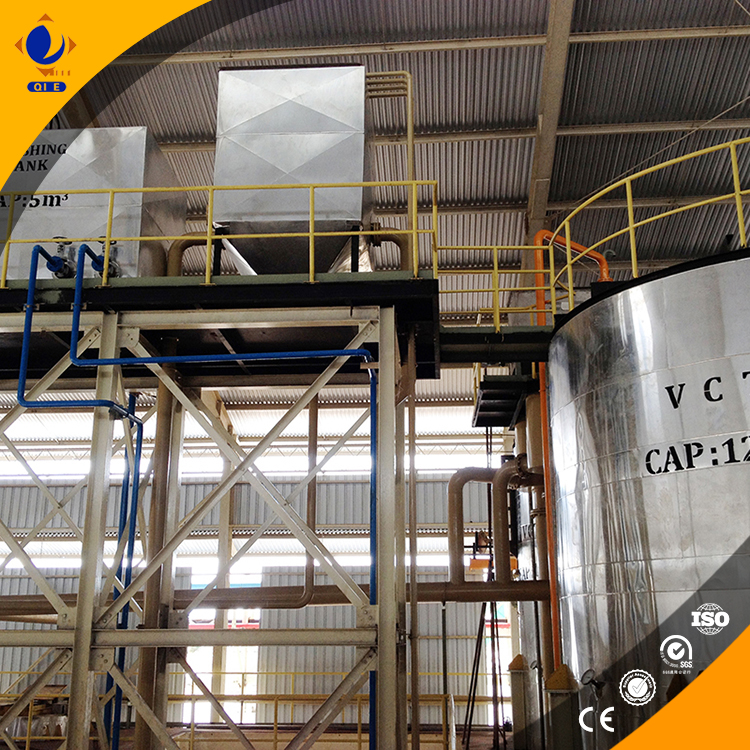
Soybean meal is a core by - product of soybean oil production. In the agricultural industry chain, it holds a strategic position. According to industry reports, about 80% of the world's soybean production is used for oil extraction, and soybean meal is the main by - product of this process. It has become an indispensable raw material in the animal feed industry.
Soybean meal typically contains 43% - 48% protein, and its amino acid composition is relatively balanced, especially rich in lysine. This makes it an excellent source of protein for animal feed. For example, compared with other plant protein sources, soybean meal can better meet the nutritional needs of livestock and poultry.
The palatability of soybean meal is affected by factors such as processing methods and storage conditions. To ensure its quality, it is recommended to store soybean meal in a dry, ventilated place. Proper storage can prevent mildew and deterioration, and extend its shelf life.
In 2024, the global soybean meal supply - demand pattern is undergoing significant changes. Major producing areas such as the United States, Brazil, and Argentina account for about 80% of the world's soybean meal production. At the same time, countries in Asia, Europe, and Africa are the main importers. For instance, China, the European Union, and Japan have large - scale demand for soybean meal.
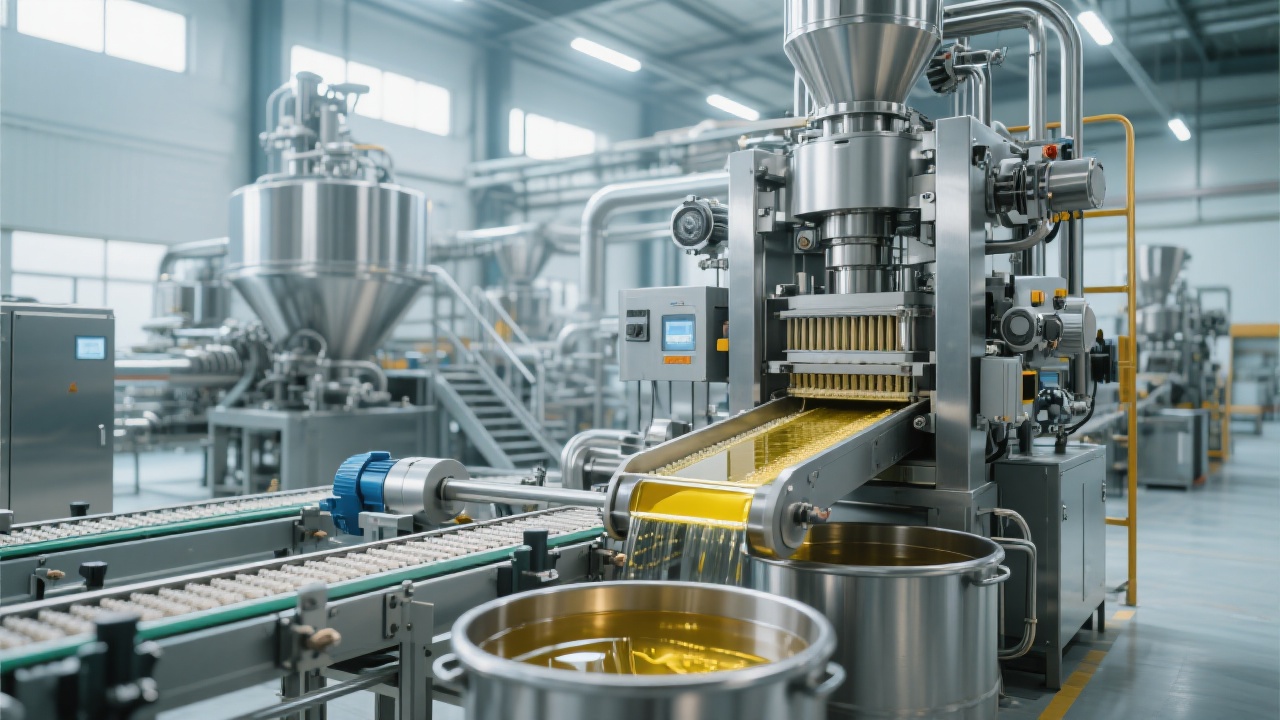
According to industry data, the global soybean meal production is expected to reach 250 million tons in 2024, while the demand is about 245 million tons. The inventory level also shows a certain degree of change, which is affected by factors such as production and consumption.
Several core variables influence soybean meal prices. Firstly, there is a certain linkage between soybean meal and corn prices. When corn prices rise, livestock and poultry farmers may increase the proportion of soybean meal in feed, which in turn affects the price of soybean meal. Secondly, the breeding cycle also has an impact. During the peak breeding season, the demand for soybean meal increases, driving up prices. In addition, government policy subsidies can also have a significant impact on soybean meal prices.
There are many innovative cases of soybean meal deep - processing. For example, it can be processed into functional feed additives, which can improve the immunity and growth performance of livestock and poultry. Another example is the conversion of soybean meal into organic fertilizer, which not only realizes the resource utilization of waste but also has good economic and environmental benefits.

To expand the international market, soybean meal production enterprises need to adopt differentiated positioning strategies. By focusing on the development of high - value - added products, such as functional feed additives and organic fertilizers, enterprises can maximize resource utilization and enhance the added value of products. This way, they can seize the export opportunity and improve the competitiveness of the entire industrial chain.
Your soybean meal, how to optimize utilization? Explore more possibilities of soybean meal deep - processing and join us to achieve resource maximization and value - added improvement. Click here to learn more.





