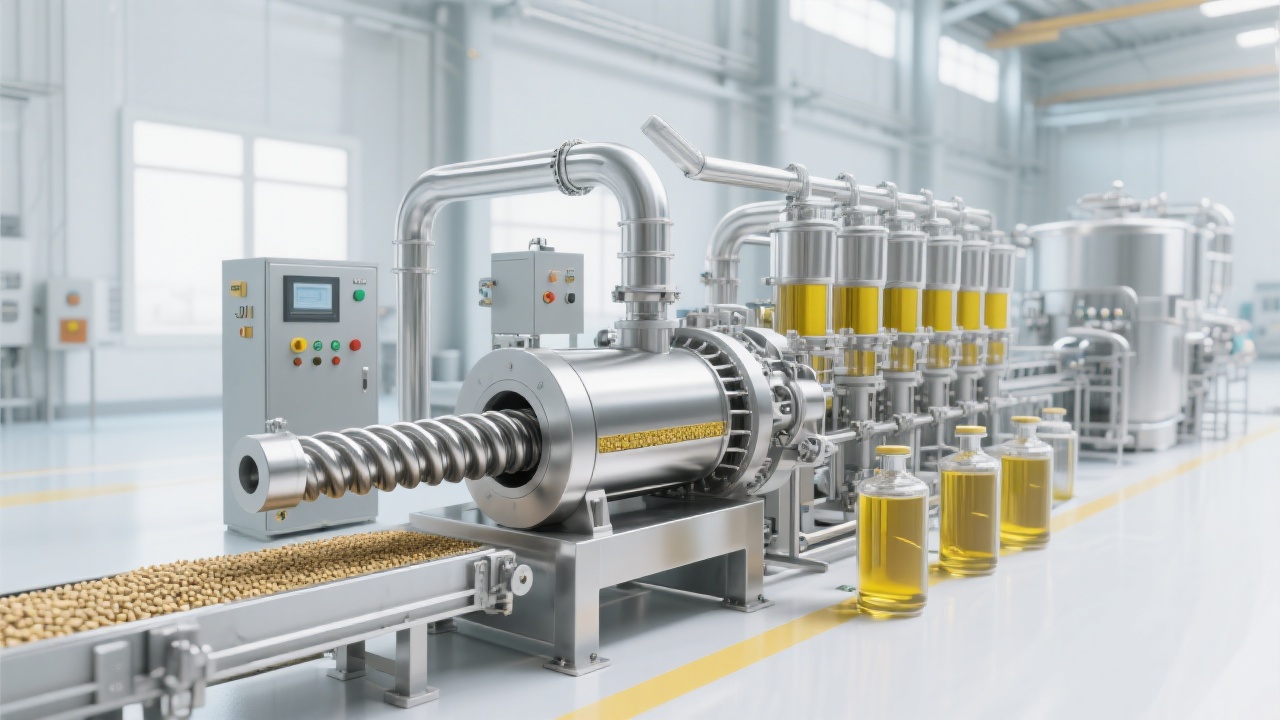
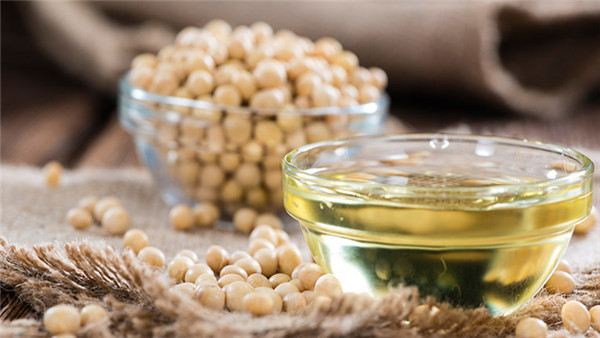
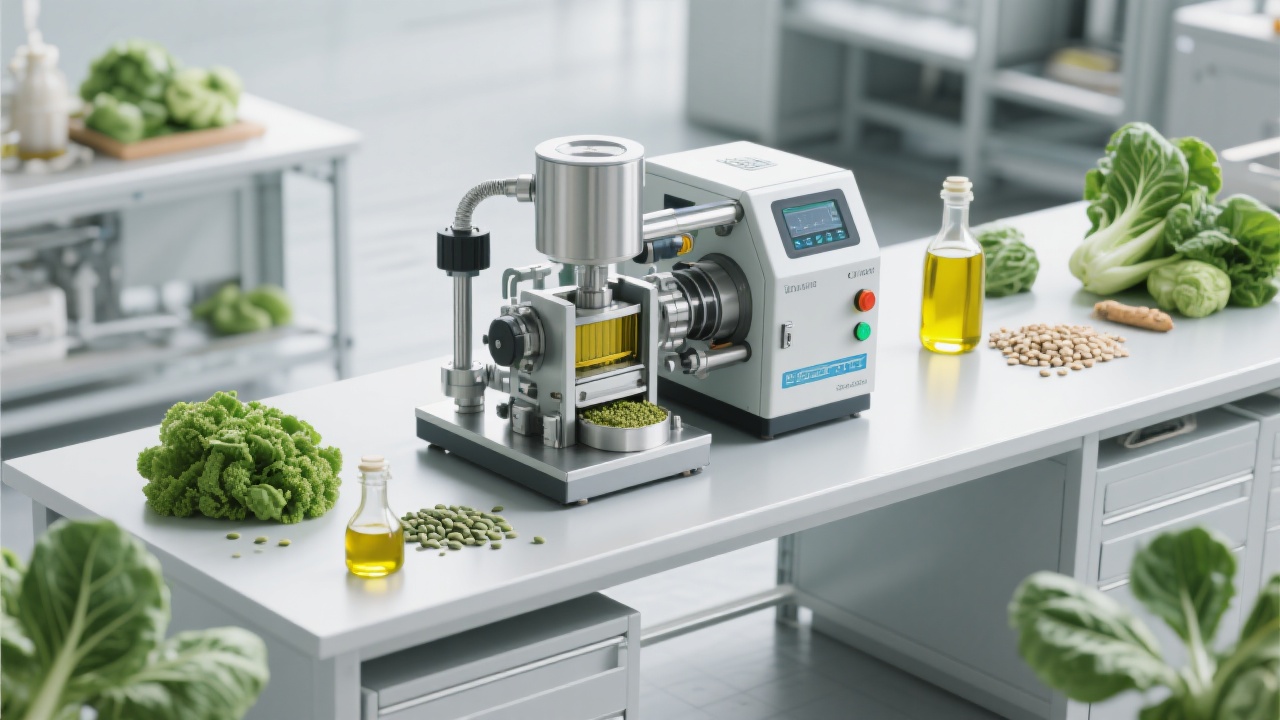
In today’s competitive edible oil market, the quality and consistency of soybean oil play a pivotal role in gaining and retaining customer trust. Automated soybean oil refining systems have emerged as a vital solution to traditional challenges by elevating process control, product stability, and overall efficiency. This article delves into the critical refining parameters, compares system types, and demonstrates how automation transforms these parameters into measurable improvements, supported by real case data.
The refining process targets the reduction and stabilization of several vital chemical and sensory parameters:
Each refining technology offers distinct operational benefits and limitations:
| System Type | Advantages | Limitations |
|---|---|---|
| Batch | Flexibility, lower initial cost, easy to maintain | Lower throughput, inconsistent product quality, manual operation prone to error |
| Semi-continuous | Balanced automation, better quality control, moderate throughput | Complexity in integration, moderate investment |
| Continuous | High throughput, consistent quality, significant labor savings | Higher initial capital, requires advanced control systems and skilled operators |
Elevated free fatty acids, excessive pigment levels, and short shelf life remain common pain points in soybean oil production:
Integration of automated control systems with inline sensors dramatically shifts refining dynamics:
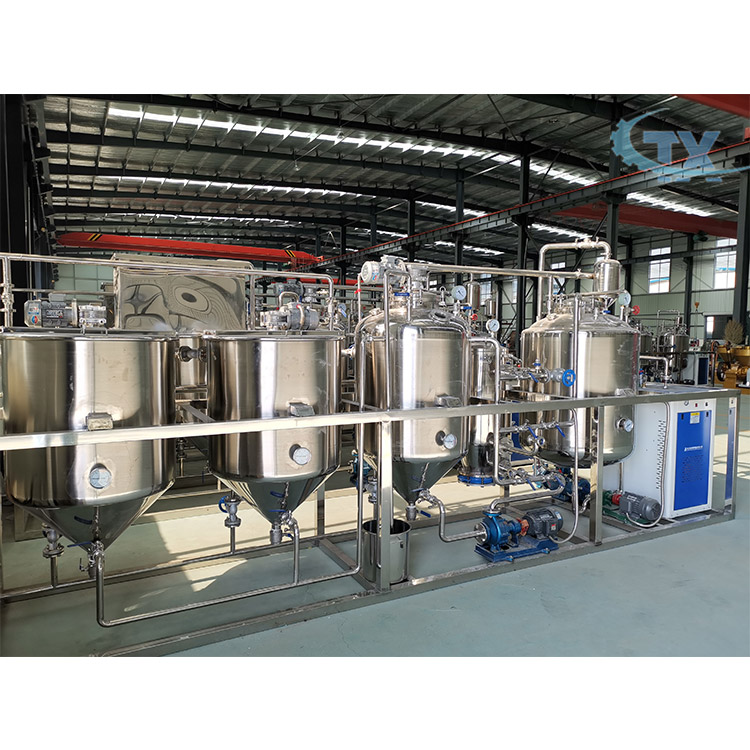
A leading oil processor upgraded from batch to a semi-continuous automated refining system, achieving:
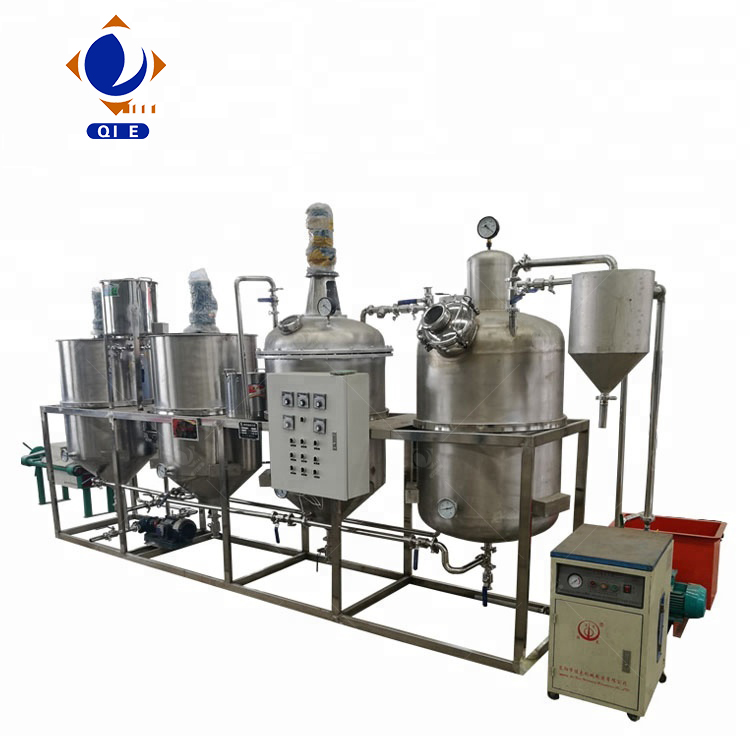
Future-oriented soybean oil refining integrates artificial intelligence for predictive maintenance, adaptive process optimization, and energy-saving technologies such as waste heat recovery. Green refining technologies focus on minimal chemical usage and water conservation, aligning with global sustainability goals.
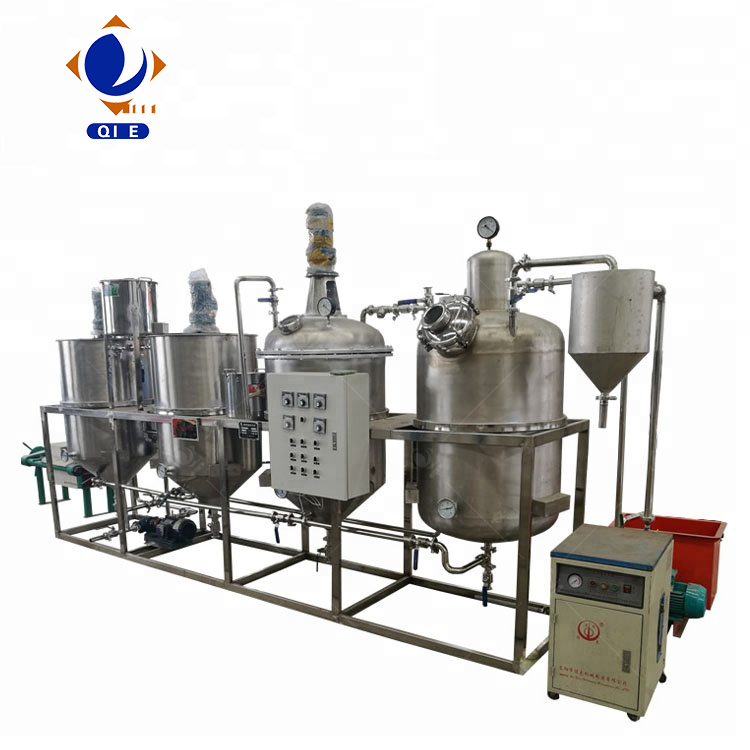
Your production line still relies heavily on manual experience? Discover how automation boosts quality and operational resilience for soy oil manufacturers worldwide.
Question to Readers: What challenges have you faced with oil off-flavors or color inconsistencies? Share your thoughts and experiences below!

 212
|
212
|
 soybean oil press
integrated filtration system
oil purification technology
export certification standards
hydraulic vs spiral oil press
soybean oil press
integrated filtration system
oil purification technology
export certification standards
hydraulic vs spiral oil press
 61
|
Soybean Solvent Extraction Plant
Soybean Oil Press Machine
Solvent Extraction for Soybean Oil
High Yield Soybean Oil Extraction
Industrial Soybean Processing Plant
Soybean Meal Production
Cost-Effective Soybean Oil Extraction
Biodiesel from Soybean Oil
Soybean Oil Refining
Soybean Oil Production Facility
61
|
Soybean Solvent Extraction Plant
Soybean Oil Press Machine
Solvent Extraction for Soybean Oil
High Yield Soybean Oil Extraction
Industrial Soybean Processing Plant
Soybean Meal Production
Cost-Effective Soybean Oil Extraction
Biodiesel from Soybean Oil
Soybean Oil Refining
Soybean Oil Production Facility
 37
|
soybean oil press
small-scale soybean oil machines
high-efficiency screw oil extractor
37
|
soybean oil press
small-scale soybean oil machines
high-efficiency screw oil extractor
 244
|
Soybean Oil Press
Soybean Oil Press Machine
Screw Soybean Oil Press
Hydraulic Soybean Oil Press
Integrated Soybean Oil Press
Soybean Oil Press for Small Scale
Cost-Effective Soybean Oil Press
Energy Efficient Soybean Oil Press
Cold Pressed Soybean Oil
Soybean Cake Production
244
|
Soybean Oil Press
Soybean Oil Press Machine
Screw Soybean Oil Press
Hydraulic Soybean Oil Press
Integrated Soybean Oil Press
Soybean Oil Press for Small Scale
Cost-Effective Soybean Oil Press
Energy Efficient Soybean Oil Press
Cold Pressed Soybean Oil
Soybean Cake Production
 282
|
Soybean Oil Making Machine
Soybean Oil Press Machine
Small-Scale Soybean Oil Press Machine
Integrated Soybean Oil Making Machine
Large-Scale Soybean Oil Extraction Machine
Screw Oil Press
Hydraulic Oil Press
Soybean Oil Extraction Process
Soybean Oil Production Equipment
Cost-Effective Soybean Oil Press Solutions
282
|
Soybean Oil Making Machine
Soybean Oil Press Machine
Small-Scale Soybean Oil Press Machine
Integrated Soybean Oil Making Machine
Large-Scale Soybean Oil Extraction Machine
Screw Oil Press
Hydraulic Oil Press
Soybean Oil Extraction Process
Soybean Oil Production Equipment
Cost-Effective Soybean Oil Press Solutions