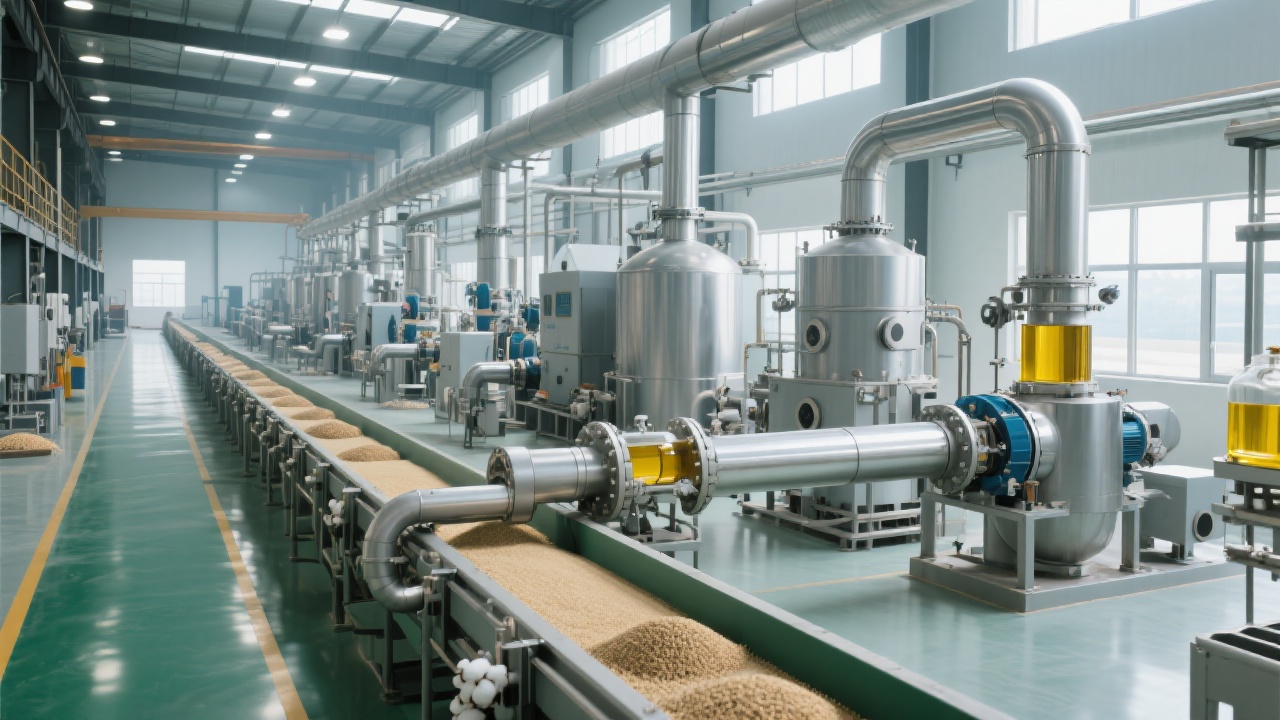
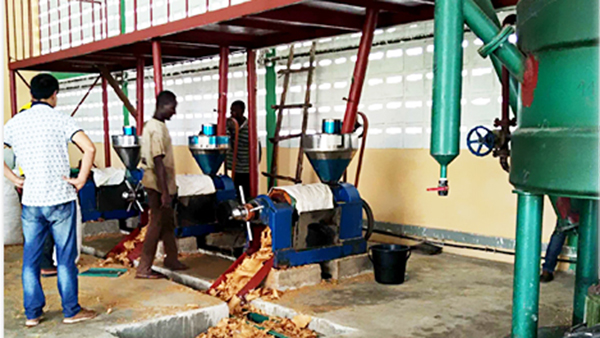
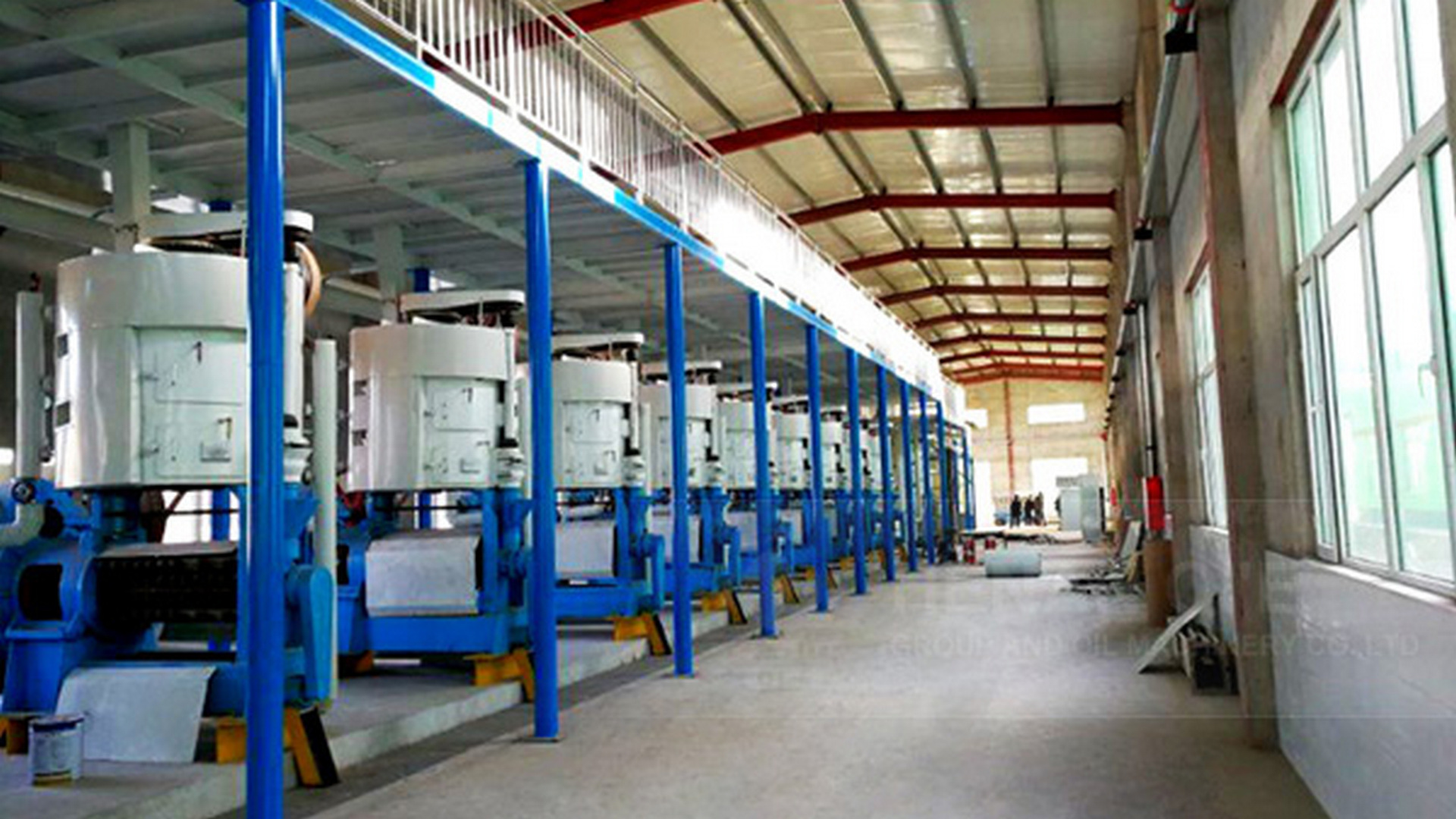
Starting your own soybean oil processing venture can feel overwhelming, especially when selecting the right refining equipment. If your daily production capacity falls between 1 to 30 tons, then a batch refining system might be the perfect fit for your needs. This article offers a data-driven, practical roadmap explaining why batch refining machines stand out for small-scale producers like you — highlighting key benefits such as lower upfront investment, operational flexibility, compact footprint, and easier maintenance. Armed with real-world case insights, you’ll be better positioned to avoid costly equipment mistakes and ramp up your operation efficiently.
For small soybean oil plants, constraints often revolve around limited budgets, inconsistent raw material supply, and fluctuating daily output requirements. You might face unpredictable demand or seasonal variations in soybean availability, making equipment that can adapt to variable loads essential. In addition, factory space is often at a premium, and hiring highly skilled operators may not be feasible. How do you balance all these factors without compromising oil quality?
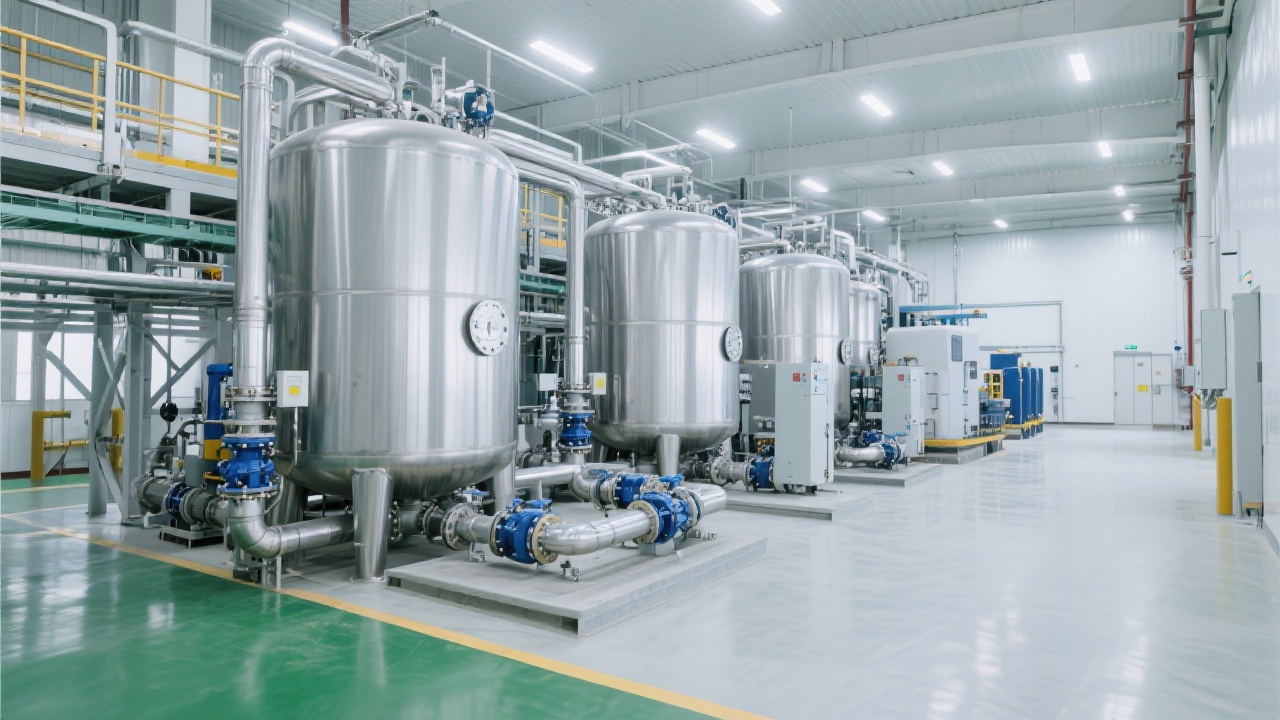
Batch refining machines are designed for daily throughput typically ranging from 1 to 30 tons, perfectly matching the small to medium scales. Their modular setup allows you to process oil in discrete batches rather than a continuous stream, offering greater control over processing times and parameters. This flexibility is ideal when your input quality or volume varies day-to-day.
| Criteria | Batch Refining | Semi-Continuous | Continuous |
|---|---|---|---|
| Initial Investment | Low ($15,000 – $50,000) | Medium ($50,000 – $120,000) | High ($120,000+) |
| Operational Complexity | Simple, suited for non-expert operators | Moderate, requires trained personnel | Complex, demands full-time specialists |
| Floor Space Requirement | Compact (10-30 sqm) | Moderate (30-80 sqm) | Large (80+ sqm) |
| Adaptability to Production Volume | High (batch control) | Medium | Low (fixed continuous flow) |
Have you assessed what your daily production volume typically looks like? Understanding your output variability can sharply influence your optimal refining system choice.
Consider Mr. Zhang, a soybean oil processor who transitioned from a small-scale family workshop with makeshift equipment to a regulated mini-factory using a batch refining system for 15 tons per day. The benefits he realized included:
Mr. Zhang's case exemplifies how batch refining systems can help new entrants scale sustainably while managing production risks.
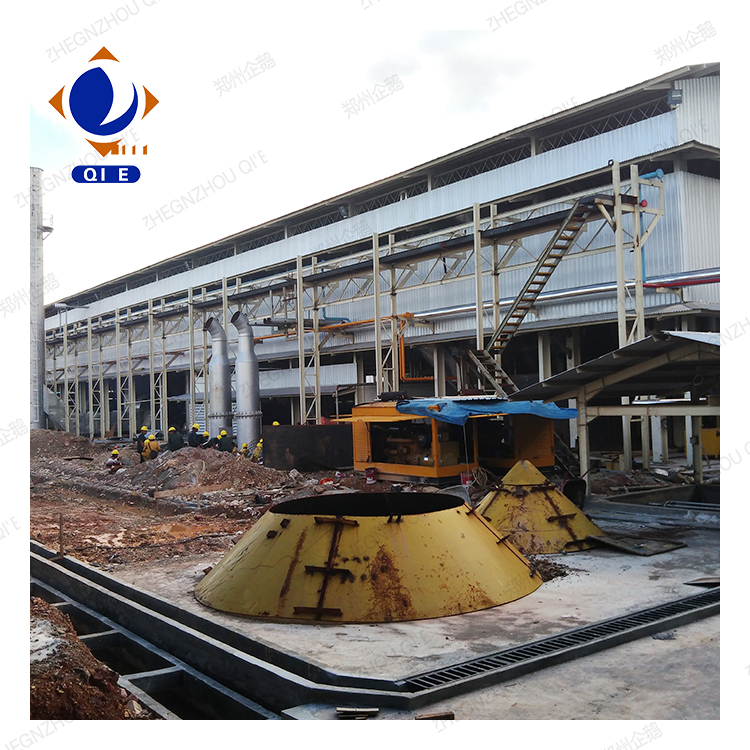
While batch refining machines are user-friendly, proper installation and maintenance are crucial to maximize uptime and oil output quality:
Consistent maintenance can extend your batch refining system's service life by 3–5 years beyond the average expectancy.

Ask yourself:
If these questions resonate, batch refining equipment offers a balanced solution aligning with your business scale and quality goals.

 104
|
104
|
 seed pretreatment line for vegetable oil production
efficient oilseed processing technology
high-yield oil extraction equipment
seed pretreatment line for vegetable oil production
efficient oilseed processing technology
high-yield oil extraction equipment
 158
|
soybean oil extraction methods
mechanical pressing in oil production
solvent extraction process
oil recovery efficiency
export-oriented soybean processing plants
158
|
soybean oil extraction methods
mechanical pressing in oil production
solvent extraction process
oil recovery efficiency
export-oriented soybean processing plants
 132
|
Soybean oil refining process
export oil quality
oil product stability
soybean oil mill operations
refining technology applications
132
|
Soybean oil refining process
export oil quality
oil product stability
soybean oil mill operations
refining technology applications
 266
|
Soybean Oil Manufacturing Machine
Soybean Oil Press Machine
Automated Soybean Oil Production Equipment
High-Efficiency Soybean Oil Extraction
Sustainable Soybean Oil Processing
Soybean Oil Refining Machine
Versatile Oil Pressing Equipment
Soybean Oil Production Solutions
Industrial Soybean Oil Manufacturing Systems
Cost-Effective Soybean Oil Extraction Technology
266
|
Soybean Oil Manufacturing Machine
Soybean Oil Press Machine
Automated Soybean Oil Production Equipment
High-Efficiency Soybean Oil Extraction
Sustainable Soybean Oil Processing
Soybean Oil Refining Machine
Versatile Oil Pressing Equipment
Soybean Oil Production Solutions
Industrial Soybean Oil Manufacturing Systems
Cost-Effective Soybean Oil Extraction Technology
 422
|
Soybean Oil Manufacturing Machine
Eco-Friendly Production
Efficient Automation
422
|
Soybean Oil Manufacturing Machine
Eco-Friendly Production
Efficient Automation