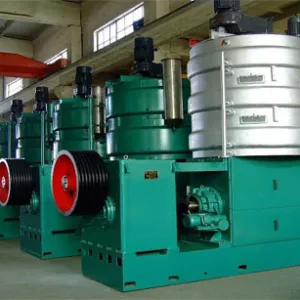
.jpg?x-oss-process=image/resize,h_400,m_lfit/format,webp)
You know that feeling when your soybean oil press suddenly slows down—or worse, starts making strange noises? It’s not just frustrating—it’s costing you production time, quality consistency, and profit margins. According to industry data, up to 30% of oil extraction inefficiencies in small-to-mid-scale plants stem from poor maintenance practices, not machine design flaws.
If you’ve noticed increased oil turbidity, frequent stoppages due to clogged feed hoppers, or rising energy consumption per ton of soybeans processed—you’re likely missing key preventive steps. These issues don’t just reduce output—they compromise food safety compliance and damage customer trust over time.
| Issue | Likely Cause | Impact on Output |
|---|---|---|
| Oil with visible sediment | Inadequate pre-cleaning or filter blockage | Up to 15% yield loss per batch |
| Unusual grinding noise | Lack of lubrication on screw shaft | Increased wear → premature failure |
| Feed hopper jamming | Improper grain size or moisture control | Downtime > 4 hours/month |
1. Pre-clean beans thoroughly: Remove husks, dust, and foreign matter before entering the press. Use a hammer mill for crushing—ideal particle size: 1–3 mm. This reduces friction and improves oil flow by up to 20%.
2. Ensure smooth feed flow: Check hopper angle (should be ≥60°), clean debris weekly, and install a vibration-assisted feeder if you process more than 5 tons/day. Avoid overloading—this causes backpressure and jams.
3. Lubricate critical parts monthly: Apply high-temperature grease (ISO VG 150) to the screw shaft and bearing housing every 30 days. Don’t skip this—it prevents overheating and extends equipment life by 2–3 years.
4. Clean filters after each run: Flush the oil filtration system with warm water + mild detergent. For heavy residue, use a pressure washer at low setting (max 5 bar). Set a reminder: clean once per shift for continuous operation.
Pro Tip: Keep a simple checklist at your station—like this one:
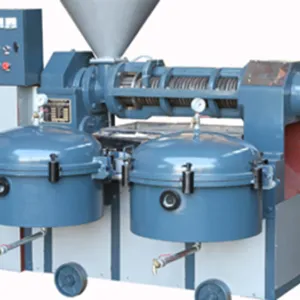
.jpg)
Preventive maintenance isn’t optional—it’s your factory’s most cost-effective productivity lever. In one case study from Nigeria, a mill that adopted a structured monthly check-up routine saw a 27% increase in consistent oil yield within three months—and zero unplanned downtime.
Discover how our high-efficiency soybean oil presses combine smart engineering with easy maintenance—supporting both cold and hot pressing modes for maximum flexibility across seasons and crop types.
Explore Our Efficient Soybean Oil Machines Now