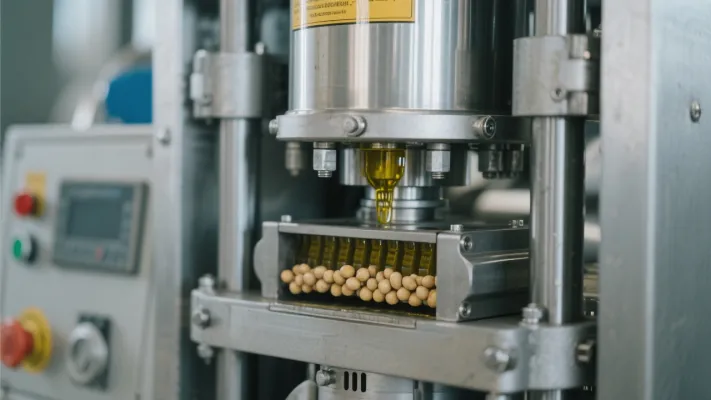
Choosing the right soybean oil extraction method is critical for small to mid-sized oil mills and agricultural cooperatives aiming to optimize yield, quality, and export competitiveness. While both cold press and hot press methods are widely used globally—from the U.S. Midwest to Southeast Asia—each has distinct technical advantages depending on your raw material’s moisture content, protein integrity, and market destination.
| Parameter | Cold Press | Hot Press |
|---|---|---|
| Preheating Temp (°C) | ≤ 40°C | 70–90°C |
| Oil Yield (%) | 18–22% | 24–28% |
| Protein Integrity | High (ideal for feed) | Moderate (some denaturation) |
| Solvent Residue Risk | None | Low (if properly controlled) |
According to a 2023 study published in the Journal of Food Engineering, hot pressing increases oil extraction efficiency by up to 25% compared to cold pressing—especially when dealing with soybeans that have higher moisture levels (>12%). However, this comes at the cost of reduced protein functionality, which may affect downstream use in animal feed or specialty food products.
For European buyers seeking high-quality, cold-pressed soybean oil for culinary or cosmetic applications, cold press offers superior oxidative stability and natural flavor retention. In contrast, Middle Eastern and African markets often prioritize volume and cost-effectiveness—making hot press more appealing despite lower nutritional value.
Real-world case: A Vietnamese cooperative saw a 15% increase in export orders after switching from hot to cold press for their premium-grade soy oil targeting EU organic certifications. The key was not just better oil quality but also improved documentation around non-thermal processing—a requirement under EU Regulation (EC) No 834/2007.
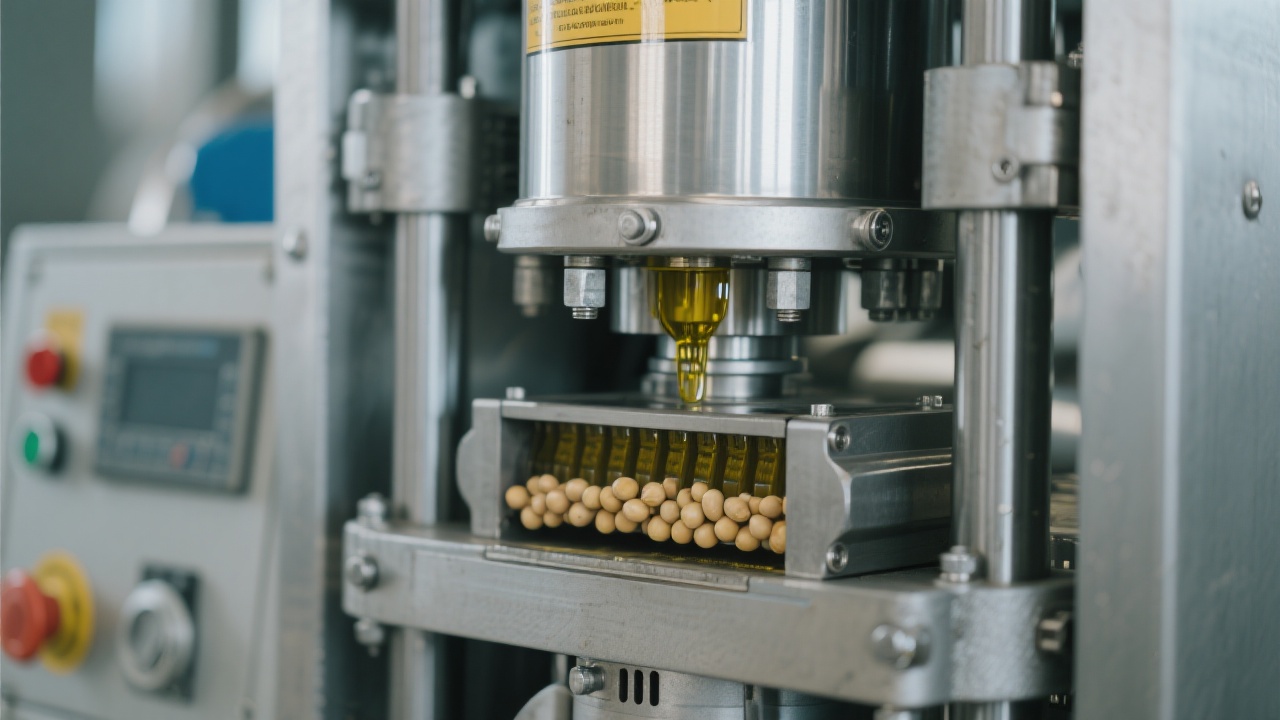
To maximize performance regardless of the chosen method:
One common oversight? Neglecting post-press conditioning of the cake. Proper drying (to ~10% moisture) preserves protein quality and boosts its value as animal feed—adding another revenue stream for your mill.
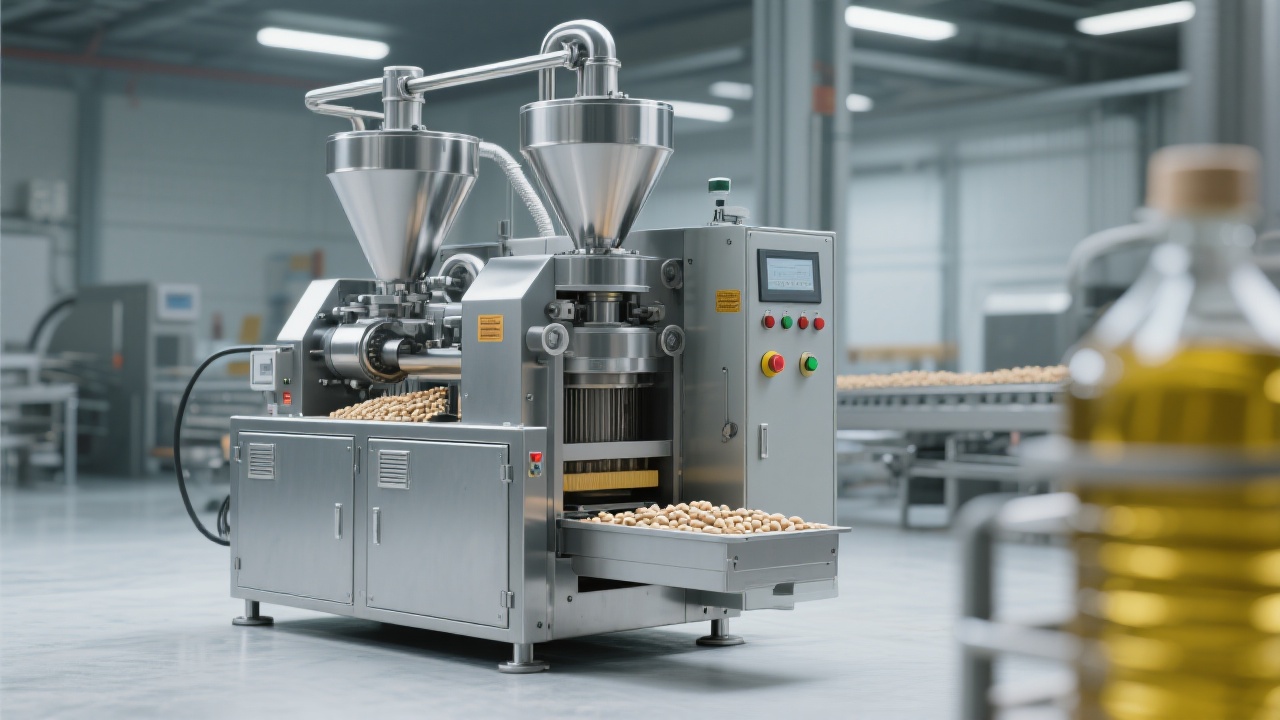
If you're evaluating which process aligns best with your export goals—or need help optimizing current operations—our team has supported over 120 global clients through tailored technical consultations and on-site audits.
Ready to explore how your soybean processing can meet international standards? Let us guide you with actionable insights—not just theory.
Explore Technical Details & Get Customized AdviceNote: All data reflects industry averages based on field testing across 20+ countries. Actual results may vary depending on equipment calibration, raw material consistency, and operator training.