Equipment Configuration Logic for Complete Edible Oil Processing Projects
2026-08-13
Qi'e Grain and Oil Machinery Co., Ltd.
Project Experience
Qi'e Grain and Oil Machinery Co., Ltd. explains the equipment configuration logic for complete edible oil processing projects, from raw material pretreatment and oil extraction to crude oil refining, packaging, installation, and technical service.
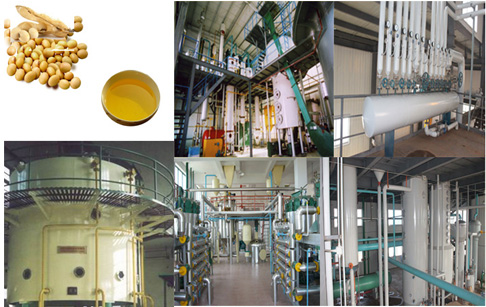
A complete edible oil processing project is not simply a collection of separate machines. It is a coordinated production system in which raw material characteristics, required processing capacity, oil quality targets, operating methods, and site conditions determine the equipment configuration. Qi'e Grain and Oil Machinery Co., Ltd. supports edible oil processing projects with integrated equipment planning and engineering services spanning pretreatment, oil extraction, crude oil refining, finished oil handling, installation, and technical support.
The Configuration Principle: Build a Connected Processing Line
An edible oil production line should be configured as a continuous process route rather than as isolated process sections. Material flow, oil flow, heat use, storage requirements, and capacity matching all need to be considered together. The objective is to create an equipment arrangement that supports stable operation from incoming oilseeds or oil-bearing materials through to refined or packaged edible oil.
Raw Material Receiving
Pretreatment
Oil Extraction
Crude Oil Handling
Oil Refining
Finished Oil Handling
Core Equipment Sections of an Edible Oil Processing Project
1. Receiving, Cleaning, and Storage
The first section manages the intake and preparation of oil-bearing raw materials. Configuration may include receiving equipment, conveying equipment, cleaning units, impurity removal equipment, and storage arrangements. This section helps establish a consistent material supply for downstream processing.
2. Raw Material Pretreatment
Pretreatment equipment is selected according to the material and process route. Depending on the oilseed or oil-bearing material, the line may require cleaning, dehulling, crushing, flaking, conditioning, cooking, or drying stages before oil extraction.
3. Oil Pressing or Solvent Extraction
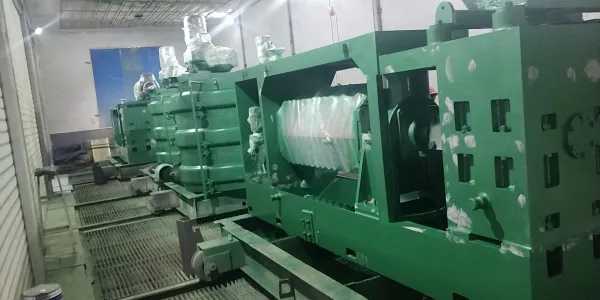
Oil extraction is configured around the applicable production method. Mechanical oil pressing equipment can be incorporated for pressing-based processes, while solvent extraction equipment may be considered for process routes requiring extraction of residual oil from prepared material.
4. Crude Oil Clarification and Transfer
After extraction, crude oil requires orderly collection, transfer, and preliminary handling before refining. Equipment selection considers the connection between extraction output, crude oil storage, filtration or clarification requirements, and the refining section.
5. Crude Oil Refining
Edible oil refining equipment is configured to support the treatment of crude oil according to the intended finished oil specification and process requirements. Refining arrangements are planned in relation to crude oil condition, production capacity, utility availability, and the desired level of process integration.
6. Finished Oil Handling and Packaging Connection
The final section connects refined oil storage, transfer, and finished oil handling with the customer’s packaging or dispatch arrangements. This interface should be considered early in project planning so that the overall line supports an efficient transition from processing to finished product management.
How Equipment Selection Is Determined
A practical edible oil production line engineering plan begins with clear project inputs. The following factors guide the configuration of each equipment section and the connections between them:
- Raw material type: Different materials may require different cleaning, preparation, pressing, extraction, and refining arrangements.
- Processing capacity: Receiving, pretreatment, extraction, refining, transfer, and storage capacities should be planned as a coordinated system.
- Process route: The project may use mechanical pressing, solvent extraction, or an appropriate combination based on the selected production method.
- Finished oil requirements: Refining and finished oil handling are configured in relation to the intended oil product and operational needs.
- Plant layout and utilities: Available space, material movement, installation conditions, power, steam, water, and other utilities affect equipment arrangement.
- Operational planning: Equipment accessibility, maintenance considerations, safety practices, and future expansion needs should be evaluated during engineering design.
Typical Configuration Logic by Processing Stage
| Processing Stage |
Configuration Focus |
Engineering Consideration |
| Raw Material Intake |
Receiving, conveying, cleaning, storage |
Material condition, impurity control, storage continuity, and feeding stability |
| Pretreatment |
Preparation equipment suited to the material |
Preparation sequence, material flow, and compatibility with extraction equipment |
| Oil Extraction |
Oil pressing equipment or solvent extraction equipment |
Selected process route, capacity coordination, and connection to crude oil handling |
| Crude Oil Refining |
Refining equipment and associated transfer arrangements |
Crude oil characteristics, production objectives, and utility integration |
| Finished Oil Handling |
Storage, transfer, and packaging interface |
Finished product movement, operating workflow, and downstream dispatch needs |
Integrated Engineering Support for Project Implementation
Equipment configuration is most effective when it is supported by a clear implementation process. Qi'e Grain and Oil Machinery Co., Ltd. approaches edible oil processing project planning by connecting equipment selection with the practical requirements of installation and operation. This helps keep the production line focused on process continuity rather than on individual equipment alone.
- Confirm project conditions: Review the raw material, planned capacity, process objectives, site conditions, and expected finished oil handling requirements.
- Define the process route: Establish the sequence from raw material preparation through oil extraction, crude oil treatment, refining, and finished oil transfer.
- Match equipment capacities: Select and connect equipment sections so that upstream and downstream stages are planned around the same production logic.
- Plan installation interfaces: Consider equipment layout, conveying routes, utility connections, access, and operational workflow before installation.
- Provide technical service support: Support project implementation through equipment installation guidance and technical service suited to the agreed project scope.
A Practical Partner for Edible Oil Production Line Engineering
Qi'e Grain and Oil Machinery Co., Ltd. develops and supplies oil pressing equipment, oil production line equipment, and edible oil refining equipment for B2B processing projects. With an emphasis on technology innovation, product quality, and responsive service, the company works with customers to evaluate the configuration logic behind complete edible oil processing projects. From pretreatment and extraction to crude oil refining and finished oil handling, a well-matched equipment solution provides a clear foundation for project execution and long-term operation.