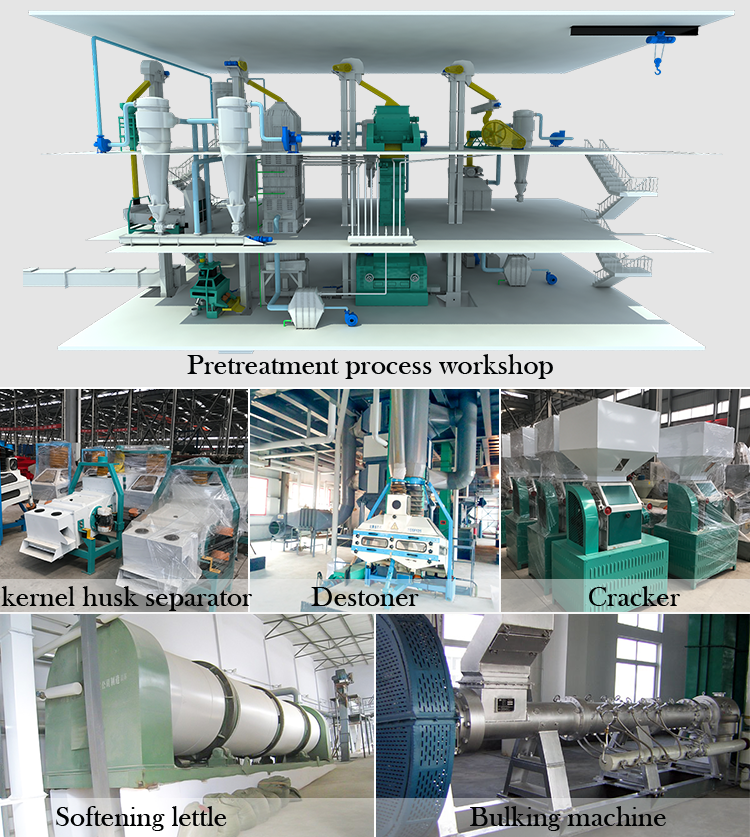
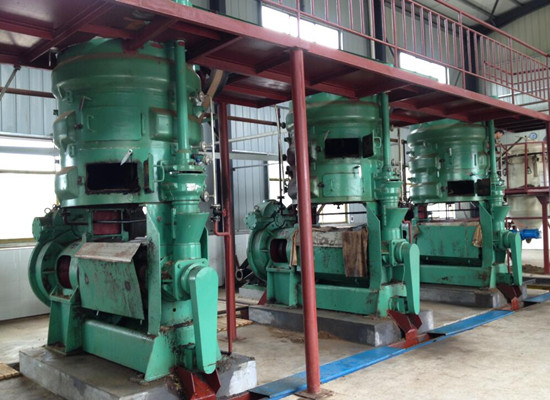
This article systematically analyzes the key points of the entire process from the selection to the operation and maintenance of soybean oil refining machines. It aims to help production enterprises of different scales scientifically match batch, semi - continuous, and continuous refining systems. Whether you're a small - scale producer looking to reduce initial investment or a medium - to - large - sized enterprise seeking to improve automation efficiency, practical advice is provided.
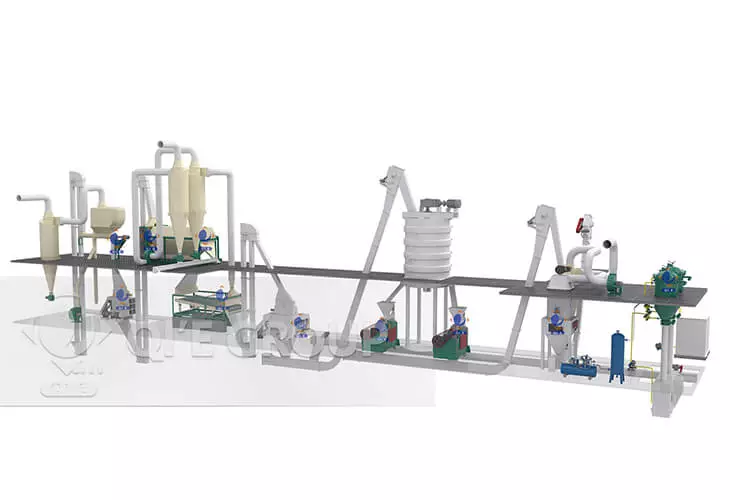
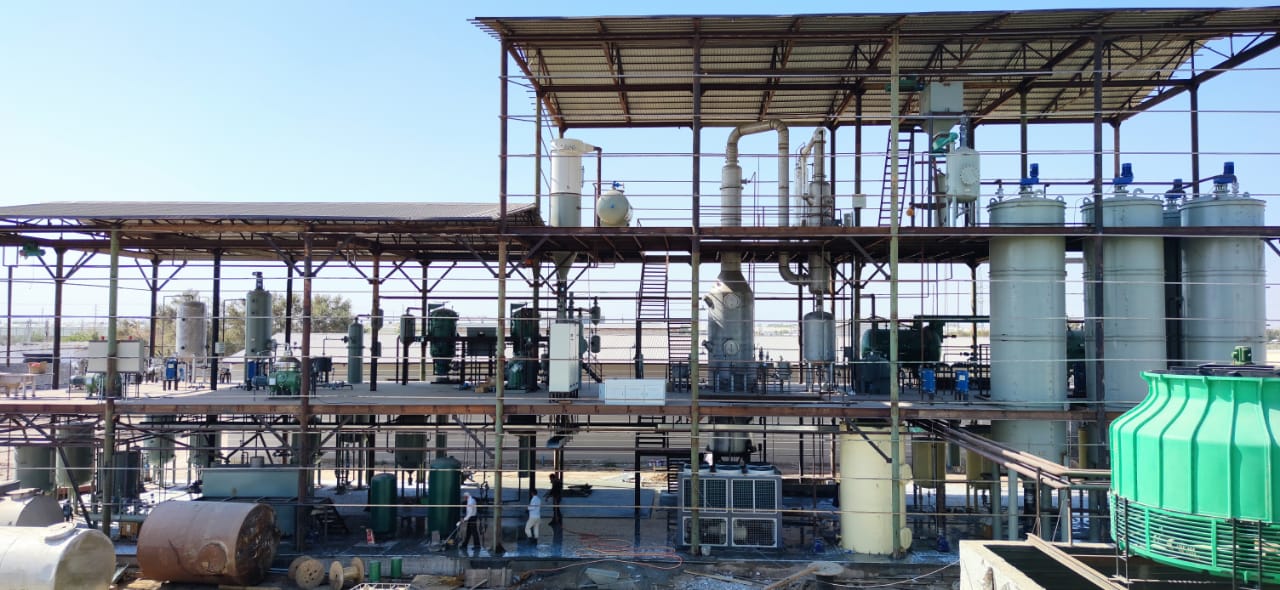
Refining systems can be classified into different scales, from small - batch to ultra - large - scale. Small - batch systems are suitable for start - up enterprises or those with limited production volume. They usually have a lower initial investment, around $50,000 - $100,000, but may require more manual operation. Medium - scale systems, with an investment of approximately $100,000 - $500,000, can meet the needs of growing enterprises, offering a balance between automation and cost. Large - scale and ultra - large - scale systems, which may cost over $500,000, are designed for high - volume production and are highly automated.
When selecting a refining machine, you need to consider several key factors. First, your daily production requirement is crucial. For example, if your daily output demand is less than 10 tons, a small - batch or semi - continuous system may be sufficient. Second, the degree of automation affects labor costs and production efficiency. Higher - end systems can reduce manual intervention and improve product consistency. Third, your investment budget and long - term operating costs, including energy consumption and maintenance expenses, need to be carefully evaluated.
During installation, attention must be paid to technical details such as the flatness of the foundation. The allowable deviation of the foundation flatness should be within ±5mm. Precise pipe connections are also essential to prevent leaks and ensure proper flow of materials. Additionally, strict safety regulations must be followed to protect workers and the equipment.
Regular maintenance is the key to extending the service life of the equipment. The maintenance cycle can be divided into daily, weekly, monthly, and annual maintenance. For example, daily maintenance includes checking the lubrication points, which should be lubricated at least once a day. Monitoring key parameters such as temperature, pressure, and flow rate is also necessary to detect potential problems early.
Common faults in soybean oil refining machines include incomplete degumming, abnormal decolorization, and steam pressure fluctuations. For incomplete degumming, you can check the dosage of degumming agents and the reaction time. In case of abnormal decolorization, the quality of activated carbon and the operating conditions of the decolorization tank should be inspected. Steam pressure fluctuations may be caused by problems with the boiler or the steam pipeline, and a step - by - step troubleshooting process can be used to identify the root cause.
Let's take a medium - sized soybean oil processing plant as an example. By implementing a strict maintenance plan, the plant increased its production capacity by 15% and improved the product quality, reducing the rejection rate from 5% to 2%. This clearly shows the importance of proper equipment maintenance.
To understand more about soybean oil refining equipment solutions, welcome to consult our professional engineer team.
 281
|
281
|
 Energy - saving soybean processing equipment
Large - scale soybean processing
High - efficiency soybean production
Soybean flake equipment
Soybean processing energy - saving solutions
Energy - saving soybean processing equipment
Large - scale soybean processing
High - efficiency soybean production
Soybean flake equipment
Soybean processing energy - saving solutions
 296
|
Soybean Oil Extruder Machine
High Efficiency Soybean Oil Extruder Machine
Soybean Oil Press Machine
Energy Saving Soybean Oil Extruder
Industrial Soybean Oil Extruder
Automatic Soybean Oil Extruder Machine
Soybean Oil Extraction Equipment
Multifunctional Soybean Oil Extruder
Soybean Oil Production Equipment
Soybean Oil Processing Technology
296
|
Soybean Oil Extruder Machine
High Efficiency Soybean Oil Extruder Machine
Soybean Oil Press Machine
Energy Saving Soybean Oil Extruder
Industrial Soybean Oil Extruder
Automatic Soybean Oil Extruder Machine
Soybean Oil Extraction Equipment
Multifunctional Soybean Oil Extruder
Soybean Oil Production Equipment
Soybean Oil Processing Technology
 475
|
multifunctional peanut oil refining equipment
oil mill revenue growth
industrial refining solutions
475
|
multifunctional peanut oil refining equipment
oil mill revenue growth
industrial refining solutions
 249
|
Soybean Oil Process Machine
Soybean Oil Press Machine
Soybean Oil Extraction Machinery
Industrial Soybean Oil Processing Equipment
Soybean Oil Refining Technologies
High Efficiency Soybean Oil Production
Cost-Effective Soybean Oil Machines
Versatile Soybean Oil Processing Equipment
Sustainable Soybean Oil Extraction Solutions
Soybean Meal Processing Machines
249
|
Soybean Oil Process Machine
Soybean Oil Press Machine
Soybean Oil Extraction Machinery
Industrial Soybean Oil Processing Equipment
Soybean Oil Refining Technologies
High Efficiency Soybean Oil Production
Cost-Effective Soybean Oil Machines
Versatile Soybean Oil Processing Equipment
Sustainable Soybean Oil Extraction Solutions
Soybean Meal Processing Machines
 254
|
Soybean Oil Expeller Machine
Soybean Oil Press Machine
High-Yield Soybean Oil Extraction
Industrial Soybean Oil Press
Small Scale Soybean Oil Expeller
Cold Press Soybean Oil Expeller
Hydraulic Soybean Oil Extraction
Soybean Cake Production
Edible Soybean Oil Production
Soybean Oil Filter Machine
254
|
Soybean Oil Expeller Machine
Soybean Oil Press Machine
High-Yield Soybean Oil Extraction
Industrial Soybean Oil Press
Small Scale Soybean Oil Expeller
Cold Press Soybean Oil Expeller
Hydraulic Soybean Oil Extraction
Soybean Cake Production
Edible Soybean Oil Production
Soybean Oil Filter Machine