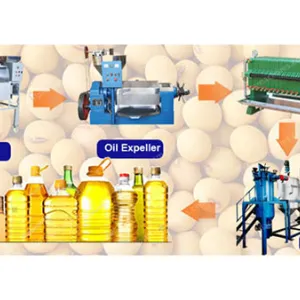
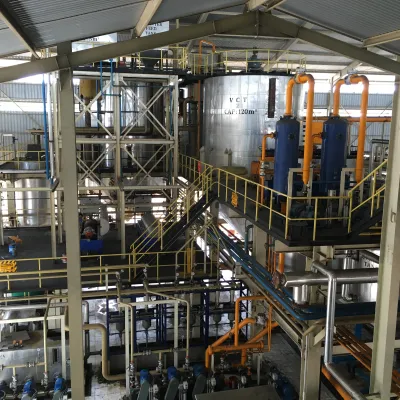
Soybean oil production encompasses a complex multi-stage process designed to maximize extraction efficiency and ensure high-quality output. Central to this process is the pretreatment phase, which primes soybeans for optimal oil recovery. This article delves into each stage of the soybean oil manufacturing workflow, from raw material preparation to oil refining, highlighting the critical technologies and strategies that drive yield improvements and product stability.
The oil extraction efficiency starts with effective pretreatment of soybeans, which includes meticulous cleaning, dehulling, crushing, and flaking.
Typically, pretreatment steps can increase oil yield by 3-5% compared to untreated beans. In industrial settings, cleaning removes up to 2% impurities, while dehulling improves solvent penetration and press extraction capacity.
The two predominant extraction methods have distinct profiles in terms of efficiency, cost, and quality:
| Method | Oil Yield (%) | Advantages | Limitations |
|---|---|---|---|
| Mechanical Pressing | ~75-78% | Lower capital cost, no solvent residues, simpler operation | Lower recovery rate, higher residual oil in meal |
| Solvent Extraction (Hexane) | ~98-99% | High oil recovery, efficient for large-scale production | Requires solvent handling, higher investment, environmental considerations |
Many modern plants adopt a combined approach — mechanical pressing followed by solvent extraction — to balance cost and maximize yield.
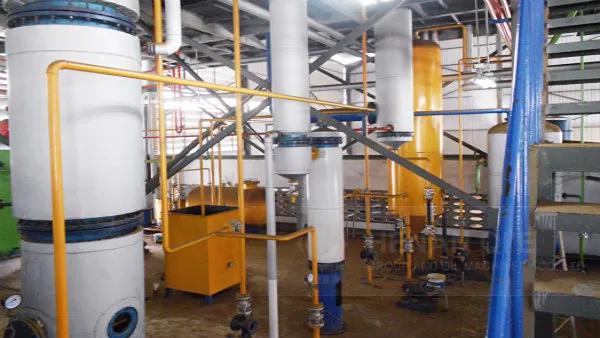
Following extraction, crude soybean oil contains suspended solids, gums, and moisture requiring removal to prevent quality degradation. Filtration methods typically include:
Effective filtration preserves oil stability and prepares the crude for the subsequent refining steps.
Refining transforms crude soybean oil into a market-ready product by removing undesirable components while retaining beneficial nutrients. The core refining stages include:
| Refining Step | Purpose | Key Effects on Oil |
|---|---|---|
| Degumming (Dephosphorization) | Remove phospholipids and gums | Improves stability, reduces haze |
| Neutralization | Eliminate free fatty acids | Prevents rancidity, improves taste |
| Bleaching | Remove pigments and trace metals | Lightens color, extends shelf life |
| Deodorization | Strip volatile odors and off-flavors | Enhances flavor profile |
| Winterization | Remove waxes and high-melting components | Prevents cloudiness at low temperatures |
Each refining step demands precise control of temperature, timing, and chemical dosing to balance quality and minimize oil losses, with potential yield losses typically ranging from 2-4%.
Residual soybean meal, rich in protein, emerges as a significant byproduct. Optimal oil extraction enhances meal quality by reducing residual oil content, thus increasing market value for animal feed and other applications. Efficient strain and drying techniques ensure the meal maintains high nutritional and economic value.
Improving pretreatment and extraction processes not only elevates oil output but also enhances the overall economics by upgrading byproduct quality, presenting a dual avenue for cost-efficiency.
Ready to elevate your soybean oil production with cutting-edge processing techniques? Discover tailored solutions to maximize oil yield and product quality today.
What challenges have you encountered in optimizing your soybean oil extraction process? Which refining step demands the most precision in your experience, and how do you mitigate associated risks? Share your thoughts and tips to foster industry-wide learning!