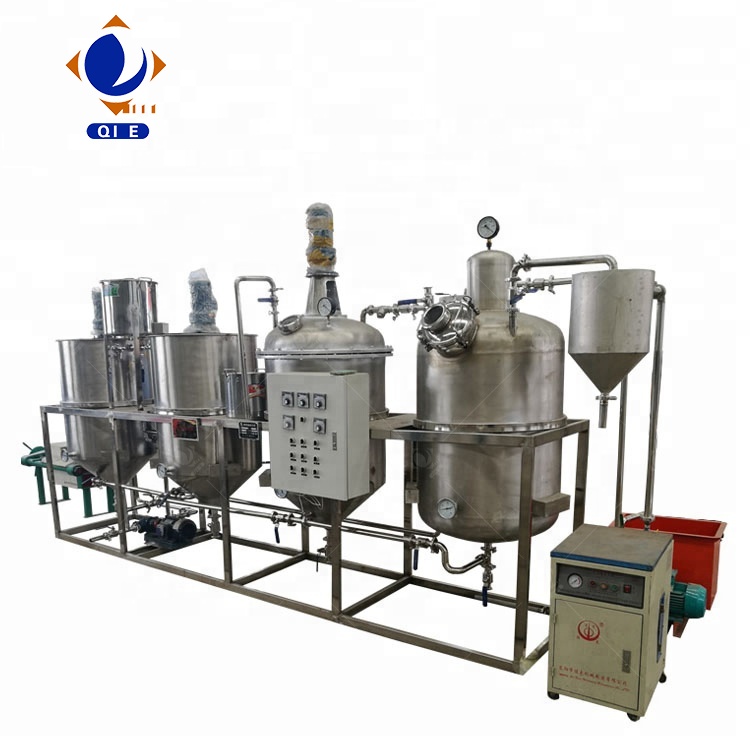
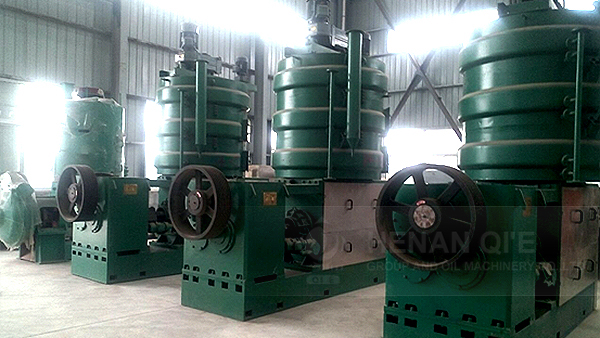
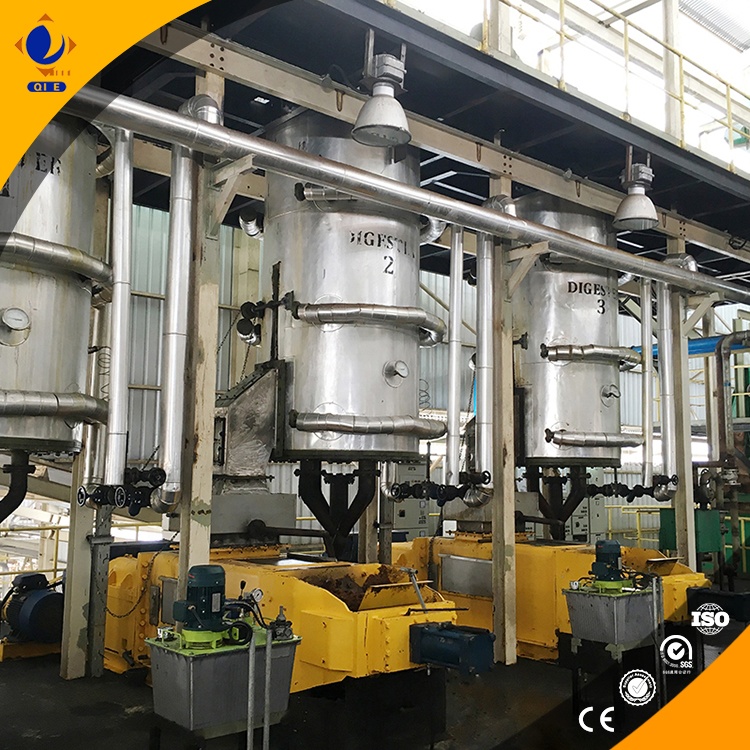
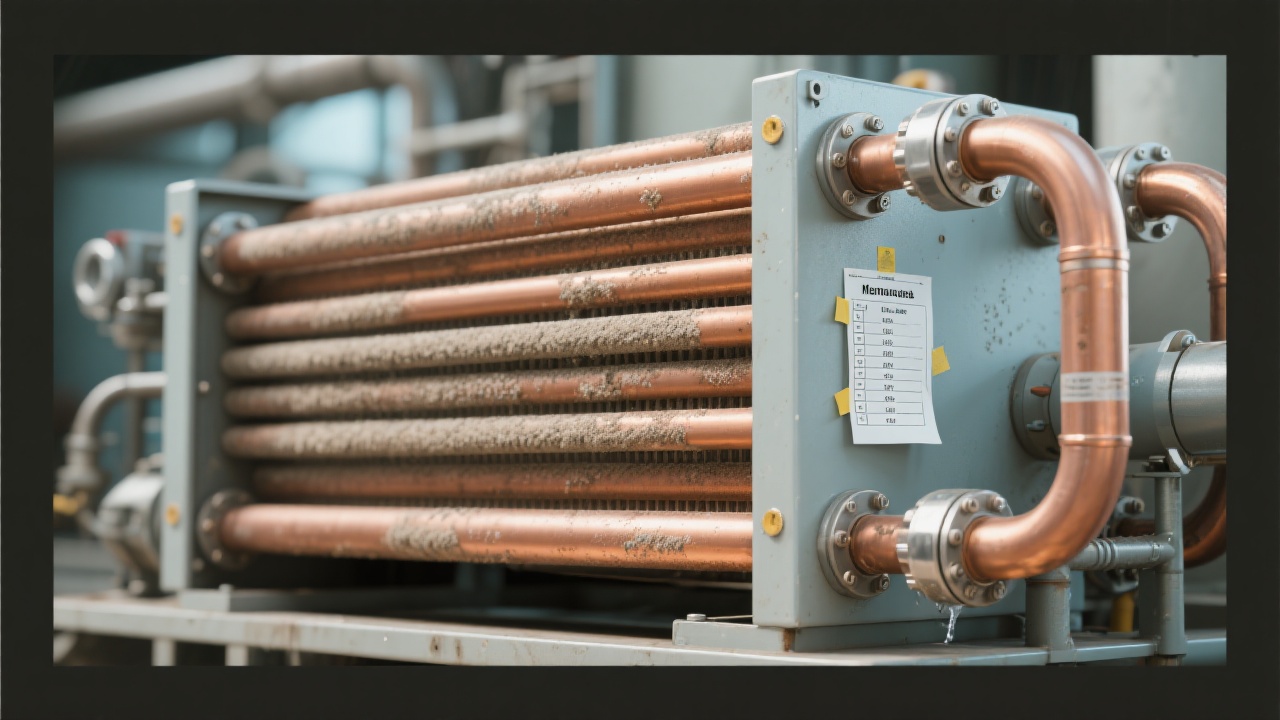
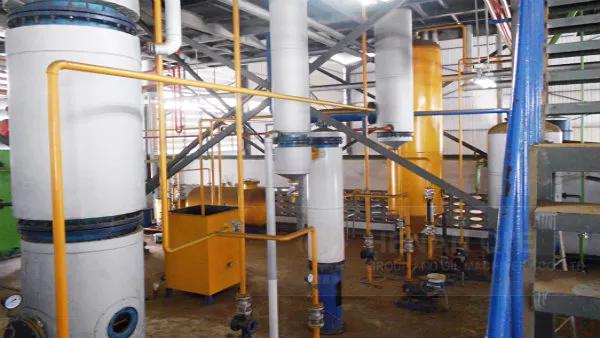
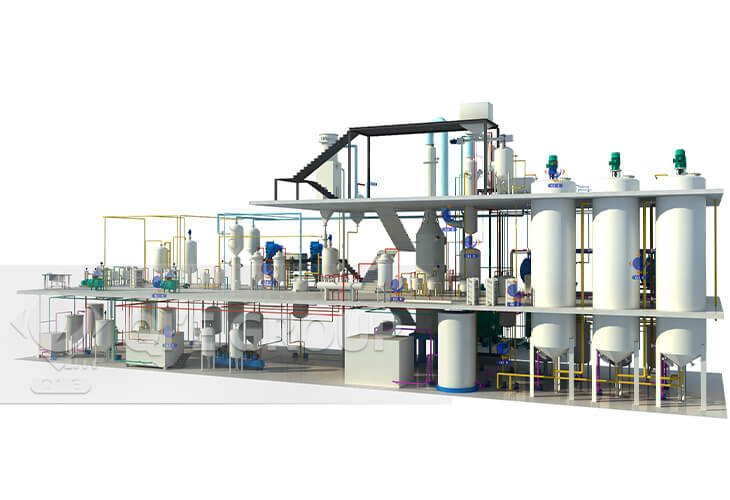
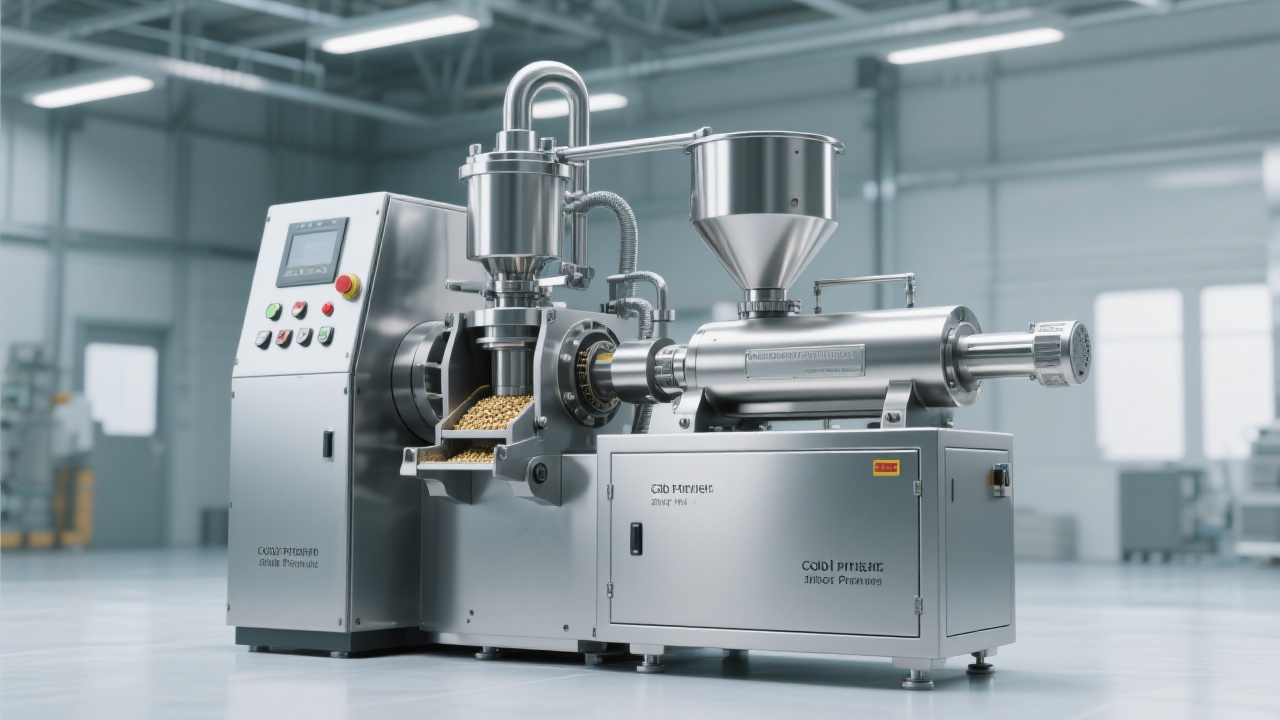
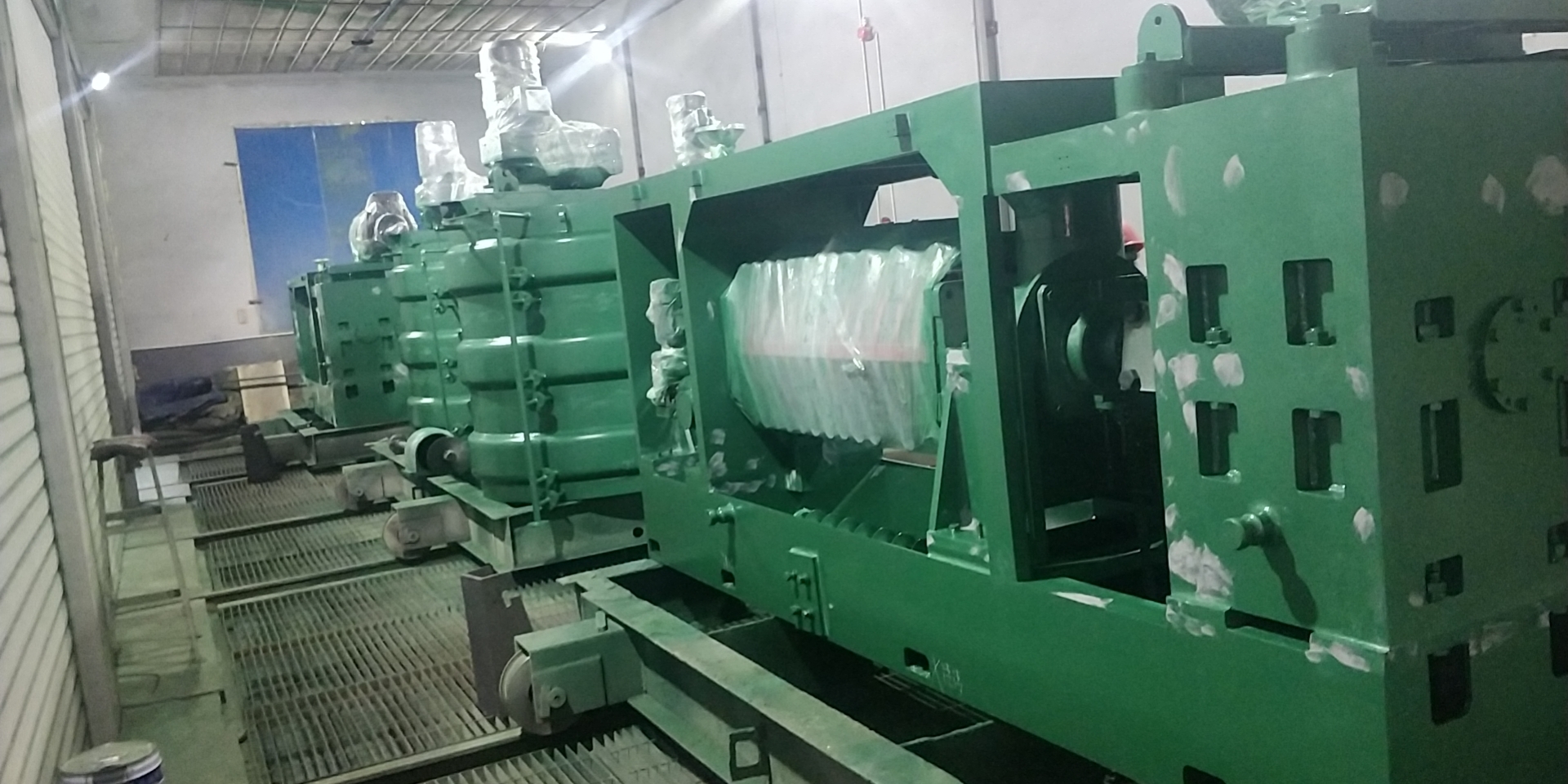
In the global edible oil market, where quality standards are rising faster than ever—especially in EU, Middle East, and North America—how you refine your soybean oil can make or break your export success. This article dives into the real-world differences between continuous and batch refining systems, backed by industry data, case studies, and practical insights for producers aiming to scale sustainably.
When exporting soybean oil, buyers don’t just look at price—they scrutinize key parameters:
Based on a 2023 study from the International Oilseed Processing Association (IOPA), continuous refining systems outperform batch processes in three critical areas:
| Metric | Continuous System | Batch System |
|---|---|---|
| Consistency (CV%) | ≤ 2% | ≥ 8% |
| Energy Use per Ton | ~ 18 kWh | ~ 28 kWh |
| Throughput Capacity | Up to 100 MT/day | 30–60 MT/day |
Take the example of a Vietnamese processor who switched from batch to continuous refining in 2022. Within six months, their FFA dropped from 0.3% to 0.07%, and they secured contracts with two major European importers previously hesitant due to inconsistent quality.
The next frontier? Integration of online analyzers (like NIR spectrometers) and PLC-based control systems. According to a recent survey by Food Engineering Magazine, 73% of top-tier exporters now use automated pH and moisture sensors during neutralization steps—which cuts human error by over 60% and reduces rework costs significantly.
For companies serious about expanding into high-value markets like Japan, Germany, or Saudi Arabia, choosing the right refining system isn’t just about efficiency—it’s about building trust through consistent, traceable, and compliant output.
Ready to Upgrade Your Soybean Oil Refining Process?
Explore our certified continuous refining solutions designed for export-ready quality, energy savings, and seamless integration with existing lines.
Get a Free Process Audit Today
 210
|
210
|
 Soybean Oil Press
African Market
Small and Medium Enterprises
Soybean Oil Press
African Market
Small and Medium Enterprises
 199
|
soybean oil bleaching process
temperature control in oil refining
oil refining optimization
soybean oil production efficiency
industrial oil processing techniques
199
|
soybean oil bleaching process
temperature control in oil refining
oil refining optimization
soybean oil production efficiency
industrial oil processing techniques
 299
|
soybean oil production
oil manufacturing process
299
|
soybean oil production
oil manufacturing process
 390
|
soybean oil factory
multi-step production process
soybean oil production
oil yield
efficient oil extraction
390
|
soybean oil factory
multi-step production process
soybean oil production
oil yield
efficient oil extraction
 398
|
soybean oil mill
oilseed processing
oil extraction rate
customizable production
multi-functional oil mill
398
|
soybean oil mill
oilseed processing
oil extraction rate
customizable production
multi-functional oil mill