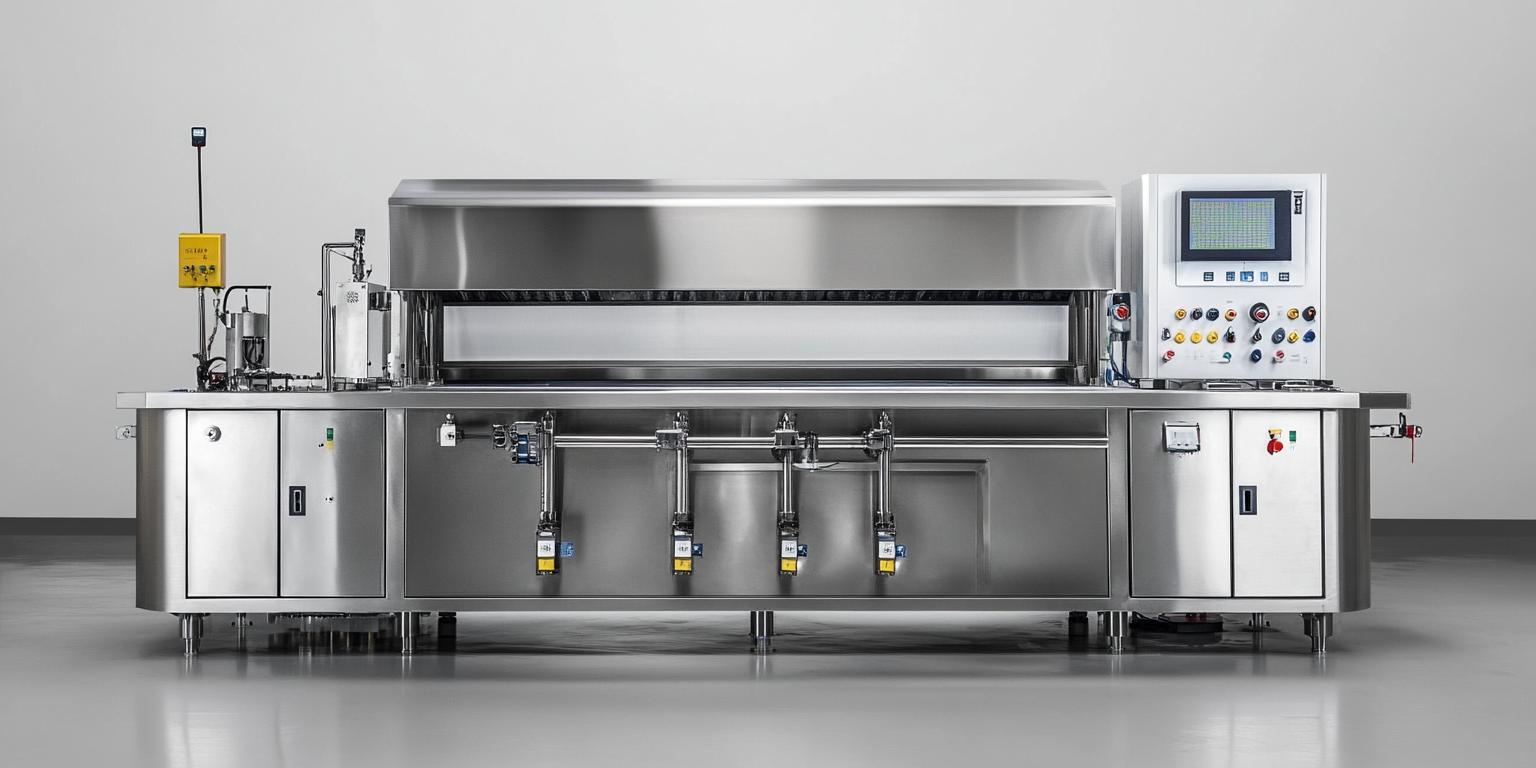
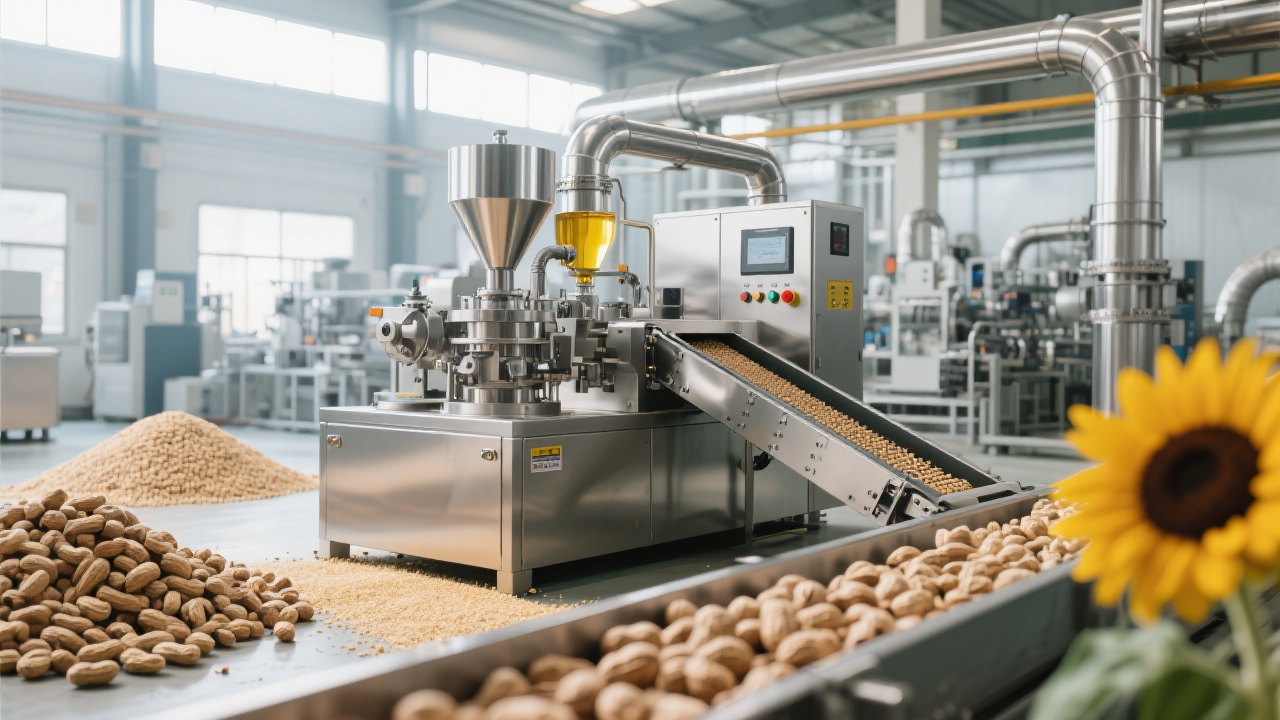
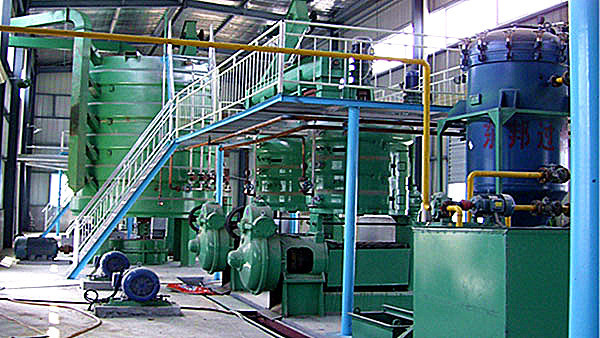
In today's highly competitive peanut oil production industry, the automation of equipment has become a crucial factor in enhancing production efficiency and product quality. This article delves into the automated process of the multi - functional peanut oil pressing and refining equipment of QIE Group, focusing on the key technical control points in three core aspects: raw material processing, mechanical pressing, and oil refining.
The first step in the peanut oil production process is raw material pretreatment. High - quality peanuts are the foundation for producing excellent peanut oil. Data shows that using peanuts with a moisture content of about 8% - 10% can significantly improve the oil extraction rate. During the pretreatment process, peanuts need to be cleaned to remove impurities such as stones, soil, and broken shells. According to industry statistics, the impurity content in peanuts should be controlled within 0.5% to ensure the smooth progress of subsequent processes.
One of the important operations in raw material pretreatment is peeling. Peeling can not only improve the quality of peanut oil but also reduce the wear of equipment. A study indicates that after peeling, the oil extraction rate can be increased by about 2% - 3%. Additionally, roasting is a key step. Roasting peanuts at an appropriate temperature (usually around 130 - 150°C) can make the oil cells in peanuts more easily broken, thereby increasing the oil yield. As an industry expert once said, 'Proper raw material pretreatment is the key to unlocking high - quality peanut oil production.'

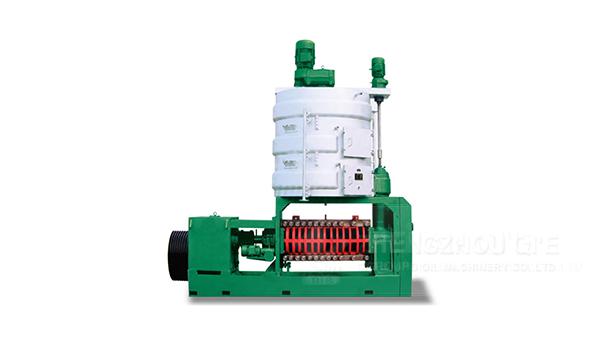
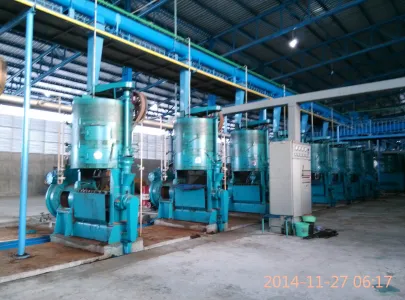
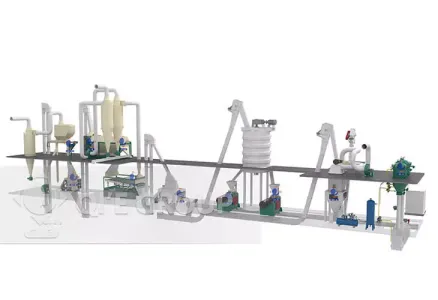
Mechanical pressing is the core step in peanut oil production. The peanut oil pressing equipment of QIE Group adopts an advanced mechanical pressing system, which can ensure high - efficiency oil extraction. The pressing process is mainly divided into two stages: pre - pressing and full - pressing. In the pre - pressing stage, about 70% - 80% of the oil in peanuts can be extracted, and the remaining oil is further extracted in the full - pressing stage.
The design of the pressing chamber and the pressure control are crucial. The unique design of the pressing chamber of QIE Group equipment can ensure uniform pressure on peanuts, improving the oil extraction rate. Data shows that with the optimized pressing chamber design, the oil extraction rate can reach up to 45% - 50%, which is significantly higher than the industry average of about 40%. Moreover, the equipment's automation control system can accurately adjust the pressing pressure according to the characteristics of peanuts, ensuring stable and efficient production.
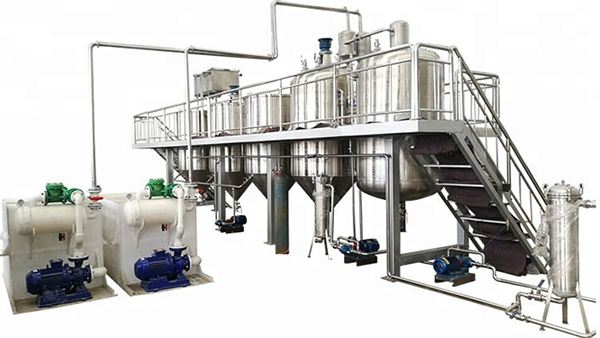
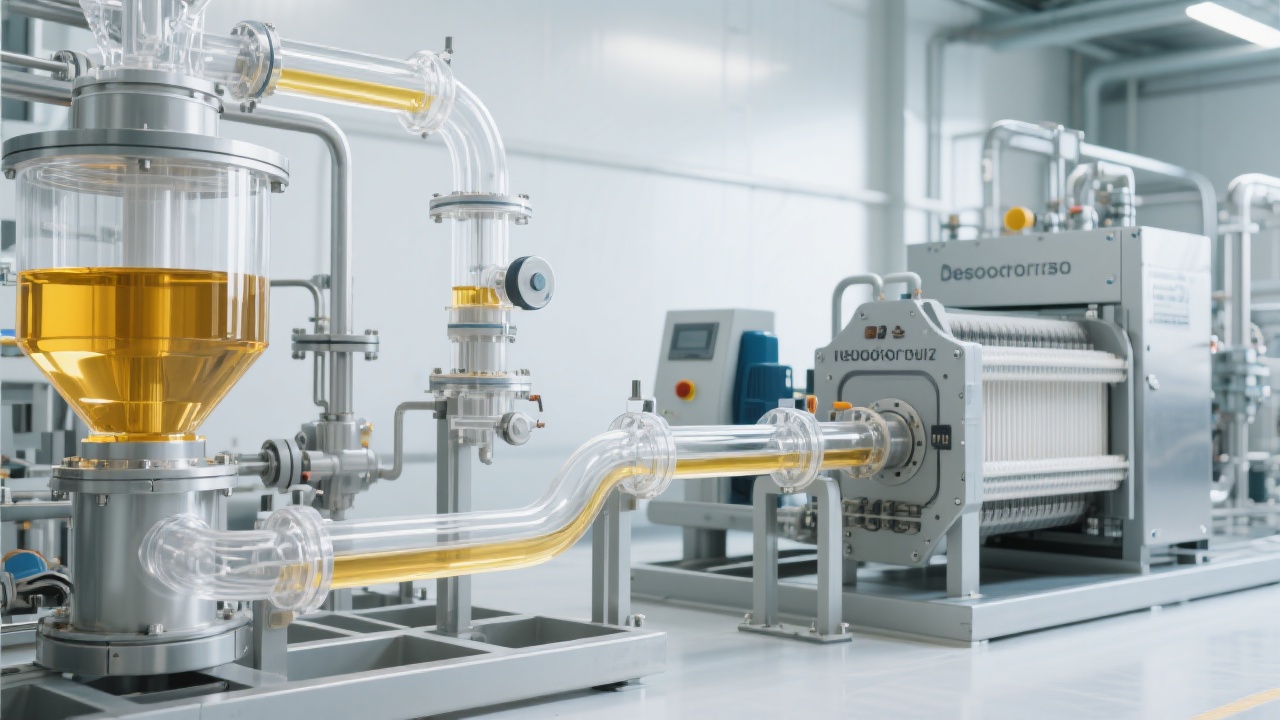
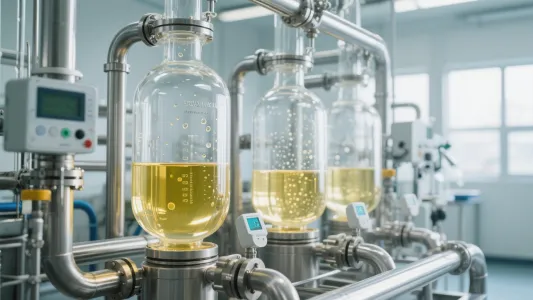
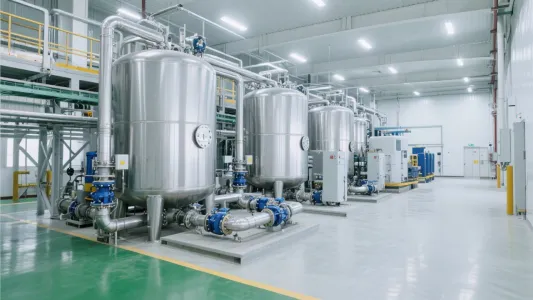
After mechanical pressing, the crude peanut oil needs to be refined. Refining can remove impurities, free fatty acids, pigments, and odors in the crude oil, thereby improving the quality and stability of peanut oil. The refining process mainly includes degumming, deacidification, decolorization, and deodorization.
In the degumming process, phospholipids and other impurities in the crude oil are removed by adding water or phosphoric acid. The deacidification process can neutralize free fatty acids in the oil, usually by adding alkali. Decolorization is achieved by using activated carbon or bleaching earth to adsorb pigments in the oil. Deodorization is carried out at high temperatures under vacuum conditions to remove odorous substances. According to industry standards, the acid value of refined peanut oil should be less than 0.3mgKOH/g, and the peroxide value should be less than 0.25g/100g.

In actual production, there are some common operational mistakes. For example, some enterprises may ignore the importance of raw material quality control, resulting in low oil extraction rates and poor product quality. Another common mistake is improper control of process parameters during pressing and refining, which may lead to problems such as excessive oil loss and unstable product quality.
To address these issues, enterprises should establish strict raw material acceptance standards, strengthen the training of operators, and make full use of the automation control system of the equipment. By optimizing the process parameters, enterprises can improve the oil extraction rate and product quality. For instance, adjusting the roasting time and temperature according to the variety of peanuts can effectively increase the oil yield.
The peanut oil pressing equipment of QIE Group features an integrated automatic control system, which offers high efficiency, energy - saving, and stability. The equipment has a high degree of automation, reducing labor costs and improving production efficiency. In terms of energy - saving, compared with traditional equipment, it can save about 15% - 20% of energy consumption.
Regular equipment maintenance is essential to ensure its long - term stable operation. Enterprises should establish a sound equipment maintenance system, conduct regular inspections, and replace worn - out parts in a timely manner. For example, the screw shaft in the pressing chamber needs to be inspected regularly for wear, and it should be replaced when the wear reaches a certain degree to ensure the normal operation of the equipment.
In conclusion, the automated peanut oil pressing equipment of QIE Group provides reliable technical support and operational reference for medium - and large - scale peanut oil processing enterprises and professional users. By understanding and mastering the key control points in the production process, enterprises can improve production efficiency, enhance oil extraction rates, and produce high - quality peanut oil.
Discover More about Our Advanced Peanut Oil Pressing Equipment
 434
|
434
|
 soybean oil processing equipment
energy-efficient oil extraction
food-grade soybean oil
sustainable vegetable oil production
high-quality oil refining
soybean oil processing equipment
energy-efficient oil extraction
food-grade soybean oil
sustainable vegetable oil production
high-quality oil refining
 251
|
soybean oil refining
free fatty acid reduction
edible oil quality improvement
alkali refining optimization
oil processing technology
251
|
soybean oil refining
free fatty acid reduction
edible oil quality improvement
alkali refining optimization
oil processing technology
 269
|
Soybean Oil Plant
Soybean Oil Press Machine
Soybean Oil Extraction Process
Small-Scale Soybean Oil Plant
Medium-Scale Soybean Oil Plant
Large-Scale Soybean Oil Plant
Edible Soybean Oil Production
Soybean Meal Processing
Biodiesel from Soybean Oil
Soybean Oil Refining
269
|
Soybean Oil Plant
Soybean Oil Press Machine
Soybean Oil Extraction Process
Small-Scale Soybean Oil Plant
Medium-Scale Soybean Oil Plant
Large-Scale Soybean Oil Plant
Edible Soybean Oil Production
Soybean Meal Processing
Biodiesel from Soybean Oil
Soybean Oil Refining
 302
|
Soybean oil refining
Degumming process
Neutralization step
Bleaching technology
Deodorization process
302
|
Soybean oil refining
Degumming process
Neutralization step
Bleaching technology
Deodorization process
 173
|
customized vegetable oil production line
oilseed preprocessing equipment
high ROI vegetable oil processing
173
|
customized vegetable oil production line
oilseed preprocessing equipment
high ROI vegetable oil processing