What Is an Edible Oil Production Line? From Raw Material Processing to Finished Oil
2026-08-15
Qi'e Grain and Oil Machinery Co., Ltd.
Concept Explanation
Learn how an edible oil production line works, from oilseed cleaning and pretreatment to pressing or extraction, refining, and filling. Qi'e Grain and Oil Machinery outlines the key processes and equipment considerations for project planning.
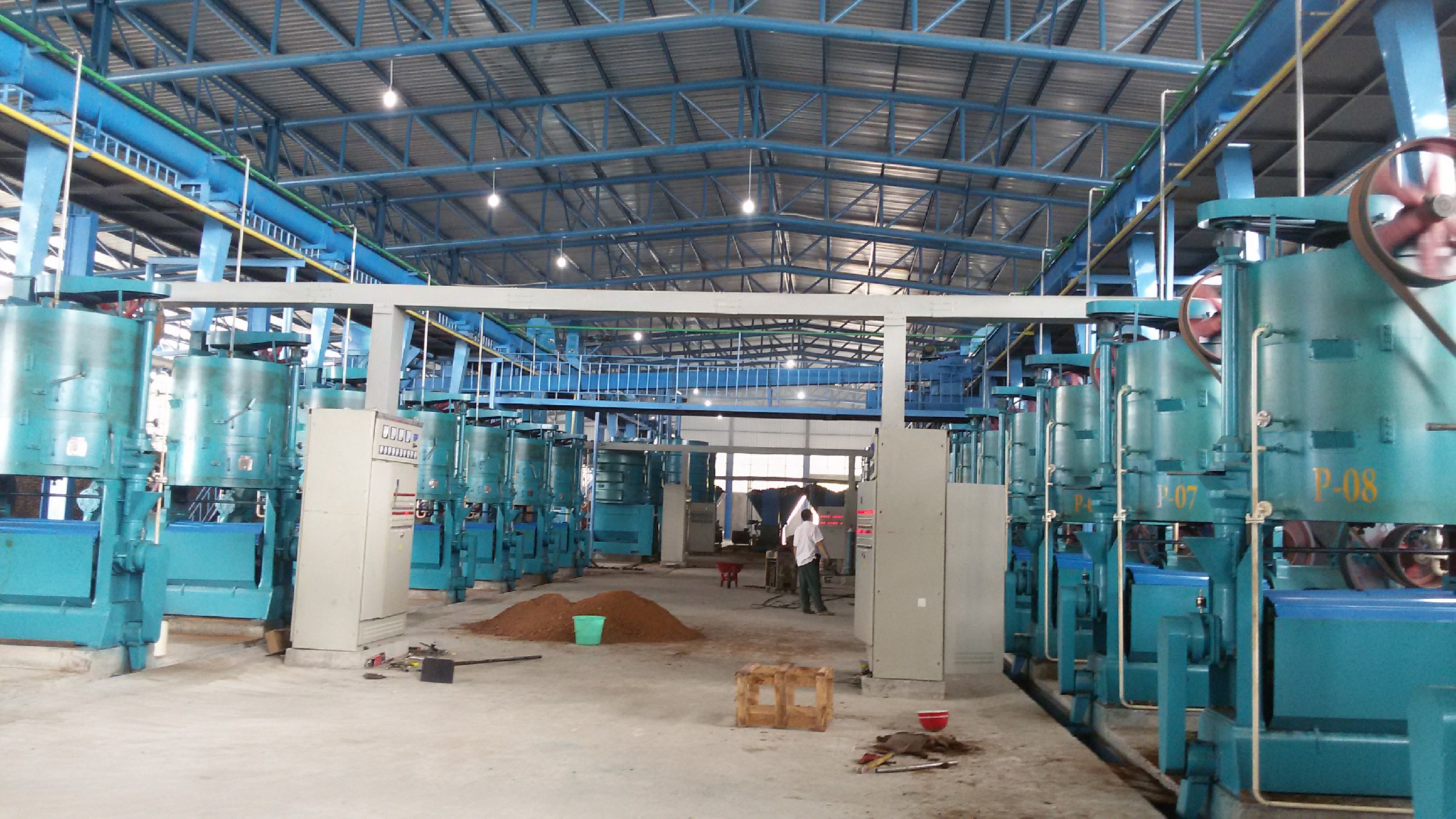
An edible oil production line is an integrated processing system that converts oil-bearing raw materials into finished edible oil. Depending on the oilseed, production capacity, processing route, and required finished-oil standard, the line may include cleaning, pretreatment, pressing or solvent extraction, oil refining, and filling. Each stage should be selected and connected as part of a coordinated process rather than as isolated equipment.
How an Edible Oil Production Line Works
The purpose of an edible oil production line is to handle raw oilseeds efficiently, separate oil from the oil-bearing material, and process crude oil into a product suitable for the intended market and application. The process arrangement differs for soybean, palm kernel, sunflower seed, and other oil-bearing materials, but the overall production logic follows a clear sequence.
Typical process route:
Oilseed receiving and cleaning → pretreatment → pressing or extraction → crude oil handling → refining → finished oil storage and filling
Core Processing Stages and Equipment Considerations
1. Oilseed Cleaning and Preparation
Raw materials can contain dust, stones, metal particles, shells, and other impurities. Cleaning equipment is used to improve material handling conditions and help protect downstream machinery. The preparation stage may also include sorting, dehulling, crushing, flaking, conditioning, or cooking, according to the characteristics of the selected oilseed and the planned processing method.
2. Oilseed Pretreatment
Pretreatment prepares oil-bearing material for effective oil separation. Proper crushing, flaking, moisture adjustment, and heating can support a stable pressing or extraction process. Pretreatment equipment should be matched to the raw material condition, including seed size, hardness, oil content, moisture level, and whether hull removal is required.
3. Mechanical Pressing or Solvent Extraction
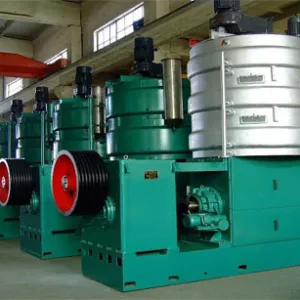
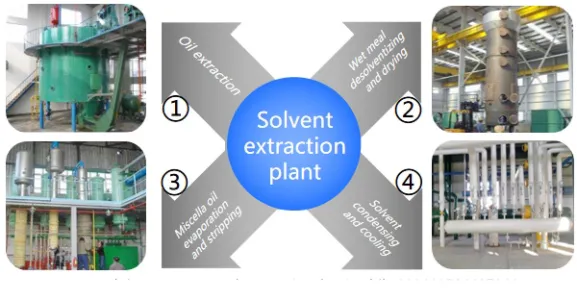
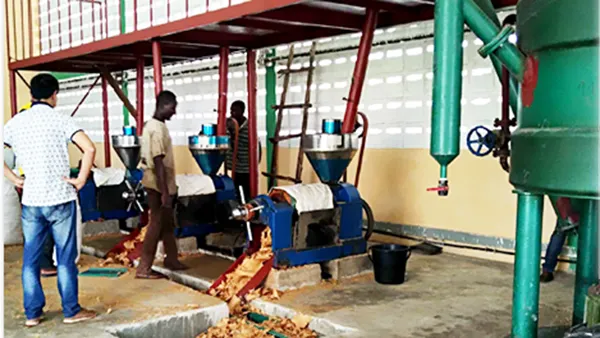
Oil separation is commonly achieved through mechanical pressing, solvent extraction, or a combination of both. Mechanical oil pressing equipment is used to express oil from prepared material. For process routes where extraction is selected, solvent extraction equipment is used to recover oil from suitable oil-bearing material or press cake. The appropriate route depends on the oilseed type, production objective, operational requirements, and project configuration.
4. Crude Oil Handling and Refining
Oil obtained after pressing or extraction may contain suspended solids and naturally occurring components that require further treatment. Edible oil refining equipment is used as part of a refining process designed around the crude oil condition and the required finished-oil standard. Refining configuration should be considered together with upstream processing, storage, utilities, and the final product specification.
5. Finished Oil Storage and Filling
After refining, finished oil can be transferred to storage and filling systems appropriate for the planned packaging format and plant workflow. This final stage should be arranged with attention to material transfer, storage management, hygienic operation, and the connection between finished oil handling and packaging operations.
Choosing the Right Production Line Configuration
There is no single configuration suitable for every edible oil project. A practical production line design begins with the processing target and then aligns each equipment section with the material and operational requirements.
| Planning Factor |
Why It Matters |
Related Process Area |
| Oilseed type |
Material properties influence cleaning, preparation, and oil separation requirements. |
Cleaning and pretreatment |
| Required capacity |
Capacity affects equipment sizing, material flow, storage, and line coordination. |
Entire production line |
| Processing method |
The selected route determines whether pressing, extraction, or combined processing is considered. |
Oil separation |
| Finished oil requirement |
The intended product standard guides refining and finished-oil handling decisions. |
Refining and filling |
| Site and utility conditions |
Available space and supporting conditions influence layout and equipment integration. |
Plant design and installation planning |
Integrated Equipment for Oil Processing Projects
An integrated approach helps connect material preparation, oil separation, refining, and finished-oil handling into a more coherent plant workflow. In addition to the main production equipment, project planning should consider the interfaces between process sections, material transfer, installation requirements, and ongoing technical support.
- Oilseed pretreatment equipment for cleaning, crushing, conditioning, and related preparation steps.
- Oil pressing equipment for mechanical oil production processes.
- Solvent extraction equipment for applicable extraction-based process routes.
- Edible oil refining equipment for crude oil treatment and finished-oil quality planning.
- Supporting production line equipment for process connection, handling, storage, and filling arrangements.
A Project-Focused Approach to Edible Oil Processing
Qi'e Grain and Oil Machinery Co., Ltd. develops and supplies oil pressing equipment, oil production line equipment, and edible oil refining equipment for B2B processing projects. For a production line assessment, the most useful starting information includes the intended raw material, target processing capacity, preferred processing method, site conditions, and required finished-oil standard. This allows the equipment configuration to be evaluated as a complete edible oil production process.












.jpg)

