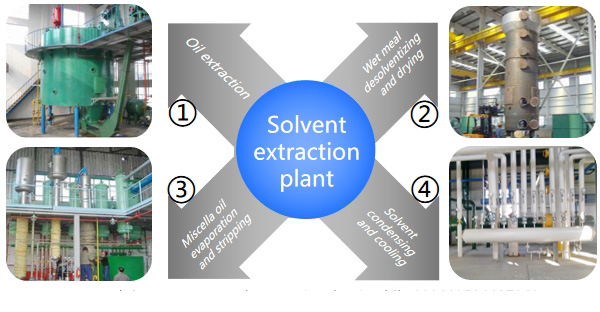
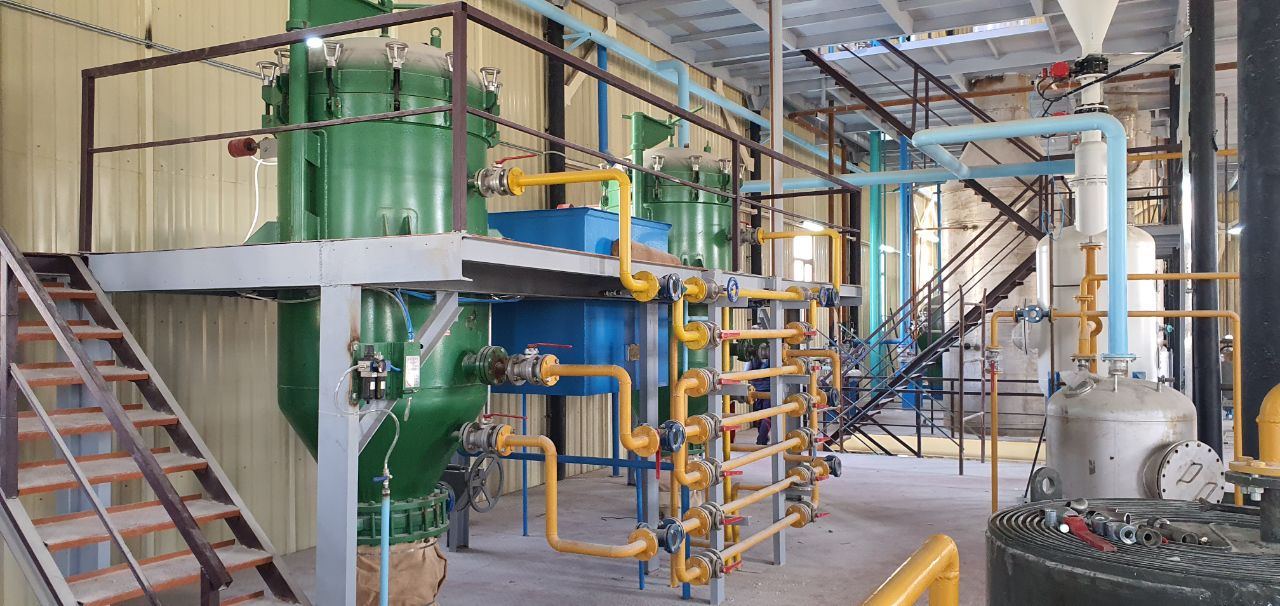
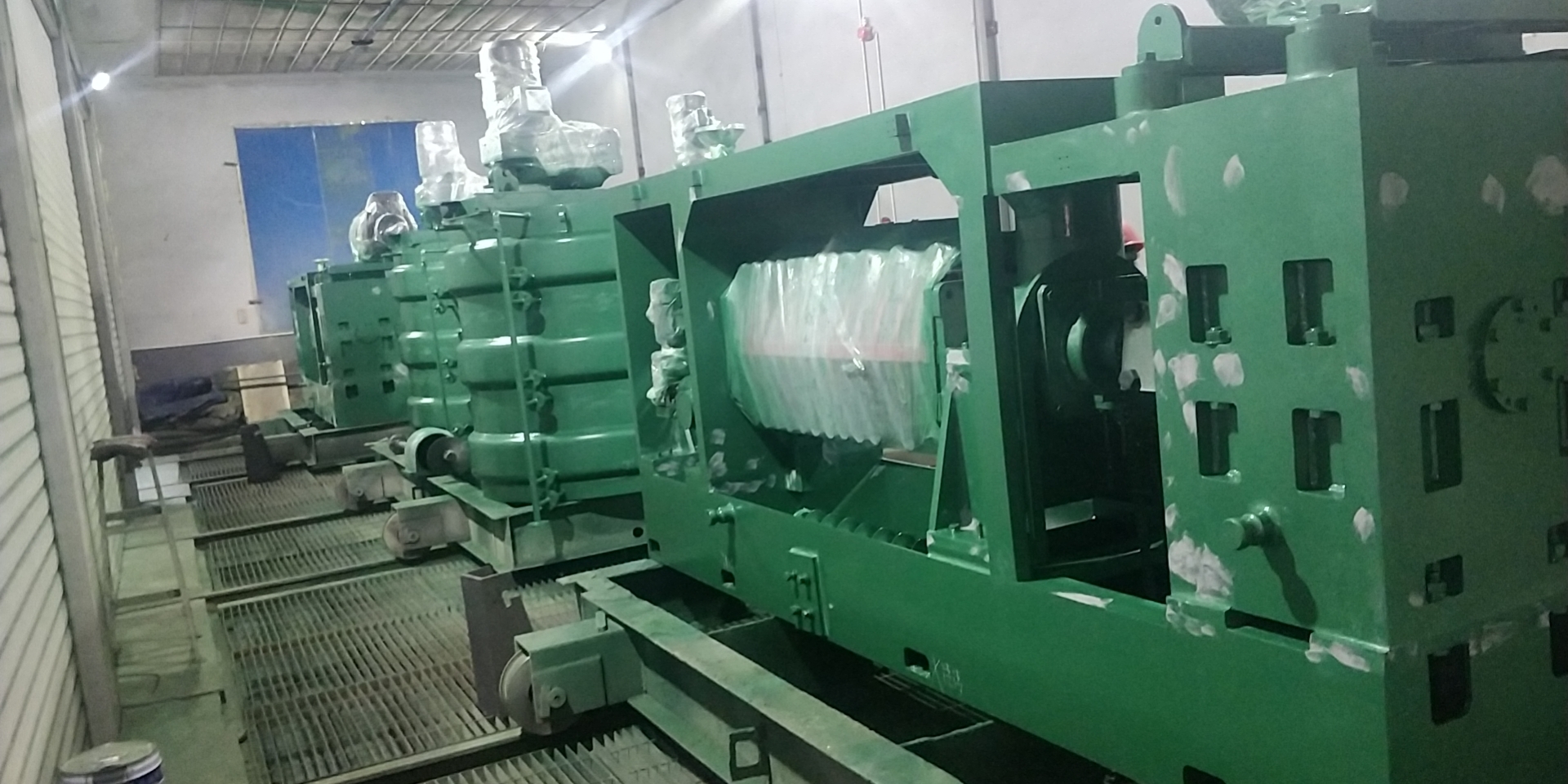
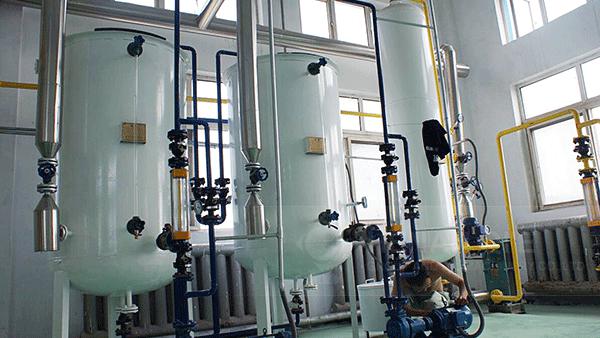
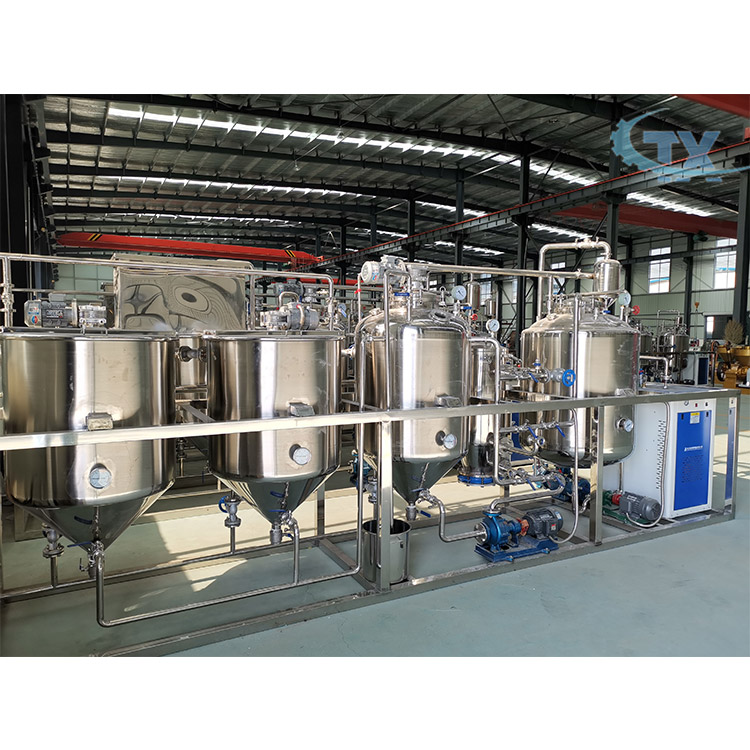
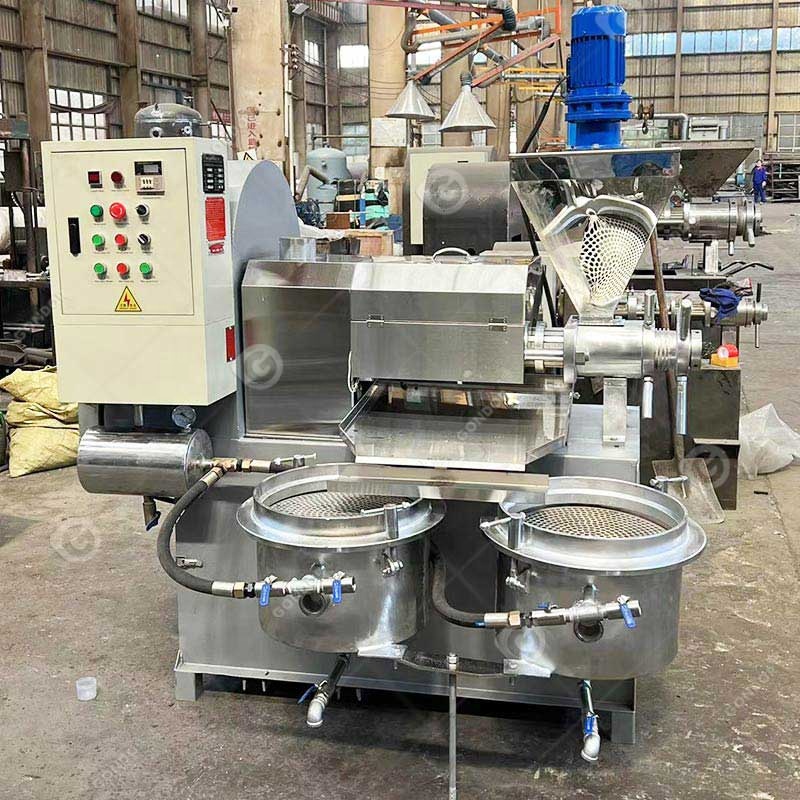
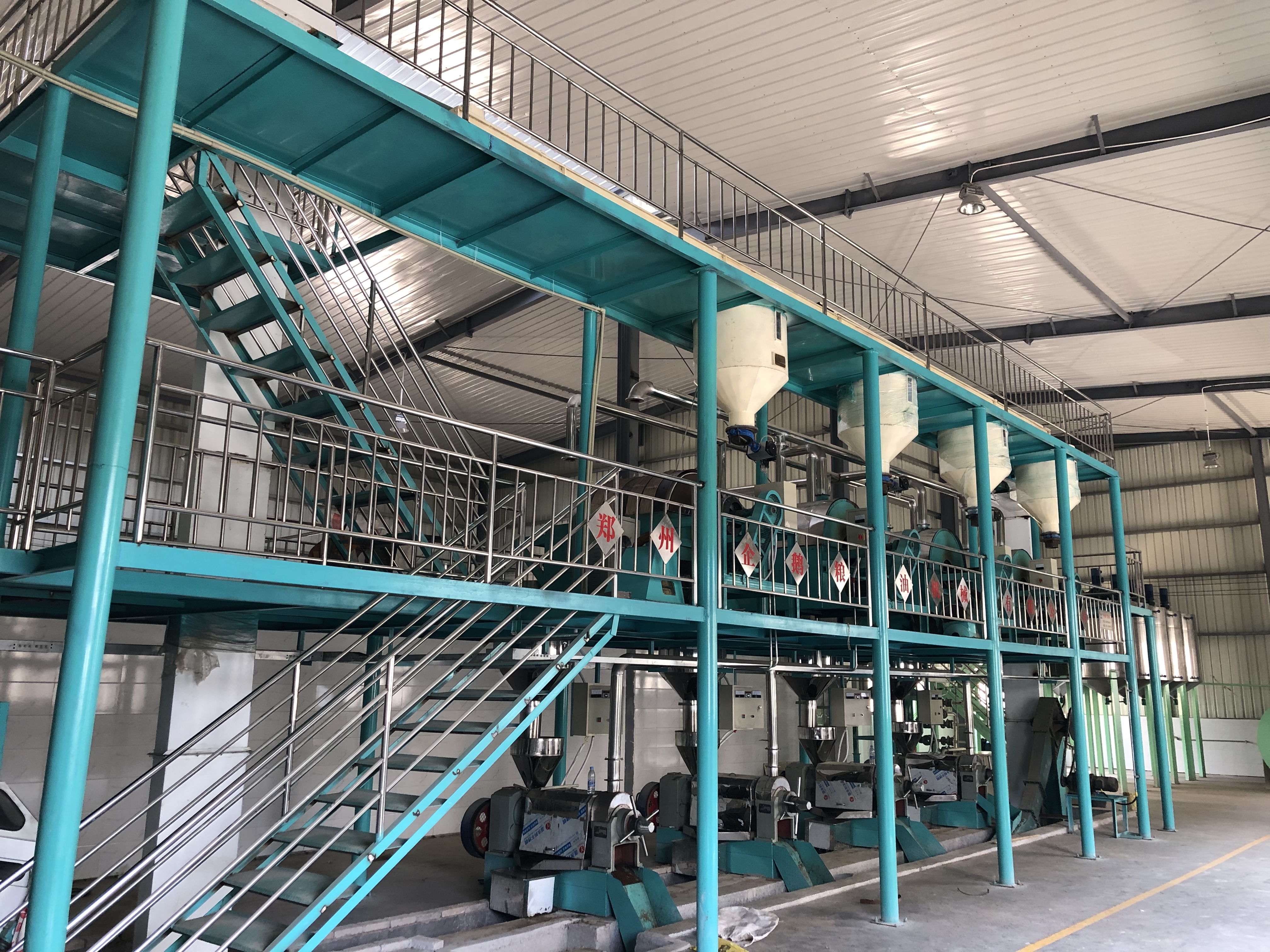
Selecting the right edible oil refining equipment is rarely a “capacity-only” decision. For technical leaders and procurement teams, a good choice aligns daily throughput, oil type, quality target, energy strategy, and automation level—and avoids the hidden costs that appear after commissioning. This guide explains how to build a scientific procurement decision using practical criteria, typical technical parameters, and on-site operating realities—especially when comparing continuous refining systems versus batch refining systems.
1) Continuous vs. Batch Refining: What Really Changes in Production
How continuous refining works (typical industrial flow)
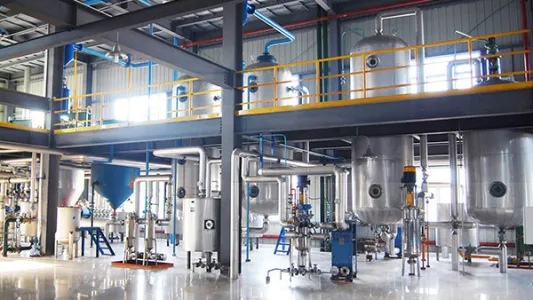
Continuous edible oil refining usually integrates degumming/neutralization, bleaching, and deodorization in a steady-state flow. Oil moves through heat exchangers, mixers, vacuum sections, and filters with tightly controlled residence time. This delivers stable quality and higher overall efficiency when run at near-design load.
- Best fit: medium-to-large plants running long shifts, consistent oil type, strict quality specs.
- Strengths: stable product, lower labor per ton, efficient energy integration (heat recovery).
- Trade-offs: higher capex, higher engineering/installation requirement, less flexible for frequent product changeovers.
How batch refining works (why it stays popular)
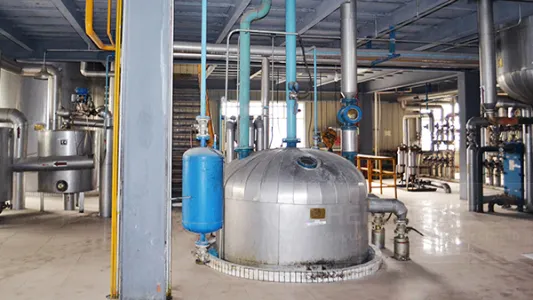
Batch refining processes oil in discrete lots inside tanks/reactors, typically with heating coils/jackets, agitation, dosing, and filtration. The operator can adjust recipes (chemical dosing, bleaching earth rate, temperature profiles) per batch—useful when crude oil quality fluctuates or multiple products are made.
- Best fit: small-to-mid plants, multiple oil types, seasonal raw material variance, R&D or product trials.
- Strengths: recipe flexibility, simpler upgrade path, lower initial complexity.
- Trade-offs: higher labor dependency, quality variation between batches, lower energy integration potential.
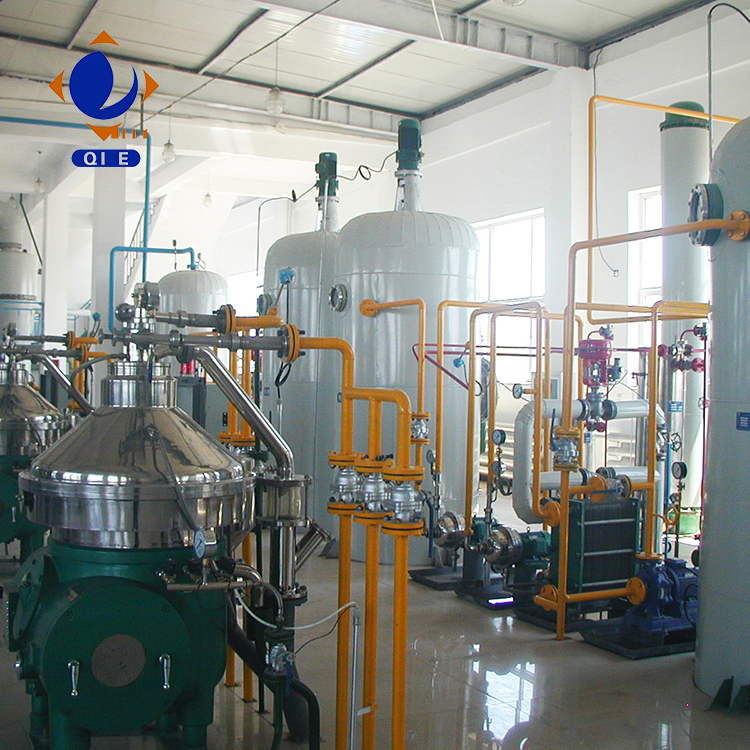
2) Core Refining Equipment Technical Parameters (What Procurement Should Ask For)
A robust edible oil refining equipment selection process uses measurable parameters. The goal is to prevent “paper capacity” and ensure the installed line hits the required throughput and quality under real conditions (raw material variability, ambient temperature, utilities, operator skill).
| Parameter | Typical reference range | Why it matters in selection |
|---|---|---|
| Throughput (TPD) | 5–50 TPD (batch); 50–1,000+ TPD (continuous) | Defines equipment sizing, heat exchanger area, vacuum capacity, filtration capacity. |
| Heating method | Thermal oil / steam; indirect heat recovery | Impacts controllability, safety, energy cost, and final deodorization stability. |
| Deodorization temperature | 180–260°C (oil & spec dependent) | Affects odor removal, stability, and risk of thermal degradation. |
| Vacuum level | ~2–6 mbar (typical deodorization systems) | Key for stripping efficiency and protecting oil quality at lower temperature/time. |
| Automation (PLC/SCADA) | Recipe control; trending; alarms; remote support | Reduces human error, improves repeatability, supports traceability and audits. |
| Energy use (benchmark) | ~80–140 kWh/ton (site & configuration dependent) | Directly impacts operating cost; heat recovery can reduce total energy by ~10–25%. |
Note: Ranges above are practical references used in engineering discussions. Final figures depend on crude oil quality (FFA, phospholipids, trace metals), product spec, utilities, and deodorizer design.
3) A Scientific Selection Method: Match Line Design to Plant Reality
Step A — Define the “real” capacity requirement
Instead of asking for “100 TPD,” define: operating days/year, shifts/day, and planned uptime. Many edible oil plants target 85–92% mechanical availability after stabilization. If the plant must ship a fixed monthly volume, sizing should include a buffer for maintenance windows and raw material variation.
Step B — Choose batch vs. continuous based on product mix
If the plant frequently switches between soybean, sunflower, rapeseed, palm, or blended oils, batch systems can reduce “changeover penalties.” If the plant runs one or two main SKUs with stable crude sourcing, continuous refining improves quality consistency and unit cost per ton.
Step C — Lock critical quality KPIs (and tie them to design)
Procurement should request a parameter sheet linked to target specs such as moisture/volatile matter, soap traces (if chemical refining), color reduction performance after bleaching, and deodorization outcomes. It is also reasonable to ask how the design protects oil from oxidation (closed transfer, vacuum integrity, nitrogen blanketing where required).
Step D — Evaluate utilities and energy strategy early
Many commissioning delays come from underestimated utility needs—especially steam/thermal oil heating capacity, cooling water flow, compressed air quality, and vacuum system sizing. In a modern plant, heat recovery and stable vacuum performance typically provide the fastest operational payback by reducing energy losses and off-spec batches.

4) Installation, Commissioning, and Maintenance: What Prevents Costly Downtime
In practice, the best edible oil refining equipment selection also anticipates how the line will be installed, tuned, and maintained. A well-designed system should be maintainable by the site team, not only by external engineers.
Commissioning sequence (field-proven)
- Mechanical completion: alignment, torque checks, gasket verification, filter fitment.
- Utility validation: steam/thermal oil stability, instrument air dew point, cooling capacity, power quality.
- Control loop tuning: temperature, vacuum, dosing, level control; alarm limits set based on oil safety margins.
- Water & leak tests: especially in vacuum sections and condensers.
- Hot run & recipe trials: validate bleaching earth dosing, filtration cycle, deodorization residence time.
Maintenance routines that protect quality (not just uptime)
- Vacuum integrity checks: small leaks can raise oxidation risk and increase deodorization load.
- Filter and bleaching system care: stable filtration prevents carryover that can compromise color and clarity.
- Heat exchanger performance tracking: fouling increases energy consumption and destabilizes temperature control.
- Instrumentation calibration: temperature and flow sensors directly influence dosing and residence-time control.
Common troubleshooting clues (fast diagnosis)
If product odor drifts or color becomes unstable, the root cause often sits in vacuum stability, temperature overshoot, or inconsistent dosing. If throughput drops, check filtration differential pressure, exchanger fouling, and pump cavitation—then confirm control logic isn’t “hunting” due to poorly tuned PID loops.
5) Standards, Compliance, and Documentation Buyers Should Require
A serious supplier should provide documentation that supports audits and long-term compliance. For food plants, procurement typically requests material traceability for product-contact parts, clear welding and surface finish practices where relevant, and complete electrical/instrument documentation.
What to include in the RFQ package
- Process description: crude oil type(s), target specs, daily/annual production plan.
- Utility conditions: steam pressure, thermal oil temperature, cooling water temperature, power supply.
- Automation needs: recipe management, remote diagnostics, data logging for traceability.
- Spare parts strategy: recommended spares list for 12–24 months, plus critical wear parts.
- Acceptance testing: FAT/SAT scope and performance criteria aligned to the plant’s KPIs.
For international projects, many buyers also require CE-compatible electrical design practices and documentation aligned with recognized quality management frameworks (commonly ISO-style documentation), depending on destination requirements and site policies.
Why Many Plants Choose Penguin Group for Refining Line Planning
In real procurement, the “best” refinery is the one that runs stably under your crude oil conditions, staffing model, and energy constraints. Penguin Group supports buyers by translating production goals into an actionable configuration—batch or continuous—then validating it through engineering calculations, utility matching, and commissioning-ready documentation. This approach reduces avoidable redesign cycles and helps plants reach stable output sooner.
Request a Tailored Edible Oil Refining Equipment Selection Sheet (Batch or Continuous)
Share your oil type, target capacity (TPD), utility conditions, and product specs. Penguin Group will respond with a practical configuration proposal, key refining equipment technical parameters, and a commissioning checklist designed for your site.
edible oil refining equipment selection consultationTypical response includes: process flow suggestion, automation scope (PLC/SCADA), energy-saving options, and recommended spare parts list.