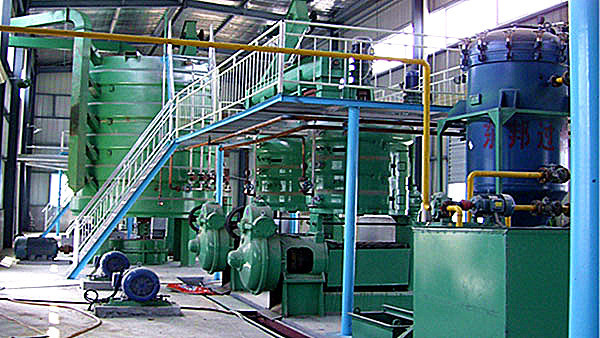
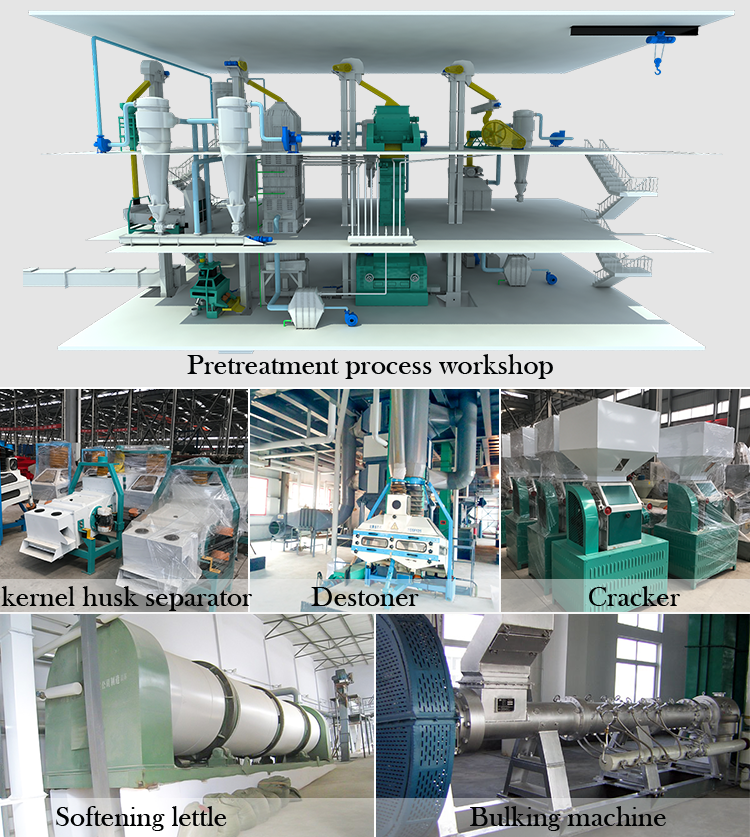
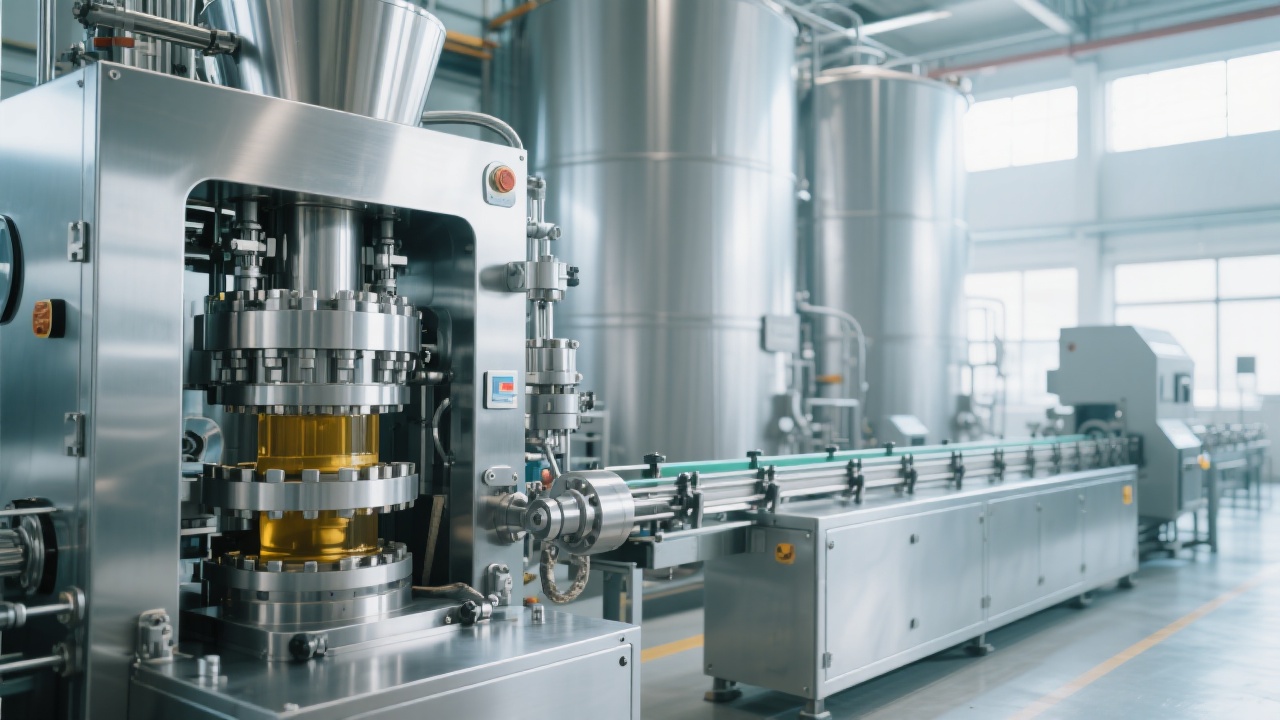
Soybean oil is one of the most widely consumed edible oils globally. However, crude soybean oil contains various impurities such as free fatty acids, phospholipids, and pigments, which need to be removed through a refining process to improve its quality, including color, taste, and shelf - life. This article aims to provide in - depth guidance on soybean oil refining processes and equipment selection for export - oriented enterprises.
The presence of free fatty acids in crude soybean oil can lead to an unpleasant odor and reduced stability. The most common method for removing free fatty acids is through neutralization. By adding an appropriate amount of alkali, free fatty acids react to form soap, which can then be separated from the oil. For example, in a typical refining process, the amount of alkali added is usually calculated based on the acid value of the crude oil, generally ranging from 0.1% - 0.3% of the oil weight.
Phospholipids can cause oil to foam during heating and affect its clarity. Degumming is the process used to remove phospholipids. Hydration degumming is a widely used method, where water is added to the crude oil to make the phospholipids hydrate and precipitate. The water addition amount is typically around 2% - 5% of the oil weight, and the reaction temperature is usually controlled at 60 - 80°C.
Pigments in crude soybean oil can affect its color. Bleaching is used to remove these pigments. Activated clay or activated carbon is commonly used as a bleaching agent. The dosage of the bleaching agent is usually 0.5% - 2% of the oil weight, and the bleaching process is carried out at a temperature of 90 - 110°C under vacuum conditions.
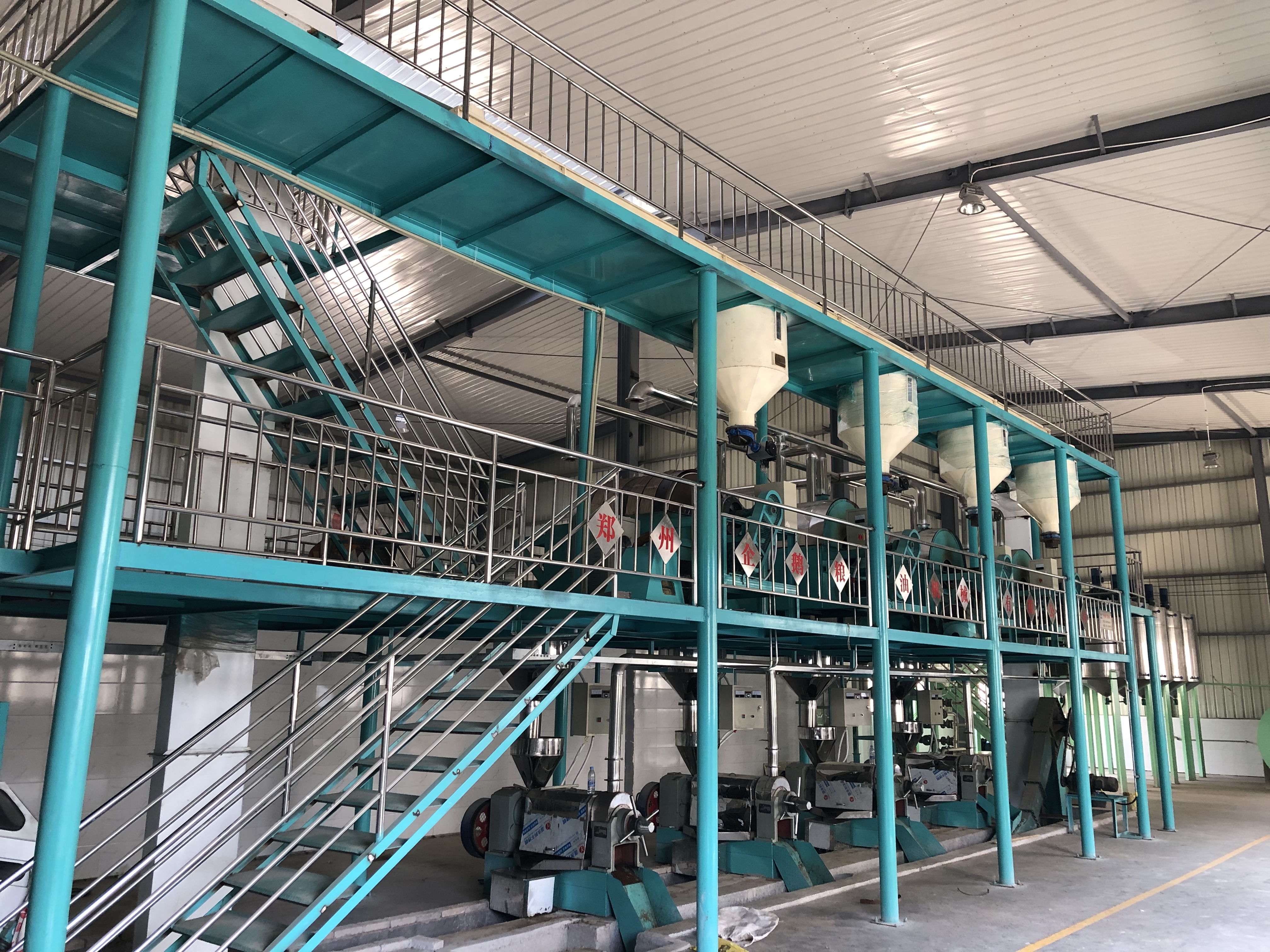
The batch refining system is suitable for small - scale production. It has a relatively simple structure and low initial investment. However, its production efficiency is relatively low, and the automation level is limited. The processing capacity of a batch refining system is usually between 1 - 50 tons per day. It is often used by small - and medium - sized enterprises with limited production requirements.
The semi - continuous refining system combines the advantages of batch and continuous systems. It has a higher production efficiency than the batch system and can achieve a certain degree of automation. The processing capacity of a semi - continuous refining system is generally between 50 - 200 tons per day. It is suitable for medium - sized enterprises that want to improve production efficiency while maintaining a certain degree of flexibility.
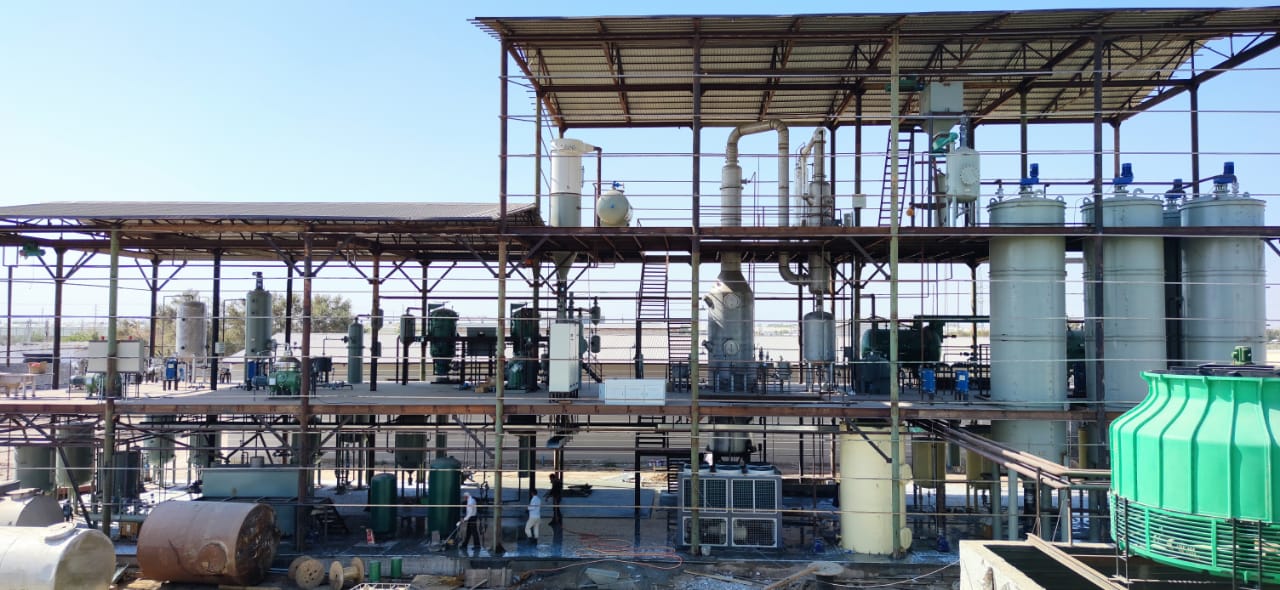
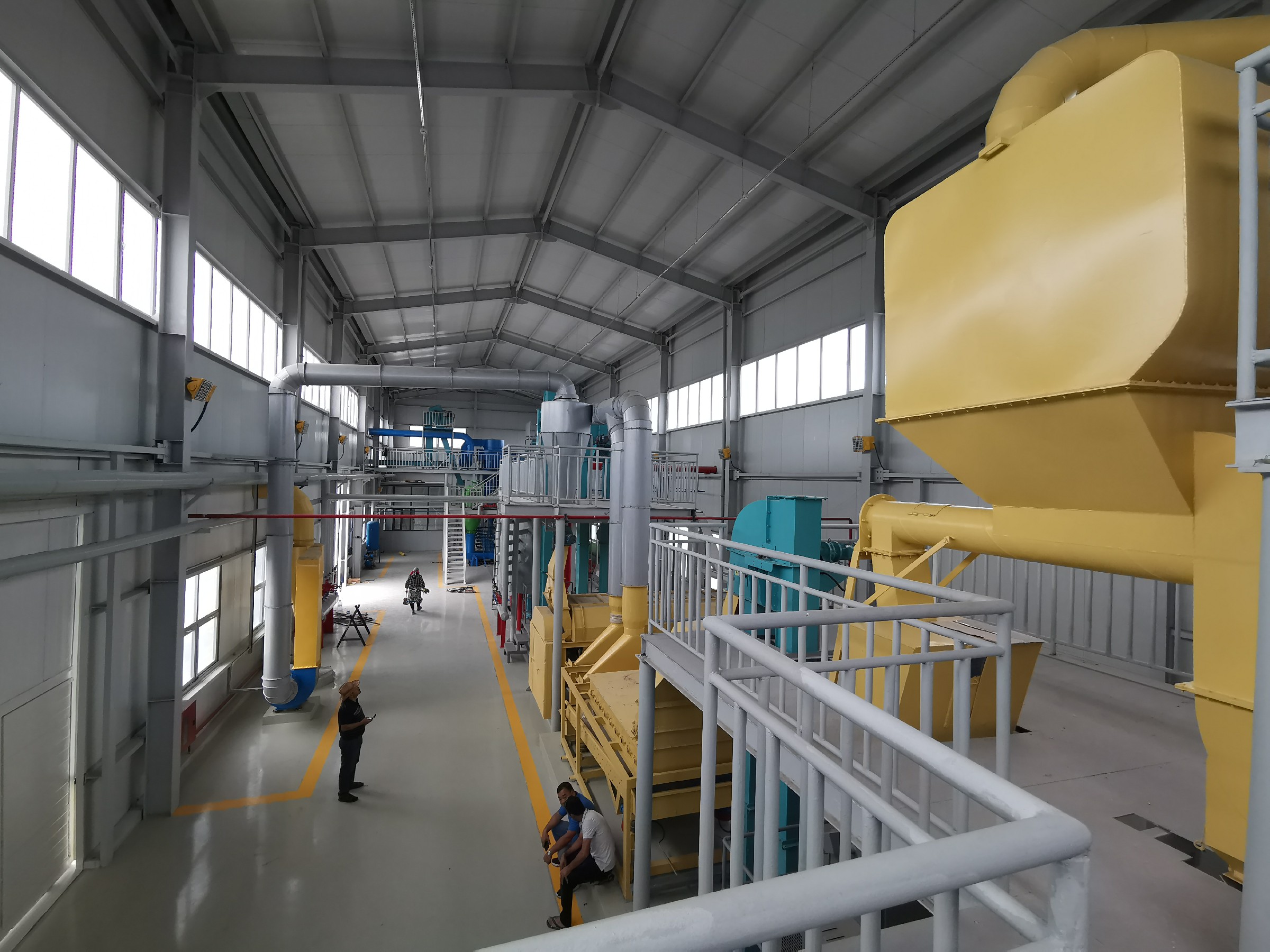
The continuous refining system is the most advanced and efficient option. It has a high degree of automation, large processing capacity, and stable product quality. The processing capacity of a continuous refining system can reach more than 200 tons per day. It is widely used by large - scale export - oriented enterprises that require high - volume production and strict quality control.
| Refining System Type | Processing Capacity (tons/day) | Automation Level | Suitable Enterprises |
|---|---|---|---|
| Batch Refining System | 1 - 50 | Low | Small - and medium - sized |
| Semi - continuous Refining System | 50 - 200 | Medium | Medium - sized |
| Continuous Refining System | >200 | High | Large - scale export - oriented |
Let's take a look at some successful industry cases. A medium - sized export - oriented soybean oil enterprise initially used a batch refining system with a processing capacity of 20 tons per day. Due to increasing market demand, they decided to upgrade to a semi - continuous refining system. After the upgrade, the processing capacity increased to 100 tons per day, and the automation level was significantly improved. The labor cost was reduced by 30%, and the product quality became more stable, resulting in a 20% increase in export volume.
Temperature plays a crucial role in the soybean oil refining process. Different processes require different temperature ranges. For example, during the neutralization process, the temperature is usually controlled at 60 - 70°C to ensure a complete reaction. If the temperature is too high, it may cause side reactions and affect the oil quality. During the bleaching process, a higher temperature (90 - 110°C) is required to activate the bleaching agent and achieve better bleaching results.
The type and dosage of agents used in the refining process, such as alkali, bleaching agents, and degumming agents, directly affect the oil quality. Incorrect use of agents can lead to problems such as residual agents in the oil, which may affect the taste and safety of the oil. Therefore, it is necessary to accurately calculate the dosage of agents based on the quality of the crude oil and the requirements of the refining process.
In modern soybean oil refining, environmental protection and safety are also important factors. For example, the waste generated during the refining process, such as soapstock and spent bleaching clay, needs to be properly treated to avoid environmental pollution. At the same time, safety measures should be taken during the operation to prevent accidents such as fires and explosions.
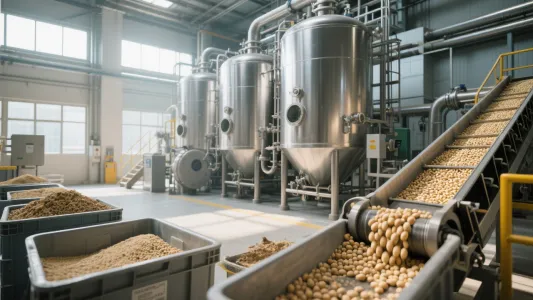
Selecting the right soybean oil refining equipment is crucial for export - oriented enterprises to achieve automation upgrades and stable product quality. By understanding the core processes, key technical indicators, and different types of refining systems, decision - makers can make more accurate choices and optimize their production processes. If you are looking to upgrade your soybean oil refining equipment and improve your product quality, click here to get professional advice and solutions tailored to your needs.
 484
|
484
|
 Soybean oil press oil yield improvement
Oil press operation skills
Soybean pressing process details
Cold and hot pressing comparison
Soybean cake protein retention
Soybean oil press oil yield improvement
Oil press operation skills
Soybean pressing process details
Cold and hot pressing comparison
Soybean cake protein retention
 248
|
soybean oil refining
free fatty acid reduction
edible oil quality improvement
alkali refining optimization
oil processing technology
248
|
soybean oil refining
free fatty acid reduction
edible oil quality improvement
alkali refining optimization
oil processing technology
 101
|
soybean oil processing technology
soybean oil factory equipment
crude oil refining technology
solvent extraction vs mechanical pressing
utilization of soybean meal by - product
101
|
soybean oil processing technology
soybean oil factory equipment
crude oil refining technology
solvent extraction vs mechanical pressing
utilization of soybean meal by - product
 399
|
seed preprocessing production line for oilseeds
versatile oilseed processing solution
customizable vegetable oil production equipment
399
|
seed preprocessing production line for oilseeds
versatile oilseed processing solution
customizable vegetable oil production equipment
 281
|
Soya Oil Extraction Plant
Soybean Oil Press Machine
Soya Oil Extraction Process
Small-Scale Soya Oil Extraction Plants
Large-Scale Soya Oil Extraction Plants
Oil Refining in Soya Oil Extraction
Advantages of Soya Oil Extraction Plants
Applications of Soya Oil
Soy Lecithin Production
Cost-Effective Soya Oil Production
281
|
Soya Oil Extraction Plant
Soybean Oil Press Machine
Soya Oil Extraction Process
Small-Scale Soya Oil Extraction Plants
Large-Scale Soya Oil Extraction Plants
Oil Refining in Soya Oil Extraction
Advantages of Soya Oil Extraction Plants
Applications of Soya Oil
Soy Lecithin Production
Cost-Effective Soya Oil Production