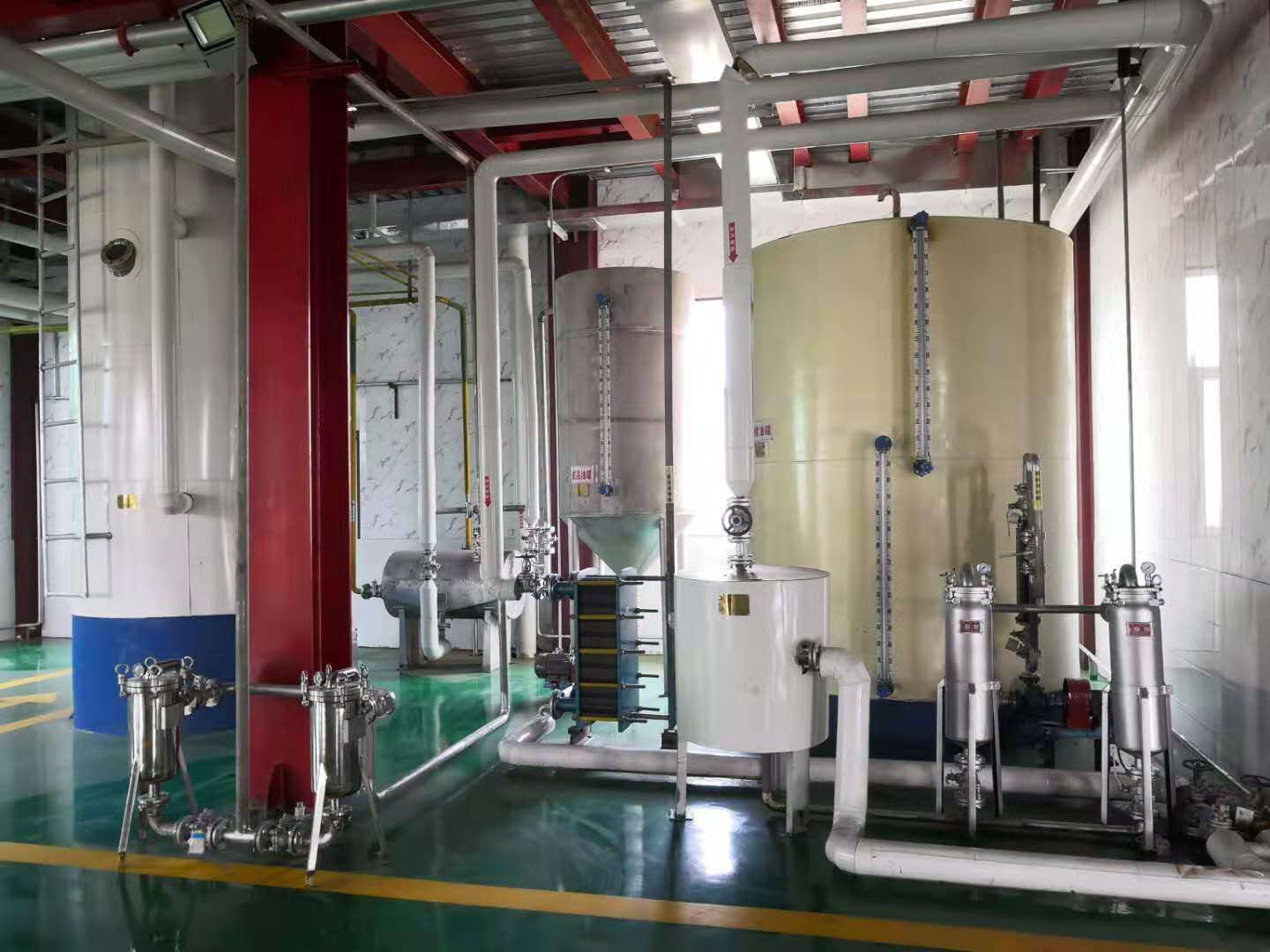
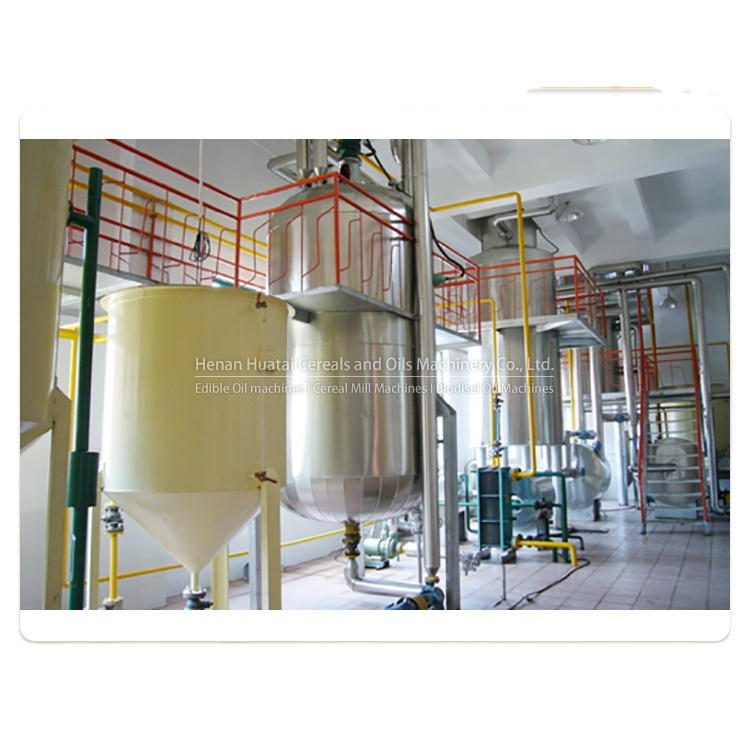
Soybean crude oil, rich in nutrients but containing various impurities such as free fatty acids, phospholipids, and pigments, requires precise refining to meet export-grade standards. Effective refining not only removes these undesirables but also dramatically enhances oil color, flavor, and shelf life, directly impacting market acceptance and profitability.
The core objective of soybean oil refining is to deliver a stable, high-purity product consistent with international food safety and quality regulations. This includes minimizing oxidative degradation and eliminating off-flavors—critical factors for large-scale exporters targeting discerning markets.
The refining workflow features four main stages, each demanding strict parameter control:
Precise control of temperature (typically between 80–260°C depending on stage), retention time, and chemical dosages ensures optimal removal efficiency without compromising oil quality.
| System Type | Capacity (tons/day) | Automation Level | Energy Consumption (kWh/ton) | Ideal Application |
|---|---|---|---|---|
| Batch | Up to 10 | Low | ~45 | Small-scale, flexible production |
| Semi-Continuous | 10–30 | Medium | ~35 | Medium-scale, moderate automation |
| Continuous | 30+ | High | ~25 | Large-scale, fully automated production |
Each system exhibits trade-offs between flexibility, production scale, automation sophistication, and energy efficiency. Continuous systems, while requiring higher upfront investment, offer superior throughput and consistent quality tailored for export-grade soybean oil producers seeking competitive advantage.
Temperature control remains pivotal: for instance, bleaching performed at optimal 85–95°C prevents excessive oil degradation, while deodorization temperature settings between 220–260°C under high vacuum ensure volatile removal without nutrient loss. Likewise, precise dosing of alkalis and bleaching agents directly affects residual impurities—overuse risks production costs and environmental compliance, underuse jeopardizes product standards.
Stringent adherence to safety protocols and environmental regulations is mandatory to sustain sustainable operations, especially as many countries tighten export and import standards related to food quality and eco-friendliness.
A medium-scale soybean oil processor in the Midwest USA adopted a semi-continuous refining solution, resulting in a 20% increase in throughput and 15% energy savings within six months. Post-implementation testing showed residual free fatty acids reduced from 0.25% to below 0.1%, meeting premium export criteria to EU markets.
Another large Asian exporter upgraded to a fully continuous system, achieving 50 tons/day capacity with automation-enabled process monitoring that cut labor costs by 30% and minimized batch variability by 40%. These improvements facilitated breakthrough contracts with international buyers requiring consistent top-tier oil quality.
Take this quick test: Does your facility prioritize flexibility over volume? Choose Batch. Want a balance of scale and automation? Semi-Continuous suits best. Need highest throughput with full automation? Continuous is ideal.
Understanding your capacity, automation goals, and energy budget helps select the optimal refining setup—critical to maximizing ROI and ensuring export-quality outcomes.
The global soybean oil refining sector increasingly integrates green manufacturing principles—energy-efficient equipment, waste minimization, and eco-friendly chemical usage. Aligning operations with updated food safety standards (such as FDA, EFSA, and Codex Alimentarius guidelines) keeps enterprises competitive in high-value export markets.
Forward-looking processors are implementing advanced real-time monitoring and IoT controls, enabling proactive quality management and resource optimization.

 305
|
305
|
 soybean oil factory
multistep production
step optimization
economic benefits
soybean oil production process
soybean oil factory
multistep production
step optimization
economic benefits
soybean oil production process
 227
|
soybean meal nutrition
soybean meal processing techniques
high-protein animal feed
soybean meal storage methods
soybean meal market analysis
227
|
soybean meal nutrition
soybean meal processing techniques
high-protein animal feed
soybean meal storage methods
soybean meal market analysis
 405
|
soybean meal feed formulation
protein utilization in animal feed
soybean meal processing techniques
livestock feed optimization
functional feed ingredients
405
|
soybean meal feed formulation
protein utilization in animal feed
soybean meal processing techniques
livestock feed optimization
functional feed ingredients
 423
|
soybean meal market analysis
soybean meal supply-demand trends
soybean meal price factors
soybean meal in animal feed
soybean meal byproduct utilization
423
|
soybean meal market analysis
soybean meal supply-demand trends
soybean meal price factors
soybean meal in animal feed
soybean meal byproduct utilization
 272
|
Soybean Oil Manufacturing Machine
Soybean Oil Press Machine
Automated Soybean Oil Extraction
Industrial Soybean Oil Production
Edible Soybean Oil Processing
Eco-Friendly Soybean Oil Machines
High-yield Soybean Oil Refining
Soybean Oil Production Line
Versatile Oil Processing Equipment
272
|
Soybean Oil Manufacturing Machine
Soybean Oil Press Machine
Automated Soybean Oil Extraction
Industrial Soybean Oil Production
Edible Soybean Oil Processing
Eco-Friendly Soybean Oil Machines
High-yield Soybean Oil Refining
Soybean Oil Production Line
Versatile Oil Processing Equipment