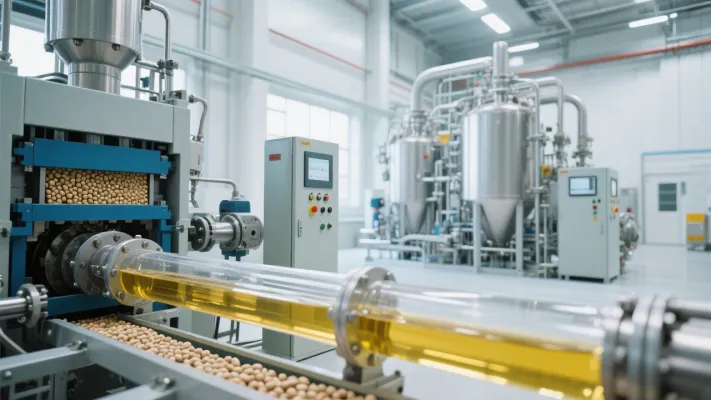
For many soybean oil processors—especially those operating at mid-scale facilities—the deodorization step is often a hidden cost center. Traditional atmospheric deodorizers can consume up to 40% more steam than modern vacuum systems and struggle with consistent odor removal. But here’s the good news: adopting an energy-efficient vacuum deodorization system isn’t just about compliance—it’s a direct path to higher yield, better quality, and lower operational costs.
According to industry benchmarks from GB/T 1535, properly controlled vacuum deodorization reduces free fatty acid (FFA) levels by up to 95% while preserving oxidative stability. Unlike older methods that rely on high-pressure steam and longer retention times, today’s systems maintain precise temperature control (typically 220–250°C) under vacuum (0.1–0.5 mbar), which significantly cuts energy use per ton of oil processed.
| Capacity Scale | Recommended Vacuum Level | Avg. Steam Savings vs. Atmospheric |
|---|---|---|
| Small (1–5 TPD) | 0.3–0.5 mbar | ~30% |
| Medium (5–20 TPD) | 0.2–0.4 mbar | ~40% |
| Large (>20 TPD) | 0.1–0.3 mbar | ~50% |
That means even a modest 5-ton-per-day facility can save over $15,000 annually in utility costs simply by upgrading to a properly configured vacuum system.
“Most oil mills assume bad odors come from feedstock or old equipment—but in reality, 70% of off-flavors stem from poor vacuum integrity or inadequate condensate management.” — Dr. Li Wei, Food Processing Engineer, China National Grain & Oils Association
Here’s what you must check daily:
Pro tip: Create a simple checklist for your operators—like this one—printed and posted near the control panel. It takes 5 minutes a day but prevents costly rework.
If you're serious about reducing waste, improving consistency, and extending equipment life, mastering vacuum deodorization is no longer optional—it's essential.





