Achieving superior soybean oil quality requires a precise combination of advanced processing technologies and hands-on expertise. Drawing from years of frontline engineering experience, this article dissects the five pivotal technical aspects that directly influence oil purity, stability, yield, and energy efficiency. Each segment integrates scientific principles with practical execution, empowering technical personnel and management teams in the oilseed industry to foster higher production standards and competitive advantages.
The foundation for high-quality soybean oil starts with rigorous raw material preprocessing. Effective debris removal ensures minimal contamination, which can otherwise introduce off-flavors or reduce oil stability. Industry benchmarks recommend achieving at least 98% cleanliness for incoming soybeans, utilizing multi-stage cleaning equipment including magnets, aspirators, and sieves.
Consistent moisture content (target range: 12–14%) is critical to optimize downstream processing efficiency. Overly damp beans impede efficient grinding and elevate energy consumption, while excessive dryness may cause powder loss and inefficient oil release.
Particle size directly affects oil extraction rates and quality. Finely ground particles increase the surface area, enhancing oil release during pressing or solvent extraction. However, particles that are too fine (<0.2 mm) risk blocking filtration or cause excessive fines loss.
Optimal particle size distribution centers around 0.2–0.5 mm. Frontline engineers often employ sieving and laser diffraction methods for real-time monitoring. Maintaining particle size consistency within a ±10% variance improves production stability and oil yield by approximately 3–5% compared to unregulated milling.
Proper thermal management during pre-press heating positively impacts oil quality by promoting enzymatic deactivation and reducing free fatty acids. Frontline data show that applying a staged temperature gradient—starting from 60–65°C and gradually increasing to 85–90°C across zones—prevents overheating, preserves nutrient profiles, and prevents thermal degradation.
Uniform temperature distribution is achieved through multi-zone heaters coupled with real-time sensors. This approach minimizes hotspots, which cause oxidative breakdown and deteriorate taste and shelf life.
Pressing pressure profiles must be carefully calibrated to balance oil output and meal quality. Frontline cases demonstrate that gradually increasing pressure from 50 to 150 bar in controlled increments optimizes cell rupture without over-compressing materials, which would reduce throughput and increase wear on machinery.
Pressure modulation integrated with feed rate adjustments can improve oil extraction efficiency by up to 7%, while maintaining consistent cake moisture (~8%) essential for downstream processing.
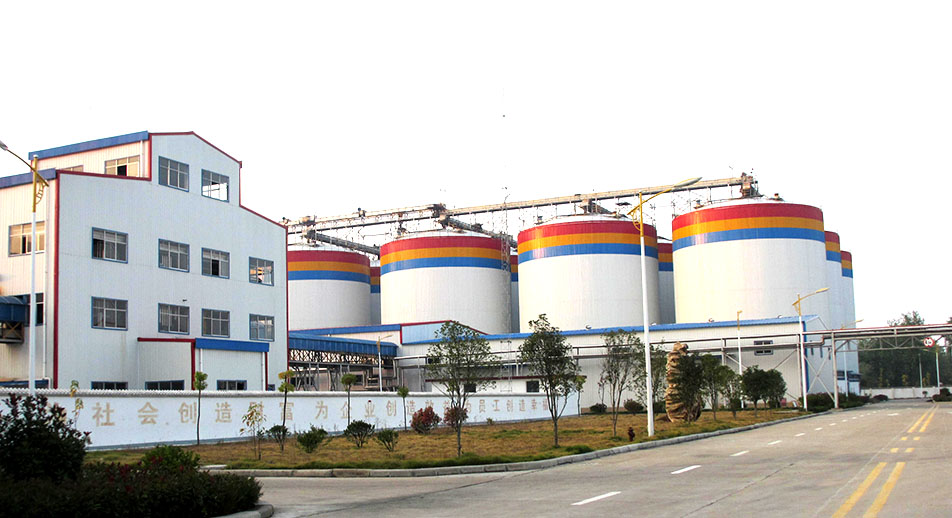
Heat recovery from steam condensate not only reduces energy costs but also improves the environmental footprint of soybean oil plants. Frontline engineers recommend closed-loop condensate systems equipped with insulated pipelines and variable-speed condensate pumps.
Deploying heat exchangers capable of reclaiming up to 85% of the condensate's latent heat can cut fuel consumption by 10–15%. Such systems sustain stable process temperatures and avoid sudden thermal shocks to equipment.
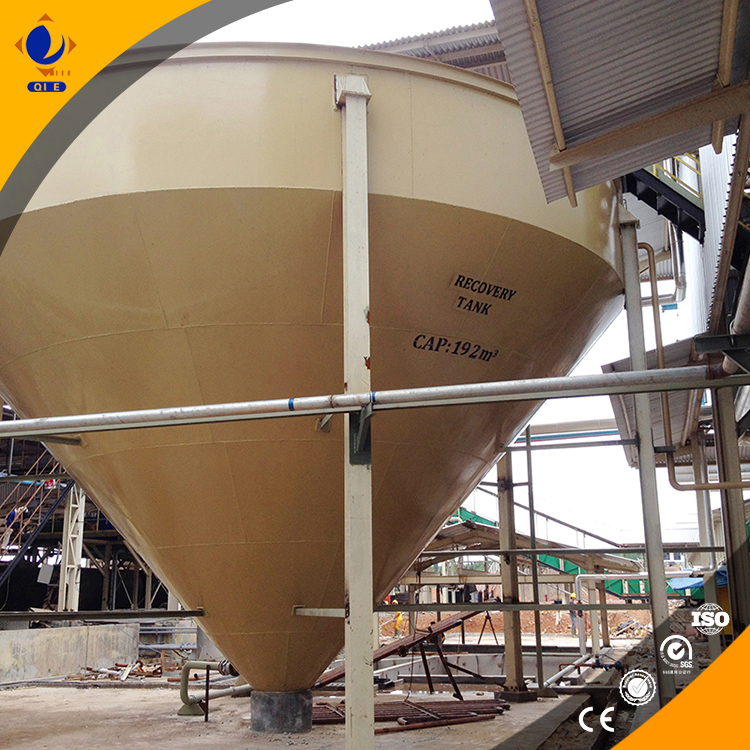
While understanding these technologies from theory to practice is vital, operational vigilance is equally essential. Common pitfalls include irregular raw material cleaning cycles, non-uniform particle sizes due to equipment wear, and neglecting temperature sensor calibration leading to inconsistent heating.
The implementation of digital monitoring platforms combined with operator training enhances corrective response times, ultimately ensuring a steady, high-quality output.
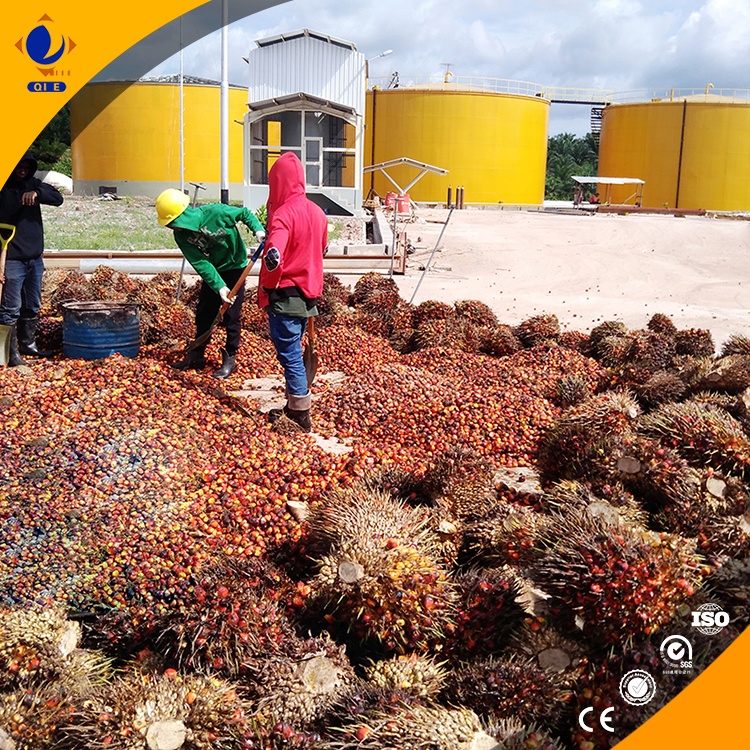
Unlock the full potential of your soybean oil operations by integrating advanced preprocessing, grinding, thermal regulation, pressure optimization, and energy-saving systems. Learn detailed strategies, gain technical consultations, and access premium engineering expertise tailored to your facility’s needs. Explore Innovative Soybean Oil Processing Solutions Now

 44
|
44
|
 soybean oil refining equipment selection
automated oil refining system
edible oil processing machinery
continuous oil refining line
refining machine maintenance
298
|
soybean oil refining process
edible oil quality control
oil refining system comparison
soybean oil processing technology
oil refining efficiency optimization
59
|
Soybean oil refining machine
Refining machine selection
Soybean oil processing guide
Refining equipment maintenance
Oil processing equipment
74
|
Soybean oil refining process
Refining temperature control
Soybean oil refining machine
Edible oil quality improvement
Oil processing technology
416
|
soybean oil refining machine
batch refining system
continuous refining
refining machine selection
soybean oil processing guide
soybean oil refining equipment selection
automated oil refining system
edible oil processing machinery
continuous oil refining line
refining machine maintenance
298
|
soybean oil refining process
edible oil quality control
oil refining system comparison
soybean oil processing technology
oil refining efficiency optimization
59
|
Soybean oil refining machine
Refining machine selection
Soybean oil processing guide
Refining equipment maintenance
Oil processing equipment
74
|
Soybean oil refining process
Refining temperature control
Soybean oil refining machine
Edible oil quality improvement
Oil processing technology
416
|
soybean oil refining machine
batch refining system
continuous refining
refining machine selection
soybean oil processing guide
.jpg)