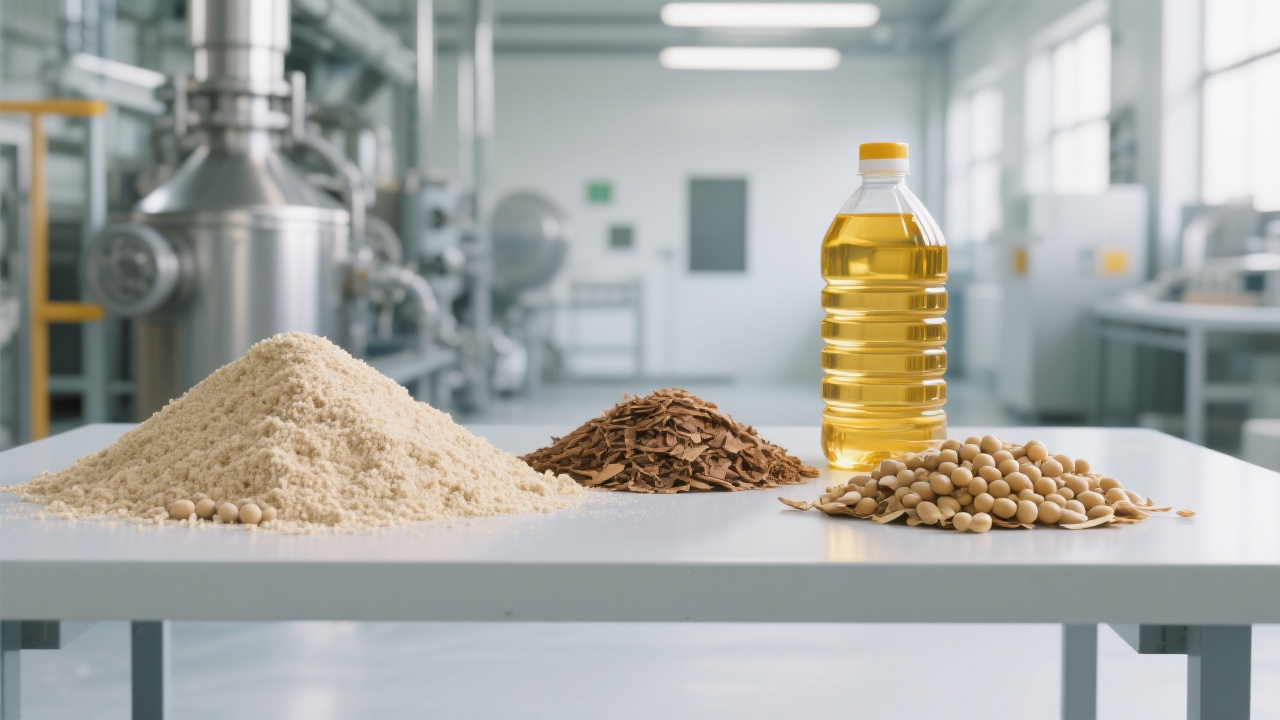
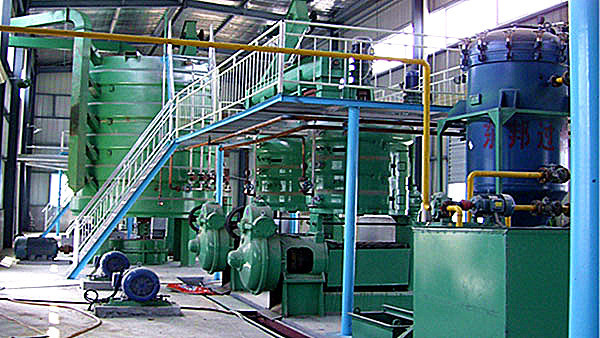
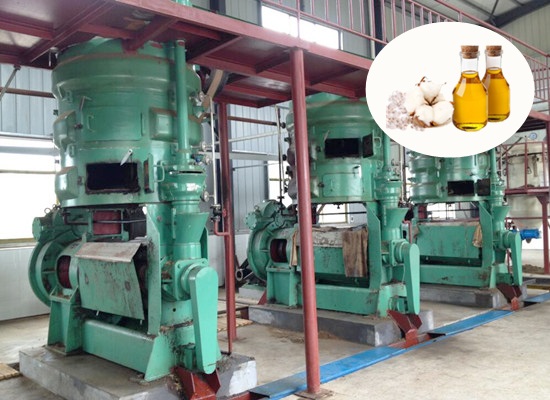
In the competitive landscape of the edible oil industry, achieving consistent quality and high efficiency in soybean oil refining is a top priority for producers. This article delves into how automated control systems can significantly enhance the consistency and efficiency of soybean oil refining, with real - world case studies and practical advice.
The quality of refined soybean oil is measured by several core indicators, such as Free Fatty Acid (FFA) content, color value, and oxidation stability. These indicators directly impact a product's market competitiveness. For instance, a lower FFA content means better taste and longer shelf - life, while a more stable color value makes the oil more appealing to consumers. In the market, products with superior quality in these aspects can command higher prices and gain a larger market share.
There are three main types of soybean oil refining systems: batch, semi - continuous, and continuous. Each system has its own characteristics and pain points. Batch systems are suitable for small - scale production but often suffer from inconsistent quality due to manual operation. Semi - continuous systems offer a balance between flexibility and efficiency but may face challenges in maintaining stable parameters. Continuous systems, on the other hand, are more efficient for large - scale production but require high - precision control.
The common pain points of batch systems include high labor intensity and large fluctuations in product quality. Semi - continuous systems may have issues with process synchronization, leading to sub - optimal refining results. Continuous systems, although highly efficient, can be complex to operate and maintain. Solutions for these pain points involve the adoption of advanced automation technologies.
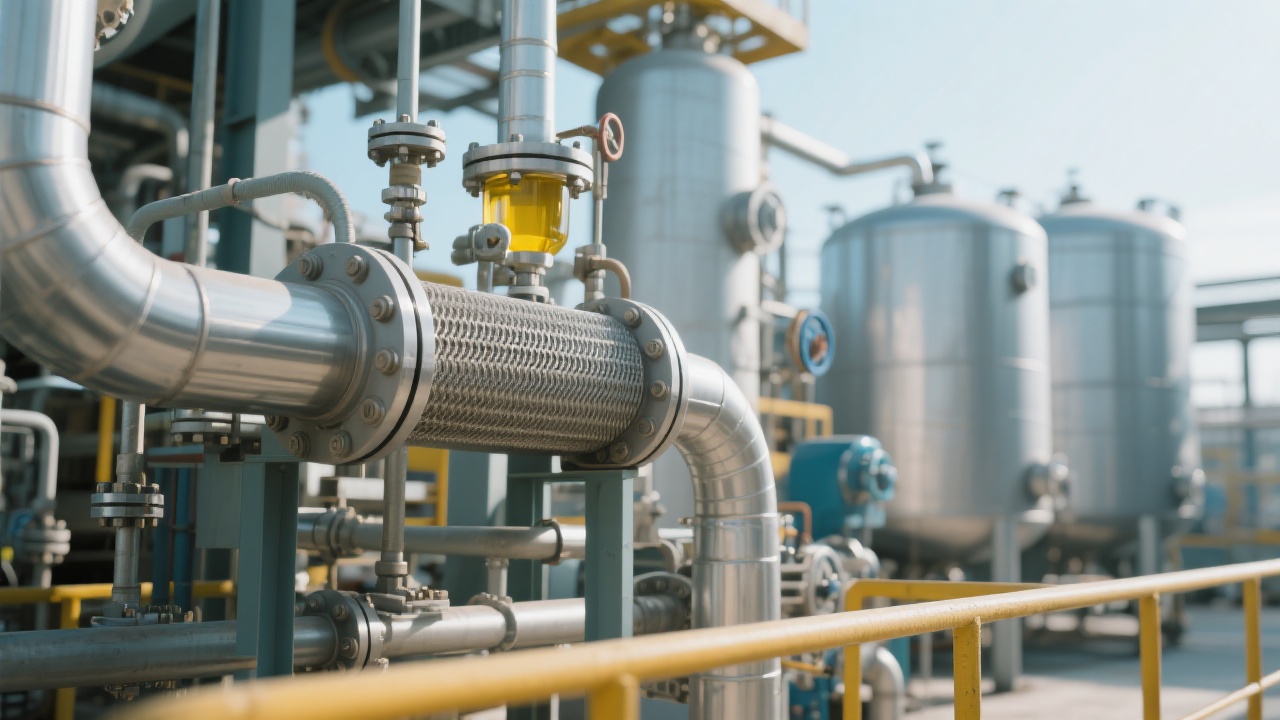
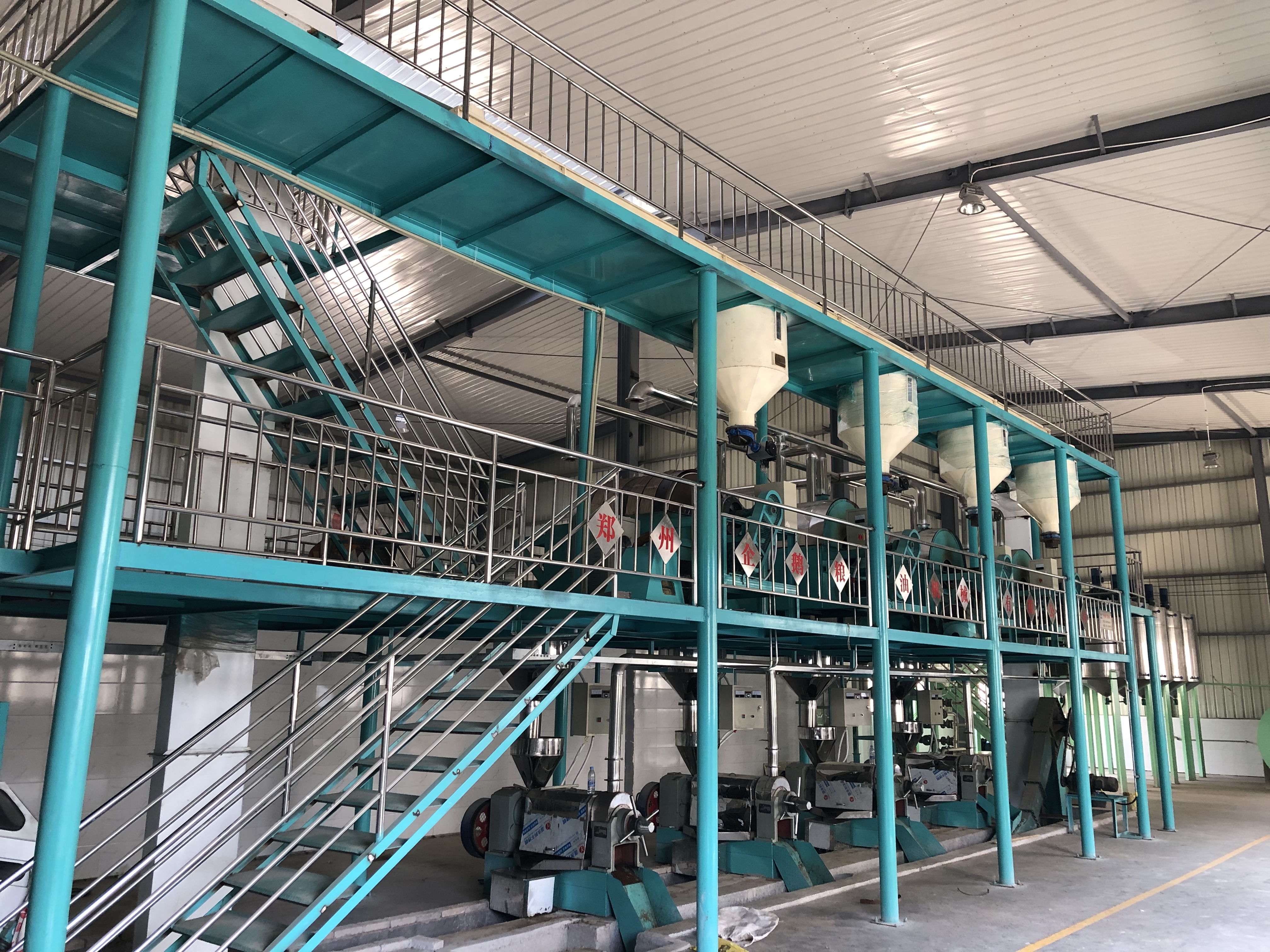
Modern automated control technologies, such as PLC + SCADA systems and online detection equipment, play a crucial role in soybean oil refining. PLC + SCADA systems can precisely control various parameters in the refining process, such as temperature, pressure, and flow rate. Online detection equipment allows for real - time monitoring of key indicators, enabling operators to make timely adjustments. These technologies provide process visualization, allowing operators to have a clear understanding of the entire refining process and make data - driven decisions.
Let's look at a real - world example. A soybean oil refinery adopted a new automated control system. After implementation, the product consistency increased by 30%, and energy consumption decreased by 15%. This shows that the new system not only improved the quality of the refined oil but also reduced production costs, making the company more competitive in the market.
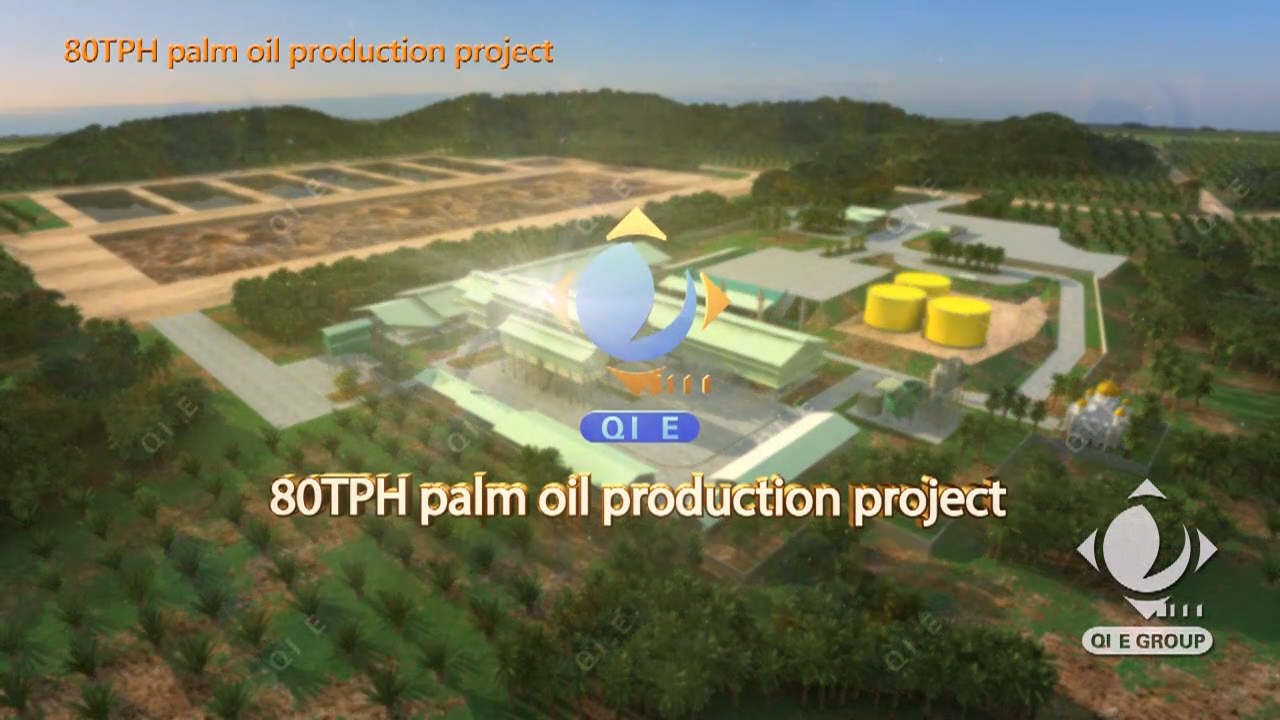
When selecting equipment for soybean oil refining, producers should consider factors such as production scale, technical requirements, and budget. It is advisable to choose equipment from reputable manufacturers with proven track records. In terms of operation training, operators should be well - trained on the use of new technologies and equipment to ensure smooth operation and maintenance.
By implementing an automated control system, producers can achieve consistent high - quality output in every batch of soybean oil, saying goodbye to manual fluctuations and embracing stable production. This not only helps in meeting market demands but also contributes to long - term business growth.
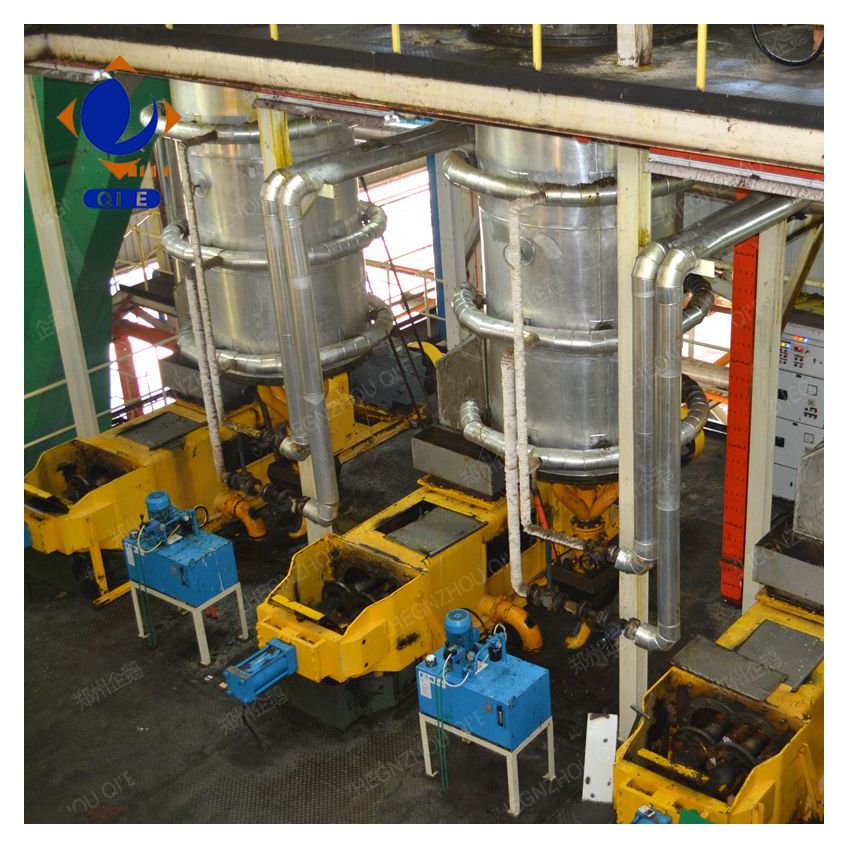
Are you ready to take your soybean oil refining to the next level? Click here to learn more about our advanced soybean oil refining machines and automated control systems that can optimize your refining process and enhance product quality.

 155
|
155
|
 Soybean Oil Press
South American Market
Oil and fat enterprises
Soybean Oil Press
South American Market
Oil and fat enterprises
 494
|
soybean oil
extraction technology
future trends
automation
eco-friendly
494
|
soybean oil
extraction technology
future trends
automation
eco-friendly
 103
|
soybean oil press troubleshooting
oil press maintenance tips
oil extraction efficiency improvement
soybean cake discharge blockage
oil press abnormal noise
103
|
soybean oil press troubleshooting
oil press maintenance tips
oil extraction efficiency improvement
soybean cake discharge blockage
oil press abnormal noise
 123
|
soybean meal in animal feed
soybean meal feed formulation optimization
nutritional value of soybean meal
animal feed formulation design
soybean meal market trends
123
|
soybean meal in animal feed
soybean meal feed formulation optimization
nutritional value of soybean meal
animal feed formulation design
soybean meal market trends
 117
|
soybean oil winterization
soybean oil clarity enhancement
soybean oil storage stability
winterization equipment selection
soybean oil refining technology
117
|
soybean oil winterization
soybean oil clarity enhancement
soybean oil storage stability
winterization equipment selection
soybean oil refining technology