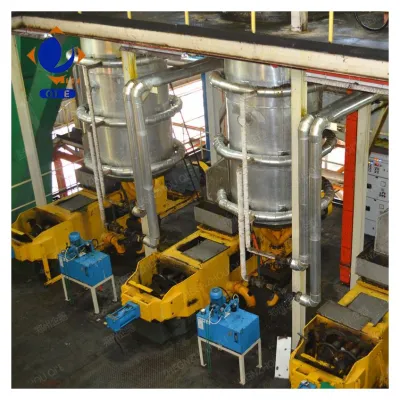
In the production of soybean oil, the color stability is a crucial factor that affects both the appearance and quality of the product. From crude oil pretreatment to finished product packaging, the refining process plays a decisive role in determining the color stability of soybean oil. This article delves into the key technical points of different refining systems (batch, semi - continuous, and continuous) in controlling free fatty acids, pigments, and oxidation reactions.
Each of the three mainstream refining systems - batch, semi - continuous, and continuous - has its own characteristics and applicable scenarios, which have different impacts on the final product quality. For example, batch refining systems are more suitable for small - scale producers. They offer greater flexibility in operation, but the production efficiency is relatively low. In a batch system, the free fatty acid (FFA) content in the soybean oil can be reduced from about 1.5% to 0.5% through proper refining processes. However, in large - scale production, continuous refining systems are preferred. They can achieve a more stable reduction of FFA content, often reducing it to less than 0.1%, which significantly improves the color stability and shelf - life of the soybean oil.
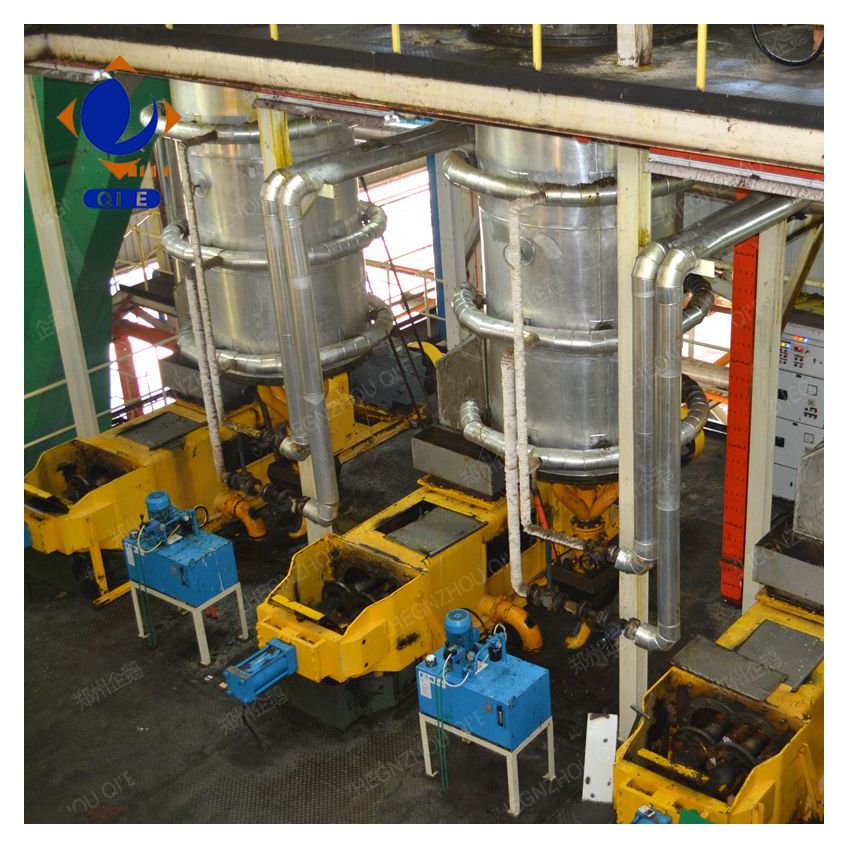
During the refining process, several common problems may occur, such as pigment residue, FFA exceeding the standard, and accelerated oxidation. Pigment residue can make the soybean oil appear cloudy and affect its transparency. FFA exceeding the standard can lead to an unpleasant taste and a shorter shelf - life. Oxidation acceleration can cause the oil to become rancid more quickly. For pigment residue, using appropriate bleaching agents can effectively remove most of the pigments. For example, activated clay can remove up to 90% of the pigments in the soybean oil. To control FFA, proper neutralization processes should be carried out. And to inhibit oxidation, antioxidants can be added, which can extend the shelf - life of the soybean oil by 3 - 6 months.
The soybean oil refining industry is also witnessing the introduction of new technology trends, such as automated control and online detection. Automated control systems can precisely adjust the refining parameters in real - time, ensuring more stable product quality. Online detection technologies can continuously monitor the quality indicators of the soybean oil, such as FFA content, pigment content, and oxidation level. This allows producers to make timely adjustments to the refining process and improve the overall efficiency and quality of production.
To help readers quickly locate their own pain points and obtain corresponding strategies, a problem - countermeasure module is designed. For instance, if you are facing the problem of color unevenness in your soybean oil, you can check if there are issues in the bleaching process. Have you used the right type and amount of bleaching agents? If the FFA content is too high, you may need to review your neutralization process. Do you need to adjust the amount of alkali used or the reaction time?
Your factory may have encountered problems such as color unevenness, FFA exceeding the standard, or accelerated oxidation. By understanding the key control points in the soybean oil refining process, you can find practical solutions to these problems. Whether you are a small - scale producer or a large - scale oil enterprise, you can use the information in this article to upgrade the quality of your soybean oil.
Discover More Quality - Upgrade Solutions for Your Soybean Oil
 480
|
480
|
 Mini Soybean Oil Plant
Mini Soybean Oil Press Machine
Cost-Effective Soybean Oil Production
Small Scale Soybean Oil Processing
High-Quality Mini Soybean Oil
Local Soybean Oil Production Plant
Compact Soybean Oil Extraction Plant
Efficient Mini Soybean Oil Refining
Scalable Oil Production Solutions
Sustainable Soybean Oil Processing
Mini Soybean Oil Plant
Mini Soybean Oil Press Machine
Cost-Effective Soybean Oil Production
Small Scale Soybean Oil Processing
High-Quality Mini Soybean Oil
Local Soybean Oil Production Plant
Compact Soybean Oil Extraction Plant
Efficient Mini Soybean Oil Refining
Scalable Oil Production Solutions
Sustainable Soybean Oil Processing
 179
|
modern soybean oil plant efficiency
energy-saving oil extraction technology
sustainable food processing
soybean oil production optimization
green manufacturing in edible oils
179
|
modern soybean oil plant efficiency
energy-saving oil extraction technology
sustainable food processing
soybean oil production optimization
green manufacturing in edible oils
 221
|
edible oil production
market demand
industry application
product quality
221
|
edible oil production
market demand
industry application
product quality
 425
|
Mini Soybean Oil Plant
Soybean Oil Press Machine
Small Scale Soybean Oil Extraction
Compact Soybean Oil Production
Cost-Effective Oil Plant
Soybean Oil Processing Equipment
On-Farm Soybean Oil Production
Sustainable Oil for Local Markets
Mini Oil Refining Machine
High-Yield Soybean Oil Production
425
|
Mini Soybean Oil Plant
Soybean Oil Press Machine
Small Scale Soybean Oil Extraction
Compact Soybean Oil Production
Cost-Effective Oil Plant
Soybean Oil Processing Equipment
On-Farm Soybean Oil Production
Sustainable Oil for Local Markets
Mini Oil Refining Machine
High-Yield Soybean Oil Production
 196
|
Soyabean Refined Oil Making Machine
Soybean Oil Press Machine
Batch Oil Refinery Machine
Continuous Oil Refinery Machine
Semi-Automatic Refinery Machine
Mini Oil Refinery Machine
Refined Soybean Oil Production
High-Quality Refined Oil
Oil Refining Equipment
Vegetable Oil Refinement
196
|
Soyabean Refined Oil Making Machine
Soybean Oil Press Machine
Batch Oil Refinery Machine
Continuous Oil Refinery Machine
Semi-Automatic Refinery Machine
Mini Oil Refinery Machine
Refined Soybean Oil Production
High-Quality Refined Oil
Oil Refining Equipment
Vegetable Oil Refinement