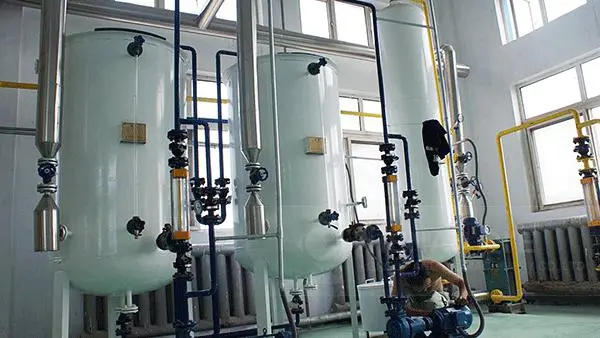
The quest for improving soybean oil quality is never-ending, as oil producers seek to balance stable output, enhanced quality, and energy-efficient processing. Drawing from firsthand engineering experience, this article unveils five pivotal technologies—from raw material cleanliness to condensation energy recovery—that directly influence oil yield and consistency. By combining theoretical underpinnings and real-world execution nuances, these insights aim to offer actionable solutions for oil enterprises focused on minimizing losses and maximizing product excellence.
Ensuring the initial soybean feedstock is meticulously cleaned is foundational for oil purity and process efficiency. Residual impurities such as dust, stones, and husks not only affect the extraction rate but also cause mechanical wear in downstream equipment. Effective pre-treatment typically achieves a cleanliness level exceeding 99.5%, directly correlating with yield improvements up to 3%.
Common missteps involve insufficient screening mesh sizes or over-reliance on manual sorting, leading to unstable input quality. Automated screening systems with multi-stage air classifiers and magnetic separators are recommended to maintain consistent feed purity.
Uniform particle size distribution through grinding ensures optimal surface area exposure, critical for maximizing oil release during pressing. Studies show that maintaining particle sizes within the range of 200 to 400 microns improves oil yield by about 2%. However, overly fine grinding risks excessive moisture loss and clogging, while coarse particles decrease extraction efficiency.
Frontline engineers advise implementing inline particle size analyzers paired with variable-speed grinders to dynamically adjust grind size according to raw material variations, ensuring consistent pressing performance.
Precise control of temperature gradients during the heating phase is imperative to optimize oil viscosity and flow while preserving nutrient content. Typical operations maintain initial heating zones at around 80-90°C, progressively increasing to 110-115°C at the pressing inlet. This gradation prevents protein denaturation and excessive oil oxidation, supporting both yield and sensory quality.
A frequent pitfall involves abrupt temperature jumps causing localized overheating. Installation of multiple temperature sensors and PID controllers in heating zones allows fine-tuning, ensuring a stable thermal profile that enhances press efficiency.
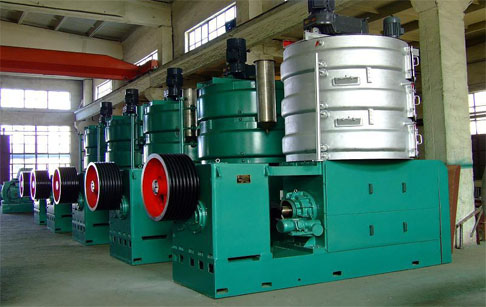
Pressing pressure significantly impacts oil extraction rates and cake moisture. Dynamic pressure curves, starting from low initial force (~5 MPa) and gradually increasing to peak pressures (~15-18 MPa), have shown to improve separation efficiency by up to 4%. Too abrupt or excessive pressure damages equipment seals and increases maintenance frequency.
Experienced engineers employ programmable presses enabling pressure curve customization based on input parameters such as moisture and particle size, resulting in optimized output consistency and machine uptime.
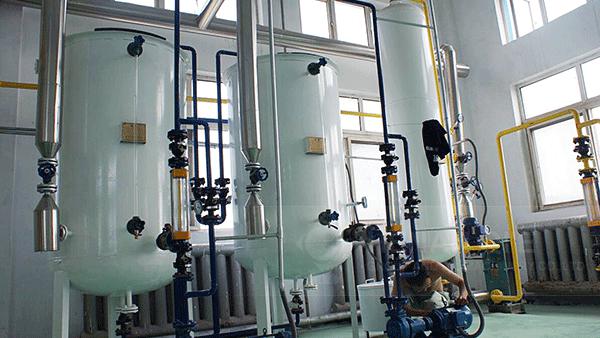
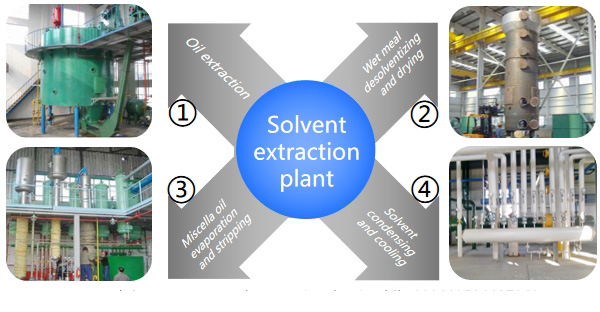
Modern oil factories increasingly emphasize sustainability through efficient condensation and energy recovery systems. By capturing vapor emissions during pressing and refining, and recycling heat via condensers and heat exchangers, plants can reduce energy consumption by approximately 10-15%.
Key design considerations include maximizing condenser surface area and integrating smart control systems that adjust condensate flow based on real-time temperature and humidity data, thereby lowering operational costs while enhancing environmental compliance.

Integrating these five technologies cohesively demands rigorous monitoring and maintenance discipline. Common operational errors include insufficient calibration of grinding units, neglecting gradual temperature ramping, and inconsistent pressure regulation, often driven by a lack of real-time data analytics.
Case studies reveal that oil mills leveraging digital instrumentation and data-driven process adjustments maintain consistent oil quality with yield improvements of 5-7% and reduced downtime by nearly 20%. Such measurable benefits validate the strategic importance of the outlined technical approaches.
What strategies have delivered the best results in your soybean oil production line? Share your experiences or questions below to foster community-driven excellence. We welcome frontline insights to enrich this ongoing journey towards higher quality, steady yield, and energy-efficient processing.

 451
|
451
|
 hexane solvent extraction
soybean oil extraction process
solvent recovery technology
safety operation规范
Peng Group
hexane solvent extraction
soybean oil extraction process
solvent recovery technology
safety operation规范
Peng Group
 302
|
soybean oil refining process
free fatty acid removal
phospholipid removal
edible oil purification
refining system comparison
302
|
soybean oil refining process
free fatty acid removal
phospholipid removal
edible oil purification
refining system comparison
 227
|
Soybean oil refining
Free fatty acid reduction
Oil quality improvement
Refining process optimization
Automated control technology
74
|
Soybean oil refining process
Refining temperature control
Soybean oil refining machine
Edible oil quality improvement
Oil processing technology
227
|
Soybean oil refining
Free fatty acid reduction
Oil quality improvement
Refining process optimization
Automated control technology
74
|
Soybean oil refining process
Refining temperature control
Soybean oil refining machine
Edible oil quality improvement
Oil processing technology
 67
|
Soybean oil refining machine
Automation refining system
Edible oil quality improvement
Refining process optimization
Oil oxidation control
67
|
Soybean oil refining machine
Automation refining system
Edible oil quality improvement
Refining process optimization
Oil oxidation control