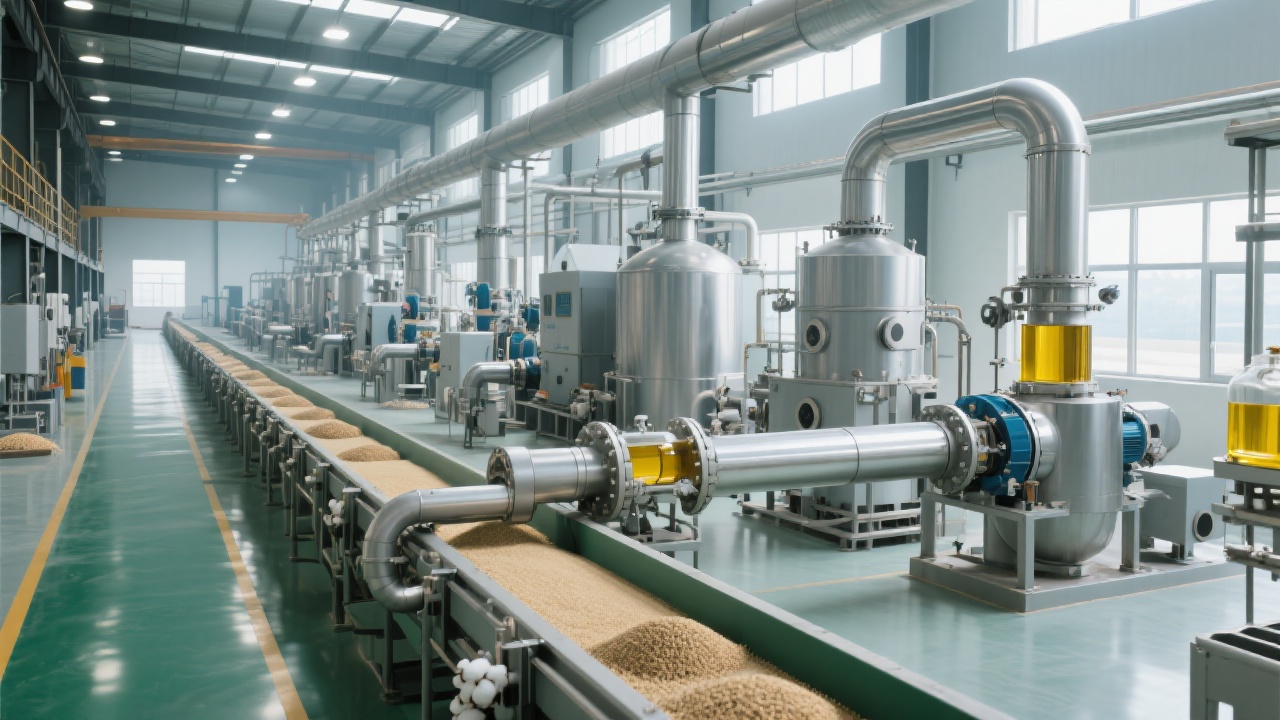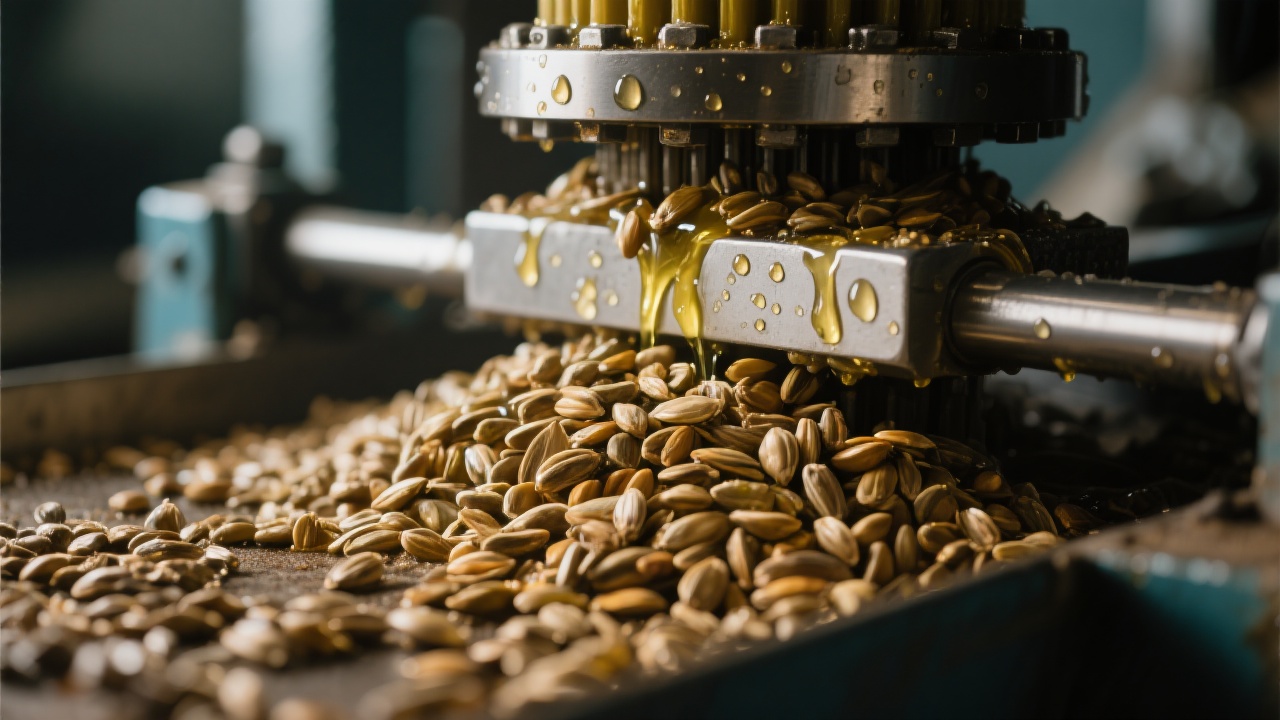
In the soybean solvent extraction industry, hexane is the primary solvent, playing a pivotal role in efficient oil recovery. However, suboptimal hexane recovery not only inflates operational costs but also creates environmental challenges. The recovery rate—reflecting the proportion of solvent reclaimed during processing—is a critical performance indicator. Industry studies show that plants frequently experience hexane recovery rates between 85% and 92%, resulting in significant solvent loss and increased VOC (volatile organic compounds) emissions.
One of the foremost bottlenecks in hexane recovery is the efficiency of the evaporation-condensation cycle. Conventional systems often struggle with incomplete condensation or excessive energy consumption. Introducing multi-effect evaporators combined with advanced refrigerated condensers can dramatically improve recovery efficiency.
Case evidence from a mid-sized soybean oil plant in the Midwest USA reports an increase from 90% to 97.5% hexane recovery after retrofitting with a two-stage multi-effect evaporator integrated with an automated reflux control system. This upgrade reduced steam consumption by 12%, thereby lowering energy costs and emissions footprint.
Key operational parameters include:
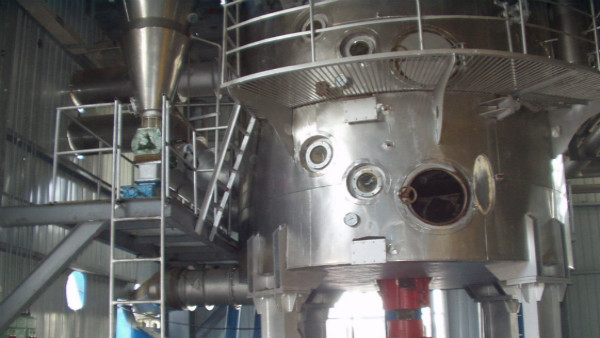
The desolventizing step involves vaporizing hexane from the meal. Temperature control here is paramount; too high leads to hexane degradation or excessive energy consumption, too low limits solvent removal efficiency.
Industrial trials show that maintaining the desolventizer temperature uniformly between 80°C and 85°C achieves optimal balance. Advanced PID controllers coupled with real-time temperature sensors facilitate precise thermal management.
Plants utilizing dynamic temperature profiling report hexane recovery improvements of up to 3%, reaching total recovery rates above 98%. Additionally, better temperature control contributes to enhanced soybean meal quality by preventing overheating.
Miscella—a mixture of extracted oil and hexane—concentration plays a subtle but critical role in solvent recovery. Fluctuations in miscella viscosity and concentration can complicate evaporation efficiency.
Automated monitoring of miscella concentration via inline refractometers enables immediate adjustments in solvent flow and evaporation intensity.
An Indonesian soybean oil refinery that adopted miscella concentration dynamic control technology observed:
Complementary to these strategies, rigorous preventative maintenance—particularly ensuring equipment sealing integrity—prevents solvent leakage and contaminant ingress. Implementing automated monitoring systems offers early warning for deviations in temperature, pressure, or flow, enabling timely corrective action.
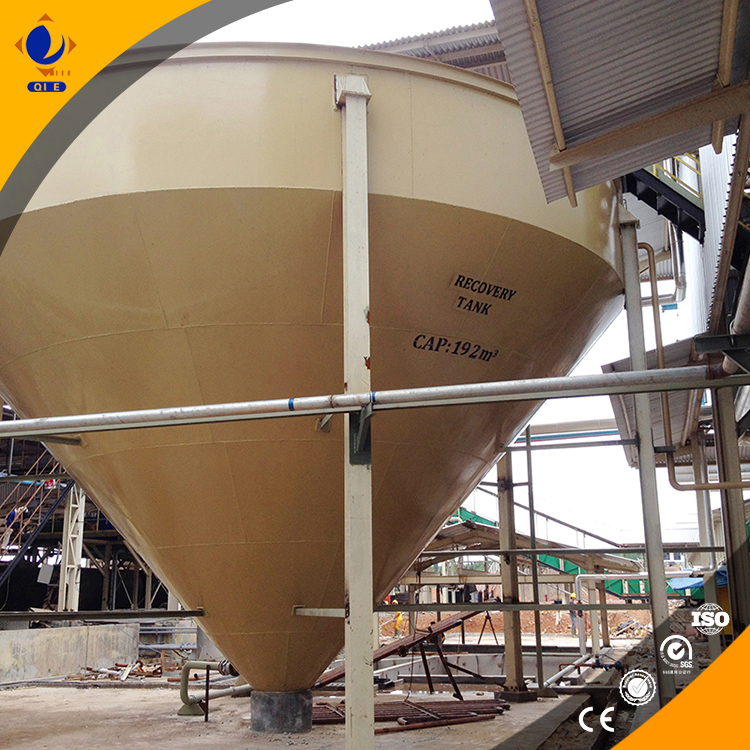
Hexane recovery optimization extends beyond hardware upgrades. Automated control platforms that unify sensor data (temperature, pressure, miscella concentration) improve operational consistency and repeatability.
Preventive maintenance schedules addressing critical equipment points—gaskets, seals, heat exchanger surfaces—reduce unexpected downtimes by an estimated 20%, according to industry benchmarks. This proactive approach also safeguards processing safety and compliance with environmental standards.
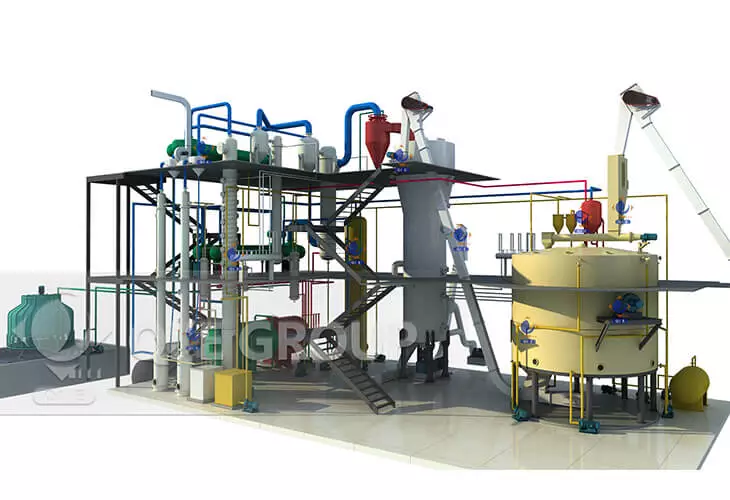
In aggregate, these three technical strategies—enhanced evaporation-condensation system design, precise desolventizing temperature control, and active miscella concentration management—are the pillars to surpass 98% hexane recovery. Achieving this not only drives down solvent procurement costs and energy consumption but also aligns with stringent solvent recovery environmental regulations.

 99
|
99
|
 soybean oil press machine technology
types of soybean oil presses
efficient oil extraction
soybean oil press machine technology
types of soybean oil presses
efficient oil extraction
 401
|
soybean oil factory
multi-step production technology
soybean oil production process
oil yield
market standards
401
|
soybean oil factory
multi-step production technology
soybean oil production process
oil yield
market standards
 366
|
seed preprocessing equipment for oil extraction
comprehensive solutions for edible oil production
customer-centric service in oil processing
366
|
seed preprocessing equipment for oil extraction
comprehensive solutions for edible oil production
customer-centric service in oil processing
 281
|
soybean oil plant quality control
food safety standards in oil processing
green soybean oil production
automated oil mill systems
energy-efficient oil extraction
281
|
soybean oil plant quality control
food safety standards in oil processing
green soybean oil production
automated oil mill systems
energy-efficient oil extraction
 38
|
soybean oil press
small-scale soybean oil machines
high-efficiency screw oil extractor
38
|
soybean oil press
small-scale soybean oil machines
high-efficiency screw oil extractor