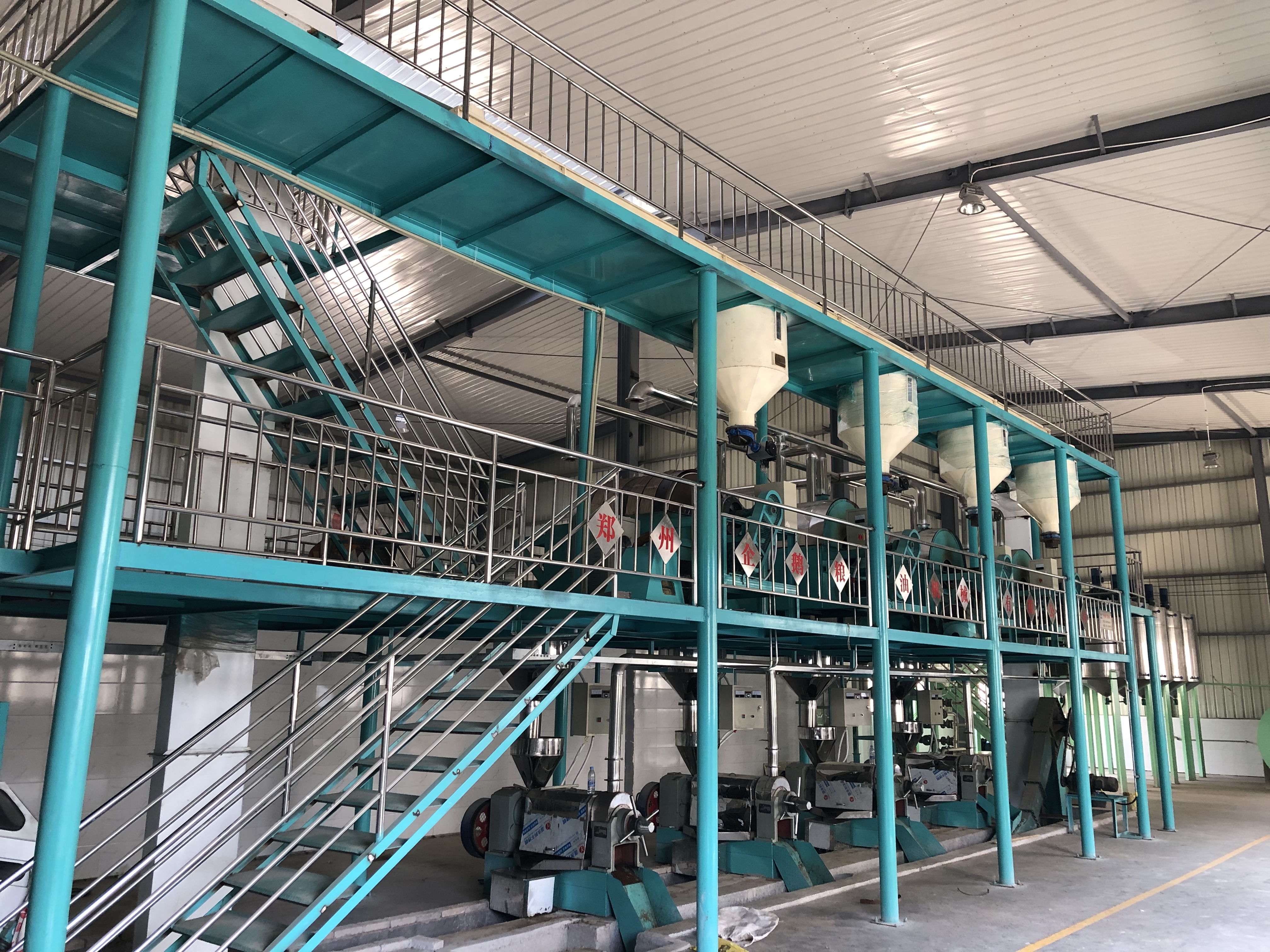
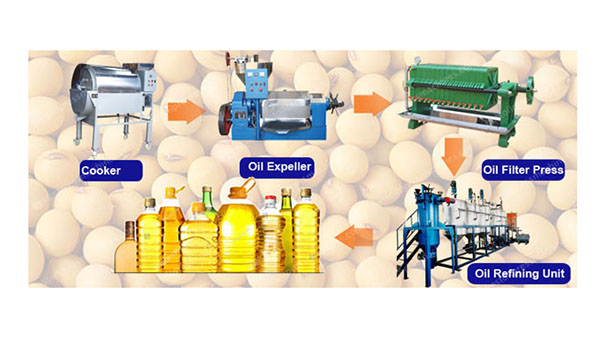
In the soybean oil industry, achieving a high hexane recovery rate is critical for both economic efficiency and environmental compliance. This article presents a detailed exploration of the technical factors influencing hexane recovery in solvent extraction processes. By evaluating design optimization, process control, and maintenance management, it aims to equip industry professionals with practical strategies proven effective through comparative factory data and real-world operational cases.
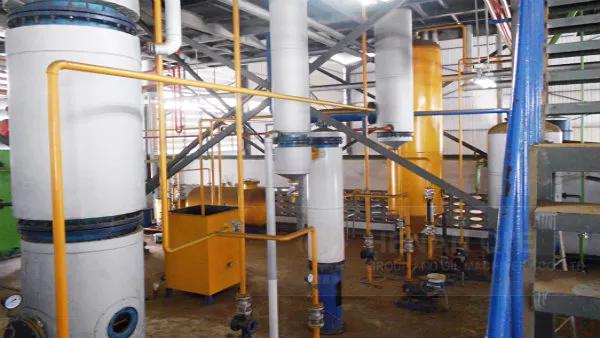
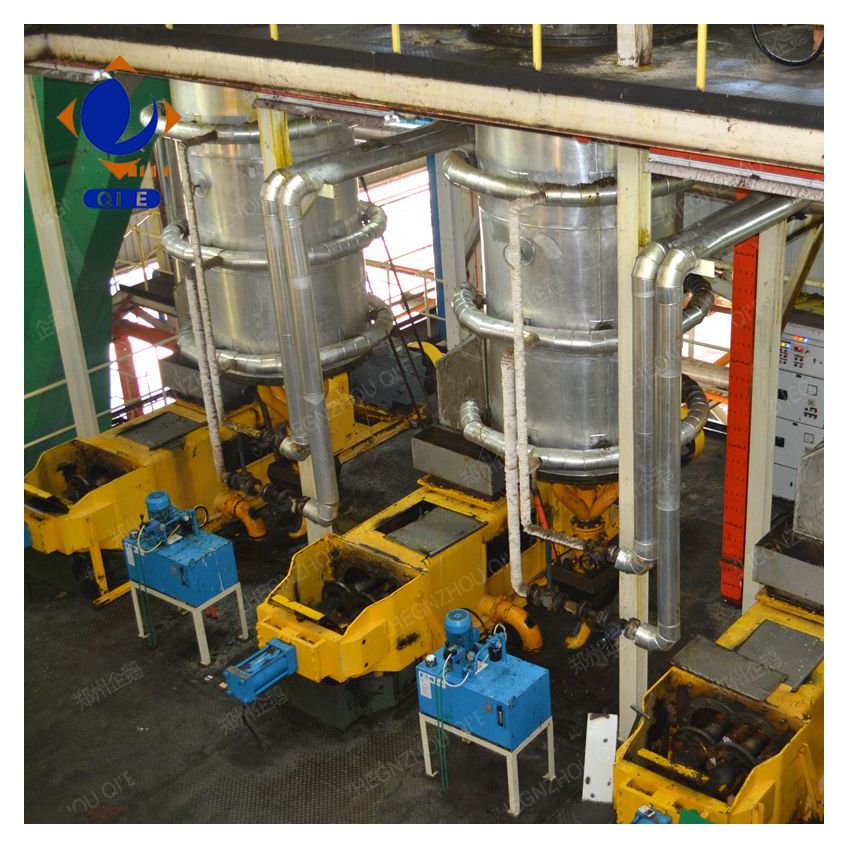
The evaporation-condensation system plays a pivotal role in recovering hexane from miscella during soybean solvent extraction. Enhancing heat exchange efficiency through improved exchanger surface area and advanced condensing unit configurations can raise recovery rates substantially. For example, upgrading shell-and-tube heat exchangers to plate heat exchangers in certain plants has achieved heat transfer efficiency improvements exceeding 15%, directly increasing hexane condensation efficiency.
Proper sizing and material selection of condensers are equally crucial, as they affect vapor-liquid contact and durability under frequent temperature cycling. Advanced materials resist corrosion and fouling, minimizing downtime and maintaining consistent recovery levels.
Precise temperature regulation in the desolventizing step strongly influences hexane recovery and operational costs. Industrial data indicate that maintaining desolventizing temperatures near 80-90°C optimizes solvent removal from the meal while reducing excessive energy consumption. Operating at temperatures significantly above 100°C can lead to marginal recovery gains but sharply increase fuel usage by 10-12%.
Conversely, suboptimal lower temperatures often cause elevated residual solvent in meal, compromising product quality and regulatory compliance. Automated temperature control systems integrated within the Distributed Control System (DCS) allow for real-time adjustments, minimizing fluctuations and ensuring energy-efficient desolventizing.
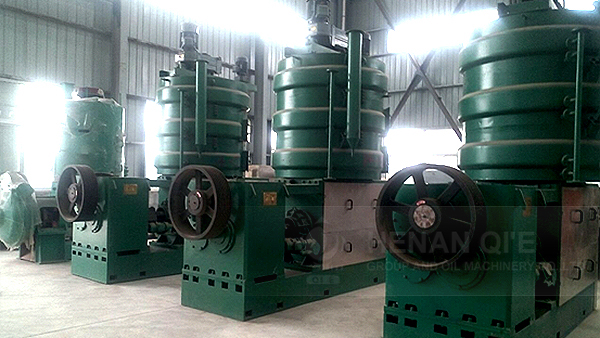
Miscella concentration significantly impacts hexane vapor pressure and recovery rates. Continuous online monitoring via spectrometric or refractometric sensors has been adopted by leading plants to maintain miscella at optimal concentration ranges (typically 18–22% oil content). This fine-tuning reduces solvent losses by up to 1.5% and enhances process stability.
These sensor-based systems feed data directly into the control loop, enabling swift corrective actions based on real-time parameters like temperature, concentration, and flow rate, thus avoiding costly solvent wastage.
Maintaining tight sealing on all solvent-containing equipment is essential to prevent hexane losses and ensure worker safety. Industry best practices emphasize scheduled preventive maintenance including gasket replacement, welding inspections, and leakage detection with portable gas analyzers.
Data from multiple plants show that implementing robust maintenance protocols decreases unplanned downtime by over 20%, contributing directly to an overall hexane recovery rate exceeding 98%.
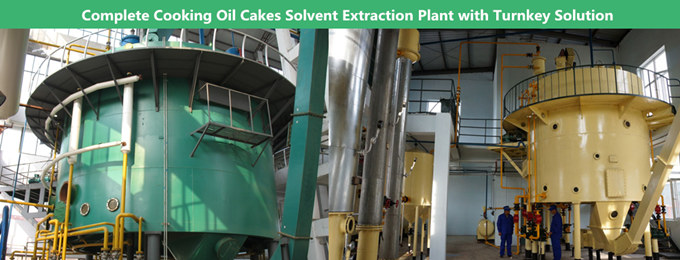
Comparative analysis from several large-scale factories indicates that integrating improved heat exchangers, precise temperature control, miscella concentration management, and proactive maintenance cumulatively elevates hexane recovery from average rates around 94% to 98.5-99%.
This 4-5% improvement translates into significant solvent savings—amounting to hundreds of thousands of US dollars annually in typical plants processing 100,000 metric tons of soybeans per year—as well as substantial reductions of volatile organic compounds (VOCs) emissions, meeting stricter environmental regulations.
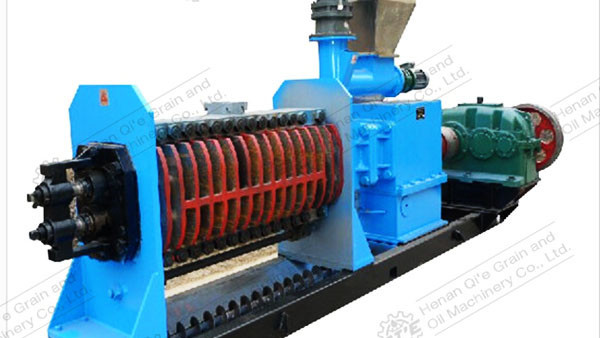
The implementation of advanced automation systems including Distributed Control Systems (DCS) with integrated sensors and real-time alarms dramatically improves process control and early detection of anomalies. Plants utilizing these systems report up to 30% faster response times to deviations, contributing to consistent solvent recovery and minimizing environmental impact.
Automation also aids compliance with increasingly stringent VOC emission standards by maintaining solvent recovery above 98%, thus helping factories meet both economic and regulatory targets.

 79
|
79
|
 soybean oil extraction rate improvement
desolventizing equipment optimization
solvent recovery in oil processing
crude soybean oil purity enhancement
soybean processing plant technical upgrade
soybean oil extraction rate improvement
desolventizing equipment optimization
solvent recovery in oil processing
crude soybean oil purity enhancement
soybean processing plant technical upgrade
 62
|
soybean meal export
soybean meal quality standards
soybean meal transportation
soybean meal storage
soybean meal customer acceptance
62
|
soybean meal export
soybean meal quality standards
soybean meal transportation
soybean meal storage
soybean meal customer acceptance
 216
|
soybean oil refining process
phospholipid removal technology
continuous oil refining system
oil degumming and bleaching
edible oil processing techniques
216
|
soybean oil refining process
phospholipid removal technology
continuous oil refining system
oil degumming and bleaching
edible oil processing techniques
 488
|
soybean oil flavor
nutritional advantages
food quality
healthy cooking
488
|
soybean oil flavor
nutritional advantages
food quality
healthy cooking
 47
|
Soybean Oil Extractor
Soybean Oil Press Machine
Mechanical Soybean Oil Extractor
Solvent Soybean Oil Extractor
Biodiesel Soybean Oil Extractor
Edible Oil Soybean Oil Extractor
Industrial Soybean Oil Extractor
Compact Soybean Oil Extractor
Energy Efficient Soybean Oil Extractor
47
|
Soybean Oil Extractor
Soybean Oil Press Machine
Mechanical Soybean Oil Extractor
Solvent Soybean Oil Extractor
Biodiesel Soybean Oil Extractor
Edible Oil Soybean Oil Extractor
Industrial Soybean Oil Extractor
Compact Soybean Oil Extractor
Energy Efficient Soybean Oil Extractor