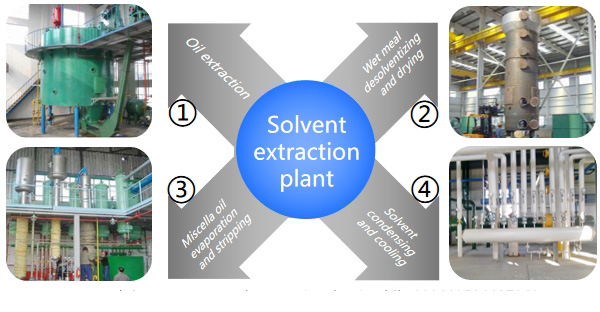
Industry Insight: Hexane solvent extraction remains the most efficient method for soybean oil production, with modern facilities achieving extraction rates of 97-99% compared to 75-80% with mechanical pressing alone, according to the American Oil Chemists' Society (AOCS).
Soybean oil production has evolved significantly over the past decades, with solvent extraction becoming the industry standard for large-scale operations. This method not only maximizes oil yield but also ensures consistent quality when implemented with proper safety protocols. Let's explore the step-by-step process that transforms soybeans into high-quality edible oil.
The process begins with careful cleaning of soybeans to remove impurities such as stones, dirt, and broken kernels. After cleaning, the beans are conditioned through controlled heating and moisture adjustment to optimize cell structure for efficient oil release. The conditioned soybeans then undergo flaking—reducing them to thin flakes (0.3-0.5mm thickness) to increase surface area, a critical factor that can提升 oil extraction efficiency by up to 15%.

In the extraction stage, soybean flakes are conveyed to large extraction vessels where they come into contact with hexane solvent. The countercurrent flow system ensures maximum oil dissolution, with residence times typically ranging from 30 to 90 minutes depending on flake quality and equipment design. Modern extractors, such as the loop-type or basket-type designs, can process 50 to 500 tons of soybeans per day, making them suitable for various production scales.
The resulting mixture—called miscella—contains both oil and solvent. This mixture undergoes a multi-stage evaporation process to separate the solvent from the crude oil. The first stage uses heat exchangers to recover approximately 70-80% of the solvent, while subsequent stages employ vacuum distillation to reduce solvent levels to less than 500 ppm. The recovered solvent is purified and recycled back into the extraction process, achieving over 99% solvent recovery rates in well-designed systems.
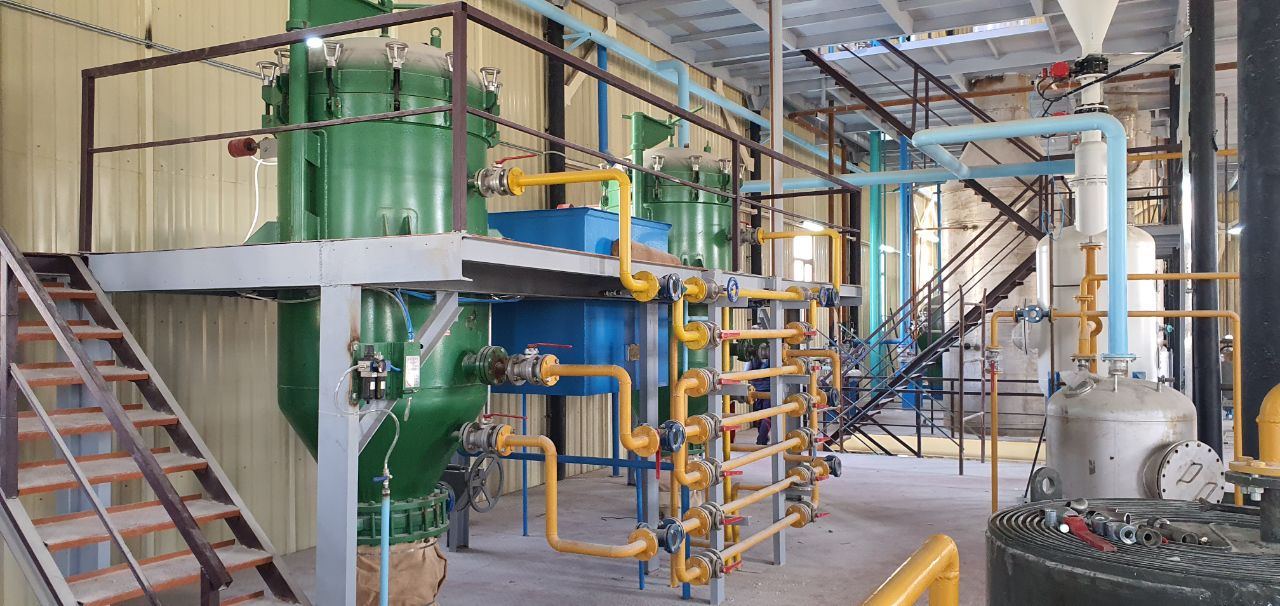
Hexane's flammable nature requires rigorous safety measures. Facilities must implement:
According to OSHA standards, workplace hexane exposure must not exceed 500 ppm over an 8-hour time-weighted average, emphasizing the importance of proper ventilation and personal protective equipment.
Modern soybean oil extraction facilities prioritize environmental stewardship through several key strategies:
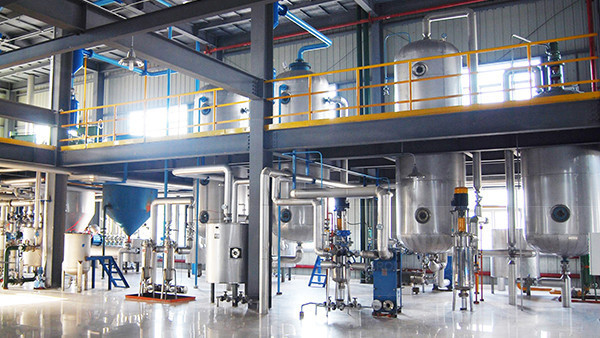
Even with proper design, operators may encounter issues such as inconsistent oil yield or solvent残留. Common solutions include:
| Challenge | Solution |
|---|---|
| High solvent残留 in meal | Adjust desolventizer temperature or increase residence time |
| Low extraction efficiency | Optimize flake thickness or adjust solvent-to-flake ratio |
| Excessive solvent losses | Inspect system for leaks and optimize recovery system parameters |
Discover how 企鹅集团's advanced solvent extraction systems can提升 your production efficiency while ensuring the highest safety and environmental standards.
Explore Energy-Efficient Extraction SolutionsImplementing best practices in hexane solvent extraction not only ensures compliance with safety and environmental regulations but also contributes to bottom-line improvements through higher yields and reduced operating costs. As the industry continues to evolve, staying updated on technological advancements and operational excellence remains key to maintaining competitiveness in the global edible oil market.

 415
|
415
|
 soybean oil refining process
refining equipment comparison
edible oil quality improvement
continuous refining system
soybean oil processing technology
481
|
soybean oil refining system
semi continuous oil refining
continuous oil refining equipment
edible oil processing solution
oil refining system optimization
soybean oil refining process
refining equipment comparison
edible oil quality improvement
continuous refining system
soybean oil processing technology
481
|
soybean oil refining system
semi continuous oil refining
continuous oil refining equipment
edible oil processing solution
oil refining system optimization
 71
|
Soybean oil refining process
Edible oil shelf life extension
Refining equipment selection
Free fatty acid removal
Oil oxidation control
71
|
Soybean oil refining process
Edible oil shelf life extension
Refining equipment selection
Free fatty acid removal
Oil oxidation control
 180
|
soybean solvent extraction hexane recovery
hexane solvent recovery technology
evaporation-condensation system optimization
solvent recovery industrial practices
soybean oil solvent recycling
59
|
Soybean oil refining machine
Refining machine selection
Soybean oil processing guide
Refining equipment maintenance
Oil processing equipment
180
|
soybean solvent extraction hexane recovery
hexane solvent recovery technology
evaporation-condensation system optimization
solvent recovery industrial practices
soybean oil solvent recycling
59
|
Soybean oil refining machine
Refining machine selection
Soybean oil processing guide
Refining equipment maintenance
Oil processing equipment