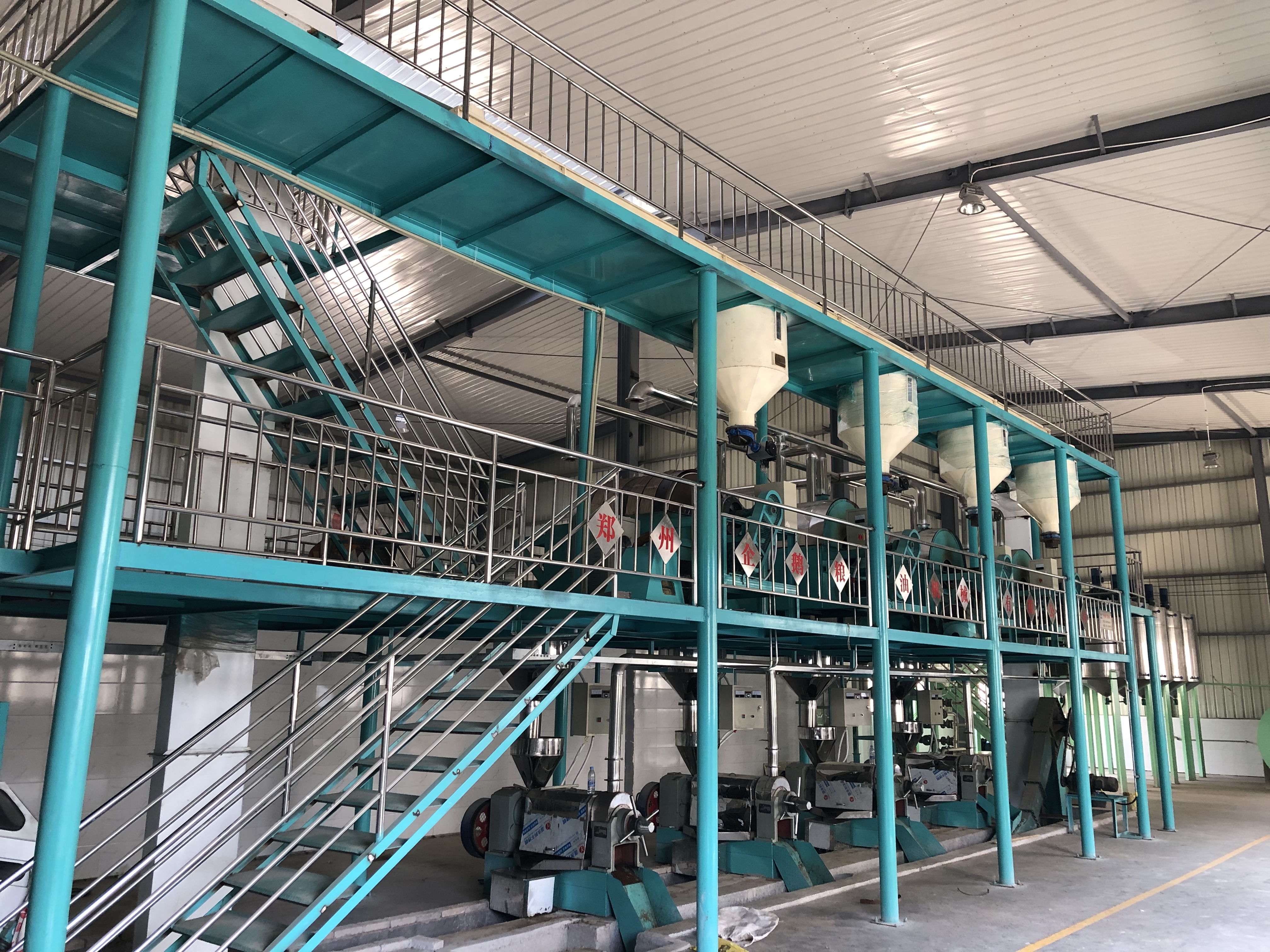
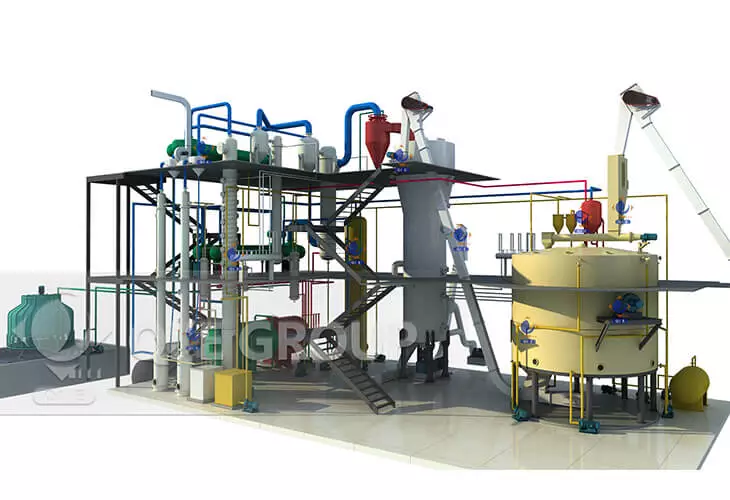
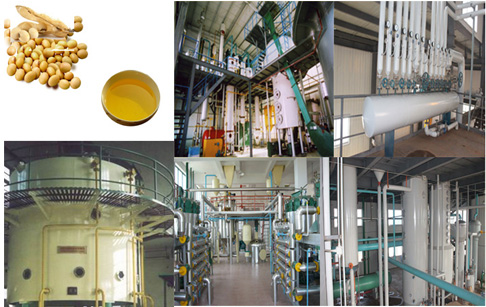
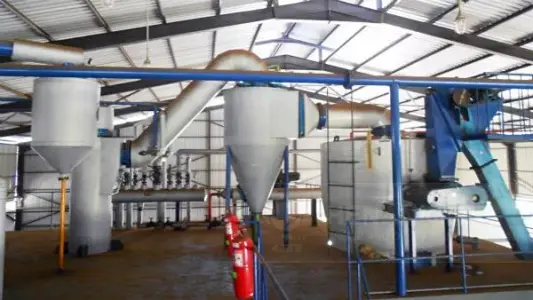
Hexane Solvent Extraction for Soybean Oil: Process Workflow, Safety Standards, and Solvent Recovery
2026-03-18
QI ' E Group
Tutorial Guide
This guide provides a clear, technical overview of hexane solvent extraction in soybean oil production, detailing the end-to-end workflow from preparation and extraction through desolventizing, distillation, and final oil refining readiness. It explains the role of key equipment and automation controls that improve extraction efficiency, energy utilization, and operational stability across different plant capacities. A central focus is placed on safety management—covering explosion prevention, leak detection, ventilation, grounding, personnel protection, and compliant operating procedures—to reduce chemical-solvent risk and protect workers and facilities. The article also summarizes modern solvent recovery approaches and environmental protection practices, including vapor capture and closed-loop recovery strategies that support greener operations. Practical challenges commonly faced in production are addressed with actionable mitigation measures and field-tested recommendations. For facilities seeking to upgrade safety and sustainability performance, Penguin Group’s eco-friendly solvent extraction equipment is introduced as a low-disruption path to improved control, recovery efficiency, and long-term compliance readiness.
Hexane Solvent Extraction for Soybean Oil: Process Flow, Equipment, and Safety Management That Holds Up in Real Plants
In industrial soybean oil production, hexane solvent extraction remains a mainstream route because it combines high oil yield with scalable throughput—especially when paired with disciplined safety engineering and robust solvent recovery. For decision-makers and plant managers, the real competitive edge is not “using hexane,” but operating a controlled, auditable system: stable product quality, predictable energy use, low solvent loss, and consistent compliance performance.
This guide explains the end-to-end workflow, the critical control points (CCPs) that actually move the needle, and a practical safety operating philosophy aligned with common international expectations (e.g., ATEX/IECEx equipment concept, NFPA-style flammable-liquid controls), while keeping the language accessible for cross-functional teams.
1) How the Hexane Extraction Line Works (From Beans to Crude Oil)
A typical soybean oil extraction line is a “mechanical + chemical” system. Mechanical pretreatment makes the oil accessible; the solvent stage drives yield. In many commercial plants, properly optimized solvent extraction can achieve residual oil in meal around 0.6–1.2% (process- and material-dependent), compared with higher residual oil in purely mechanical routes.
Operational logic: maximize oil transfer into miscella, then remove and recover hexane with minimal emissions and minimal fire/explosion risk.
2) Key Equipment Configuration (What Matters More Than Model Names)
Buyers often compare extractor types and evaporation trains, but performance and risk control come from system integration: sealing strategy, nitrogen blanketing concept, vapor handling, instrumentation, and automation depth.
Extractor & Miscella Circuit
Counter-current extraction is widely used to improve mass transfer efficiency. Typical miscella concentration can range roughly 20–35% oil, depending on design and operating targets. Stable bed depth, consistent flake quality, and controlled solvent-to-solid ratio are core levers.
Desolventizer-Toaster (DT/DC) for Meal
DT/DC performance influences meal safety and downstream value. A well-run unit targets very low residual solvent in meal (commonly < 500 ppm in many industry practices, subject to local rules and customer specs), while protecting protein functionality and controlling moisture.
Distillation, Condensation & Vacuum System
Multi-stage evaporation plus steam stripping is common for miscella solvent removal. Practical targets include keeping solvent loss low—many optimized facilities operate around 0.2–0.5 kg hexane per ton of seeds (site-specific; strongly affected by sealing, vent control, and maintenance).
Automation & Controls (PLC/DCS)
High-value automation features include: solvent vapor monitoring, interlocked ventilation, emergency isolation valves, temperature/pressure trending, permissive logic for startup/shutdown, and batch-to-batch traceability. These capabilities support both productivity and defensible safety management.
3) Safety Operating Standards: From “Rules” to a Living System
Hexane is a flammable solvent; risk is manageable when engineering controls and daily discipline work together. In practice, best-performing plants treat safety as a closed-loop management process: identify hazards, design controls, verify performance, document, and continuously improve.
SOPs, LOTO, hot-work permits, training drills, PPE selection
Competency checks, near-miss review
“In solvent plants, the strongest safety programs are measurable: solvent loss KPIs, alarm discipline, and maintenance closure rates. If you cannot trend it, you cannot manage it.”
— Common viewpoint among process safety auditors and senior operations leaders
In many regions, solvent plants are judged as much by emissions and housekeeping as by output. Strong recovery systems reduce operating costs and improve ESG credibility—two factors that increasingly influence long-term contracts in global B2B procurement.
Recovery Methods Commonly Used
Condensation trains to capture solvent vapors from distillation and DT/DC exhaust streams.
Mineral oil absorption (or similar) to capture low-concentration solvent from vents before discharge.
Closed-loop routing and well-designed condensate handling to prevent secondary emissions.
Solvent balance accounting (in/out/loss) as a management KPI, not just a finance number.
Operationally, plants that treat “solvent loss per ton” as a weekly performance indicator often discover quick wins in seals, maintenance discipline, and vent recovery tuning.
5) Technical Challenges on the Floor—and Practical Fixes
A solvent extraction line may look stable on paper, but real operations face shifting raw material, seasonal moisture, and maintenance variability. Below are frequent issues and field-tested approaches used by experienced teams.
Challenge: Meal residual solvent feels “sticky” to control
Likely drivers: unstable DT/DC steam, poor vapor routing, or inconsistent feed rate. Practical fix: tighten steam control loops, verify exhaust condensation capacity, and align extractor feed with DT/DC residence time. Track residual solvent alongside moisture—these two metrics often move together.
Challenge: Solvent loss creeping up over weeks
Likely drivers: seal wear, vent system drift, or poor shutdown inspection discipline. Practical fix: implement a solvent-loss “Pareto review” with maintenance tags. Many teams regain performance by standardizing gasket replacement intervals and adding quick leak-check routines after interventions.
Likely drivers: fines carryover, miscella filtration gaps, or upstream flaking inconsistency. Practical fix: improve fines management, verify filtration, and stabilize flake thickness/conditioning. A small upstream change can reduce downstream polishing load and keep crude oil more consistent.
6) What to Look For When Upgrading Toward “Greener” Extraction
Sustainability in solvent extraction is rarely a single device—it is a performance package: tighter sealing, smarter recovery, better heat integration, and automation that reduces human exposure. For global buyers, these upgrades also signal mature governance, which helps in audits and long-term supplier approvals.
Practical “Green-Ready” Checklist
Lower solvent loss target with documented solvent balance KPI
Enhanced vent capture (condensation + absorption) and safe routing
Heat recovery concepts (where feasible) to reduce steam and cooling loads
Explosion-proof design philosophy, grounded equipment, and clear zoning
Training system that includes drills, not only onboarding slides
Penguin Group often sees that plants prioritizing these fundamentals achieve the best mix of throughput stability, compliance confidence, and easier scale-up planning.
Explore an Eco-Friendly Soybean Oil Extraction Machine Built for Safer Solvent Management
If your team is evaluating upgrades—especially around solvent recovery, automation interlocks, or cleaner vent management—an equipment review can quickly reveal where efficiency and safety can be improved together. A modern, eco-oriented extraction solution is often less about “new hardware” and more about a tighter, better-instrumented system that operators can run consistently.
Tip for procurement teams: request a solvent-loss KPI target range, vent control concept, and commissioning/training scope in writing to make comparisons fair.