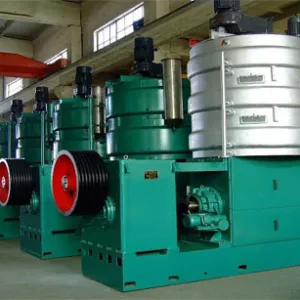
Soybean oil presses play a crucial role in the oil and grain processing industry. Understanding their working principle and operation process is essential for small and medium - sized oil mills and grain and oil processing export enterprises to improve efficiency and oil quality.
The pre - treatment of soybeans is the first step in the oil extraction process. It mainly includes cleaning and conditioning. Cleaning can remove impurities such as stones, dust, and broken beans from soybeans. This step is crucial as impurities can not only damage the oil press but also affect the quality of the final oil product. Conditioning, on the other hand, adjusts the moisture content and temperature of soybeans. Generally, the optimal moisture content for soybeans before pressing is around 10% - 12%. When the moisture content is within this range, the oil cells in soybeans are more likely to be broken during the pressing process, which can increase the oil yield by about 2% - 5%.
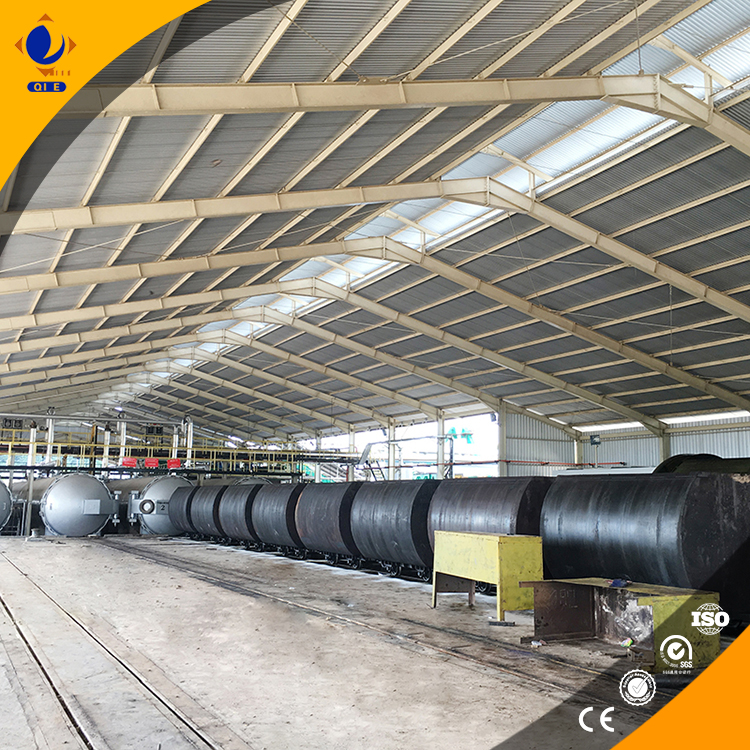
There are mainly three types of soybean oil presses: screw, hydraulic, and integrated oil - filtering presses. Each type has its own unique pressing principle and operation details.
Screw oil presses work by using a rotating screw to push soybeans forward in the pressing chamber. As the screw rotates, the volume of the pressing chamber gradually decreases, generating high pressure to squeeze out the oil from soybeans. The pressure in the pressing chamber can reach up to 30 - 50 MPa. Hydraulic oil presses, however, use hydraulic cylinders to apply pressure to the soybeans. They can provide a more stable and uniform pressure, which is suitable for pressing high - quality oils. Integrated oil - filtering presses combine the functions of pressing and oil filtering, which can simplify the production process.
Screw oil presses are widely used in small and medium - sized oil mills due to their high efficiency and continuous operation ability. They can process about 1 - 5 tons of soybeans per day. Hydraulic oil presses are more suitable for producing high - end oils because they can better preserve the nutrients and flavor of the oil. However, their production capacity is relatively low, usually processing 0.5 - 2 tons of soybeans per day. Integrated oil - filtering presses are ideal for small - scale workshops or home use because of their simple operation and small footprint.
The operation process of a soybean oil press includes feeding, pressing, oil filtering, and cake discharging. During operation, it is necessary to control key parameters such as feeding speed, pressing temperature, and pressure. The feeding speed should be adjusted according to the capacity of the oil press to ensure continuous and stable operation. The pressing temperature is generally controlled at 100 - 120°C to ensure the best oil extraction effect.
Regular maintenance is also essential for the normal operation of the oil press. Daily maintenance mainly includes checking the lubrication of parts, the tightness of bolts, and the wear of key components. For example, the screw in the screw oil press should be checked regularly for wear, and it needs to be replaced when the wear reaches a certain degree.
| Problem | Solution |
|---|---|
| Low oil yield | Check the pre - treatment of soybeans, adjust the pressing parameters, and check the wear of the pressing parts. |
| Oil contains too many impurities | Check the filtering system, clean or replace the filter screen, and ensure the quality of the pre - treatment of soybeans. |
If you want to learn more about soybean oil presses and their related technologies, click here for in - depth technical consultation and product information.