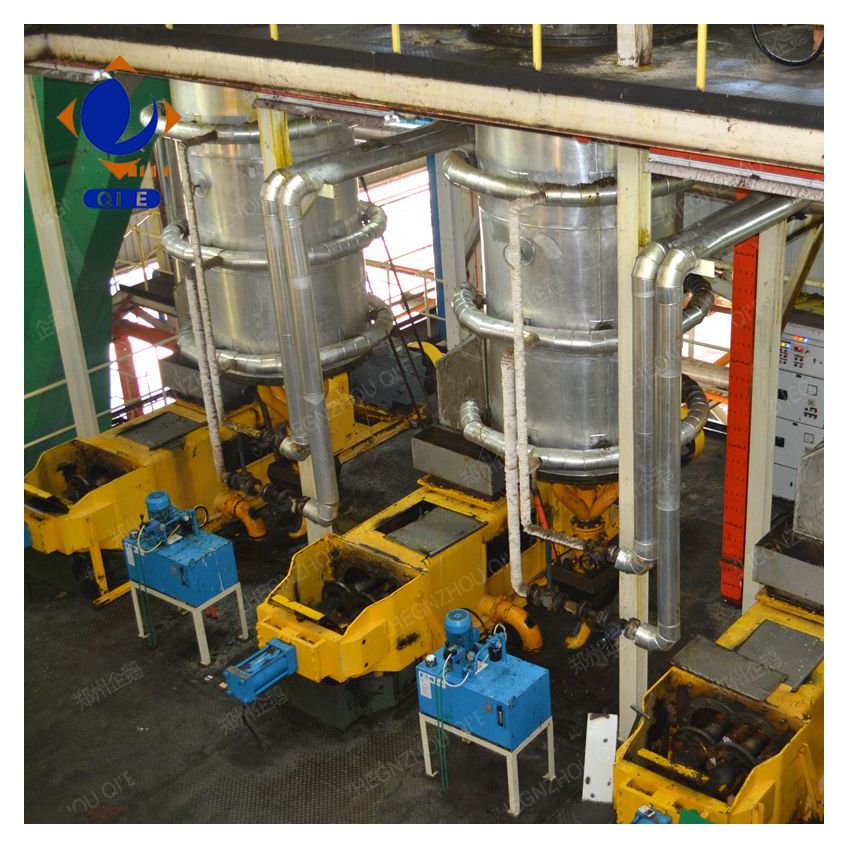
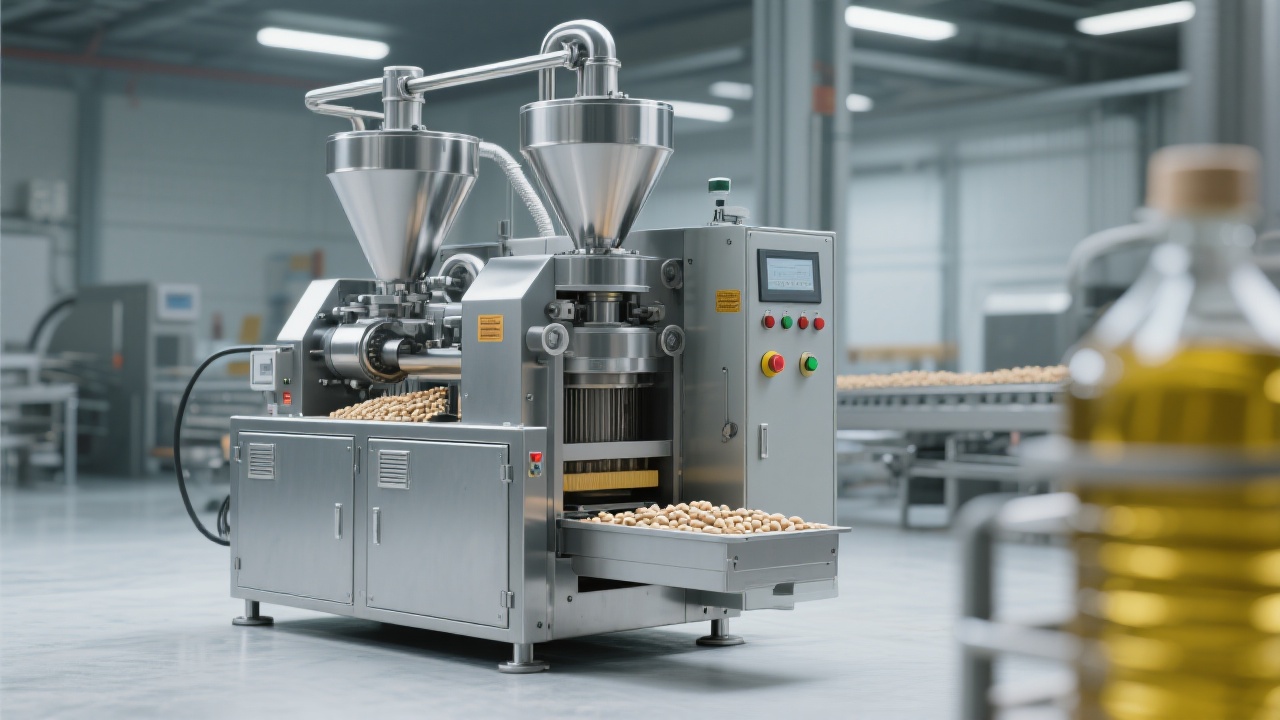
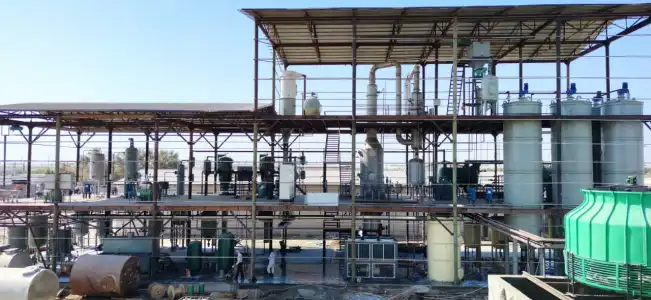
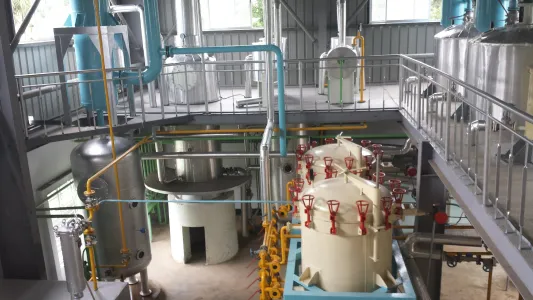
When it comes to soybean oil refining, different production scales require different types of refining equipment. There are mainly three types of soybean oil refining systems: batch, semi - continuous, and continuous. Each has its own unique functions and technical features.
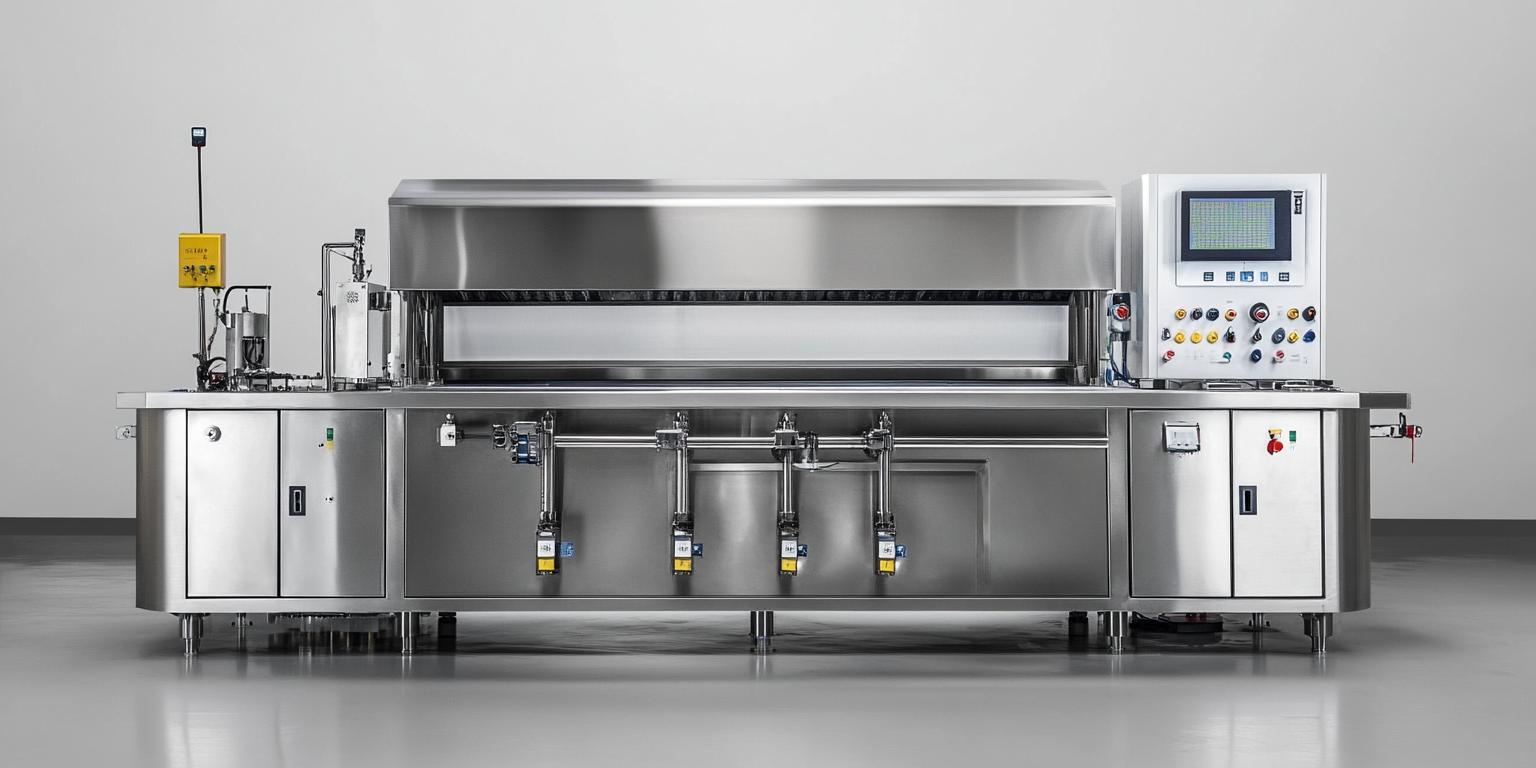
The batch system is relatively simple in structure. It is suitable for small - scale production, with a daily output usually ranging from 1 - 10 tons. This system is characterized by its flexibility, as you can easily adjust the production process according to different batches of raw materials. The semi - continuous system lies between the batch and continuous systems. It can achieve a certain degree of automation, with a daily output of about 10 - 50 tons. The continuous system, on the other hand, is highly automated and designed for large - scale production, with a daily output of over 50 tons.
Small producers often lean towards batch systems. One of the main reasons is the lower investment cost. For a batch system, the initial investment can be as low as $10,000 - $50,000, which is quite affordable for startups. Also, the operation of the batch system is relatively simple, and small producers can quickly master the skills.
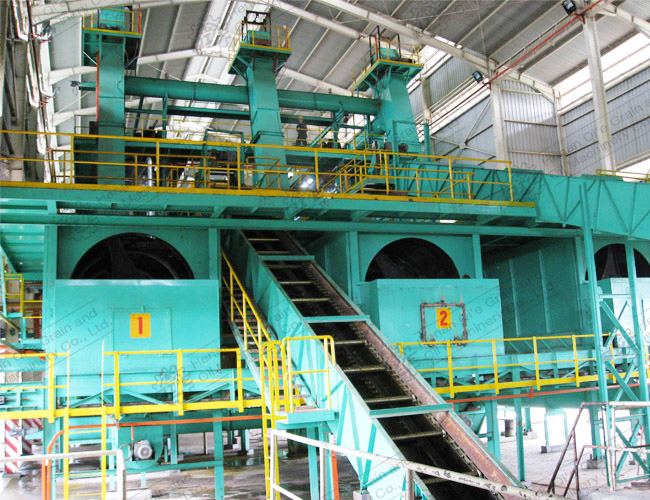
In contrast, medium and large enterprises benefit more from continuous systems. The continuous system can achieve high - speed and stable production. For example, a large - scale oil factory with a continuous system can produce up to 200 tons of refined soybean oil per day. It also has better product consistency and lower labor costs in the long run.
First, consider your production goals. If your daily output target is less than 10 tons, a batch system might be the best choice. For a medium - sized enterprise aiming for a daily output of 10 - 50 tons, a semi - continuous system could be more suitable. And if you plan to produce over 50 tons per day, a continuous system is the way to go.
Automation level is another important factor. If you want to reduce labor costs and improve production efficiency, a more automated system is needed. However, more automation also means a higher investment. A batch system may require 2 - 3 operators, while a continuous system can be operated by only 1 - 2 people with the help of advanced control systems.
Your investment budget also plays a crucial role. A batch system usually costs less than $50,000, a semi - continuous system may cost between $50,000 - $200,000, and a continuous system can cost over $200,000.
During the installation process, make sure the equipment is installed on a flat and firm foundation. The pipeline connections should be tight to prevent leakage. After installation, conduct a comprehensive inspection of the electrical system and mechanical parts.
For daily maintenance, regularly clean the equipment to prevent the accumulation of impurities. Check the lubrication of moving parts and replace the lubricating oil in time. Also, monitor the temperature and pressure of the system during operation.
If you encounter problems such as abnormal noise or low production efficiency, first check the power supply and electrical connections. Then, inspect the mechanical parts for wear and tear. For preventive measures, conduct regular equipment inspections and replace vulnerable parts in advance.
Let's take a small startup as an example. They initially chose a batch system with an investment of about $30,000. With the growth of the business, they gradually upgraded to a semi - continuous system. A large - scale oil factory, on the other hand, directly installed a continuous system with an investment of over $300,000, achieving high - efficiency production and cost optimization.
Understanding more about efficient soybean oil refining equipment solutions can help your factory achieve intelligent upgrading. Click here to get exclusive configuration advice.

 402
|
402
|
 Soybean Oil Factory
Soybean Oil Press Machine
Soybean Oil Extraction
Soybean Oil Refining
Small-Scale Soybean Oil Factory
Large-Scale Soybean Oil Factory
Soybean Oil Packaging
By-products of Soybean Oil
Industrial Soybean Oil Applications
Advanced Soybean Oil Machinery
Soybean Oil Factory
Soybean Oil Press Machine
Soybean Oil Extraction
Soybean Oil Refining
Small-Scale Soybean Oil Factory
Large-Scale Soybean Oil Factory
Soybean Oil Packaging
By-products of Soybean Oil
Industrial Soybean Oil Applications
Advanced Soybean Oil Machinery
 289
|
Continuous refining system
Soybean oil refining machine
Oil processing automation
Refining equipment selection
Edible oil production efficiency
289
|
Continuous refining system
Soybean oil refining machine
Oil processing automation
Refining equipment selection
Edible oil production efficiency
 62
|
Soybean Oil Press
African Market
Small and Medium Enterprises
62
|
Soybean Oil Press
African Market
Small and Medium Enterprises
 34
|
soybean oil press
efficient oil extraction equipment
types of soybean oil presses
34
|
soybean oil press
efficient oil extraction equipment
types of soybean oil presses
 474
|
compact palm oil production line
Penguin Group
cold hot pressing technology
high oil yield
customized solutions
farm oil yield increase case study
474
|
compact palm oil production line
Penguin Group
cold hot pressing technology
high oil yield
customized solutions
farm oil yield increase case study