For soybean processors eyeing international markets, achieving consistent oil purity isn’t just a quality goal—it’s a compliance necessity. The integration of advanced filtration systems into modern soybean oil presses has transformed how manufacturers meet export standards like ISO 22000, HACCP, and EU food safety regulations.
In traditional setups, oil is often filtered manually after pressing—leading to delays, inconsistent results, and contamination risks. A properly designed integrated filtration system reduces impurities by up to 85% compared to batch filtering methods, according to field tests conducted by the Chinese Academy of Agricultural Sciences in 2023.
This means fewer suspended solids, lower free fatty acid (FFA) levels, and improved shelf life—all critical for buyers in Europe, the Middle East, and North America who demand high-purity edible oils.
| Feature | Manual Filter | Integrated Filtration |
|---|---|---|
| Time per Batch | ~45 min | ~12 min |
| Labor Required | High (2 operators) | Low (1 operator) |
| Oil Clarity (NTU) | 50–70 NTU | 10–20 NTU |
Spiral榨油机 (screw press) excels at continuous operation with minimal downtime—ideal for medium-to-large scale producers aiming for 10–20 tons/day output. Its built-in filter module ensures stable flow and consistent oil clarity without interrupting production.
Hydraulic presses offer higher pressure (up to 30 MPa), making them perfect for cold-pressed oils where preserving natural nutrients is key. When paired with an integrated filter, they reduce post-press labor by over 60%, as seen in pilot programs across Turkey and Brazil.
Both systems benefit from real-time monitoring via IoT-enabled sensors that alert operators when filter clogging reaches 70% capacity—a feature now standard in premium models from leading Chinese OEMs.
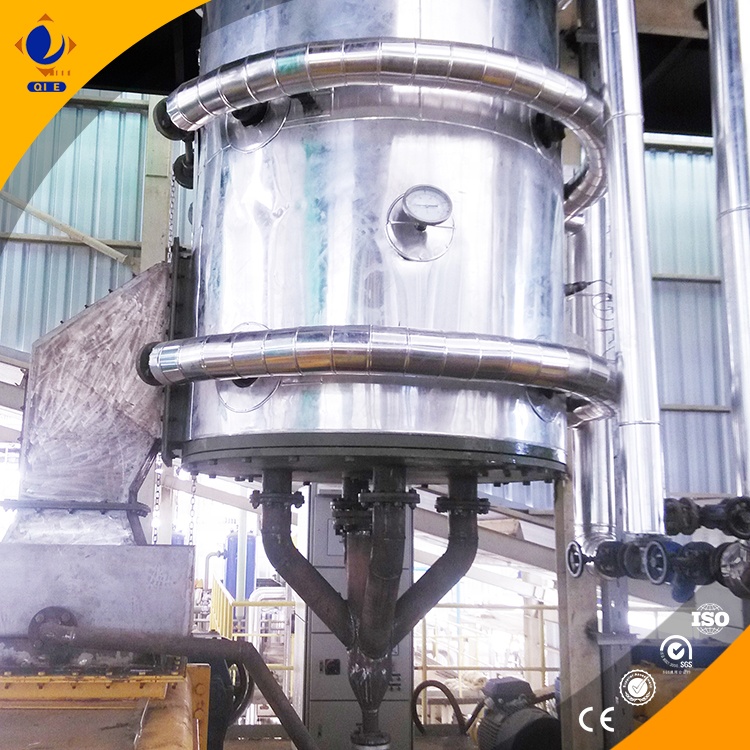
Whether you're targeting EU retailers or exporting to Gulf countries, choosing the right press with smart filtration isn't just about efficiency—it's about building trust. Buyers increasingly ask for third-party lab reports proving low phospholipid content (< 0.5%), zero metal residue, and consistent viscosity.
And here’s what many overlook: integrating filtration early in your equipment design can cut certification costs by up to 30%. Why? Because it simplifies audits and avoids costly rework later.

If you’re serious about global expansion, don’t treat filtration as an afterthought. It’s the silent enabler of compliance, consistency, and customer satisfaction.
Ready to optimize your soybean oil production for international buyers? Explore our customized soybean oil press solutions tailored for export-ready quality and operational simplicity.