.jpg?x-oss-process=image/resize,h_400,m_lfit/format,webp)
In the competitive edible oil processing industry, soybean oil extraction efficiency directly impacts production costs and profitability. For oil mill operators and technical managers seeking to optimize their operations, understanding mechanical extraction technology and mastering press parameter optimization is crucial. This comprehensive guide explores how Penguin Group's mechanical extraction solutions can help提升出油率 (increase oil yield) while maintaining product quality.
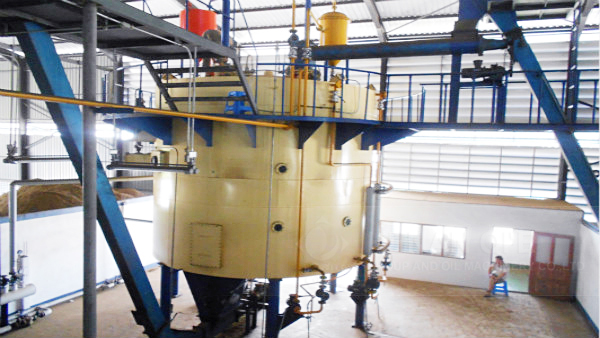
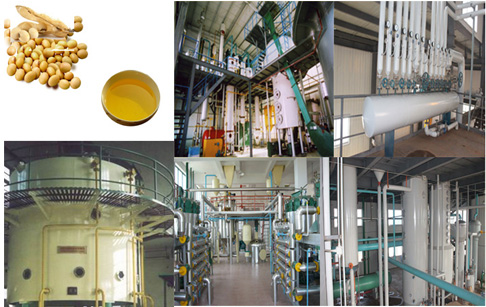
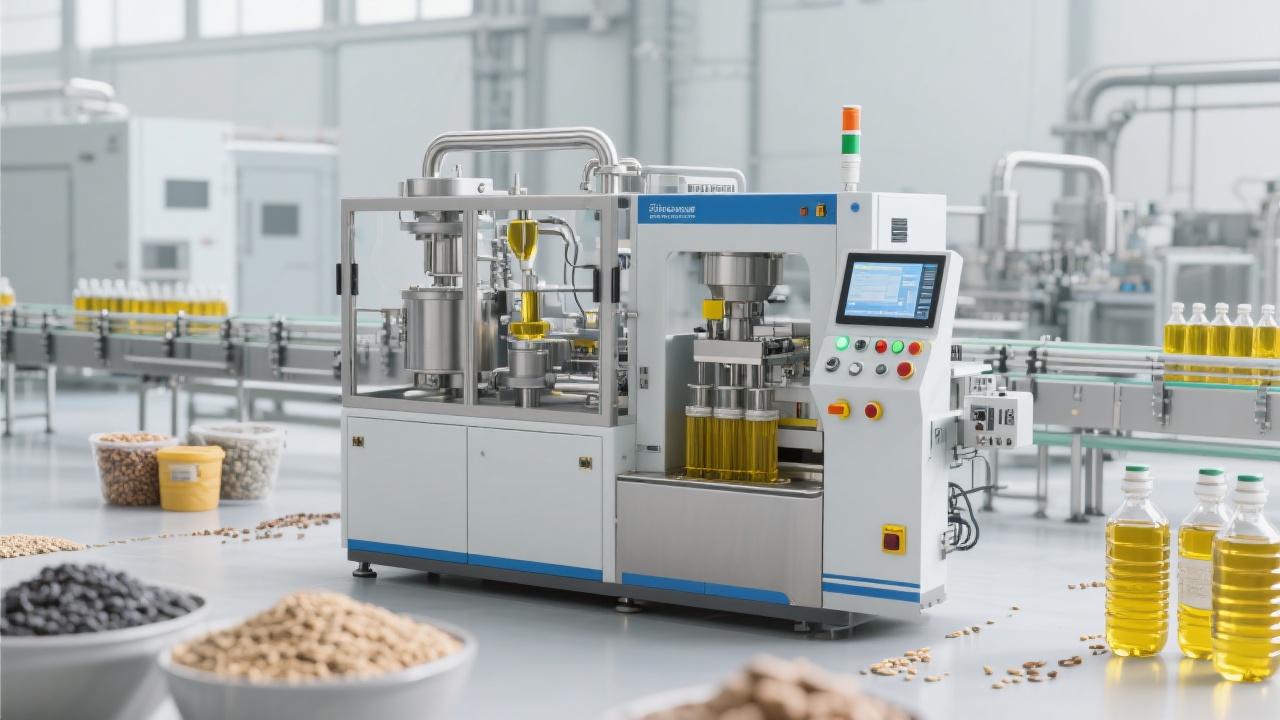
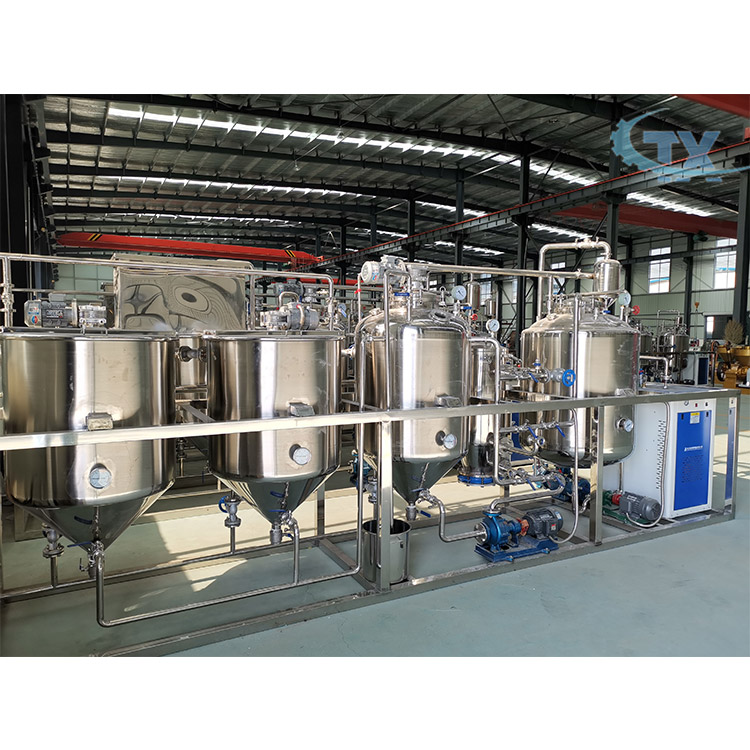
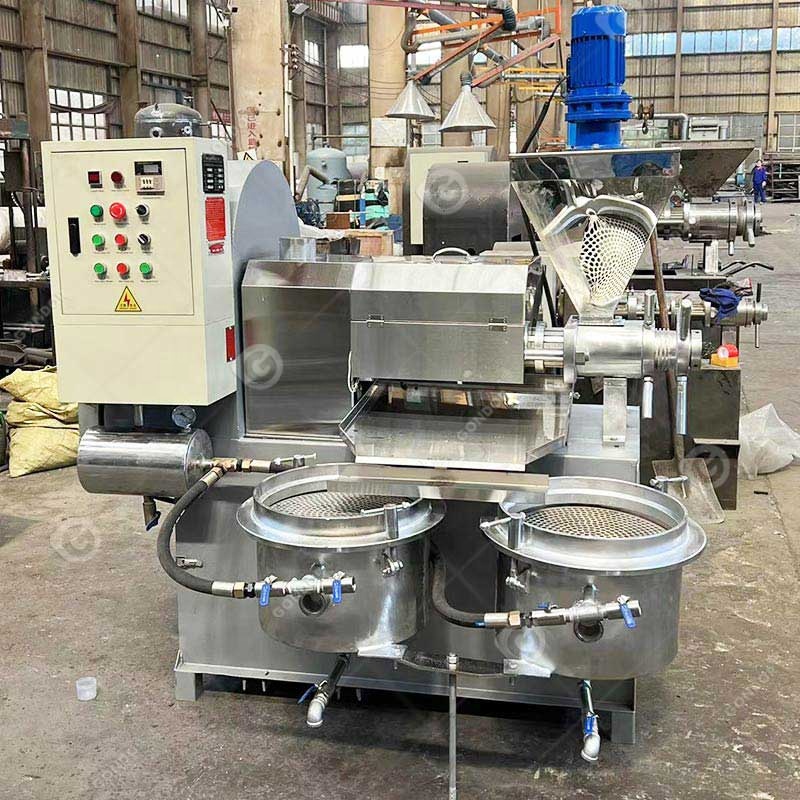
Mechanical extraction operates on the principle of applying controlled pressure and temperature to rupture oil-bearing cells in soybeans, releasing the oil without chemical solvents. This process typically achieves an oil yield of 16-18% from soybeans with 18-20% oil content, compared to solvent extraction which can reach 19-20% but involves additional processing steps.
.jpg)
Optimal temperature control during pressing is vital for maximizing oil yield. Research indicates that soybeans processed at 70-80°C achieve the best balance between oil flow and protein denaturation. Temperatures below 60°C result in higher viscosity and reduced flow, while exceeding 90°C can cause protein coagulation and oil quality degradation.
Pressure application follows a carefully designed profile throughout the press. Initial pressure of 8-10 MPa initiates oil release, gradually increasing to 25-30 MPa in the main pressing zone. Maintaining consistent pressure is critical—fluctuations greater than ±2 MPa can reduce yield by up to 1.5% according to industry studies.
| Factor | Mechanical Extraction | Solvent Extraction |
|---|---|---|
| Oil Yield | 16-18% | 19-20% |
| Capital Investment | Lower | Higher |
| Operational Complexity | Lower | Higher |
| Residue Quality | Higher protein content | May contain solvent traces |
While solvent extraction offers marginally higher yields, mechanical extraction provides significant advantages in terms of operational simplicity, lower capital investment, and superior quality of the protein-rich byproduct. For中小型 processors, mechanical extraction typically delivers better return on investment despite the slightly lower yield.
Based on case studies from over 50 oil mills implementing Penguin Group's optimization protocols, we've identified key techniques that can提升出油率 (increase oil yield) by 1-3%:
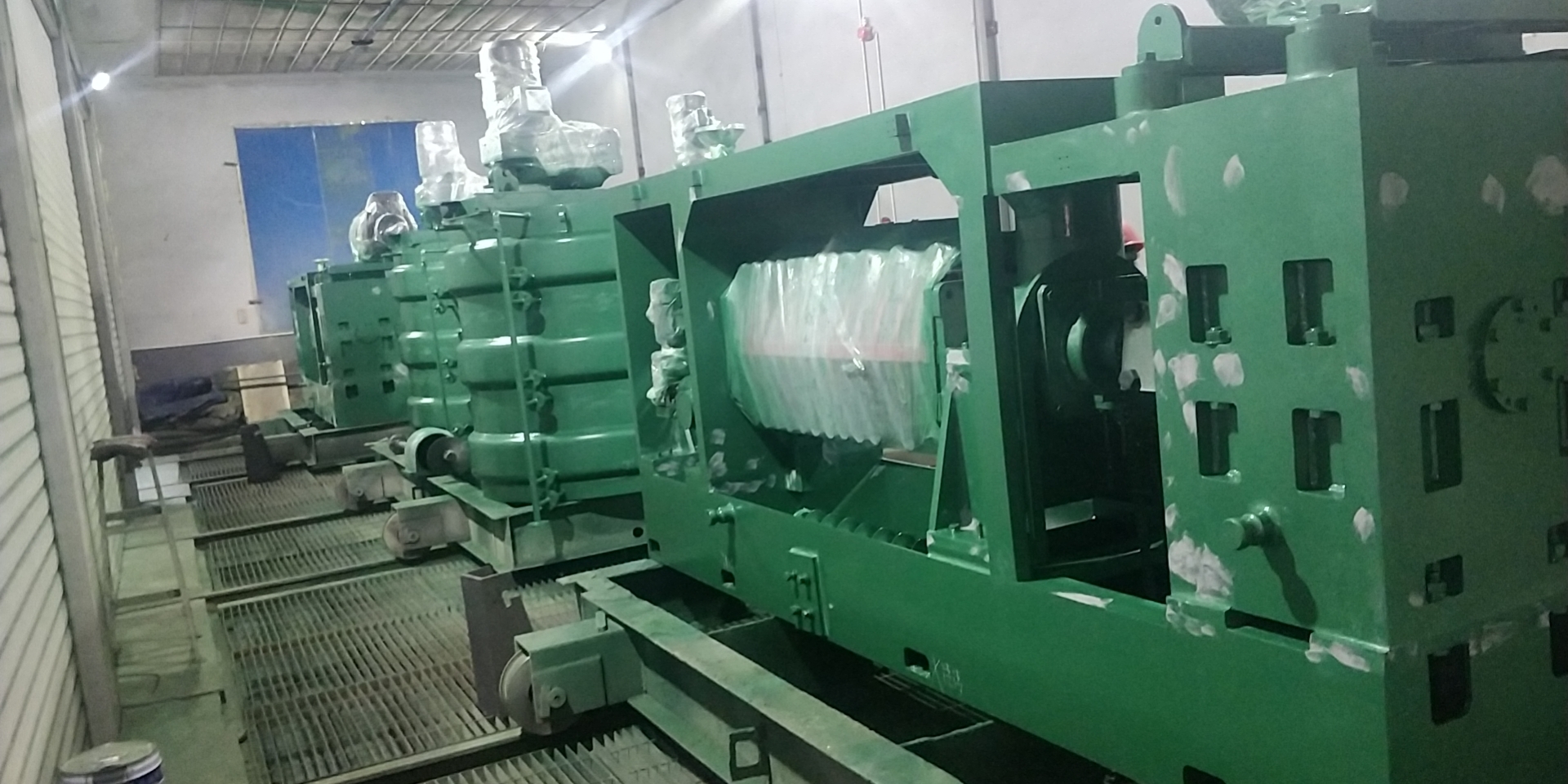
Preventive maintenance is critical for maintaining optimal extraction efficiency. A study by the International Association of Edible Oil Processors found that mills implementing a structured maintenance program experienced 37% fewer breakdowns and maintained 95% of their original yield capacity after 5 years of operation.
Download our comprehensive Mechanical Oil Pressing Process Optimization Manual packed with advanced techniques and data-driven insights from industry experts.
Get Your Free Optimization Guide NowBy implementing these mechanical extraction optimization techniques and maintenance practices, oil processors can achieve consistent performance, reduce operational costs, and maintain product quality. The key to sustained success lies in understanding the delicate balance between temperature, pressure, and material characteristics—an area where Penguin Group's expertise has helped countless operations achieve their production goals.
Remember that every oil mill has unique characteristics based on soybean variety, climate conditions, and equipment configuration. The most successful operations combine general best practices with continuous experimentation and data collection to develop a process perfectly tailored to their specific circumstances.

 173
|
173
|
 soybean solvent extraction plant
hexane recovery rate
evaporation condensation technology
equipment sealing
VOCs emission reduction
soybean solvent extraction plant
hexane recovery rate
evaporation condensation technology
equipment sealing
VOCs emission reduction
 162
|
soybean oil refining
temperature control technology
chemical usage in oil refining
refining system comparison
oil quality improvement
162
|
soybean oil refining
temperature control technology
chemical usage in oil refining
refining system comparison
oil quality improvement
 151
|
soybean oil desolventizing equipment
vacuum desolventizer selection
desolventizing equipment maintenance
soybean processing equipment configuration
solvent residue control
151
|
soybean oil desolventizing equipment
vacuum desolventizer selection
desolventizing equipment maintenance
soybean processing equipment configuration
solvent residue control
 283
|
soybean solvent extraction
mechanical pressing
soybean oil extraction
oil yield comparison
solvent recovery system
283
|
soybean solvent extraction
mechanical pressing
soybean oil extraction
oil yield comparison
solvent recovery system
 58
|
soybean solvent extraction
mechanical pressing
soybean oil extraction process
oil yield comparison
Penguin Group
58
|
soybean solvent extraction
mechanical pressing
soybean oil extraction process
oil yield comparison
Penguin Group