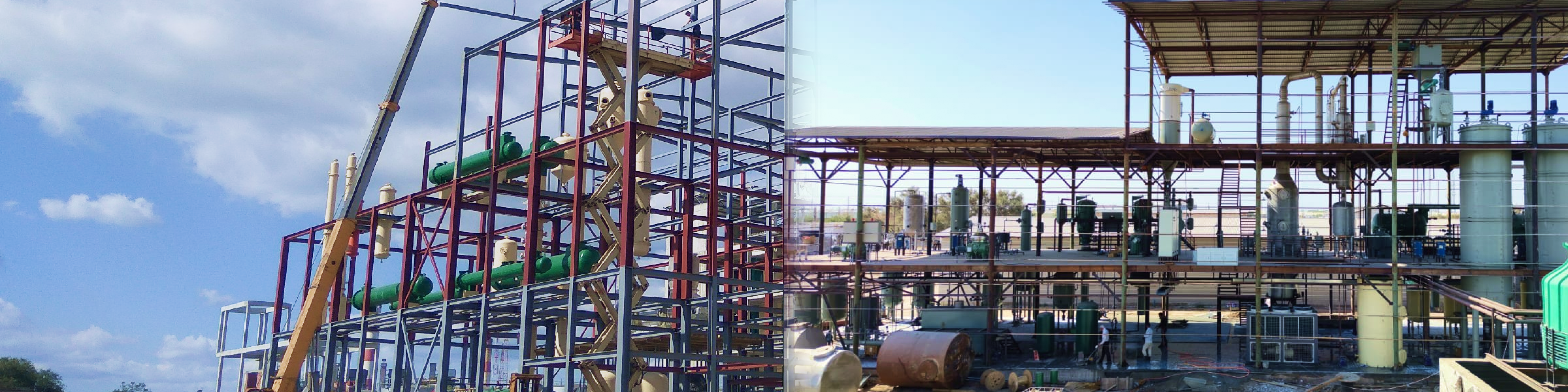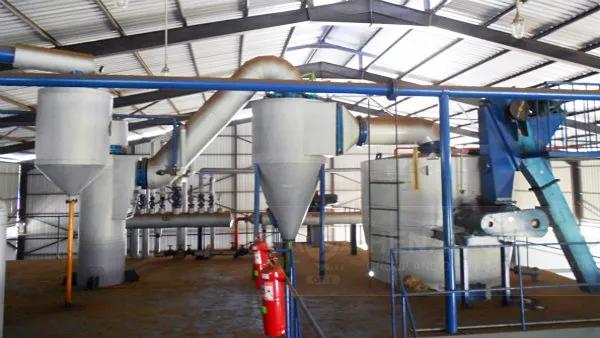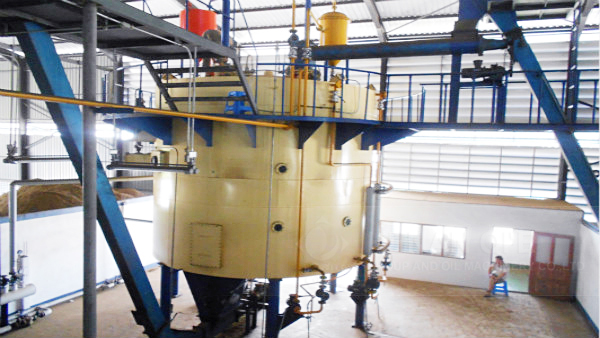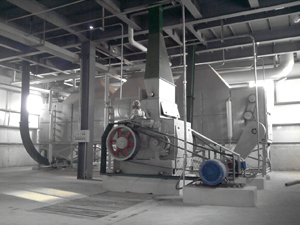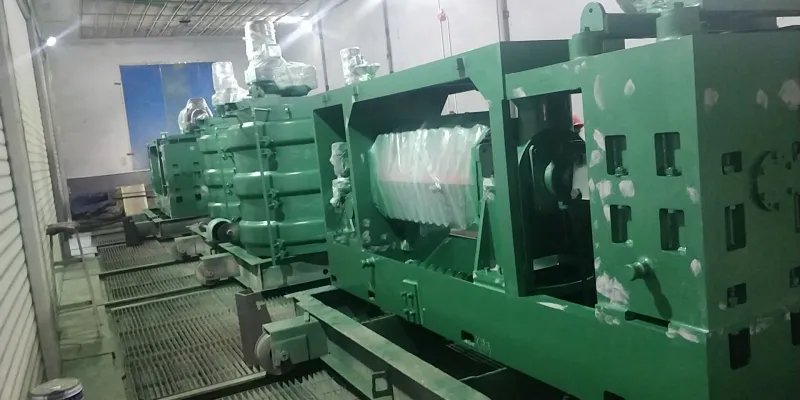
Mechanical soybean oil extraction remains a cornerstone process within the edible oil industry, especially for small to medium-sized oil pressing facilities. Penguin Group’s advanced mechanical soybean oil extraction machines leverage precise control over core operational parameters—temperature, pressure, and equipment configuration—to achieve high-efficiency oil recovery.
At the heart of any mechanical oil extraction setup are several critical components working synergistically: pre-treatment units, screw press barrel, pressing screw, and oil discharge systems. The pre-treatment stage eliminates impurities while adjusting moisture content, essential for enhancing pressing effectiveness. The pressing screw, housed within a heated barrel, applies consistent pressure driving oil out of soybeans, followed by the separation and collection of crude oil.
Data sourced from operational trials indicate that fine-tuning pressing temperature to 85°C and maintaining pressure around 3.5 MPa optimizes oil expulsion. Moisture content significantly affects yield; excess moisture (>9%) reduces efficiency due to increased emulsification, while too low moisture (<5%) raises pressing torque, risking equipment stress. Maintaining soybean moisture between 6% and 8% yields the best results.
While solvent extraction can achieve oil yields up to 98%, mechanical pressing typically attains 90-95% under optimal conditions without hazardous chemicals. Mechanical extraction benefits include lower energy consumption (approximately 15%-25% less compared to solvent-based processes) and superior environmental safety. However, mechanical systems generally have higher upfront equipment and maintenance requirements.
In a recent field application, a small soybean oil plant integrated automated temperature and pressure controls with real-time moisture sensors. The adjustments led to a 3% increase in oil yield—equating to an additional 30 liters per ton of soybeans—enabling notable profitability improvements within six months.
Automated process control systems allow real-time monitoring and adjustments, reducing operator error and enhancing oil output stability. Integration with IoT-enabled sensors facilitates predictive maintenance, minimizing downtime and ensuring compliance with quality standards demanded by export markets.
The choice of a mechanical soybean oil extraction machine should align with plant scale and quality standards. Penguin Group’s solution suite supports small-scale operations through automated, optimized pressing technologies ensuring competitive oil yield optimization without compromising safety and sustainability.
What challenges do you face in optimizing your soybean oil extraction? Share your experience or ask for specific tips below—we’re dedicated to supporting all operators in maximizing efficiency with trusted mechanical soybean oil extraction technology.

 457
|
457
|
 soybean oil refining process
continuous oil refining system
refining equipment comparison
oil quality improvement
food-grade oil processing
480
|
soybean oil refining
continuous refining system
semi-continuous refining
refining process optimization
edible oil quality
302
|
soybean oil refining process
free fatty acid removal
phospholipid removal
edible oil purification
refining system comparison
481
|
soybean oil refining machine
refining equipment maintenance
soybean oil processing guide
oil refining system types
industrial oil refining solutions
74
|
Soybean oil refining process
Refining temperature control
Soybean oil refining machine
Edible oil quality improvement
Oil processing technology
soybean oil refining process
continuous oil refining system
refining equipment comparison
oil quality improvement
food-grade oil processing
480
|
soybean oil refining
continuous refining system
semi-continuous refining
refining process optimization
edible oil quality
302
|
soybean oil refining process
free fatty acid removal
phospholipid removal
edible oil purification
refining system comparison
481
|
soybean oil refining machine
refining equipment maintenance
soybean oil processing guide
oil refining system types
industrial oil refining solutions
74
|
Soybean oil refining process
Refining temperature control
Soybean oil refining machine
Edible oil quality improvement
Oil processing technology