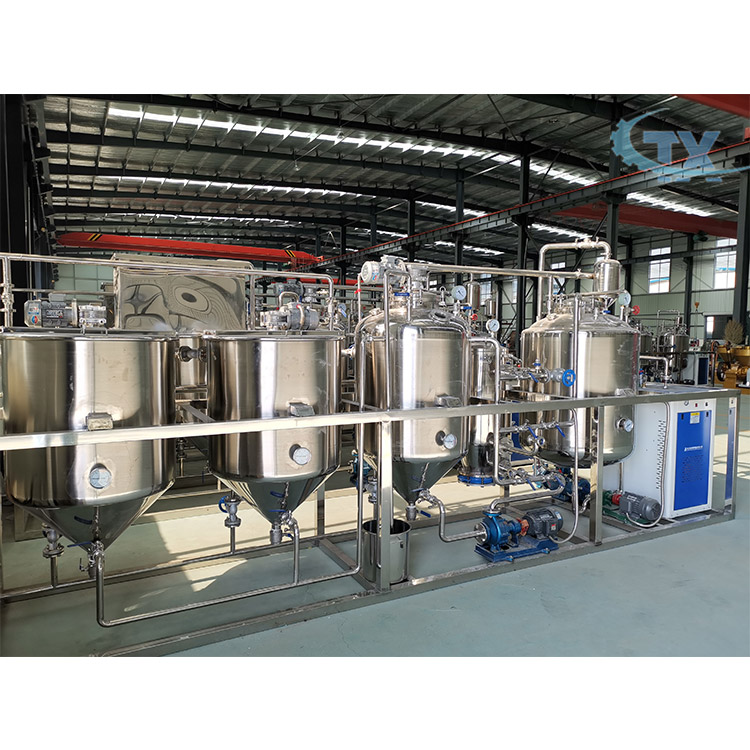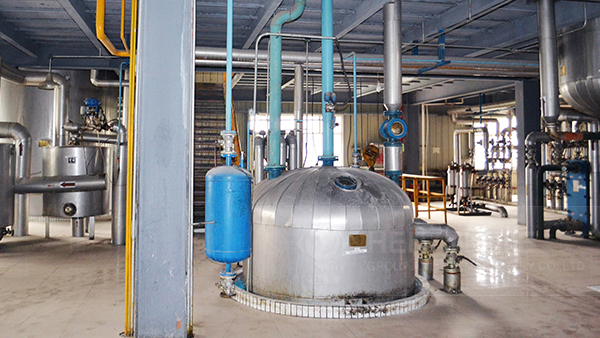
In the evolving landscape of oilseed processing, mechanical oil extraction remains a cornerstone technique, especially for soybean oil production. As part of 企鹅集团’s commitment to advancing mechanical oil extraction technology, this article takes you through the fundamental principles and operational nuances to enhance oil yield and quality while minimizing energy consumption.
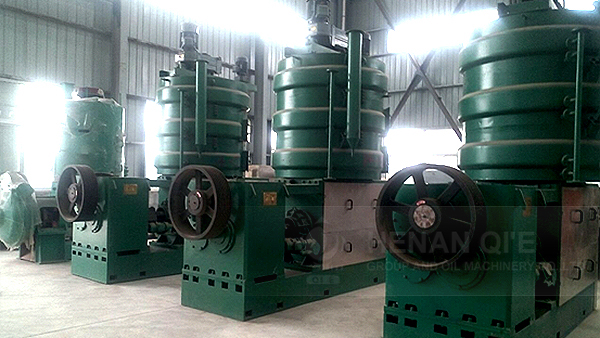
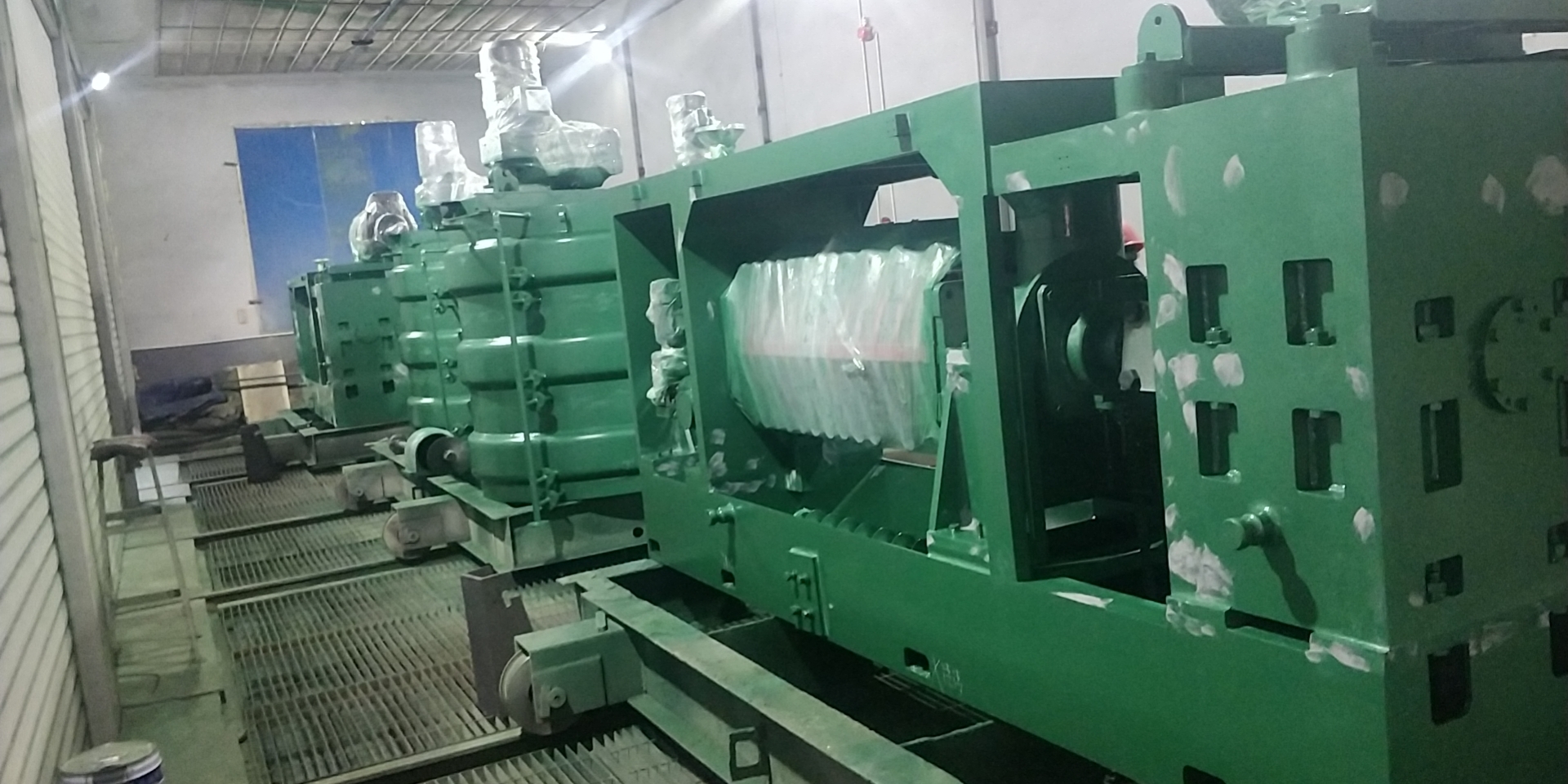
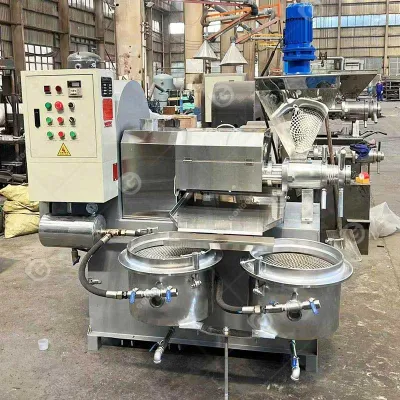
Mechanical pressing uses physical force to extract oil from soybean flakes or seeds without chemical solvents. The core equipment typically includes screw presses equipped with robust heating systems to maintain optimal temperature ranges. The efficiency of this process hinges on precise control over essential parameters: temperature, pressure, moisture content, and feed consistency.
The press mechanism works by compressing the soybean material to rupture oil cells, facilitating oil release. Unlike solvent extraction, mechanical pressing is inherently safer and more environmentally friendly due to the absence of chemical solvents. However, it demands skilled operation and fine-tuned equipment adjustment to reach competitive oil recovery rates.
Effective oil extraction begins with thorough raw material preprocessing. Soybeans should be cleaned, dehulled, and flaked to uniform thickness to maximize cell rupture and heat penetration during pressing. Maintaining feed uniformity reduces machine wear and boosts consistent throughput.
During pressing, controlling the temperature between 75°C to 95°C is critical. Temperatures too low reduce oil flow, while too high may degrade oil quality. Pressure settings must be optimized to ensure maximum oil yield without causing excessive mechanical stress.
Moisture content ideally hovers around 7% ± 1%. Excess moisture lowers output efficiency by creating steam pressure that reduces compression effectiveness. Conversely, overly dry material can increase friction and energy consumption.
While solvent extraction typically achieves higher oil yield (up to 99%), it introduces chemical risks and environmental burdens. Mechanical extraction’s yield, generally between 85–92%, presents a trade-off with lower operating costs and superior product safety — a decisive factor for small to medium-sized oil processing plants emphasizing organic or non-GMO labels.
Cost Analysis: Mechanical extraction demands less capital expenditure and simpler infrastructure. Operational expenditure is also reduced due to the lack of solvent recovery units and reduced hazardous waste handling.
Safety & Environmental Factors: Mechanical pressing eliminates flammable solvent risks and chemical residues, adhering more easily to stricter international food and environmental standards.
Regular maintenance is vital to sustaining high output and equipment longevity. Key tasks include daily inspection of screw press components, monitoring for abnormal vibrations or noises, and maintaining bearing lubrication every 50 operational hours. Operators should also follow a checklist addressing the condition of heating elements, feed system calibration, and oil discharge efficiency.
Experience shows that factories implementing systematic monitoring and maintenance protocols have reported an average 3% increase in oil extraction rates. Are you currently tracking your press performance data and maintenance schedules consistently?
Troubleshooting common issues such as irregular oil flow, sudden pressure drops, or excessive heat can save costly downtime. For example, abnormal noise often signals bearing wear or feed blockages that need immediate attention.
A mid-sized soybean oil processing plant recently optimized their process by adjusting feeding uniformity and refining temperature control based on real-time data analytics. These improvements yielded a 3% boost in oil extraction efficiency while cutting energy consumption by 8%, directly impacting their bottom line.
Whether you operate a small-scale workshop or a fully automated factory, mastering mechanical extraction technology unlocks higher profitability and product quality. For detailed, actionable guidance on refining your processes, consider accessing our in-depth resource.
Quick question: What types of pressing anomalies have impacted your production? Feel free to share your experiences and challenges as part of an engaged industrial community focused on continuous improvement.

 481
|
481
|
 soybean oil refining system
semi continuous oil refining
continuous oil refining equipment
edible oil processing solution
oil refining system optimization
soybean oil refining system
semi continuous oil refining
continuous oil refining equipment
edible oil processing solution
oil refining system optimization
 187
|
soybean oil extraction rate
desolventizing equipment optimization
solvent residue control
soybean meal quality improvement
oil processing technology
187
|
soybean oil extraction rate
desolventizing equipment optimization
solvent residue control
soybean meal quality improvement
oil processing technology
 325
|
soybean solvent extraction hexane recovery
hexane recovery technology optimization
solvent extraction evaporation condensation system
desolventizing temperature control
miscella concentration management
325
|
soybean solvent extraction hexane recovery
hexane recovery technology optimization
solvent extraction evaporation condensation system
desolventizing temperature control
miscella concentration management
 287
|
soybean oil refining machine
automated refining system
edible oil quality improvement
refining process optimization
oil processing technology
200
|
soybean oil refining machine selection
batch oil refining system
semi continuous oil refining equipment
continuous oil refining machine
soybean oil refining process
287
|
soybean oil refining machine
automated refining system
edible oil quality improvement
refining process optimization
oil processing technology
200
|
soybean oil refining machine selection
batch oil refining system
semi continuous oil refining equipment
continuous oil refining machine
soybean oil refining process