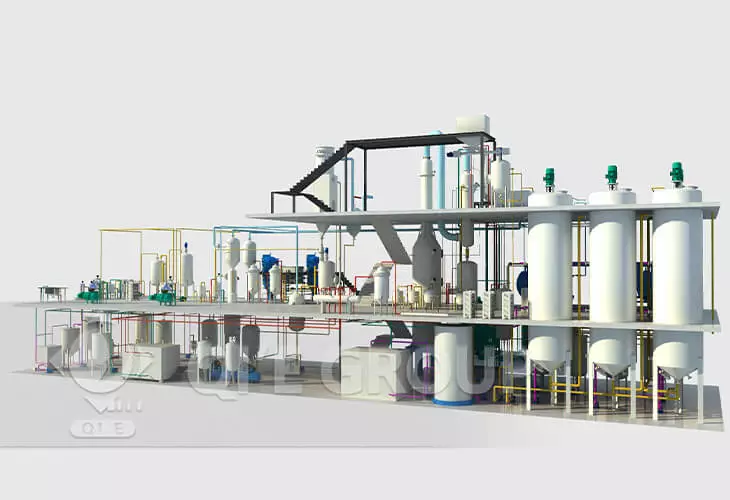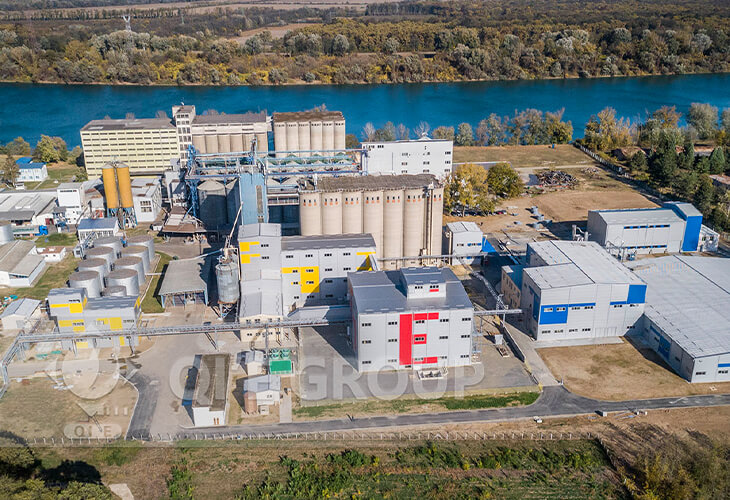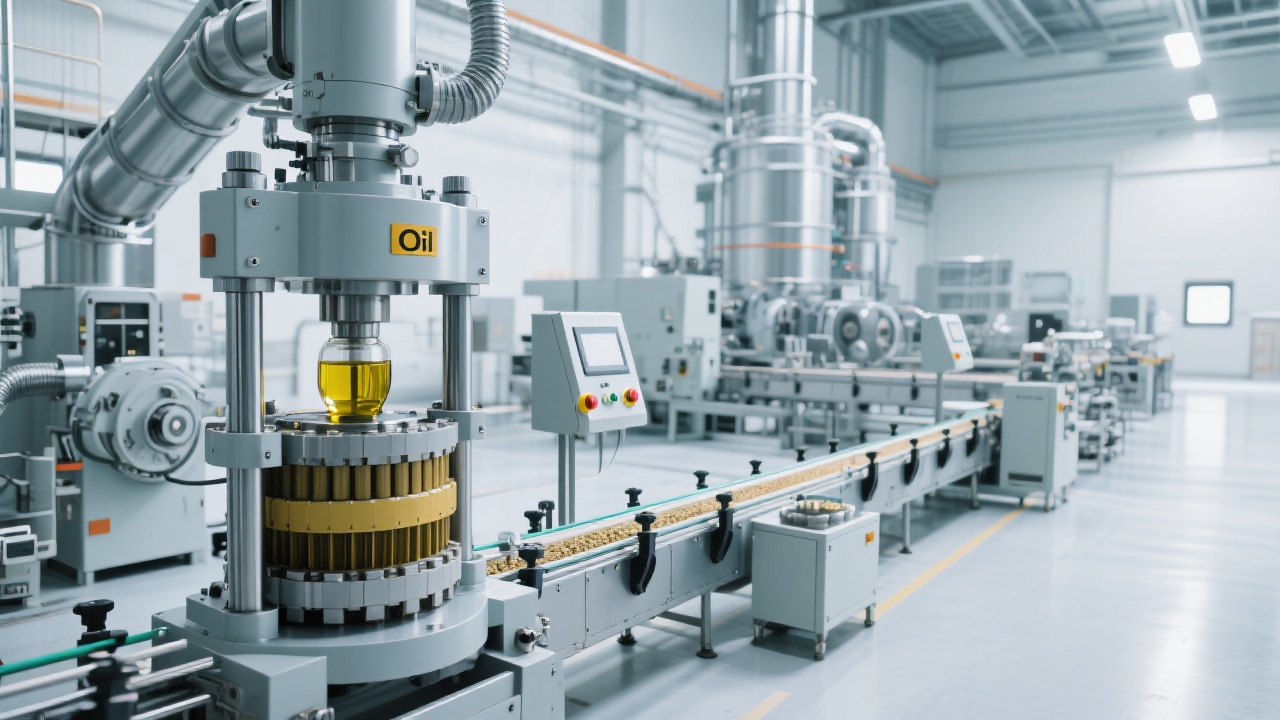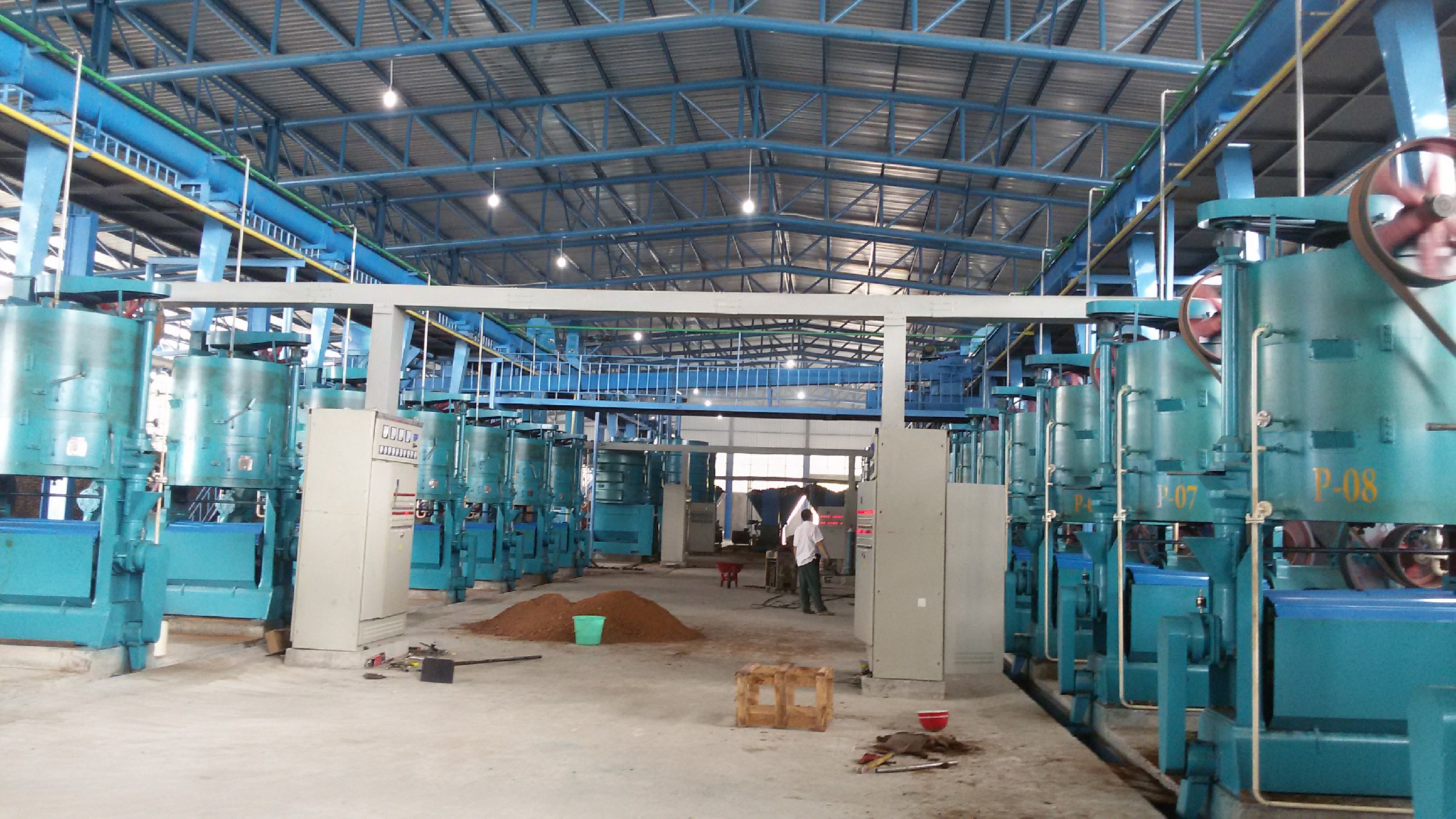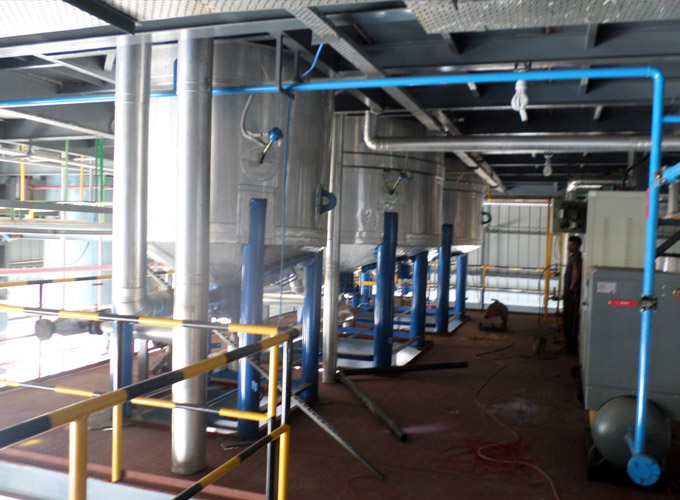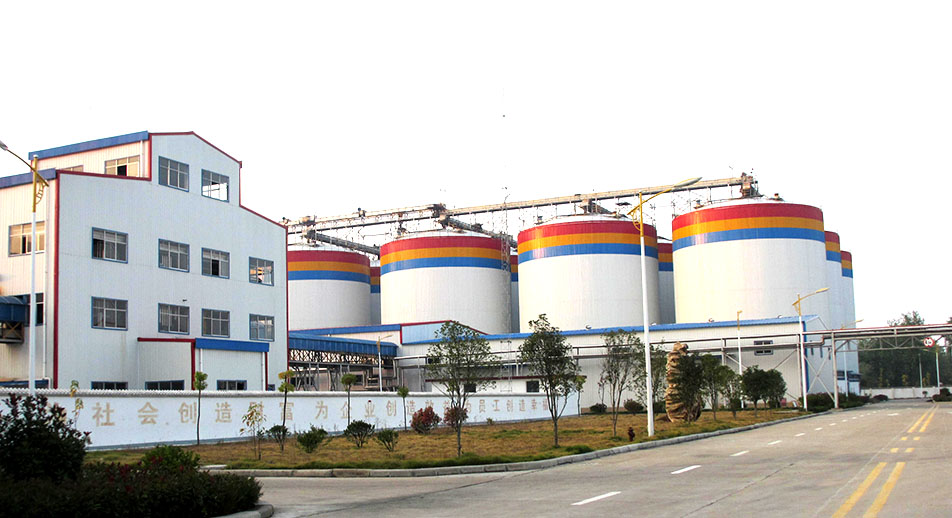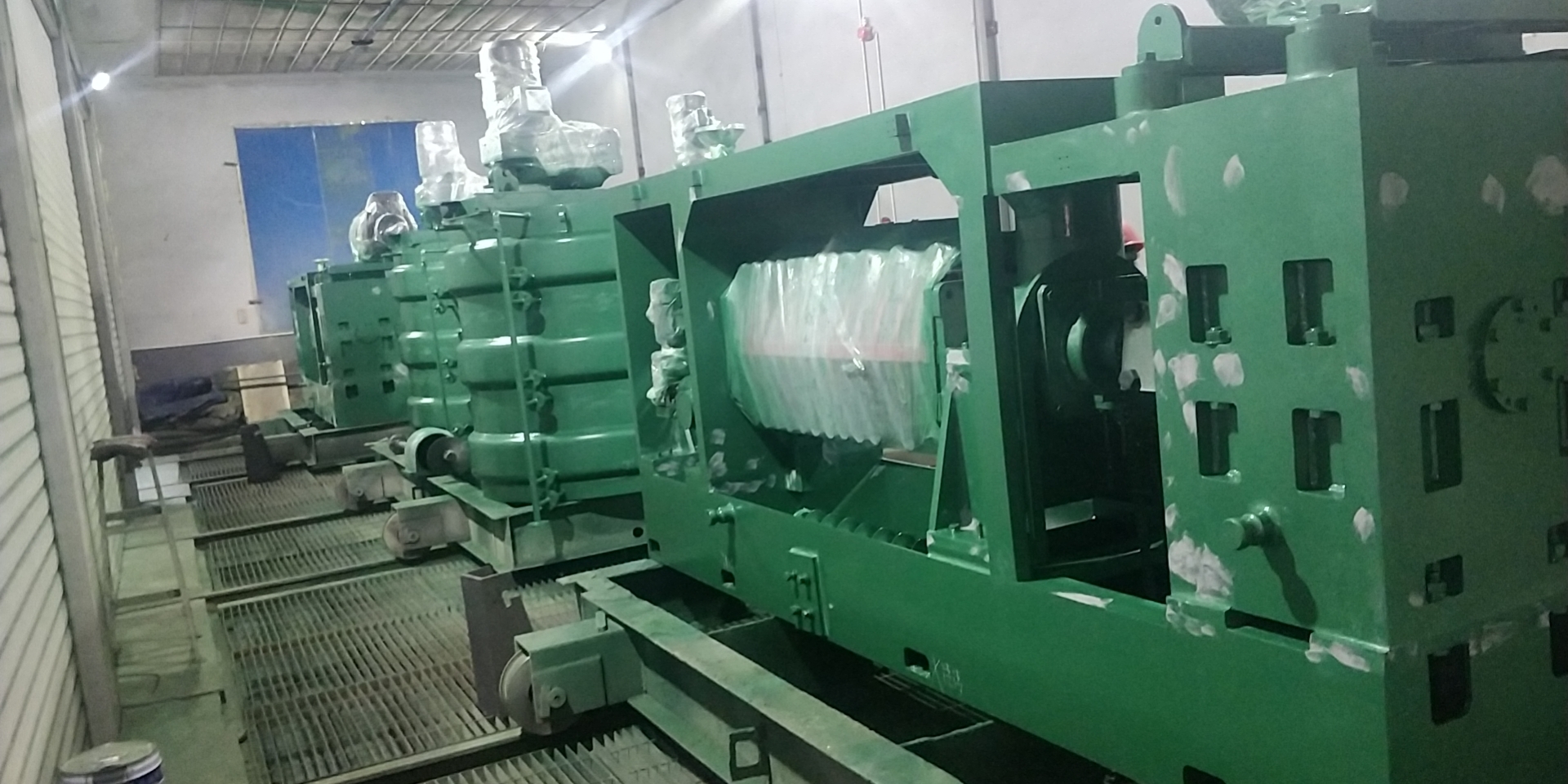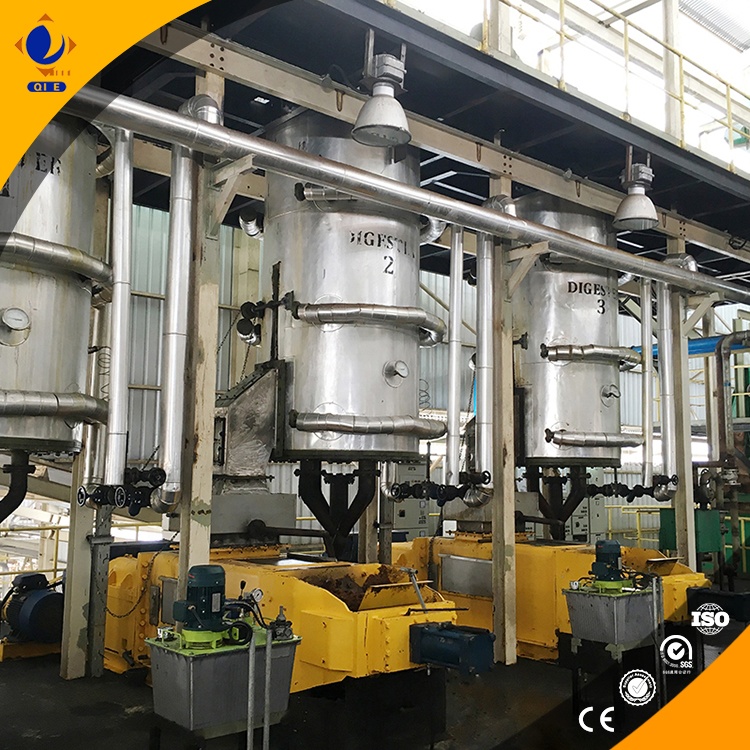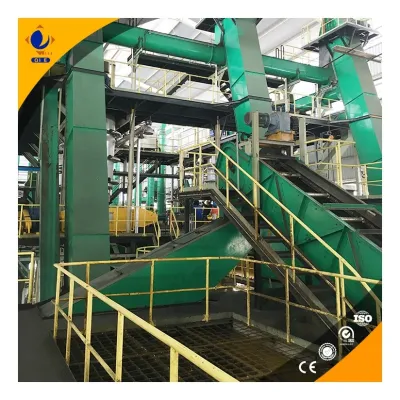
In the highly competitive landscape of the oil industry, medium and large-scale oil enterprises are constantly seeking ways to enhance their production capacity and automation level. This article delves into the core advantages of continuous refining systems in terms of high output, stable quality, and intelligent control, aiming to assist you in making informed decisions on equipment selection and boosting production efficiency and market competitiveness.
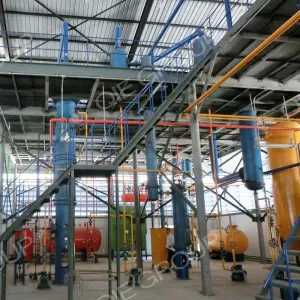
Continuous refining systems are specifically designed to meet the needs of medium and large-scale oil enterprises. Their technical features and operational logic are well-suited for high-volume production. These systems operate on a continuous basis, allowing for a seamless flow of the refining process. Unlike batch or semi-continuous systems, continuous refining systems can maintain a steady production rate, which is crucial for large-scale operations.

When comparing continuous refining systems with batch or semi-continuous systems, the advantages in terms of production capacity, energy consumption, and labor costs are significant. Continuous systems can achieve a production capacity increase of up to 30% compared to batch systems. In terms of energy consumption, they are more efficient, reducing energy usage by approximately 20%. Moreover, the labor cost is also reduced as fewer operators are required to manage the continuous process. The following table summarizes these quantitative advantages:
| System Type | Production Capacity | Energy Consumption | Labor Cost |
|---|---|---|---|
| Batch/Semi-Continuous | Lower | Higher | Higher |
| Continuous | Up to 30% increase | Approximately 20% reduction | Reduced |
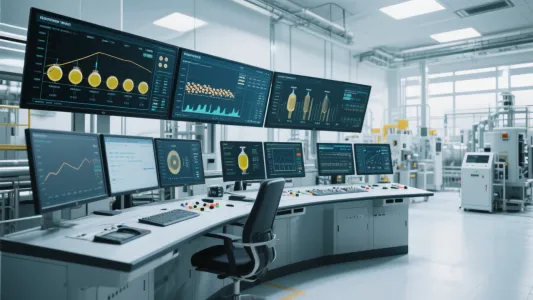
The increased automation level of continuous refining systems brings several benefits, including consistent product quality, safety compliance, and management convenience. With automated control, the refining process can be precisely regulated, ensuring that the quality of the refined oil remains consistent. This is particularly important for meeting the strict quality standards in the market. Additionally, automated systems can enhance safety compliance by reducing the risk of human error. From a management perspective, the automation simplifies the production process, making it easier to monitor and control.
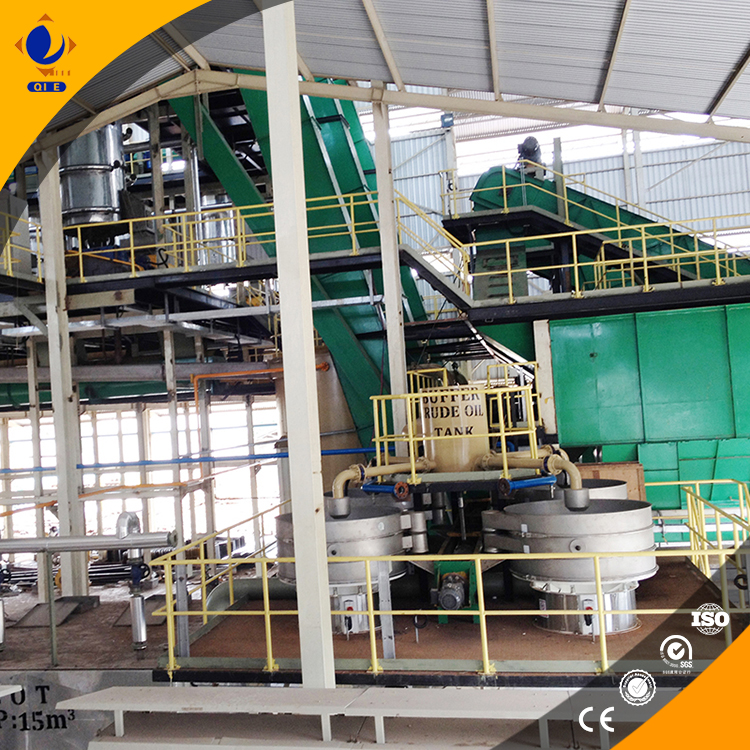
Let's take a real customer scenario, such as a production line with a daily processing capacity of over 50 tons. By implementing a continuous refining system, the enterprise can achieve significant transformation benefits. The production efficiency can be improved, and the overall production cost can be reduced. The implementation path involves careful planning, installation, and commissioning. After the transformation, the enterprise can expect to see a return on investment within a relatively short period.
Proper installation and maintenance are crucial for the smooth operation of continuous refining systems. Here are some key points for installation and commissioning, as well as daily maintenance strategies and a quick troubleshooting guide for common faults. For example, during installation, it is important to ensure that all components are properly aligned and connected. Regular maintenance, such as cleaning and lubrication, can extend the service life of the equipment. In case of common faults, a quick troubleshooting guide can help operators identify and solve problems in a timely manner.
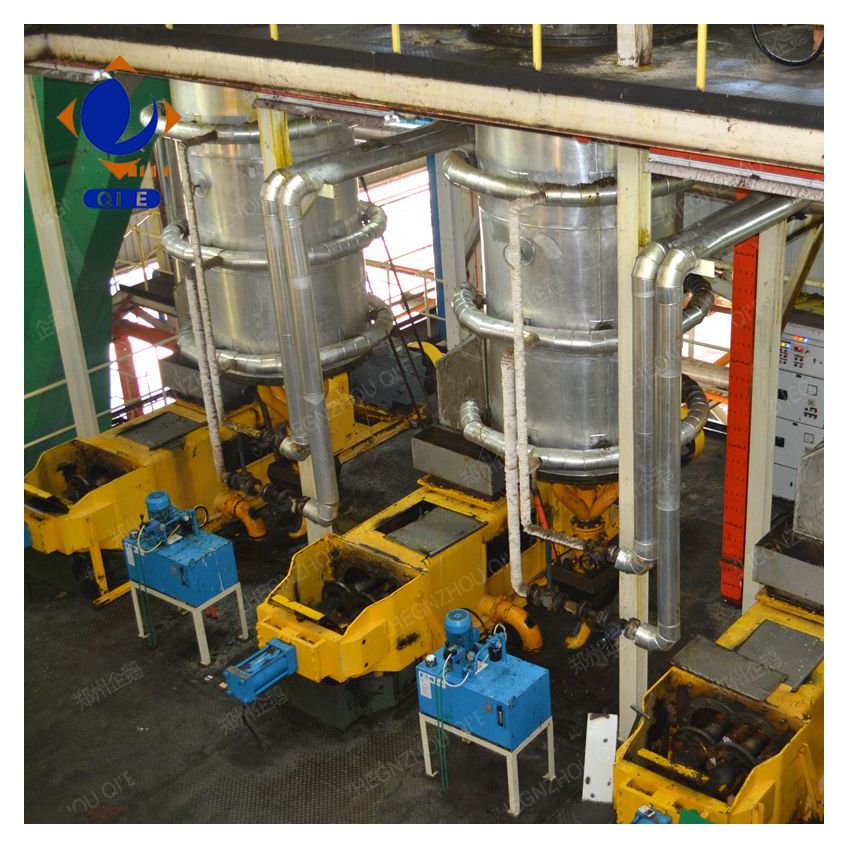
The oil industry is constantly evolving, and continuous optimization and digital integration are the future trends. Continuous refining systems are expected to be further optimized to improve efficiency and reduce costs. Digital integration, such as the use of Internet of Things (IoT) technology, can enable real-time monitoring and control of the refining process, paving the way for future intelligent transformation.
To learn more about efficient continuous refining solutions and help your production line move towards lean manufacturing, visit https://soybeanoilpress.us/en/products/soybean-oil-refinery-machine.html?Marketing=CAT. Have your factories already embraced continuous refining? Share your experiences in the comments below!
 352
|
352
|
 soybean oil production
energy-efficient oil processing
sustainable soybean oil manufacturing
quality control in edible oils
green food processing technology
soybean oil production
energy-efficient oil processing
sustainable soybean oil manufacturing
quality control in edible oils
green food processing technology
 89
|
Soya Oil Extraction Plant
Soybean Oil Press Machine
Mechanical Pressing Soya Oil Extraction
Solvent Extraction Soya Oil Plant
Small-Scale Soya Oil Extraction
Large-Scale Soya Oil Production
Soya Oil Refining Process
Affordable Soya Oil Extraction Solutions
Industrial Soya Oil Extraction Plant
Eco-Friendly Soya Oil Production
89
|
Soya Oil Extraction Plant
Soybean Oil Press Machine
Mechanical Pressing Soya Oil Extraction
Solvent Extraction Soya Oil Plant
Small-Scale Soya Oil Extraction
Large-Scale Soya Oil Production
Soya Oil Refining Process
Affordable Soya Oil Extraction Solutions
Industrial Soya Oil Extraction Plant
Eco-Friendly Soya Oil Production
 460
|
soybean oil press machine
efficient oil extraction
types of oil press machines
460
|
soybean oil press machine
efficient oil extraction
types of oil press machines
 251
|
soybean oil
refining process
quality improvement
customer feedback
food safety
251
|
soybean oil
refining process
quality improvement
customer feedback
food safety
 187
|
soybean oil extraction optimization
flaking thickness control
hulling efficiency in oilseed processing
oil yield improvement techniques
soybean pre-treatment methods
187
|
soybean oil extraction optimization
flaking thickness control
hulling efficiency in oilseed processing
oil yield improvement techniques
soybean pre-treatment methods