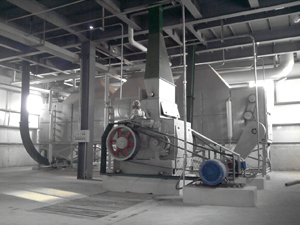
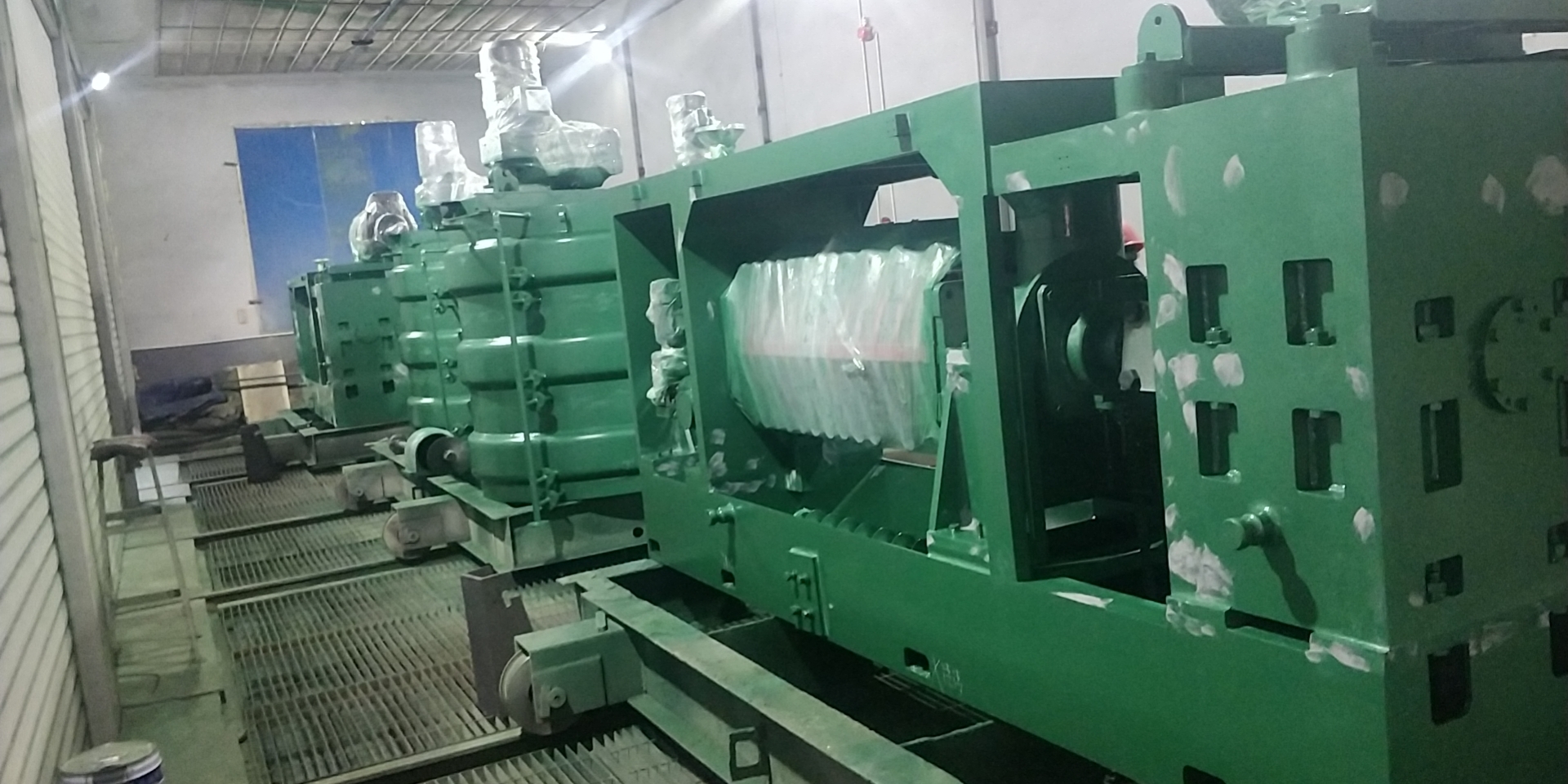
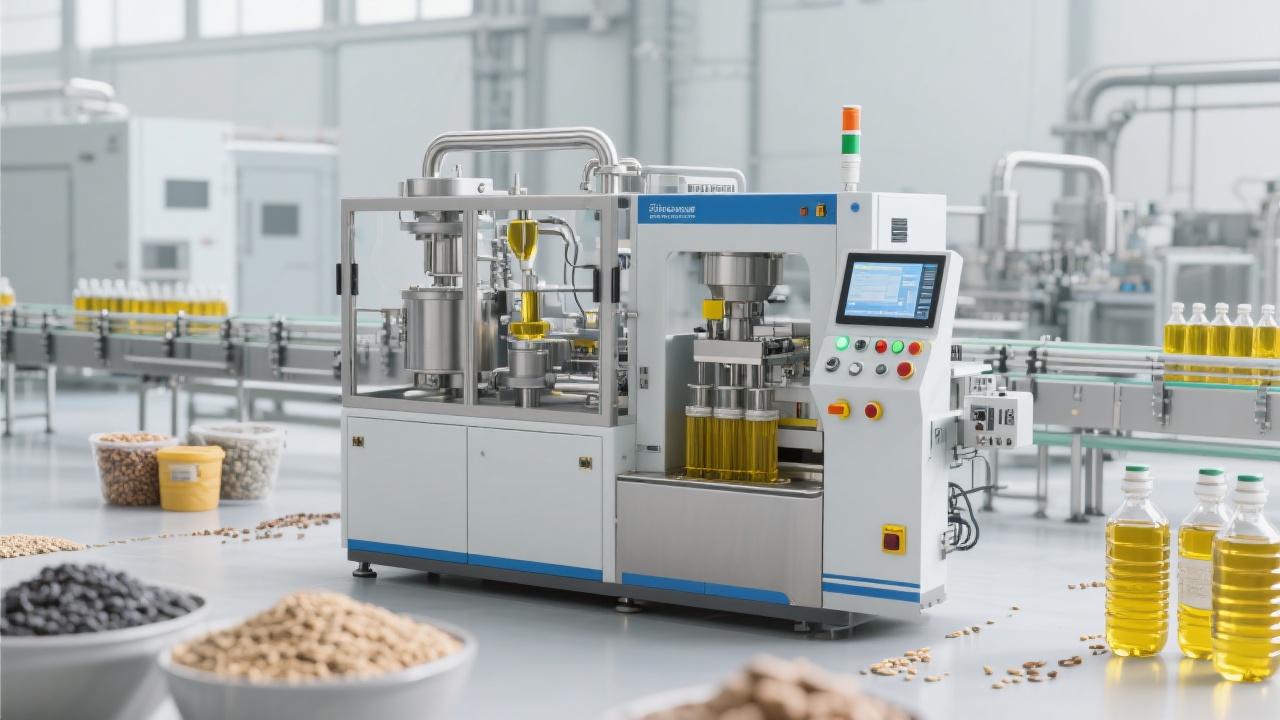
Buying an oil press machine or an edible oil production line is a process decision—not simply an equipment price comparison. A quotation can only be evaluated accurately when the feedstock, required output, processing route, utilities, installation conditions, and service responsibilities are clearly defined.
Qi'e Grain and Oil Machinery Co., Ltd. supports B2B buyers with oil pressing equipment, edible oil production line equipment, and oil refining equipment. The following six factors help project owners compare proposals on a more practical and technically relevant basis.
Different oilseeds and oil-bearing materials behave differently during cleaning, conditioning, pressing, extraction, and refining. The same press configuration may not be equally suitable for soybeans, palm kernels, sunflower seeds, rapeseed, peanuts, or other materials. Feedstock condition also matters: moisture, impurity level, particle size, shell content, and oil content can affect process design and operating stability.
A well-matched solution begins with the raw material. Buyers should provide representative feedstock information early so that the equipment scope can be evaluated against actual processing requirements rather than assumed conditions.
Capacity figures should be reviewed carefully. A stated throughput may refer to raw material input, pressed cake output, crude oil output, or a specific operating condition. It may also depend on the feedstock type, preparation quality, operating hours, and the configuration of connected equipment.
| Capacity Review Item | Why It Matters |
|---|---|
| Feedstock basis | Confirms whether the stated rate applies to the buyer’s actual raw material. |
| Operating hours | Helps distinguish hourly equipment throughput from planned daily production. |
| Line balance | Ensures upstream and downstream systems do not restrict the main press or extraction section. |
| Future expansion | Allows buyers to consider whether layout, utilities, and equipment interfaces can support later upgrades. |
Instead of comparing only a single capacity number, request a clear capacity basis and review the complete production flow. This makes an oil production line quotation more transparent and easier to compare across suppliers.
Oil recovery and finished oil quality are influenced by more than the press itself. They are connected to material preparation, operating parameters, extraction requirements where applicable, filtration, refining steps, and the target product specification. Buyers should first define whether the project is intended for crude oil production, filtered oil, refined edible oil, or another processing objective.
A lower initial equipment price may not provide a meaningful comparison if the proposed process scope does not address the intended oil quality, filtration, refining, or by-product handling requirements.
For projects requiring refined edible oil, the refining section should be reviewed as part of the overall solution. Refining needs can vary according to crude oil characteristics and the required finished oil standard, so the process scope should be discussed before equipment selection is finalized.
A production line depends on coordinated systems. Main equipment is important, but project performance also relies on the supporting sections that feed, transfer, treat, filter, store, and manage materials throughout the process. Missing or unclear auxiliary equipment can create scope gaps during purchasing, installation, or commissioning.
Buyers should ask for an itemized scope that identifies what is included, what is optional, and what must be provided locally. This approach helps establish clear responsibilities across the oil processing equipment package.
Every project site has practical constraints. Electricity supply, fuel availability, water conditions, steam requirements, ventilation, drainage, floor loading, and local environmental requirements can influence equipment configuration and plant layout. These conditions should be considered before the final technical proposal is confirmed.
A supplier can provide more relevant equipment recommendations when these site details are available. Early utility planning also supports a smoother transition from technical discussion to installation planning.
Equipment procurement continues beyond shipment. Installation readiness, commissioning coordination, operator training, documentation, spare parts planning, and service communication all affect how efficiently a project moves into operation. These items should be discussed in the same level of detail as the equipment itself.
The most useful procurement discussion combines equipment requirements with feedstock information, capacity expectations, desired product quality, site conditions, and implementation responsibilities. This gives project owners a clearer basis for evaluating oil press machines, edible oil production lines, and refining equipment proposals.
Qi'e Grain and Oil Machinery Co., Ltd. works with customers on oil pressing, oil production line, and oil refining equipment solutions, with attention to the practical requirements that shape equipment selection, installation, and ongoing operation.

 335
|
335
|
 soybean solvent extraction
soybean oil extraction
solvent extraction vs pressing
oil yield optimization
solvent recovery system
soybean solvent extraction
soybean oil extraction
solvent extraction vs pressing
oil yield optimization
solvent recovery system
 376
|
soybean oil processing
oil yield improvement
raw material cleaning technology
impurity removal
Peng Group
376
|
soybean oil processing
oil yield improvement
raw material cleaning technology
impurity removal
Peng Group
 71
|
Qi'e Grain and Oil Machinery Co., Ltd.
grain and oil processing complete set
oil pressing equipment
extraction equipment
refining equipment
71
|
Qi'e Grain and Oil Machinery Co., Ltd.
grain and oil processing complete set
oil pressing equipment
extraction equipment
refining equipment
 200
|
Qi'e Grain and Oil Machinery Co., Ltd.
integrated grain and oil machinery
oil production line equipment
oil refining equipment
oil pressing equipment
200
|
Qi'e Grain and Oil Machinery Co., Ltd.
integrated grain and oil machinery
oil production line equipment
oil refining equipment
oil pressing equipment
 291
|
soybean solvent extraction
mechanical pressing
soybean oil extraction
oil yield comparison
solvent recovery system
291
|
soybean solvent extraction
mechanical pressing
soybean oil extraction
oil yield comparison
solvent recovery system