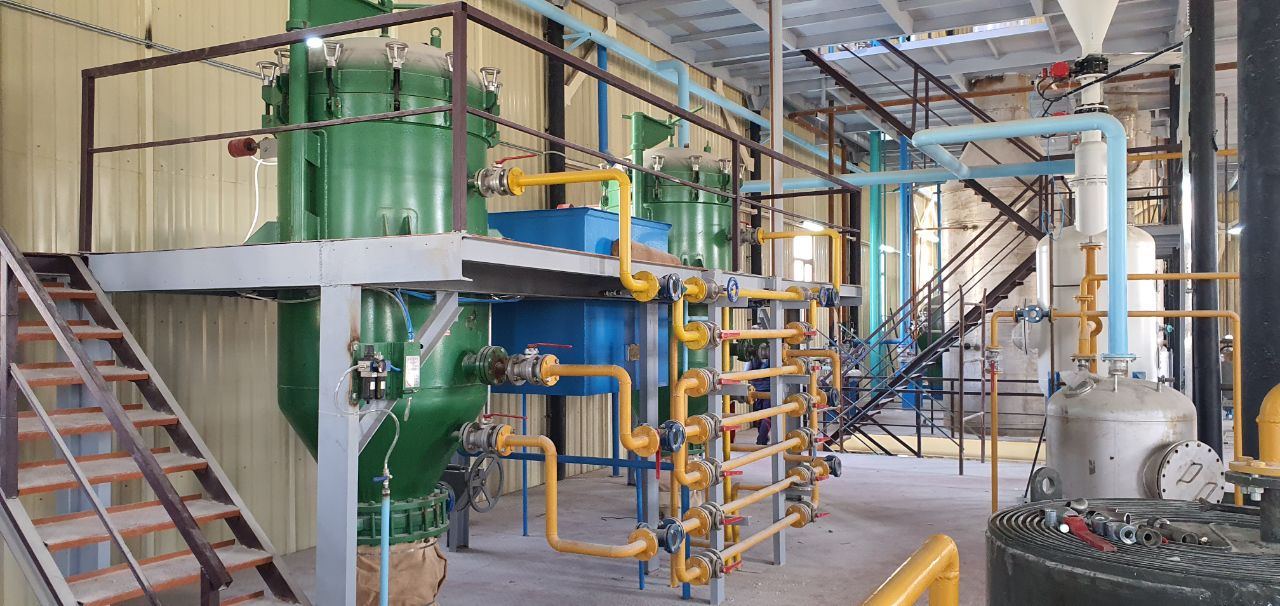
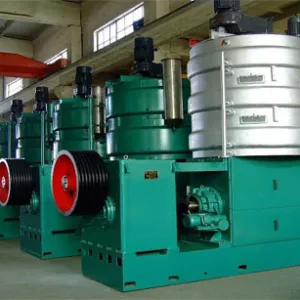
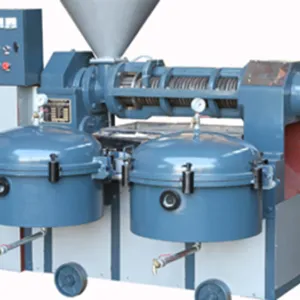
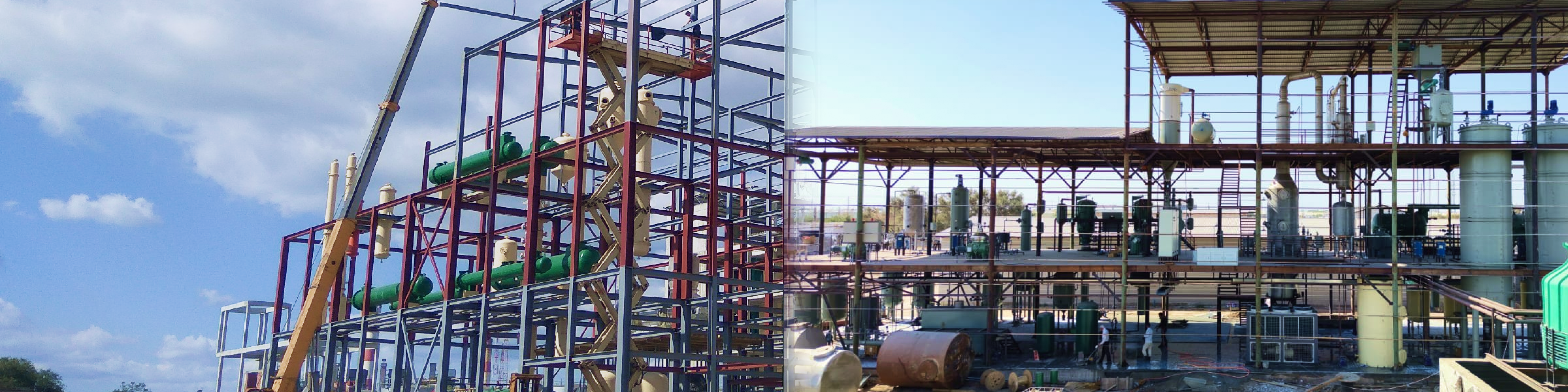
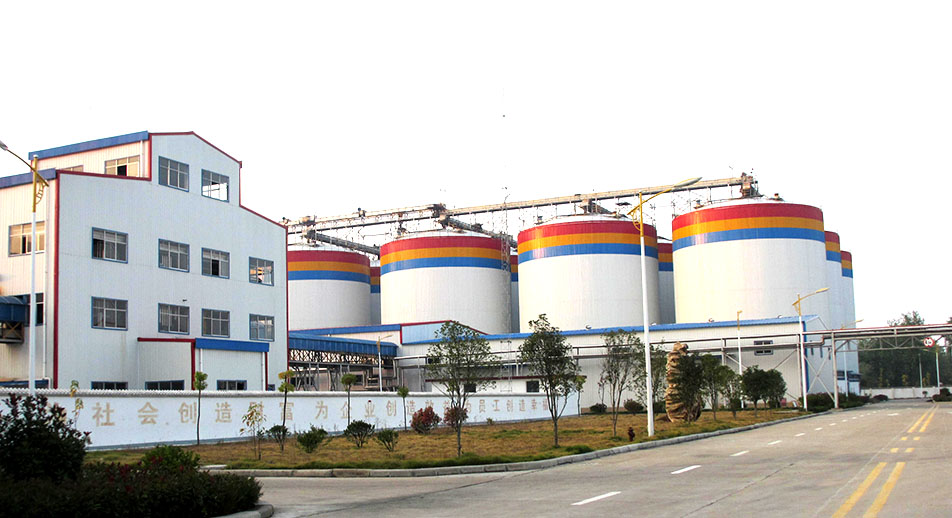
Qi'e Grain and Oil Machinery Co., Ltd.
Selecting an oil pressing production line is not only about buying equipment. It is about matching the right process route, production scale, automation level, and refining requirements to your raw material and business plan. For B2B buyers, a well-matched solution helps keep production more stable, operation more efficient, and long-term investment more practical.
The first selection factor is the oilseed or feedstock you plan to process. Different materials have different oil content, structure, pretreatment needs, and downstream handling requirements. Qi'e Grain and Oil Machinery designs oil pressing production line equipment for a wide range of oilseed processing scenarios, including soybean, palm kernel, sunflower seed, and other common edible oil applications.
Key question: Is your raw material best processed by direct pressing, solvent extraction, or a combined route with refining? The answer affects equipment configuration, investment level, and final oil processing flow.
Capacity planning should be based on your current output target and future expansion expectations. A production line that is too small may limit throughput, while an oversized line may increase upfront investment and operating complexity. For this reason, Qi'e Grain and Oil Machinery recommends defining the expected daily or hourly processing requirement before finalizing the equipment layout.
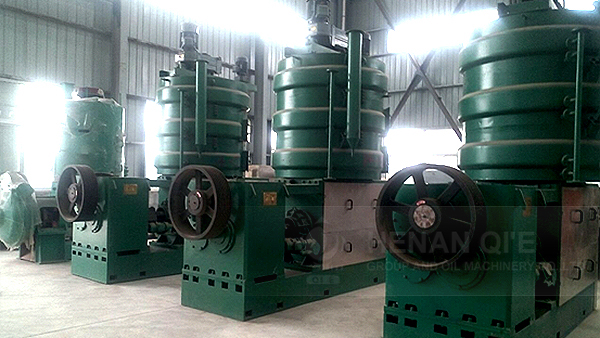
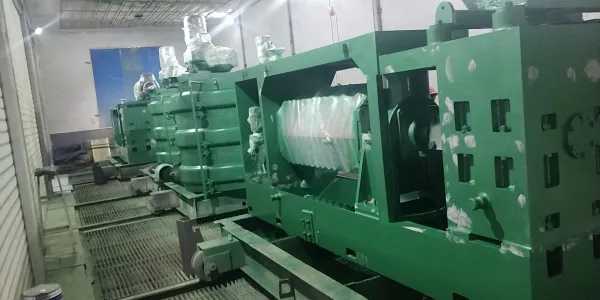
An oil pressing production line can be designed around different process routes depending on product goals and market requirements. Some projects focus on pressing efficiency and simpler operation, while others require full refining capability for higher product consistency.
Not every buyer needs the same level of automation. Some facilities prioritize simpler control and lower initial complexity, while others aim for higher consistency and reduced manual handling. The right choice depends on labor availability, technical management capability, and the expected standard of production control.
For emerging projects: a practical configuration can help control costs while still supporting stable operation.
For larger plants: higher automation may improve coordination across pressing, extraction, and refining sections.
If your market requires refined edible oil, the production line should be planned with the refining section in mind from the beginning. A pressing line and a refining line are not isolated decisions; they should be designed as a connected system so that the upstream output can support the downstream quality target.
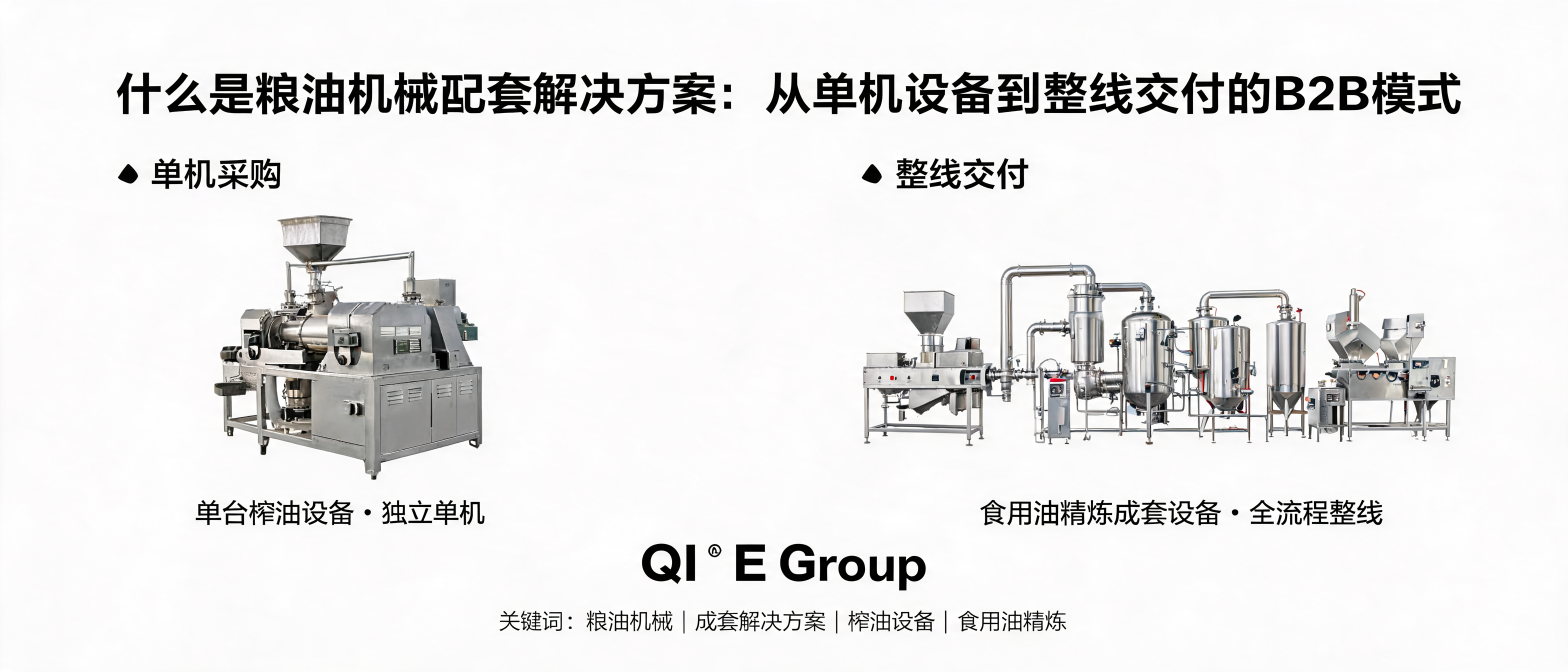
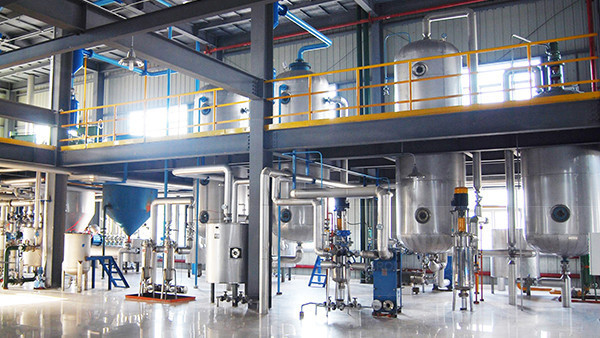
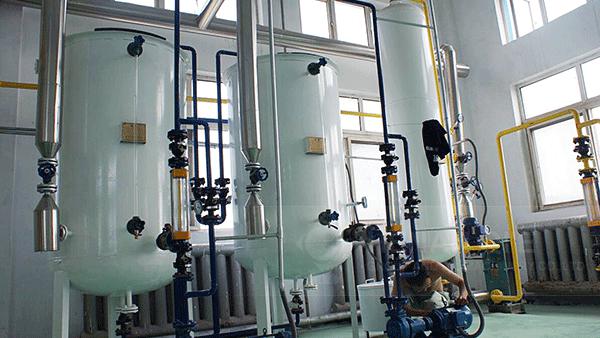
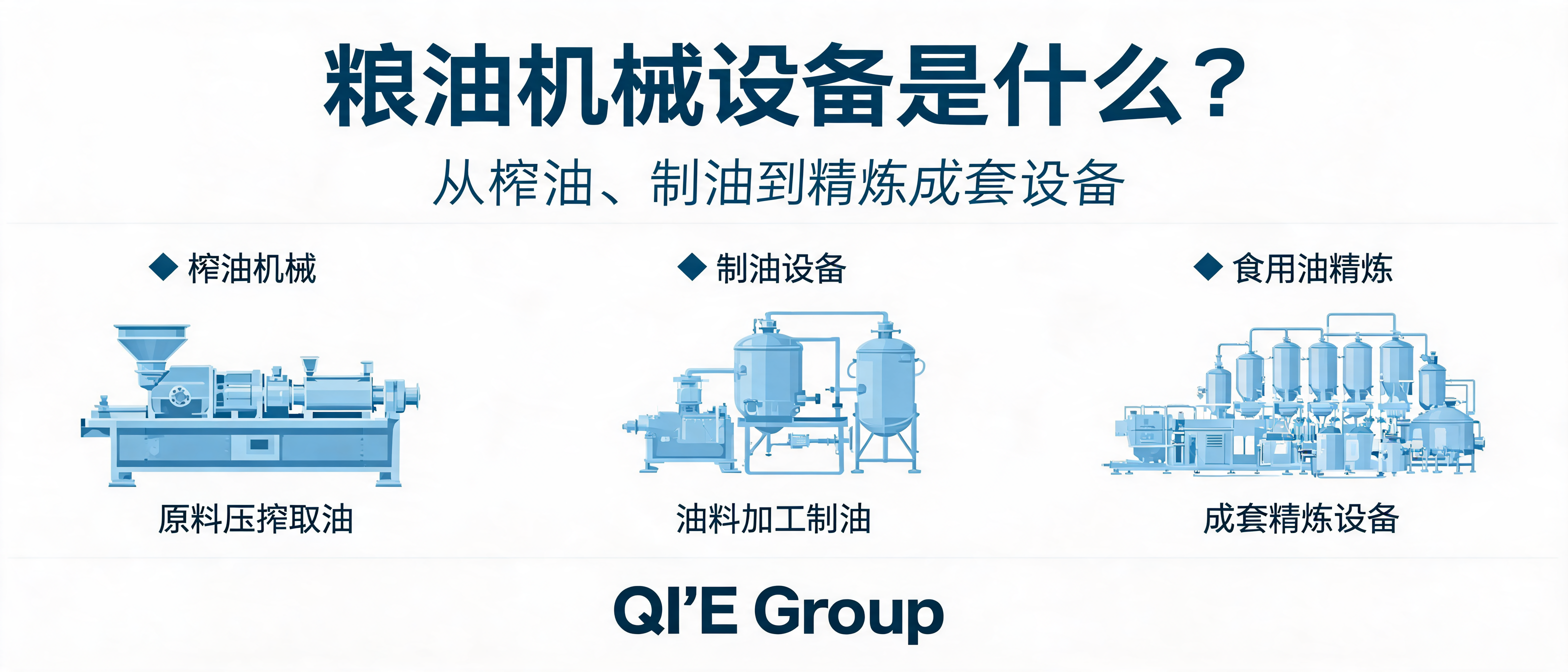
Qi'e Grain and Oil Machinery provides oil refining equipment and integrated oil production line equipment that can be aligned with pressing requirements, helping buyers build a more complete processing route for commercial oil production.
As a professional manufacturer focused on oil pressing equipment, oil production line equipment, and oil refining equipment, Qi'e Grain and Oil Machinery supports B2B customers with equipment supply as well as design, installation, and technical service. The company serves international buyers across Asia, Africa, South America, and other markets, with long-term experience in practical oil processing solutions.
Built on the principles of integrity, mutual benefit, and shared growth, the company follows a quality-first and service-first approach to help customers choose equipment paths that are better aligned with their actual production needs.
The right oil pressing production line is the one that fits your raw material, capacity plan, process route, and refining needs together. When these factors are evaluated in a structured way, the result is a more balanced project decision and a clearer path for long-term operation.

 199
|
199
|
 soybean oil quality improvement
raw material pretreatment cleanliness
grinding particle size control
heating temperature gradient
pressing pressure optimization
soybean oil quality improvement
raw material pretreatment cleanliness
grinding particle size control
heating temperature gradient
pressing pressure optimization
 187
|
soybean oil extraction rate
desolventizing equipment optimization
solvent residue control
soybean meal quality improvement
oil processing technology
187
|
soybean oil extraction rate
desolventizing equipment optimization
solvent residue control
soybean meal quality improvement
oil processing technology
 480
|
mechanical soybean oil extraction machine
soybean oil pressing technology
oil yield optimization
oil extraction equipment
mechanical vs solvent extraction
480
|
mechanical soybean oil extraction machine
soybean oil pressing technology
oil yield optimization
oil extraction equipment
mechanical vs solvent extraction
 329
|
soybean solvent extraction hexane recovery
hexane recovery technology optimization
solvent extraction evaporation condensation system
desolventizing temperature control
miscella concentration management
329
|
soybean solvent extraction hexane recovery
hexane recovery technology optimization
solvent extraction evaporation condensation system
desolventizing temperature control
miscella concentration management
 93
|
Qi'e Grain and Oil Machinery Co., Ltd.
complete grain and oil machinery solution
single machine equipment
production line equipment
refining turnkey system
93
|
Qi'e Grain and Oil Machinery Co., Ltd.
complete grain and oil machinery solution
single machine equipment
production line equipment
refining turnkey system