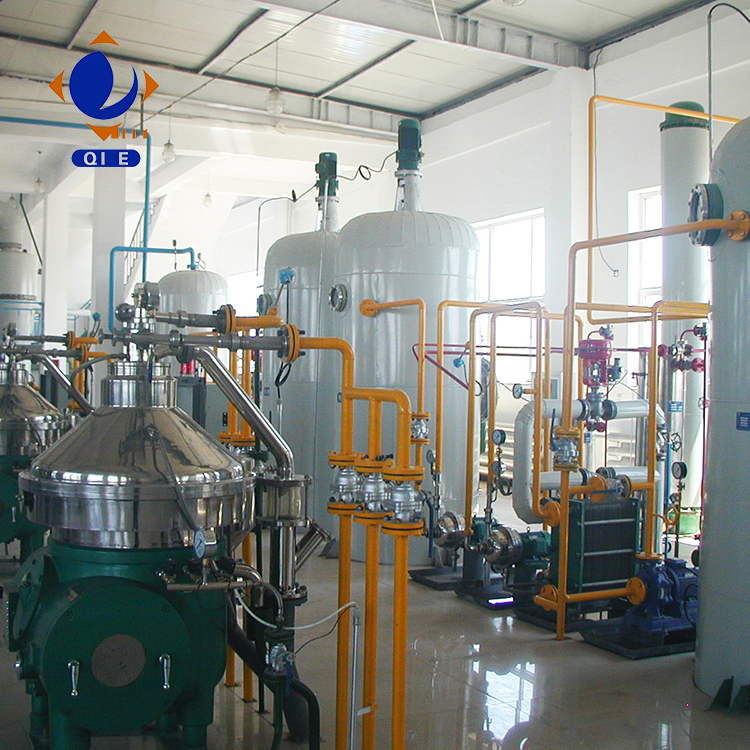
Selecting oilseed processing equipment is a production-planning decision rather than a single-machine purchase. The appropriate configuration depends on the oil-bearing material, required throughput, intended processing route, automation expectations, product quality requirements, site conditions, and available investment budget. A well-matched line helps create a clearer connection between raw-material handling, oil recovery, refining, and day-to-day operation.
Qi'e Grain and Oil Machinery Co., Ltd. supports B2B customers with equipment planning for soybean, palm kernel, palm fruit, sunflower seed, and other oil-bearing materials. Its scope includes oil pressing equipment, oil production line equipment, and edible oil refining equipment, together with design, installation, and technical service considerations.
Different oilseeds and oil-bearing fruits require different preparation and extraction approaches. Before selecting equipment, processors should identify the material’s physical form, moisture condition, oil content, impurity level, storage condition, and expected input consistency. These factors influence the choice of cleaning, cracking, dehulling, conditioning, pressing, extraction, and refining sections.
| Raw Material | Key Planning Consideration | Typical Processing Focus |
|---|---|---|
| Soybean | Preparation consistency, flaking and extraction route requirements | Cleaning, preparation, pressing or solvent extraction, refining |
| Palm kernel | Kernel condition, size reduction, pressing performance and downstream oil handling | Kernel preparation, oil pressing, clarification and refining as required |
| Palm fruit | Fresh-fruit handling and coordinated process flow | Palm oil production line planning and downstream refining options |
| Sunflower seed | Seed cleaning, shell-related preparation and selected extraction method | Preparation, pressing or extraction, crude-oil treatment and refining |
The table describes planning considerations rather than fixed process prescriptions. Final equipment selection should be assessed against the specific material and operating objective.
An oil production line can be configured around mechanical pressing, solvent extraction, or a combination of both. The selected route should reflect the raw material, planned capacity, operational preferences, and the desired role of each process stage within the overall facility.
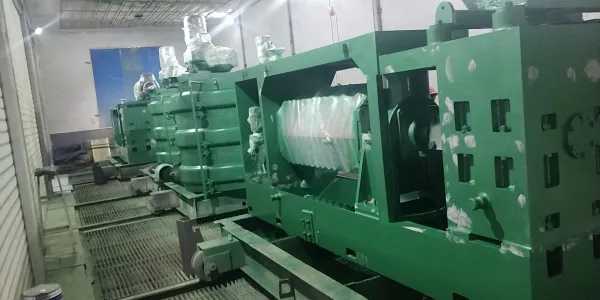
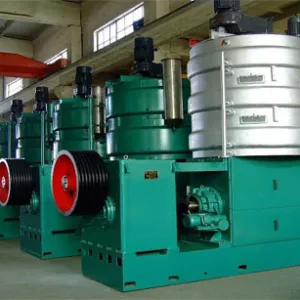
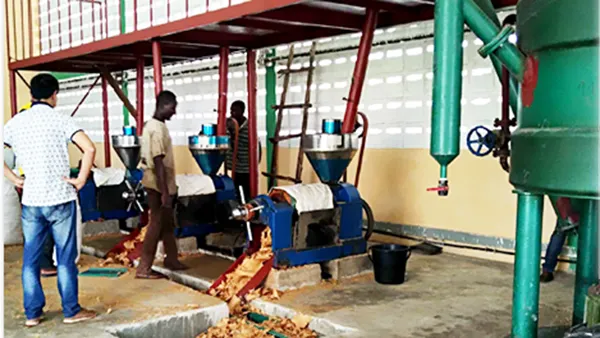
Oil pressing equipment is used to recover oil through mechanical force. Line planning may include material preparation, feeding, pressing, crude-oil handling, filtration or clarification, and optional refining sections.
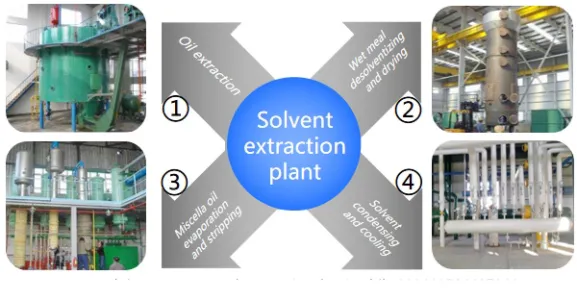
A solvent extraction route is considered where the project requires an extraction process within the oil production line. It should be planned as an integrated system with appropriate material preparation and downstream oil processing.
For projects that use more than one recovery stage, the relationship between pressing and extraction should be determined early so that material flow, capacity balance, and downstream refining needs can be coordinated.
Production capacity should be evaluated as a line-wide requirement. Selecting one high-capacity machine without considering upstream preparation or downstream treatment can create bottlenecks. A practical oilseed processing equipment plan aligns each stage around the intended throughput and operating rhythm.
Automation level should be selected according to the production scale, available operating personnel, process-control requirements, and management approach. Automation is not a stand-alone objective; it should support stable coordination between the major sections of the oil production line.
When the project objective includes refined edible oil, edible oil refining equipment should be evaluated alongside the pressing or extraction section rather than treated as an afterthought. The crude-oil characteristics, target oil quality, product positioning, and planned output all affect how the refining section is incorporated into the overall process.
Planning principle: The most suitable refining configuration is the one that fits the crude-oil source and the intended final product within a balanced, maintainable production line.
Investment planning should account for more than the principal machines. A complete assessment may include process design, auxiliary equipment, conveying and storage, installation arrangements, utilities, technical support, and the intended level of line integration. Comparing alternatives by their fit with the processing objective helps decision-makers evaluate the full production system.
Qi'e Grain and Oil Machinery Co., Ltd. approaches oilseed processing equipment selection as a connected production-line task. From oil pressing equipment and extraction-related planning to edible oil refining equipment, the objective is to align the process with the selected raw material, required capacity, automation level, quality target, and investment framework.
Providing the raw-material type, planned processing capacity, intended end product, available site information, and preferred process route creates a practical basis for evaluating a suitable oil production line configuration.

 86
|
86
|
 Qi'e Grain and Oil Machinery Co., Ltd.
grain and oil machinery equipment
oil pressing equipment
oil production line equipment
oil refining equipment
Qi'e Grain and Oil Machinery Co., Ltd.
grain and oil machinery equipment
oil pressing equipment
oil production line equipment
oil refining equipment
 335
|
soybean solvent extraction
soybean oil extraction
solvent extraction vs pressing
oil yield optimization
solvent recovery system
335
|
soybean solvent extraction
soybean oil extraction
solvent extraction vs pressing
oil yield optimization
solvent recovery system
 67
|
soybean oil mechanical extraction
soybean oil press machine
oil yield improvement
screw press optimization
oil pressing maintenance
67
|
soybean oil mechanical extraction
soybean oil press machine
oil yield improvement
screw press optimization
oil pressing maintenance
 298
|
soybean solvent extraction
high oil in soybean meal
extraction process troubleshooting
soybean processing optimization
solvent extraction efficiency
298
|
soybean solvent extraction
high oil in soybean meal
extraction process troubleshooting
soybean processing optimization
solvent extraction efficiency
 377
|
soybean oil processing
oil yield improvement
raw material cleaning technology
impurity removal
Peng Group
377
|
soybean oil processing
oil yield improvement
raw material cleaning technology
impurity removal
Peng Group








.jpg)