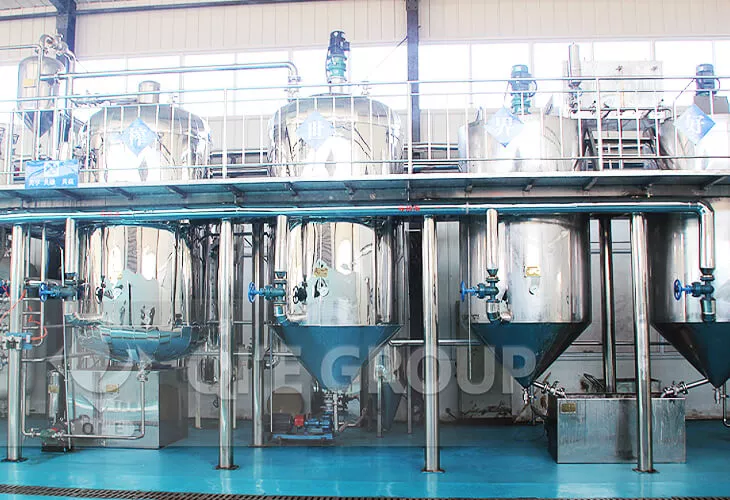
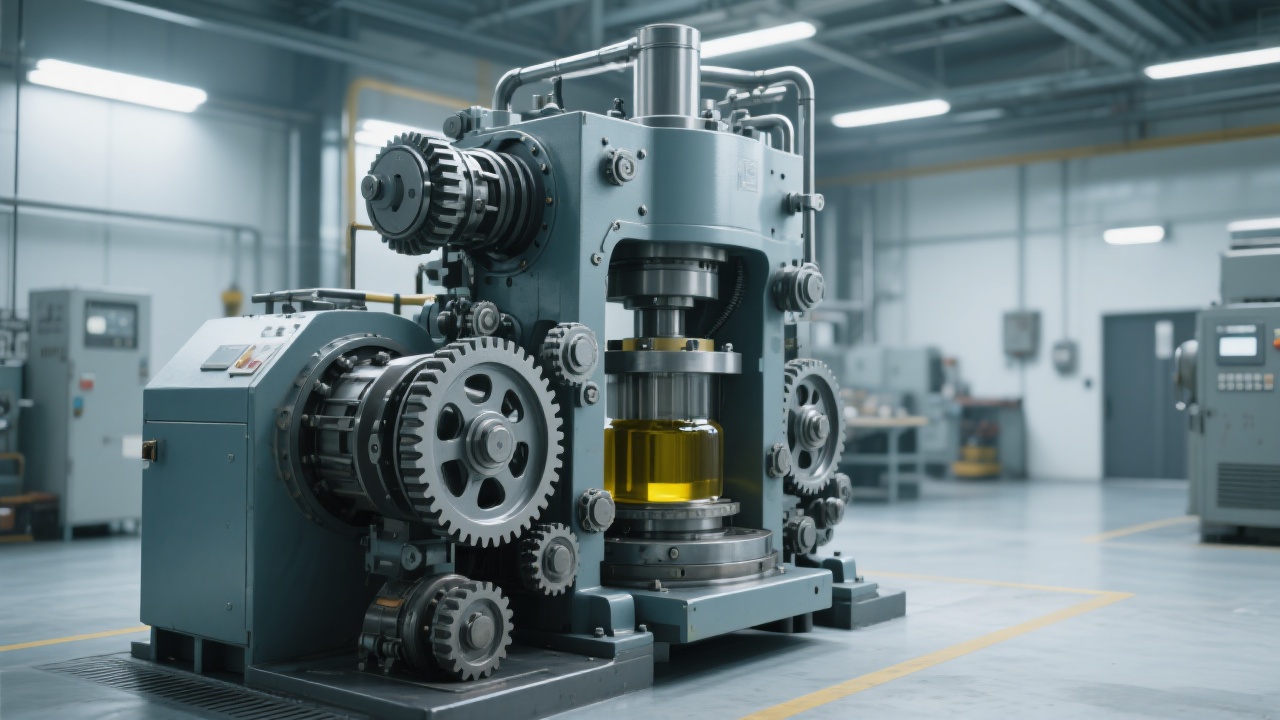
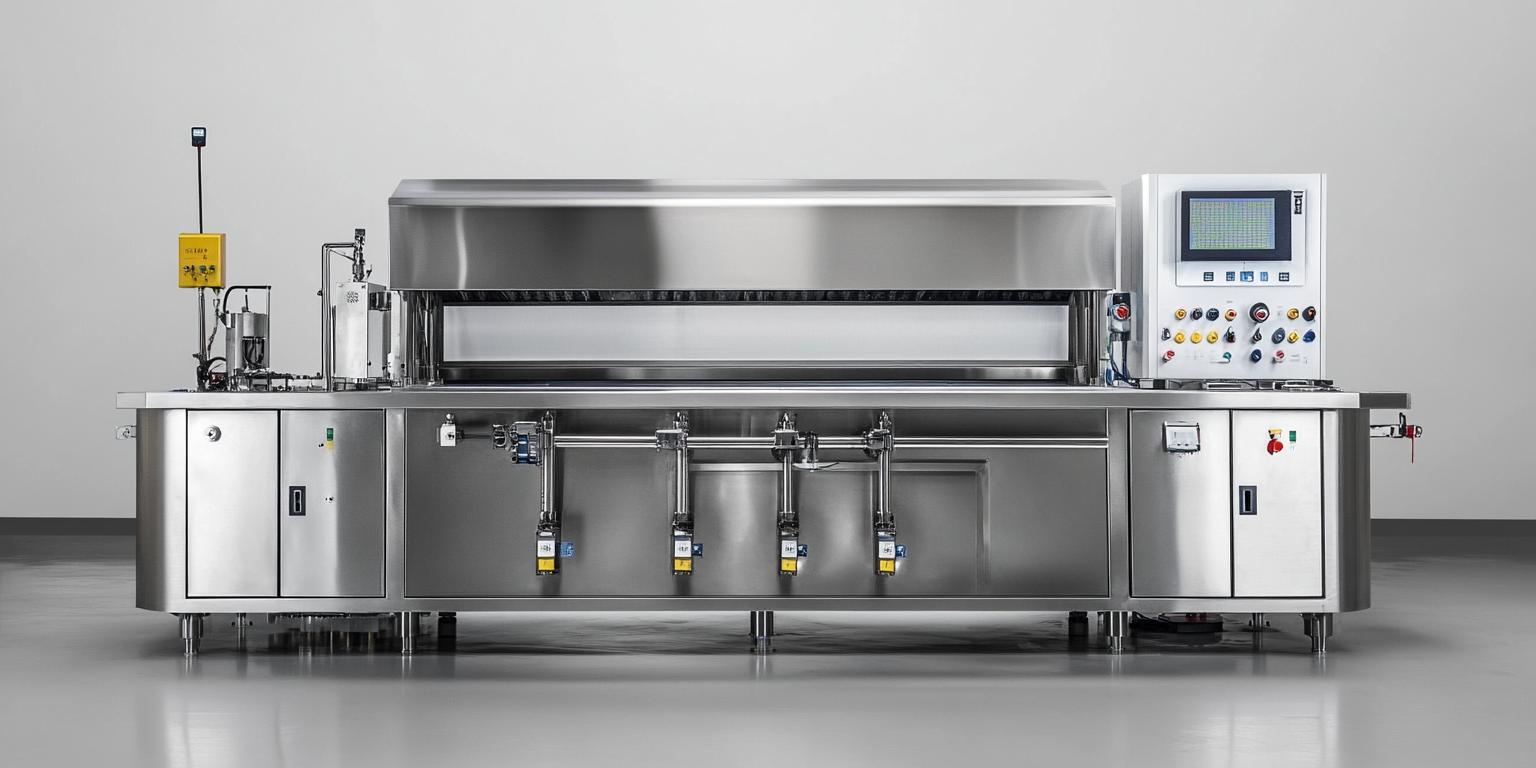
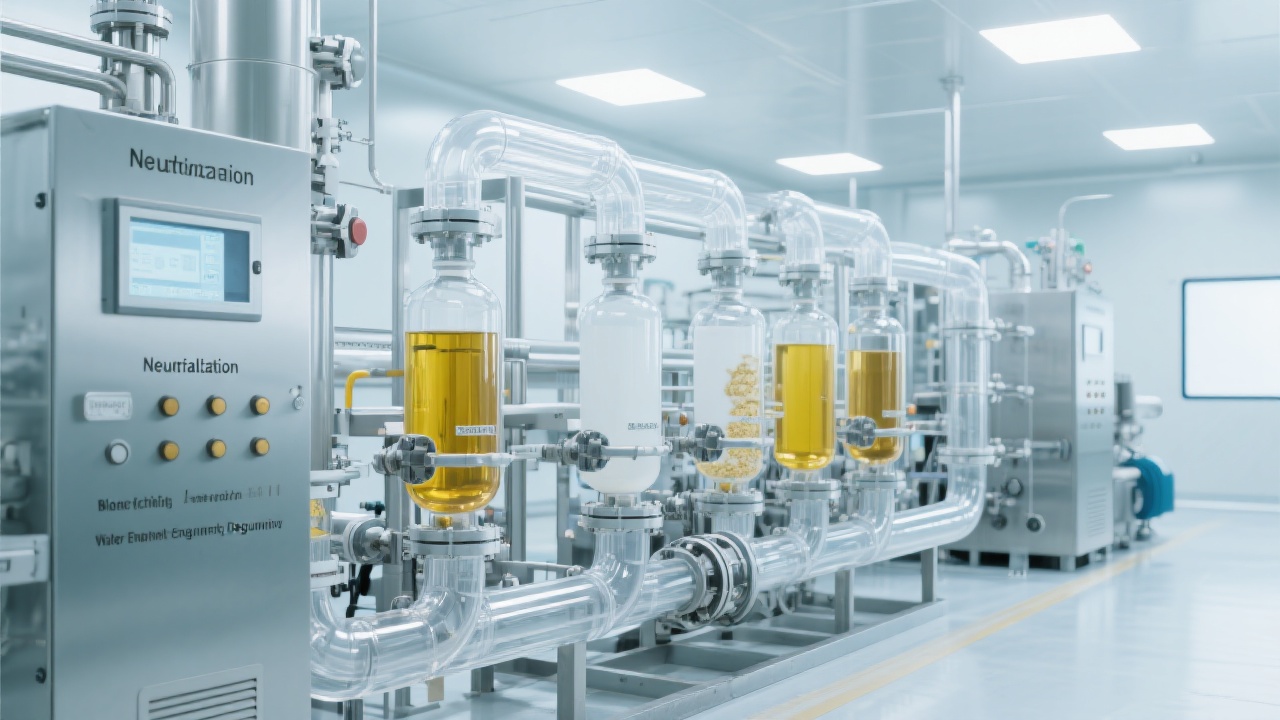
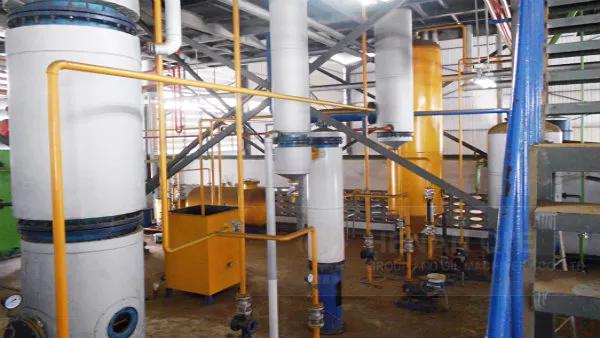
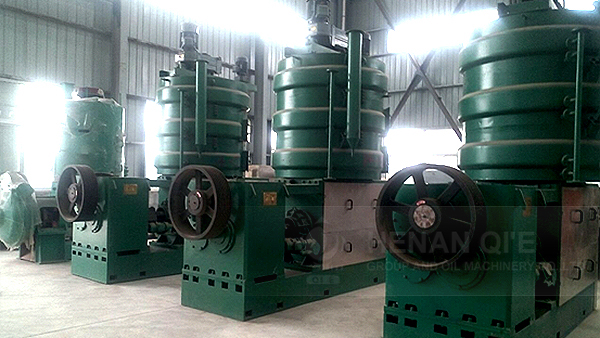
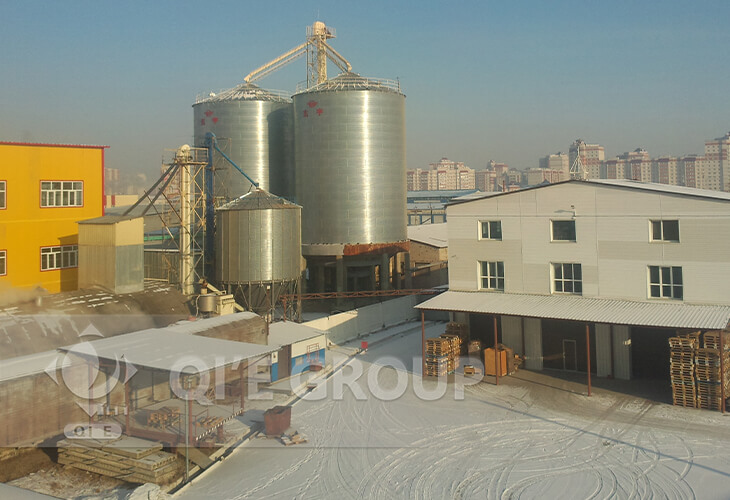
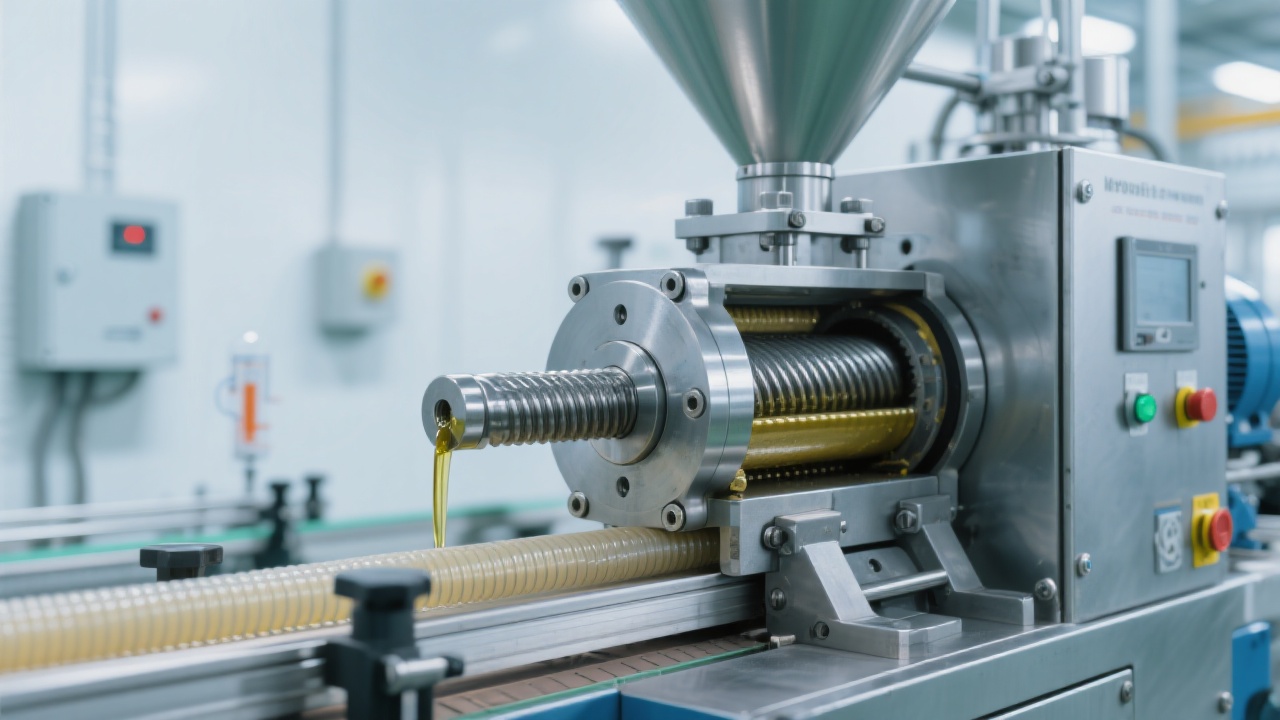
If you're seeking to enhance the quality of soybean oil, extend its shelf life, and improve your production efficiency, understanding the refining process is your stepping stone. Whether you’re new to the edible oils industry or looking to upgrade your refining technology, this guide walks you through essential refining principles and compares the key refining systems—batch, semi-continuous, and continuous. You'll grasp how temperature control, chemical usage, and environmental protocols impact your final product's quality while optimizing operational stability and energy consumption.
Refining soybean oil primarily aims to remove impurities, free fatty acids, phospholipids, pigments, and off-flavors, resulting in oil that meets stringent food safety and quality standards. This process not only improves oil clarity and taste but also extends shelf life by reducing oxidation potential. For producers, a well-controlled refining protocol ensures consistent product quality, higher market value, and compliance with international food regulations.
| System | Characteristics | Suitable for | Typical Capacity (tons/day) |
|---|---|---|---|
| Batch | Simple, low initial cost, flexible operation | Small plants, artisan production, R&D | 1 - 5 |
| Semi-Continuous | Improved throughput, moderate automation | Medium-sized facilities requiring steady output | 5 - 20 |
| Continuous | High efficiency, stable quality, automated control | Large-scale industrial production | 20+ |
To achieve premium quality soybean oil, careful monitoring of these parameters is essential:
Fine-tuning these parameters increases oil clarity, taste stability, and oxidative resistance, balancing process duration with energy costs.
Industry data shows continuous refining systems reduce energy consumption by up to 20% compared to batch systems due to streamlined heat management and automation. Typical continuous processes maintain product oil stability index values around 10 hours (Rancimat test), outperforming batch systems averaging 6-8 hours.
Operators report enhanced operational stability with semi-continuous systems, balancing capital expenditure and throughput. Quality control labs confirm less color index variability and lower phospholipid residues, which favor longer shelf life and customer satisfaction.
Strict adherence to safety protocols—such as controlled temperature ramps and vacuum integrity checks—safeguard against hazards like oil overheating and equipment failure. Modern refining plants are also integrating wastewater treatment and solvent recovery systems aligned with the latest Codex Alimentarius and ISO 22000 standards, ensuring environmental compliance while protecting workforce health.
“Upgrading to a continuous refining system doesn’t just improve product quality — it also reflects your commitment to sustainable manufacturing. Efficiency gains translate into lower carbon footprints, supporting global food safety and environmental goals.”
— Dr. Helen Carter, Edible Oil Industry Expert, 2024 Report
A clear process flow diagram or comparison tables can significantly aid your team in grasping each refining step and system advantage. Highlighting critical control points such as temperature and vacuum settings ensures consistent replication and enables swift troubleshooting.
 42
|
42
|
 soybean oil press
screw oil press machine
hydraulic oil press machine
cold-pressed oil equipment
oil press selection guide
soybean oil press
screw oil press machine
hydraulic oil press machine
cold-pressed oil equipment
oil press selection guide
 274
|
soybean oil mill
soybean oil press machine
oil extraction
food industry
animal feed production
industrial applications
274
|
soybean oil mill
soybean oil press machine
oil extraction
food industry
animal feed production
industrial applications
 441
|
customized oilseed preprocessing equipment
plant oil production line solutions
diverse oilseed processing capabilities
441
|
customized oilseed preprocessing equipment
plant oil production line solutions
diverse oilseed processing capabilities
 293
|
soybean oil press machine
efficient oil extraction process
types of oil press machines
293
|
soybean oil press machine
efficient oil extraction process
types of oil press machines
 32
|
Soybean Oil Press
High Efficiency Production
Biodiesel Market
32
|
Soybean Oil Press
High Efficiency Production
Biodiesel Market