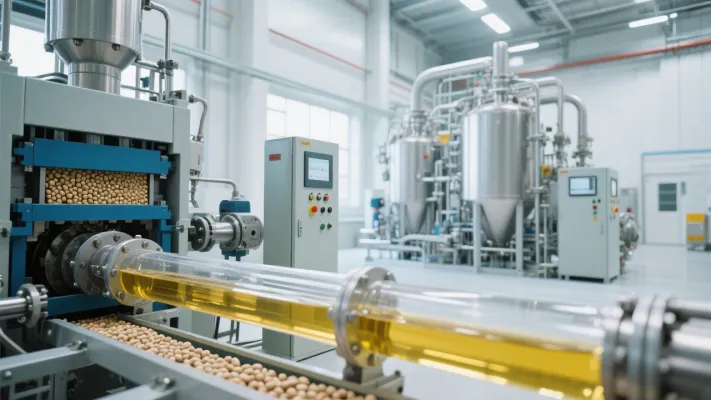
Soybean oil winterization is a critical refining step aimed at improving the product's clarity and extending its shelf life by removing undesirable waxes and high-melting triglycerides. Effective winterization not only enhances the visual appeal of the oil but also significantly impacts consumer acceptance and market competitiveness. This technical overview delves into the underlying principles, key process parameters, and equipment selection for soybean oil winterization, offering actionable insights for production managers and processing engineers.
The primary objective of winterization is to selectively crystallize and remove waxes and high melting point (>40°C) triglycerides that cause haziness or cloudiness when the oil is stored or chilled. These components, if left unprocessed, precipitate as crystals at lower temperatures, compromising the oil's clarity and consumer appeal.
Research shows that winterizing soybean oil can reduce wax content from approximately 150-300 ppm to less than 50 ppm, a significant improvement that corresponds with enhanced light transmittance values—often rising from below 85% up to 95% or greater, measured at 420 nm wavelength.
Key variables controlling winterization efficacy include crystallization temperature, cooling rate, and residence time. Typically, soybean oil is cooled gradually within the 0-10°C range to promote uniform wax crystallization, followed by precise filtration or centrifugation to separate the solid fraction.
| Parameter | Recommended Range | Impact |
|---|---|---|
| Crystallization Temperature | 2°C - 8°C | Affects wax crystal size; too low causes excessive oil loss |
| Cooling Rate | 0.5°C - 1.5°C per hour | Ensures uniform crystallization and manageable sludge |
| Residence Time | 12 - 24 hours | Optimizes wax crystal growth for efficient separation |
The efficiency of the winterization process heavily relies on the selection and configuration of crystallization and separation equipment. For small to medium-sized operations, scraped surface heat exchangers combined with batch vacuum filters offer a cost-effective solution with good control over crystallization and filtration phases.
Large-scale industrial producers often favor continuous winterization systems utilizing tubular heat exchangers and automated centrifuges. These setups enable continuous operation, improved thermal consistency, and higher throughput—critical for meeting volume demands while maintaining product clarity.
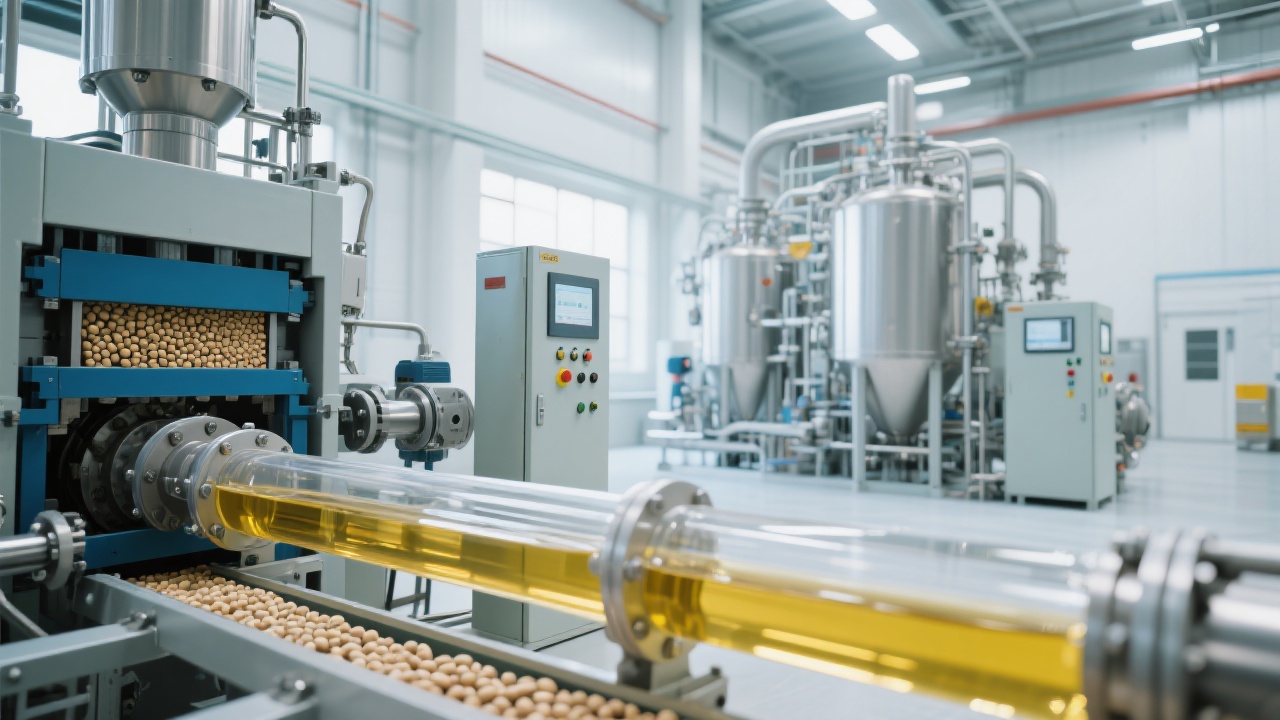
Winterization may encounter obstacles such as incomplete wax removal, excessive oil losses, or equipment fouling. Addressing these issues typically involves:
Maintaining consistent product quality requires routine verification aligned with industry standards such as Codex Alimentarius and IOOC. Essential checks include:
| Inspection Item | Frequency | Standard |
|---|---|---|
| Wax Content Analysis | Daily | < 50 ppm |
| Oil Clarity (Transmittance %) | Per Batch | ≥ 95% at 420 nm |
| Storage Stability Test | Monthly | No cloudiness after 30 days at 5°C |

Q: What is the typical oil loss during winterization, and how can it be minimized?
A: Oil losses usually range from 0.5% to 1.5% depending on process control precision. Minimization strategies include controlling cooling rates, optimizing filtration pressure, and selecting equipment with minimal oil entrainment characteristics.
Q: Can winterization parameters differ for oils with varying wax content?
A: Absolutely. Oils naturally higher in waxes may require lower crystallization temperatures or longer residence times for effective wax precipitation. Customized process adjustments increase yield and clarity.

Harness the power of refined winterization techniques to elevate your soybean oil’s clarity and shelf life — Discover Advanced Winterization Solutions Today