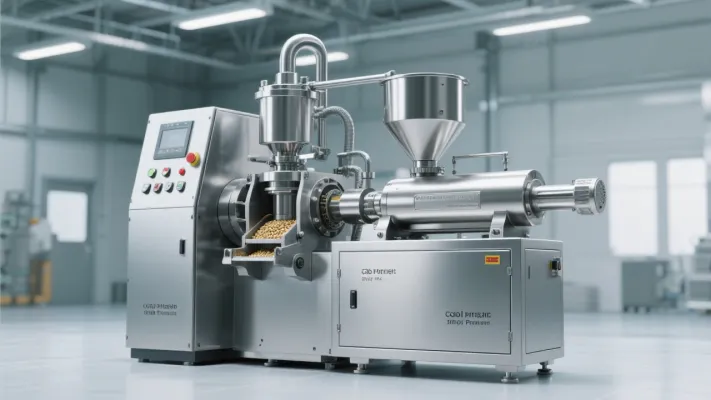
You're in the market for a new oil press, and you're faced with a common question: "Should I choose a screw oil press or a hydraulic oil press?" This guide is designed to help you make an informed decision by comparing these two types of oil presses across four key dimensions: production capacity, oil quality, energy consumption and maintenance, and suitable scale of operation.
Let's start with production capacity. Think of a screw oil press like a continuous sponge - squeezer. The screw mechanism continuously presses the oil - bearing materials, enabling a high - speed and large - scale oil extraction process. On average, a medium - sized screw oil press can handle up to 5 - 10 tons of soybeans per day. This makes it an ideal choice for large - scale industrial production.
In contrast, a hydraulic oil press operates more like a slow - motion press. It applies pressure in intervals, which is less efficient in terms of volume. A typical hydraulic oil press can process around 1 - 3 tons of soybeans per day, making it more suitable for small - scale operations such as family - run workshops.
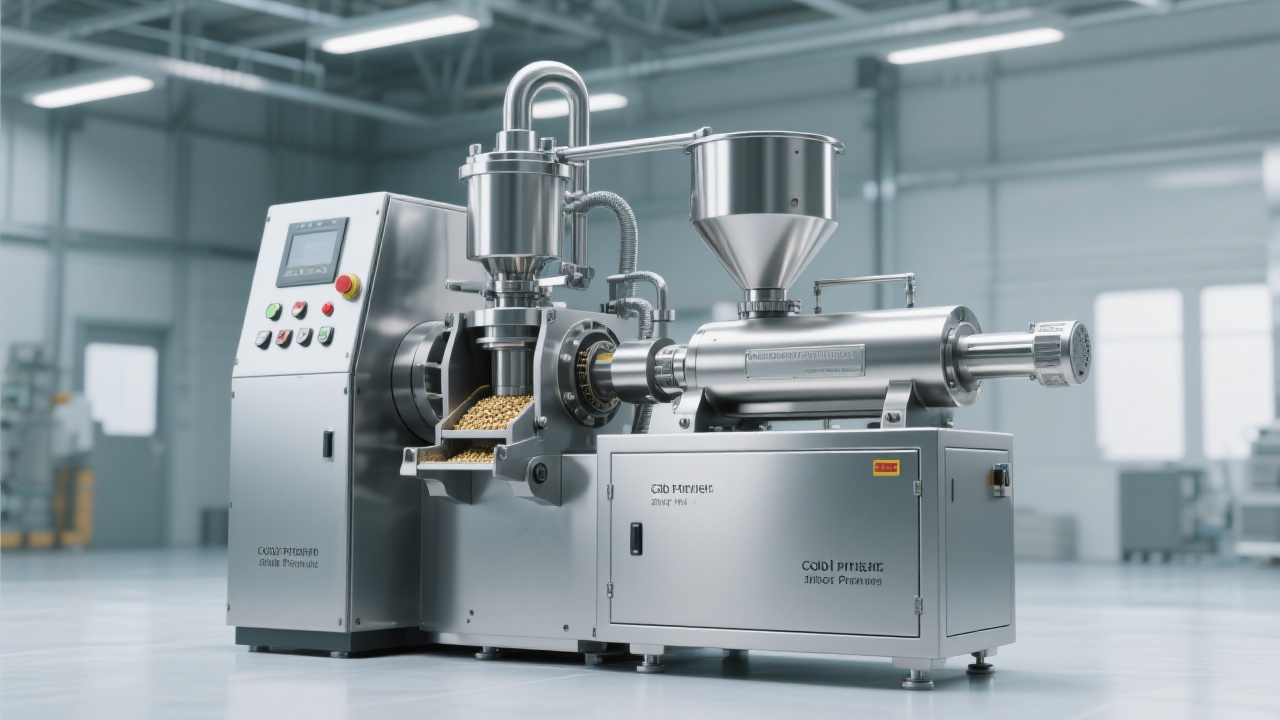
When it comes to oil quality, the differences between the two types of presses are also significant. Screw oil presses usually use a hot - pressing method. The high - temperature process can break down the oil cells more effectively, resulting in a higher oil yield. However, this also means that the oil may have a darker color, a stronger odor, and more impurities. The oil often requires further refining to meet high - end market standards.
Hydraulic oil presses, on the other hand, are well - known for cold - pressing. Cold - pressing retains more of the natural nutrients and flavors of the oil. The oil produced has a lighter color, a milder odor, and fewer impurities. For example, cold - pressed soybean oil retains more vitamin E and unsaturated fatty acids, which are beneficial to health. This makes hydraulic - pressed oil more popular in the high - end and health - conscious markets.
| Press Type | Color | Odor | Impurities |
|---|---|---|---|
| Screw Oil Press | Darker | Stronger | More |
| Hydraulic Oil Press | Lighter | Milder | Fewer |
Energy consumption is an important factor to consider in long - term operation. Screw oil presses generally consume more energy due to their continuous operation. They also have more moving parts, which means higher maintenance costs. For example, the screw needs to be replaced regularly to maintain its pressing efficiency.
Hydraulic oil presses, with their intermittent operation, consume less energy. And since they have fewer moving parts, the maintenance is relatively simple and less costly. However, the hydraulic system may require occasional checks and fluid replacements.
As mentioned earlier, screw oil presses are best suited for large - scale industrial production. Their high - volume processing capacity can meet the demand of mass - market oil production. For example, a large - scale soybean oil factory can significantly increase its production capacity by 40% by using a screw oil press, as shown in a real - world case study:
"We switched from a hydraulic oil press to a screw oil press last year. Our daily production increased from 3 tons to 5 tons, and our overall annual profit increased by 30%," said a manager from a soybean oil factory.
Hydraulic oil presses, with their focus on quality and lower volume, are more suitable for small - scale operations. They are often used in small workshops that target niche markets, such as organic or artisanal oil products. For instance, a small family - run business can use a hydraulic oil press to produce high - quality cold - pressed soybean oil, which retains more nutrients and flavors.
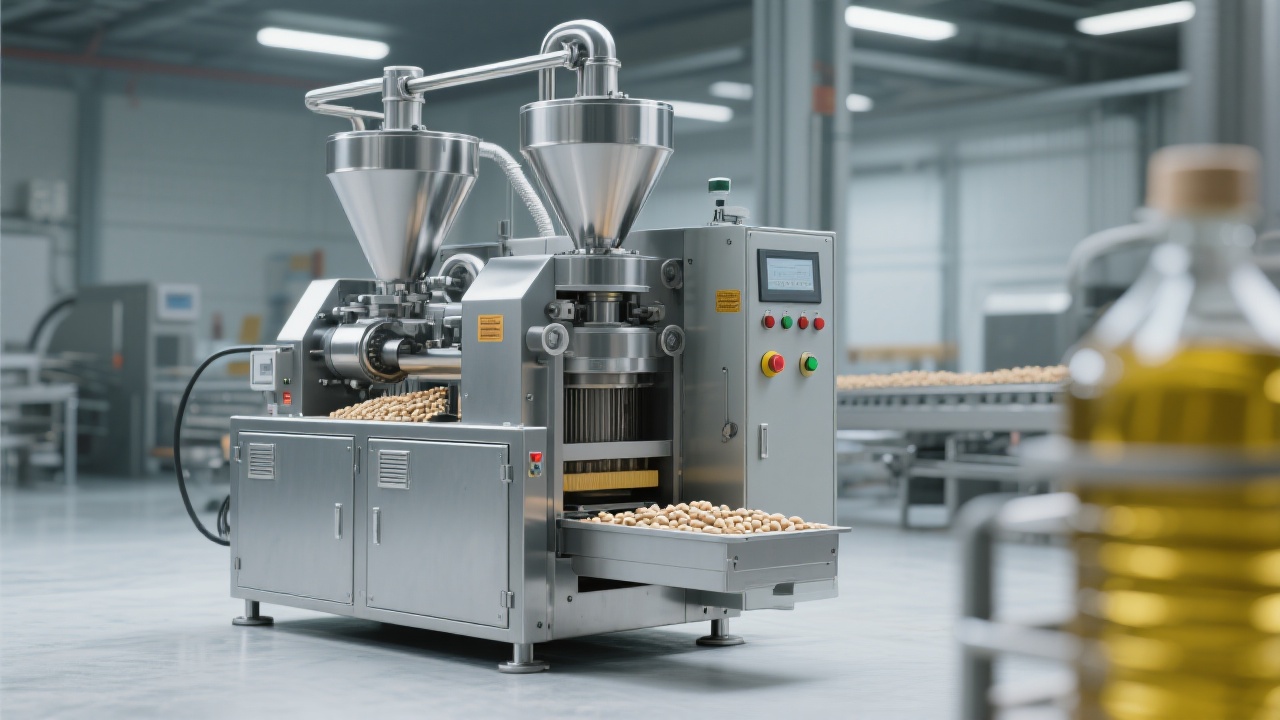
Some modern oil presses come with integrated oil - filtering systems. This is a future - facing feature that can significantly reduce the workload in the subsequent refining process. For both screw and hydraulic oil presses, an integrated oil - filtering system can remove a large portion of impurities during the oil extraction process, saving time and resources in the later refining steps.
To help you further clarify your needs, here is a simple self - assessment list:
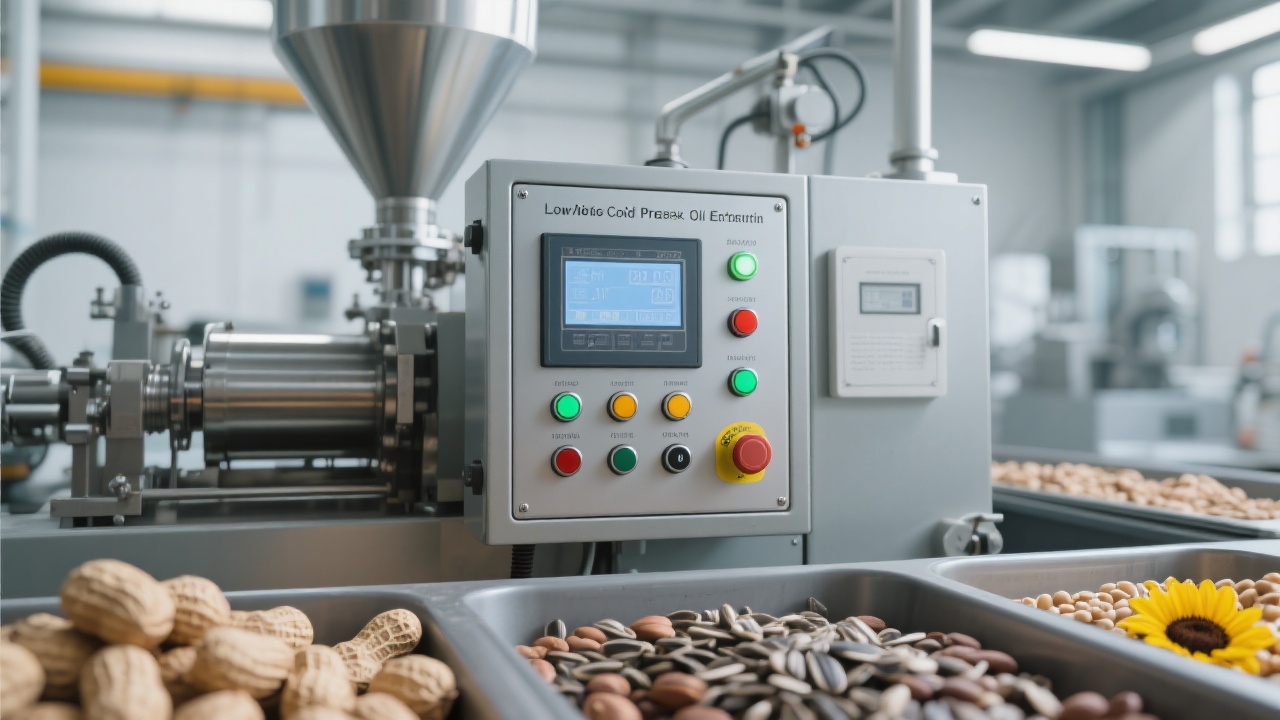
Now that you have a comprehensive understanding of the differences between screw oil presses and hydraulic oil presses, you're one step closer to making the right choice for your production needs. Click here to learn how to select the most suitable soybean oil production equipment based on your production scale.





