In the industrial scenario of soybean oil production, high - quality soybean oil presses play a crucial role. They not only improve the efficiency of oil extraction but also ensure the stability of oil quality, which is of great significance for small and medium - sized oil mills.
There are mainly two types of soybean oil presses: screw and hydraulic. Screw oil presses use the principle of screw extrusion. They have high oil extraction efficiency, usually reaching about 80% - 90%. This type of oil press is suitable for continuous large - scale production. For example, in a medium - sized oil mill that processes more than 5 tons of soybeans per day, a screw oil press can meet the high - volume production needs.
On the other hand, hydraulic oil presses use hydraulic pressure to extract oil. They are more suitable for producing high - quality, high - end oils because they can better control the pressure and temperature during the oil extraction process, which helps to preserve the nutrients in the oil. However, their production efficiency is relatively low, usually about 60% - 70%, and they are more suitable for small - scale production or the production of special - grade oils.

Many users encounter various problems during the use of soybean oil presses. One of the common problems is feed blockage. This may be caused by improper soybean moisture content or uneven feeding. If the moisture content of soybeans is too high, it is easy to cause blockage in the feeding port. The ideal moisture content of soybeans for oil extraction is about 10% - 12%.
Another problem is impure oil quality. This may be due to insufficient filtration or problems with the oil extraction process. By improving the filtration system and optimizing the oil extraction process, the impurity content in the oil can be controlled within 1% - 2%, ensuring high - quality oil production.
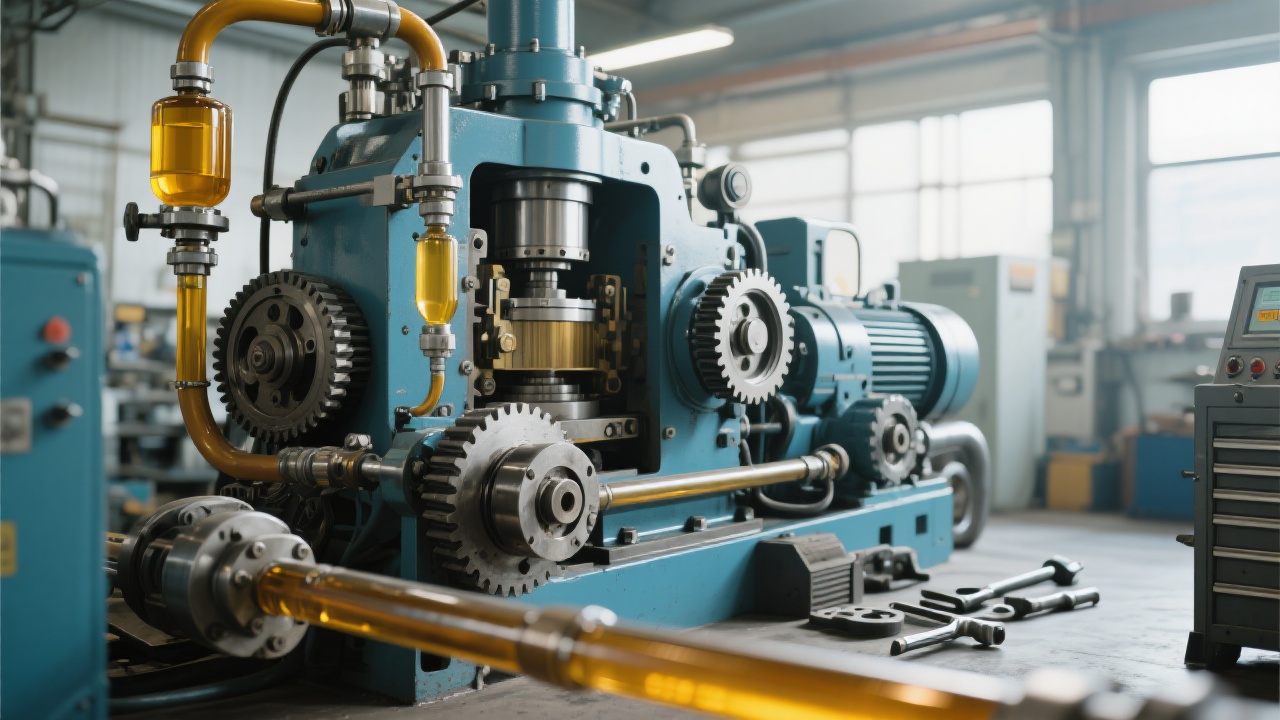
Abnormal noise is also a headache for users. It may be caused by loose parts, lack of lubrication, or wear of key components. Regular inspection and maintenance can effectively reduce the occurrence of such problems.
Maintenance is the key to ensuring the long - term stable operation of soybean oil presses. First, before cleaning, turn off the power supply and wait for the equipment to cool down. Then, remove the remaining soybeans and oil residues in the equipment. For lubrication, use high - quality lubricants and lubricate the key parts such as bearings and screws every 50 - 100 hours of operation.
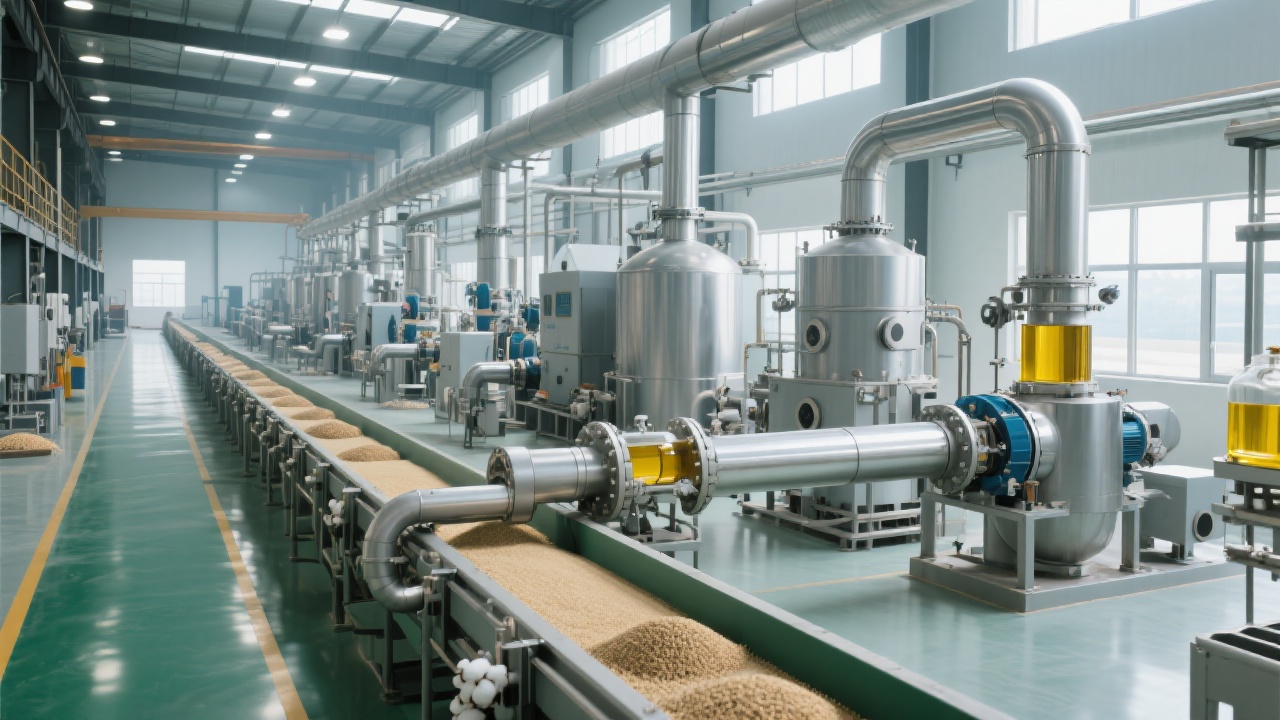
The cleaning of the filtration system is also very important. It is recommended to clean the filter screen every 20 - 30 hours of operation to ensure the normal operation of the filtration system. Here is a simple maintenance flow chart:
A preventive maintenance system can effectively reduce the probability of equipment failure. Regularly check the tightness of parts, the wear of key components, and the performance of the electrical system. Make a detailed inspection list and operate in strict accordance with the specifications. For example, check the belt tension every week, and check the motor insulation resistance every month.
Let's take a small - scale oil mill as an example. Before using the preventive maintenance system, the equipment often failed, resulting in an average of 3 - 5 days of production suspension per month. After implementing the preventive maintenance system, the equipment failure rate was reduced by more than 80%, and the production efficiency was significantly improved.
In conclusion, choosing a high - quality soybean oil press and mastering correct maintenance skills can help you achieve efficient and stable production, extend the service life of the equipment, and reduce operating costs. If you want to learn more about high - performance oil extraction equipment, click here to explore now!