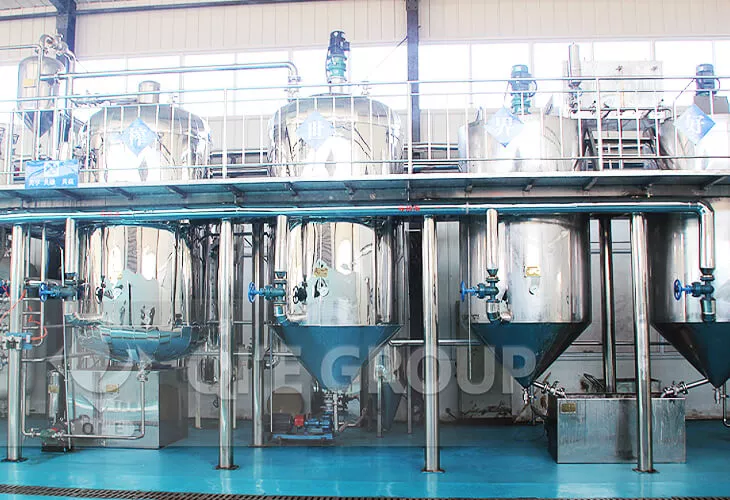
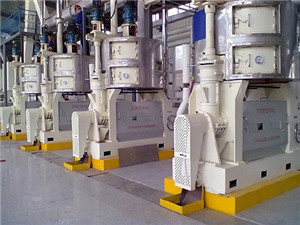
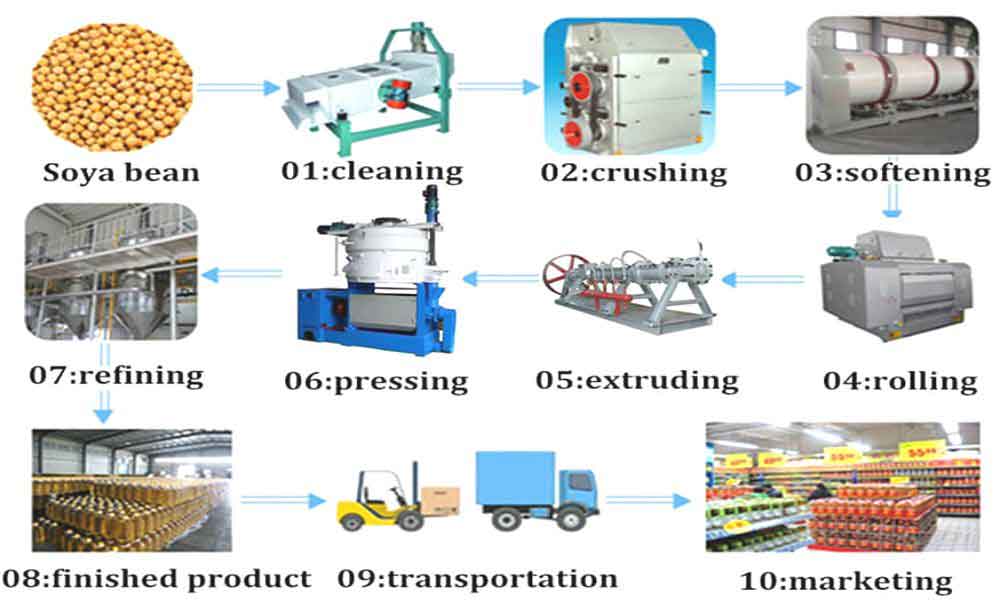
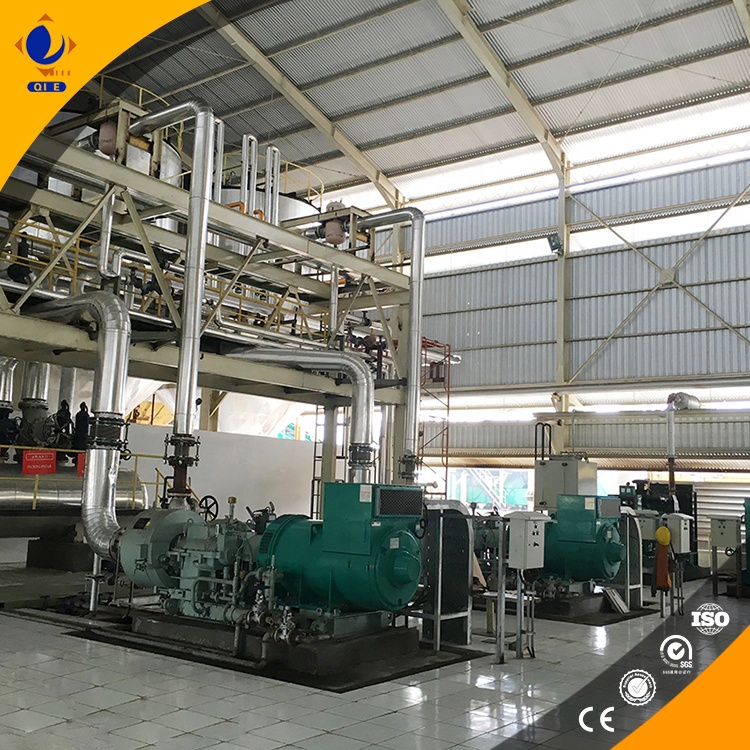
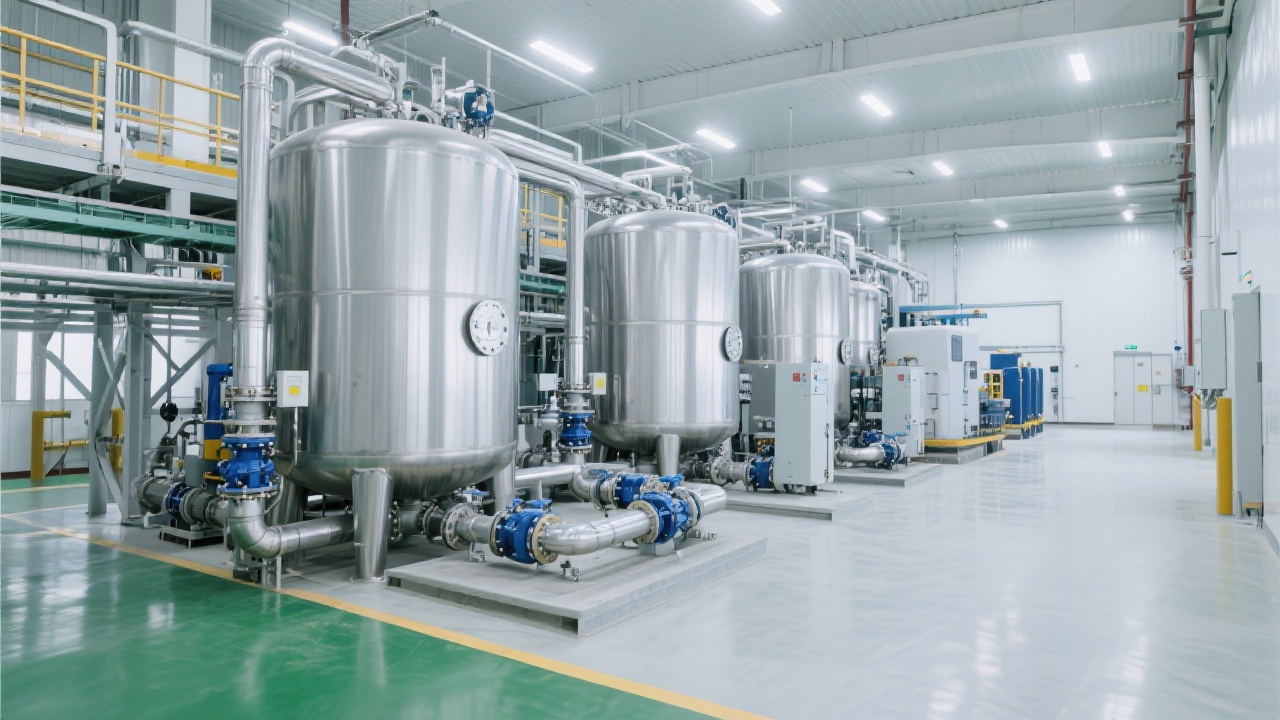
As global demand for high-quality edible oils rises, mid-to-large-scale vegetable oil processors are increasingly turning to semi-continuous and continuous refining systems—not just for scalability, but for long-term operational efficiency. In this article, we break down the technical and economic rationale behind their preference, backed by real-world data from leading food manufacturers.
According to industry benchmarks, facilities processing over 50 tons/day of crude soybean oil typically see a 25–40% improvement in throughput when switching from batch to semi-continuous or continuous systems. Why? Because automation reduces manual intervention—critical for maintaining consistency in temperature control, neutralization, and bleaching stages.
| System Type | Daily Output (tons) | Energy Use per Ton (kWh) | Labor Cost Efficiency |
|---|---|---|---|
| Batch System | 10–30 | 120–150 | Low |
| Semi-Continuous | 30–80 | 95–110 | Medium-High |
| Continuous | 80–150+ | 80–90 | High |
Unlike traditional batch methods where temperature fluctuations can compromise oil quality, continuous systems maintain precise thermal profiles across all refining stages—from degumming to deodorizing. A case study from a major Asian food group showed that after upgrading to a fully continuous line, they reduced free fatty acid levels from 1.2% to below 0.3%, while increasing yield by 2.1% per ton processed.
Moreover, modern PLC-based controls allow remote monitoring and predictive maintenance alerts—cutting downtime by up to 30%. This is especially valuable for operations in regions like Southeast Asia and the Middle East, where skilled labor availability may be limited.
While upfront investment for a continuous system ranges from $500K to $1.2M depending on capacity, payback periods average 18–24 months due to lower energy consumption, higher output, and reduced waste. For comparison, a semi-continuous setup offers faster ROI (~12–18 months) with less capital risk—a smart middle ground for growing enterprises.
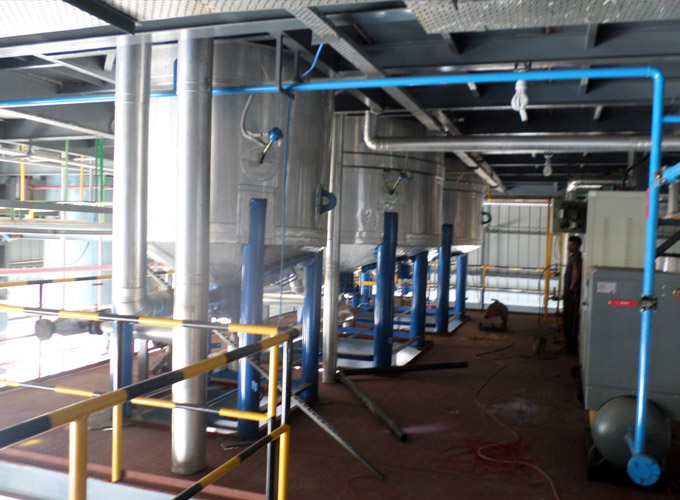
Installation must be done with precision: ensure proper alignment of feed pumps, vacuum lines, and heat exchangers. Regular cleaning cycles every 30 days prevent buildup that could reduce heat transfer efficiency by up to 15%.
Still unsure which system fits your production scale? Your factory might benefit from a tailored solution.
 62
|
62
|
 Soybean Oil Press
African Market
Small and Medium Enterprises
Soybean Oil Press
African Market
Small and Medium Enterprises
 514
|
Soybean Oil Refinery Machine
Soybean Oil Press Machine
Automatic Soybean Oil Refinery
514
|
Soybean Oil Refinery Machine
Soybean Oil Press Machine
Automatic Soybean Oil Refinery
 284
|
soybean oil press maintenance
oil press operation tips
screw shaft lubrication
filtration system cleaning
oil press troubleshooting
284
|
soybean oil press maintenance
oil press operation tips
screw shaft lubrication
filtration system cleaning
oil press troubleshooting
 399
|
seed preprocessing production line for oilseeds
versatile oilseed processing solution
customizable vegetable oil production equipment
399
|
seed preprocessing production line for oilseeds
versatile oilseed processing solution
customizable vegetable oil production equipment
.jpg?x-oss-process=image/resize,h_300,m_lfit/format,webp) 250
|
Soybean oil mill
Multi - oilseed processing
Customizable oil - producing equipment
Oil mill versatility
Oil mill capacity customization
250
|
Soybean oil mill
Multi - oilseed processing
Customizable oil - producing equipment
Oil mill versatility
Oil mill capacity customization