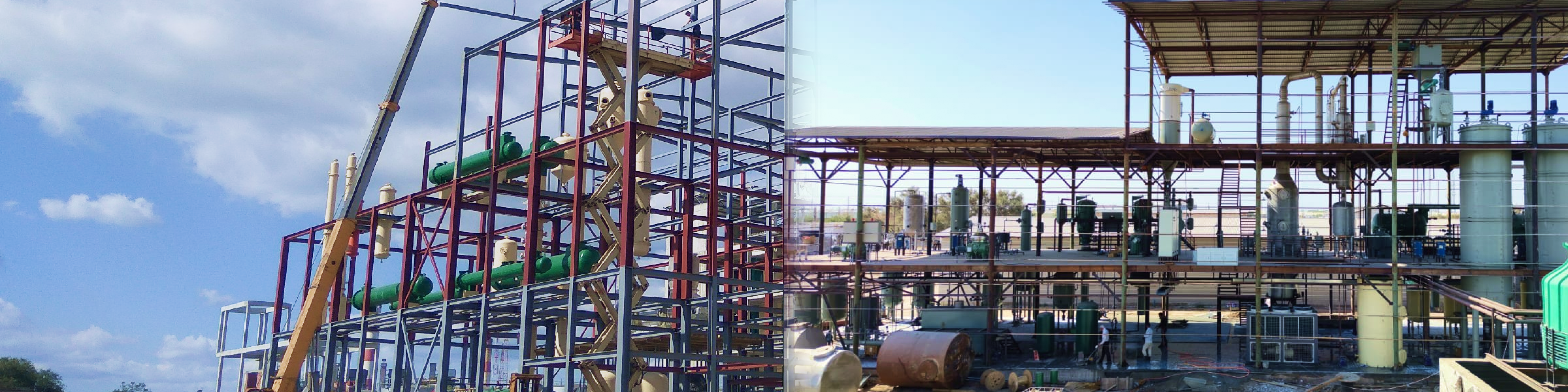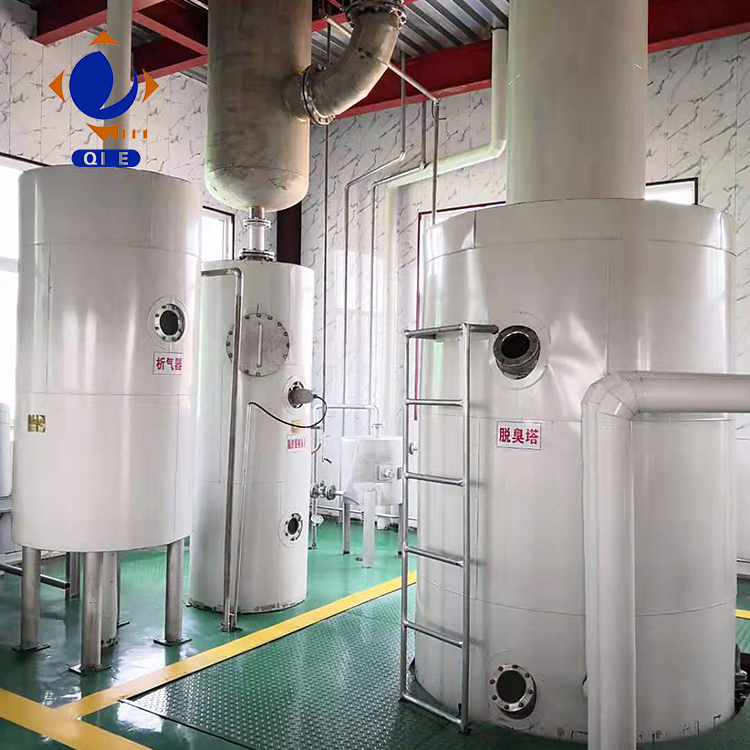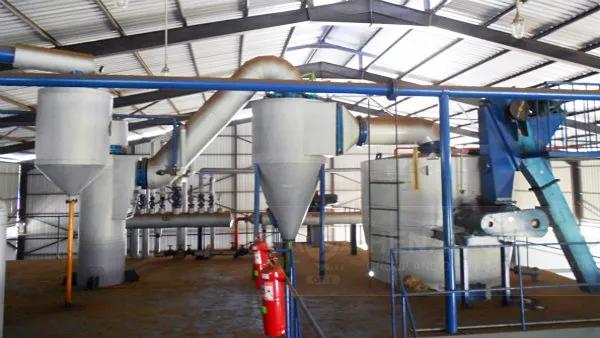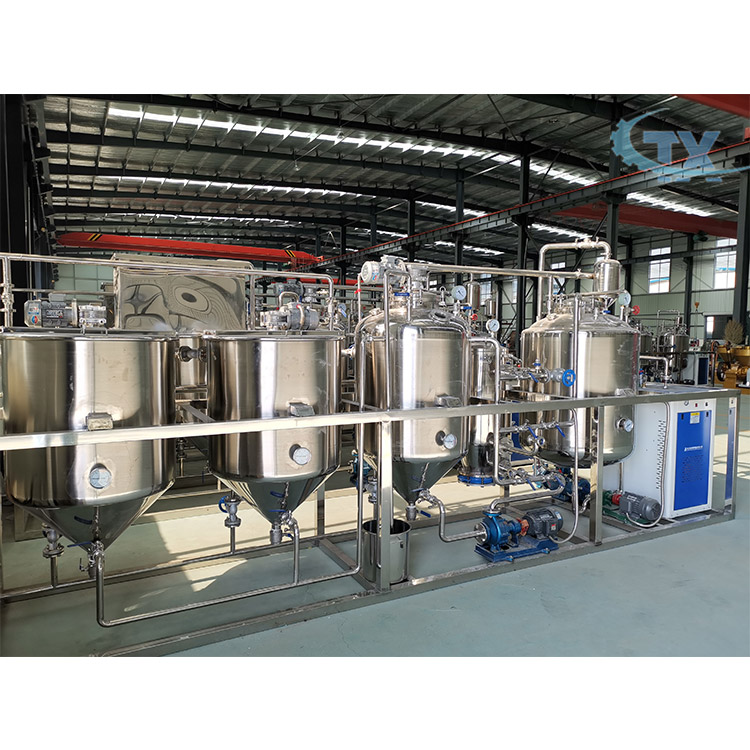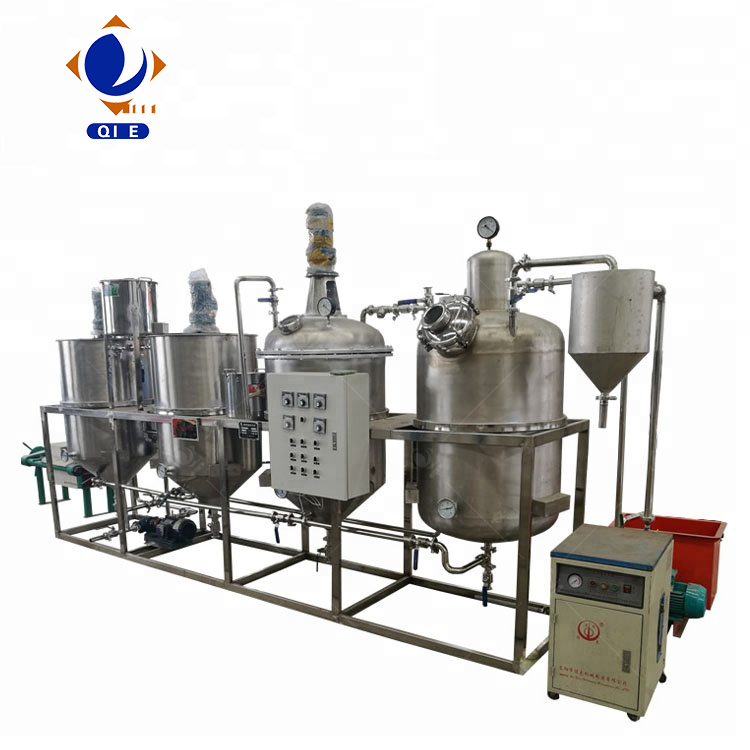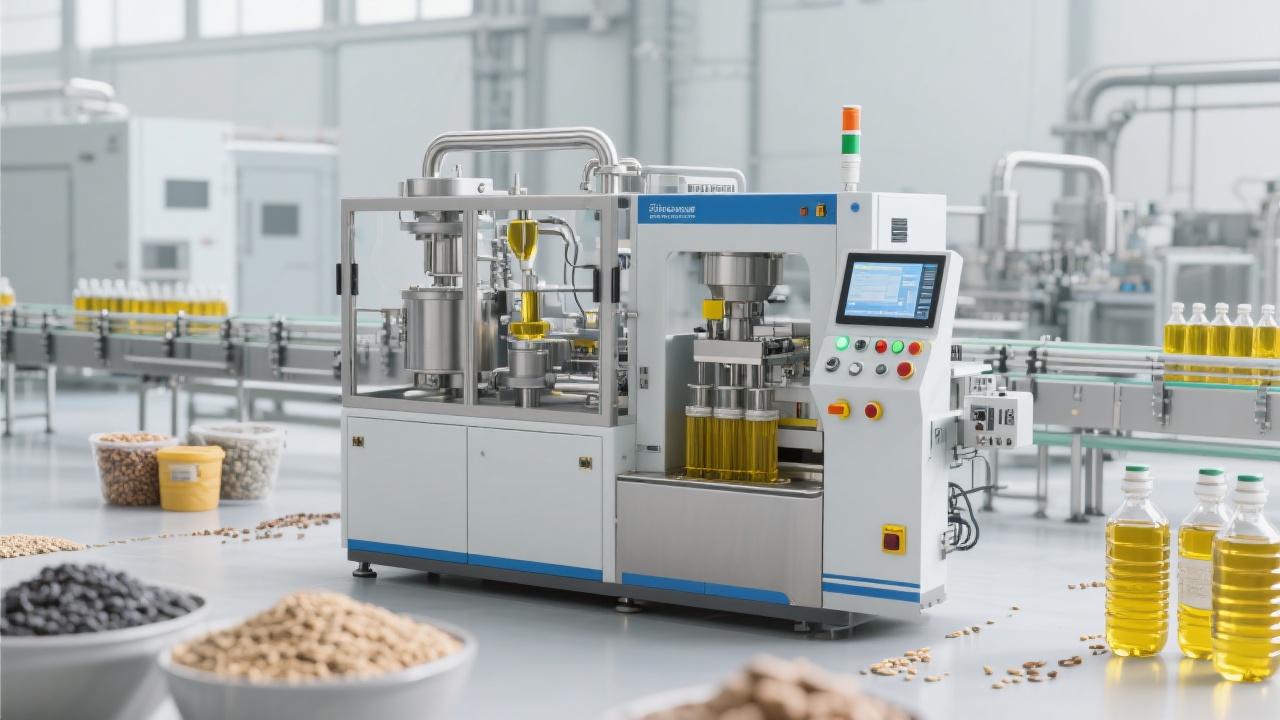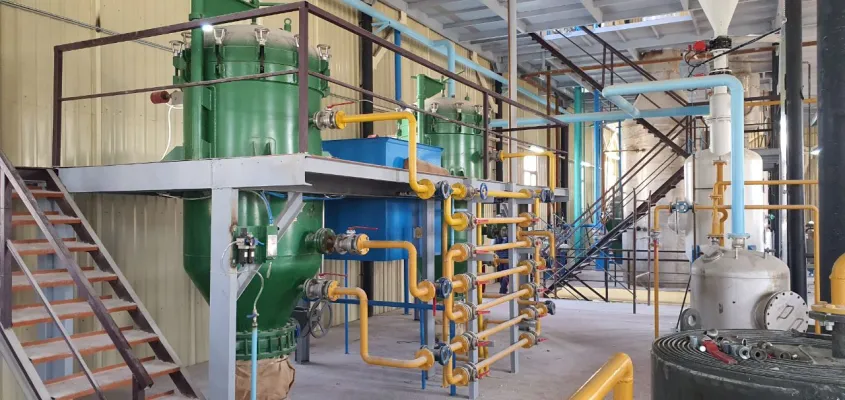
Within the dynamic landscape of edible oil manufacturing, smart soybean oil extraction machines stand at the forefront of industrial innovation. By integrating sophisticated automation control systems—including intelligent sensors and real-time parameter monitoring—these machines have revolutionized the extraction process. This article thoroughly explores how automation drives precision in temperature, pressure, and moisture control during soybean oil extraction, boosting productivity and ensuring consistent oil quality. Whether you oversee a small-to-medium scale plant or manage a sizable food processing facility, the insights below will reveal actionable strategies to enhance your operational efficiency.
Automation control systems digitize the entire soybean oil extraction workflow, spanning from raw material feeding through oil separation to byproduct discharge. Embedded microcontrollers and Programmable Logic Controllers (PLCs) orchestrate sequential processes with minimal human input, reducing manual errors and downtime. Such digital management enhances throughput by approximately 15-20%, as confirmed by recent industrial trials.
Key benefits include:
Modern intelligent extraction machinery relies heavily on real-time sensors to monitor critical parameters like temperature, pressure, and moisture content. For example, accurate temperature monitoring ensures oil viscosity remains optimal, preventing thermal degradation, while pressure sensors sustain consistent hydraulic press operation. Coupled with advanced data analytics, these sensors enable continuous feedback loops that dynamically adjust machine settings.
Industry benchmarks reveal:
| Parameter | Optimal Range | Impact on Yield |
|---|---|---|
| Temperature (°C) | 90–110 | +8% extraction efficiency |
| Pressure (MPa) | 3.0–4.5 | +6% oil purity |
| Moisture Content (%) | 6–9 | +5% overall yield |
Choosing the optimal intelligent soybean oil extraction machine depends heavily on production volume and budget constraints.
Energy consumption comprises a significant portion of operational expenses in oil extraction. Intelligent machines incorporate energy-saving features such as variable frequency drives (VFDs), heat recovery modules, and standby modes that reduce power footprint by up to 18%. Furthermore, automated diagnostic tools proactively detect component wear, easing maintenance schedules and minimizing unplanned downtime from an average of 12 hours/month to under 2 hours.
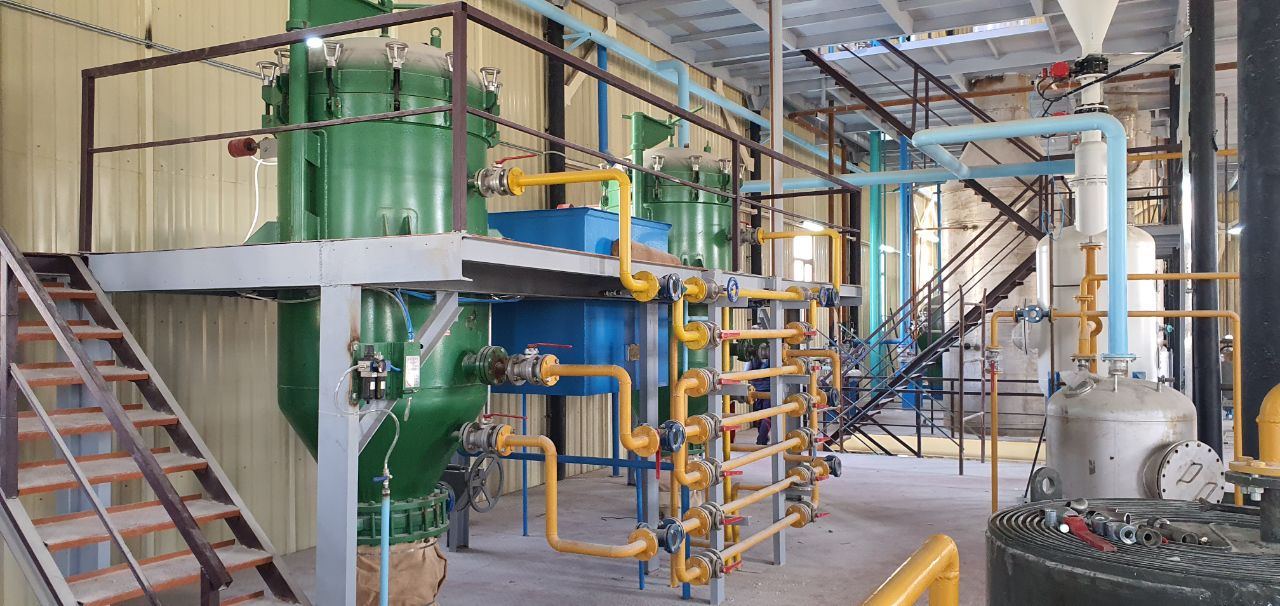
The future trajectory of oilseed processing pivots on digitization and smart manufacturing frameworks. Industry 4.0 principles—combining IoT, cloud computing, and machine learning—enable end-to-end visibility, quicker fault resolution, and adaptive optimization. Adoption of such technologies is expected to grow at a CAGR of 12% globally, particularly across Asia-Pacific and North America markets. Companies embracing these trends position themselves not only as production leaders but also as sustainability champions.

 295
|
295
|
 soybean solvent extraction
high oil in soybean meal
extraction process troubleshooting
soybean processing optimization
solvent extraction efficiency
soybean solvent extraction
high oil in soybean meal
extraction process troubleshooting
soybean processing optimization
solvent extraction efficiency
 77
|
Soybean oil refining
Edible oil shelf life improvement
Refining process optimization
Automated oil refining system
Oil quality control
77
|
Soybean oil refining
Edible oil shelf life improvement
Refining process optimization
Automated oil refining system
Oil quality control
 151
|
soybean oil desolventizing equipment
vacuum desolventizer selection
desolventizing equipment maintenance
soybean processing equipment configuration
solvent residue control
151
|
soybean oil desolventizing equipment
vacuum desolventizer selection
desolventizing equipment maintenance
soybean processing equipment configuration
solvent residue control
 194
|
soybean oil refining machine
refining machine selection
soybean oil processing guide
oil refining equipment maintenance
vegetable oil processing equipment
59
|
Soybean oil refining machine
Refining machine selection
Soybean oil processing guide
Refining equipment maintenance
Oil processing equipment
194
|
soybean oil refining machine
refining machine selection
soybean oil processing guide
oil refining equipment maintenance
vegetable oil processing equipment
59
|
Soybean oil refining machine
Refining machine selection
Soybean oil processing guide
Refining equipment maintenance
Oil processing equipment