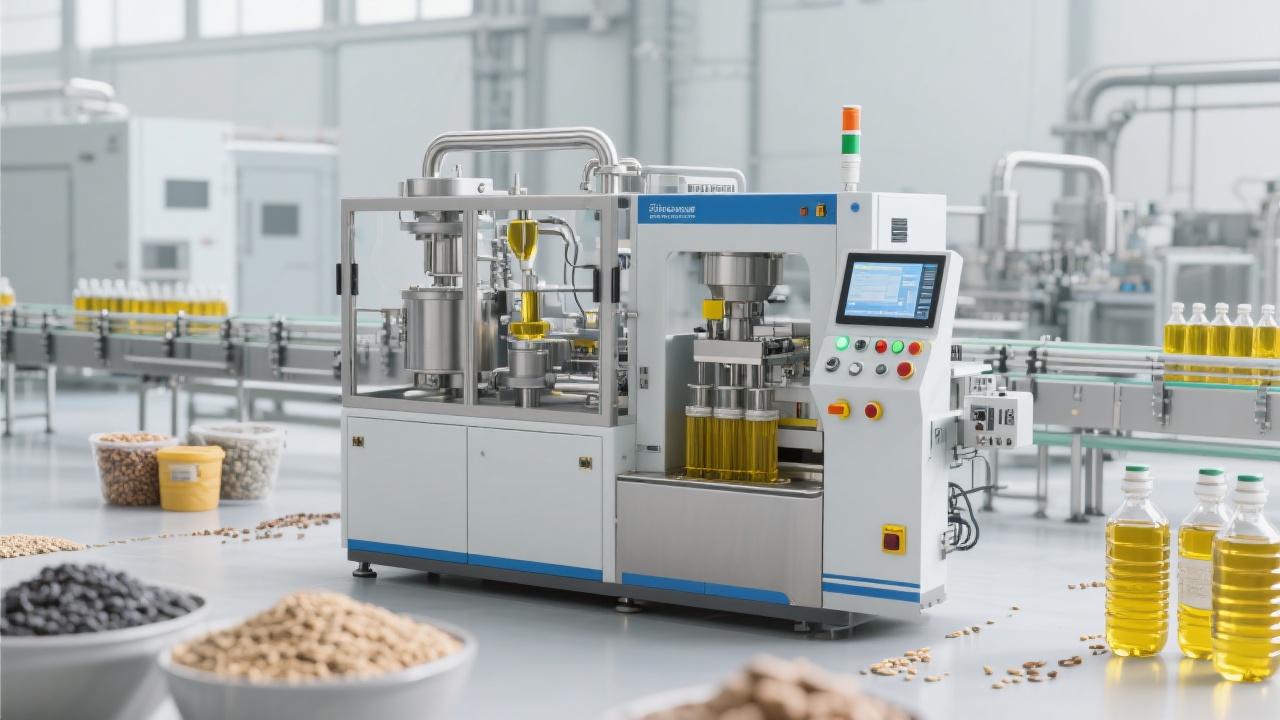
In today's competitive edible oil processing industry, manufacturers face the constant challenge of balancing efficiency, quality, and sustainability. Traditional soybean oil extraction methods often struggle to maintain consistent quality while maximizing yield, leading to significant operational costs and environmental impact. However, the introduction of intelligent soybean oil extraction machines has transformed this landscape, offering unprecedented control over the extraction process through advanced automation and data-driven optimization.
"The global edible oil market is projected to reach $243.7 billion by 2025, with soybean oil accounting for over 30% of total consumption. In this high-stakes industry, even a 1% increase in extraction efficiency can translate to millions in annual savings for processors." — Food Industry Analytics Report, 2023
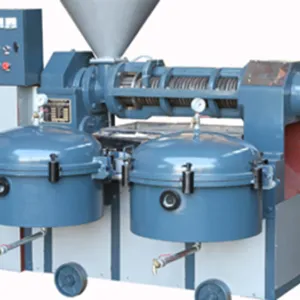
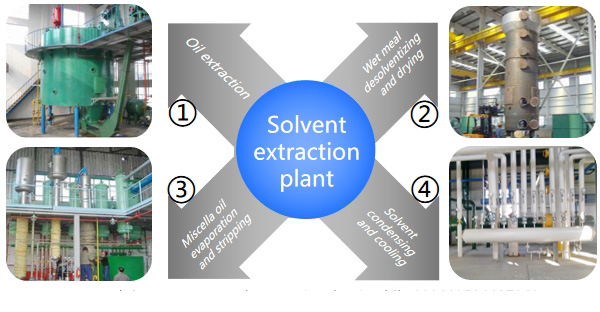
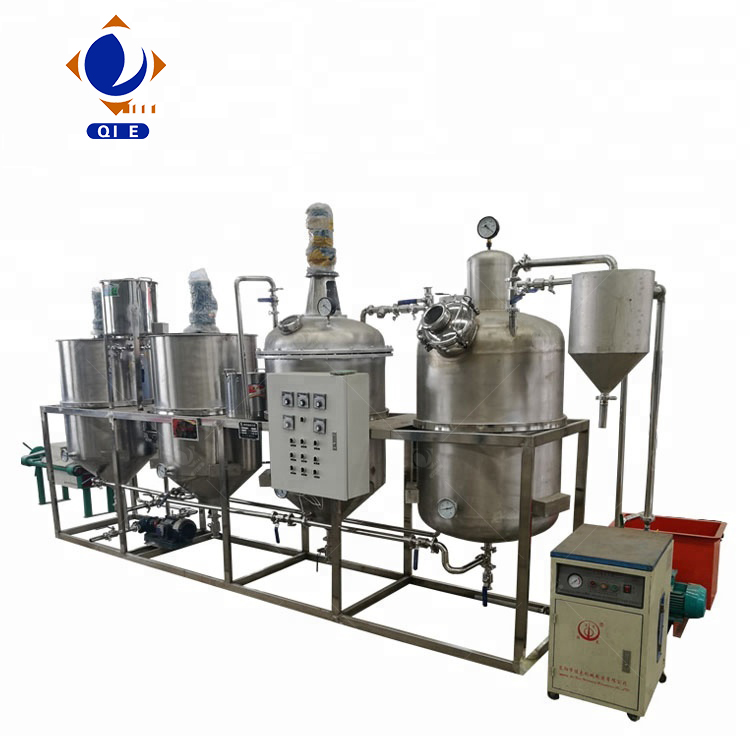
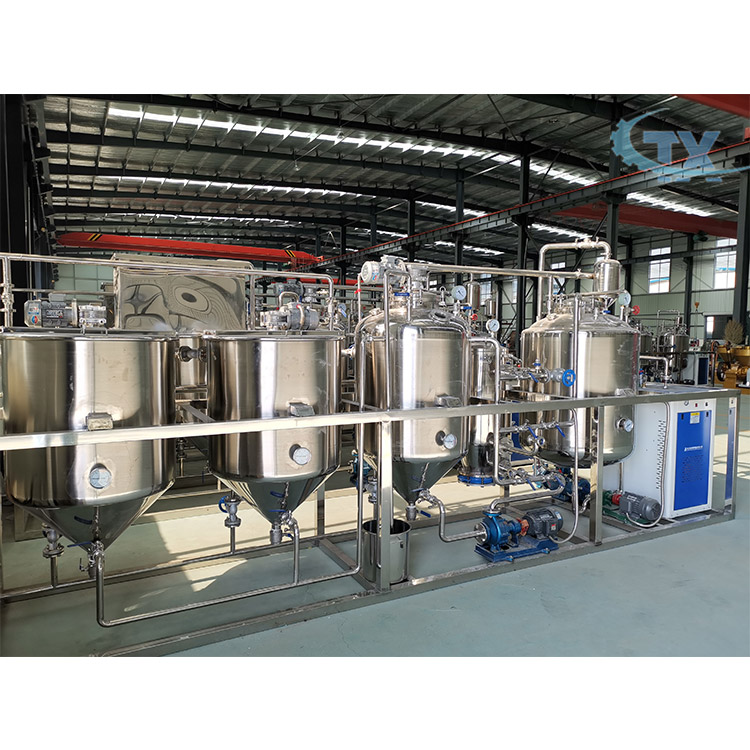
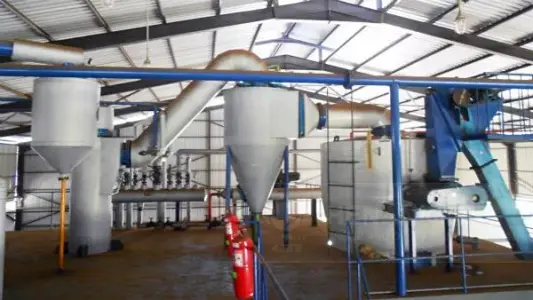
Modern intelligent soybean oil extraction machines integrate multiple cutting-edge technologies to deliver superior performance. At the heart of these systems lies sophisticated automation control that orchestrates every stage of the extraction process—from pre-treatment to oil separation and refining.
The automation control system continuously regulates critical parameters such as temperature, pressure, and solvent flow rates, ensuring optimal conditions throughout the extraction cycle. This level of precision not only enhances oil yield—typically by 3-5% compared to conventional systems—but also significantly improves the quality profile of the extracted oil by minimizing oxidation and preserving natural nutrients.
Central to the intelligence of these systems is the integration of advanced sensor technology and real-time parameter monitoring. Multiple sensors strategically placed throughout the extraction line provide continuous data on variables including moisture content, oil concentration, and impurity levels.
| Monitoring Parameter | Measurement Frequency | Control Precision |
|---|---|---|
| Extraction Temperature | Every 2 seconds | ±0.5°C |
| Solvent Concentration | Every 5 seconds | ±0.2% |
| Oil Yield | Continuous | ±0.1% |
This constant stream of data is processed through advanced algorithms that can identify trends and make immediate adjustments to maintain optimal extraction conditions. For instance, if the system detects an increase in moisture content in the soybean input, it can automatically adjust drying times and temperatures to prevent processing inefficiencies.
Beyond real-time adjustments, intelligent soybean oil extraction machines leverage data-driven optimization to continuously improve performance over time. By analyzing historical process data, the system can identify patterns and recommend parameter adjustments that further enhance efficiency and oil quality.
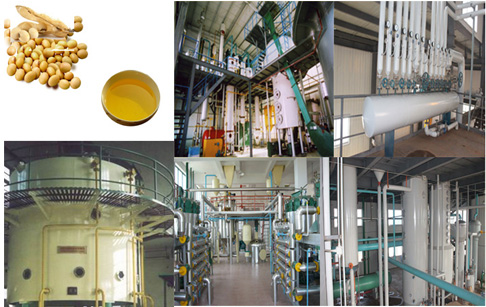
For example, a large-scale processor in Brazil implemented Penguin Group's intelligent extraction system and reported a 12% reduction in energy consumption and a 4.3% increase in oil yield within the first six months of operation. These improvements were directly attributed to the system's ability to analyze production data and implement optimized processing parameters.
In an era where environmental sustainability is increasingly critical, intelligent extraction systems prioritize energy efficiency and resource conservation. Modern designs incorporate heat recovery systems that capture and reuse thermal energy, reducing overall energy consumption by 15-20% compared to traditional equipment.
Additionally, the modular design of these systems facilitates easier maintenance and component replacement, extending equipment lifespan and reducing waste. The intuitive interface allows operators to perform routine maintenance tasks with minimal training, further reducing operational downtime.
Choosing the appropriate intelligent soybean oil extraction system depends on several factors, including production volume, available space, and specific quality requirements. Penguin Group offers a range of solutions tailored to different operational scales—from compact systems designed for small to medium processors producing 50-500 tons per day, up to industrial-scale installations capable of processing over 2,000 tons daily.
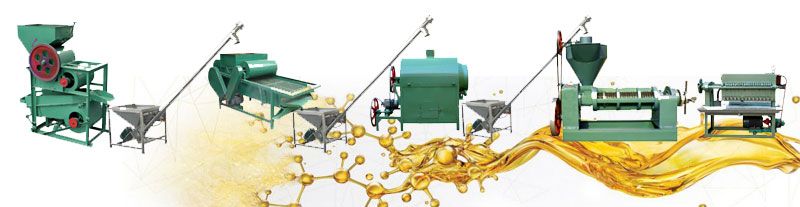
When evaluating systems, processors should consider not only initial investment costs but also long-term operational expenses. While intelligent systems may require a higher upfront investment, the return on investment typically occurs within 18-36 months through improved yield, reduced energy consumption, and lower maintenance costs.
Discover how Penguin Group's intelligent soybean oil extraction solutions can increase your yield, improve oil quality, and reduce operational costs.
Download Our Technical Specification GuideAs the edible oil industry continues to evolve, the adoption of intelligent extraction technology is becoming increasingly essential for processors seeking to remain competitive. By combining automation, real-time monitoring, and data-driven optimization, these systems represent not just an incremental improvement, but a fundamental shift in how soybean oil is produced—one that delivers tangible benefits for both producers and consumers alike.

 480
|
480
|
 soybean oil refining
continuous refining system
semi-continuous refining
refining process optimization
edible oil quality
302
|
soybean oil refining process
free fatty acid removal
phospholipid removal
edible oil purification
refining system comparison
soybean oil refining
continuous refining system
semi-continuous refining
refining process optimization
edible oil quality
302
|
soybean oil refining process
free fatty acid removal
phospholipid removal
edible oil purification
refining system comparison
 283
|
soybean solvent extraction
mechanical pressing
soybean oil extraction
oil yield comparison
solvent recovery system
296
|
soybean oil refining process
edible oil quality control
oil refining system comparison
soybean oil processing technology
oil refining efficiency optimization
283
|
soybean solvent extraction
mechanical pressing
soybean oil extraction
oil yield comparison
solvent recovery system
296
|
soybean oil refining process
edible oil quality control
oil refining system comparison
soybean oil processing technology
oil refining efficiency optimization
 227
|
Soybean oil refining
Free fatty acid reduction
Oil quality improvement
Refining process optimization
Automated control technology
227
|
Soybean oil refining
Free fatty acid reduction
Oil quality improvement
Refining process optimization
Automated control technology

.jpg)