In today's competitive soybean oil industry, selecting the most efficient oil extraction process is critical for maximizing yield and economic performance. The two predominant extraction methods—solvent extraction and mechanical pressing—each offer distinct benefits and challenges. This article provides an in-depth comparison of these technologies, highlighting key metrics including oil yield, energy consumption, residual oil content in soybean meal, and their suitability for different production scales. By evaluating the superior solvent extraction process employed by leading global soybean oil producers, decision-makers can strategically optimize their factory operations and investment returns.
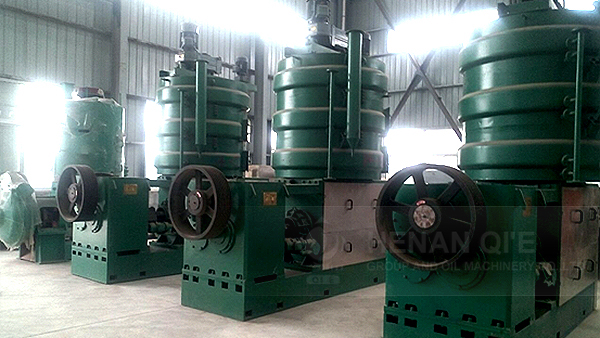
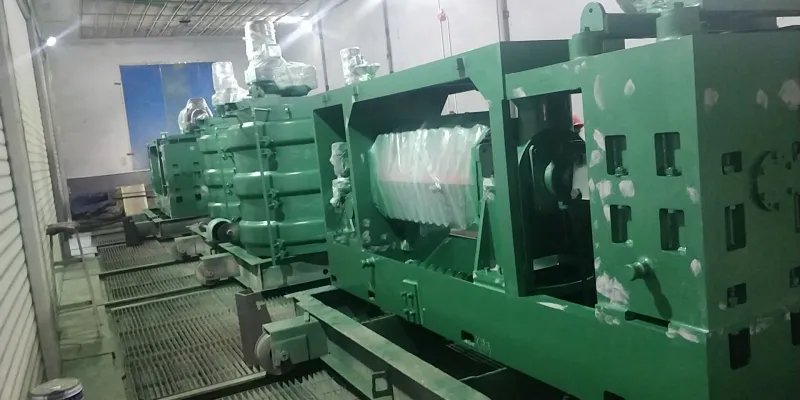
The global soybean oil market, driven by increasing demand for edible oils and protein-rich meals, has seen widespread adoption of two extraction methods: solvent extraction and mechanical pressing. Mechanical pressing, a traditional approach, physically compresses soybeans to extract oil. Conversely, solvent extraction employs chemical solvents—primarily hexane—to dissolve oil from soybean flakes, enabling more thorough extraction.
Data collected from numerous industrial soybean oil plants indicate solvent extraction consistently achieves higher oil recovery rates, often exceeding 98%, compared to 75-85% from mechanical pressing. This notable difference significantly impacts overall profitability, as each percentage point gained translates into thousands of additional liters of oil in large-scale operations.
| Parameter | Solvent Extraction | Mechanical Pressing |
|---|---|---|
| Oil Recovery Rate | ≥98% | 75-85% |
| Energy Consumption | Lower per kg oil | Higher per kg oil |
| Residual Oil in Meal | <1.5% | 5-10% |
| Suitable Plant Scale | Medium to Large | Small to Medium |
Low residual oil content in soybean meal is a vital quality indicator, especially for feed producers. Solvent extraction routinely reduces residual oil to less than 1.5%, enhancing the protein transparency and overall quality of the defatted meal. Mechanical pressing leaves significantly higher residual oil levels (typically 5-10%), which may dilute meal quality and reduce market value.
Although solvent extraction uses chemical solvents, modern plants integrate advanced solvent recovery systems that recycle over 99% of hexane. This design reduces emissions and operational costs, contributing to environmental sustainability and regulatory compliance. Conversely, mechanical pressing's higher energy input per kilogram of oil extracted makes it less efficient for large-scale continuous production.
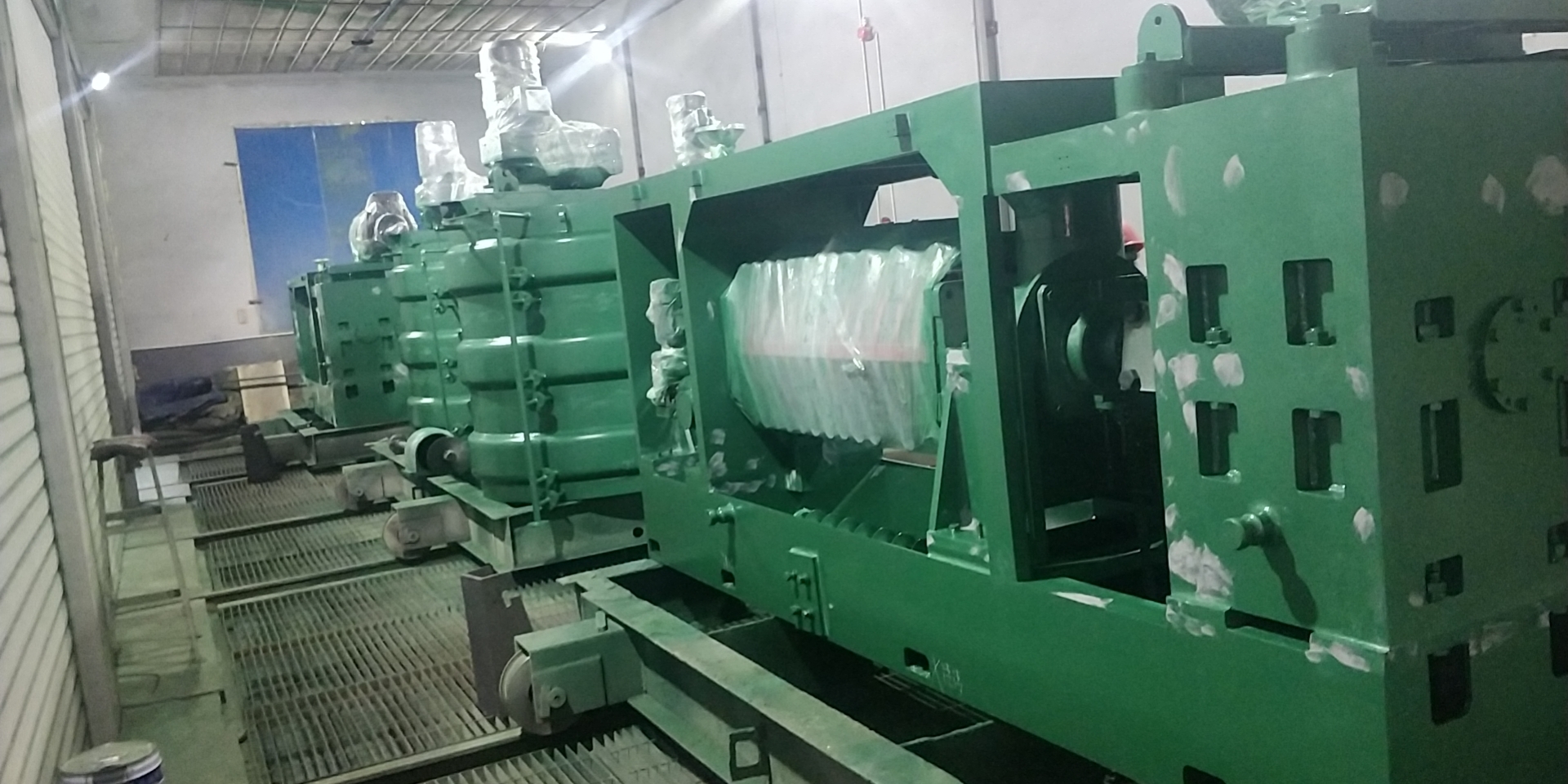
Solvent extraction is the preferred choice for medium to large-scale operations with consistent raw materials, where economies of scale justify initial capital investment in solvent systems and auxiliary equipment. Mechanical pressing suits small to medium operations, or scenarios where solvent usage is restricted due to stringent environmental regulations or market preferences.
For plants dealing with diverse or lower-quality soybeans, integrating both methods—initial pressing followed by solvent extraction—can optimize oil recovery while balancing costs.
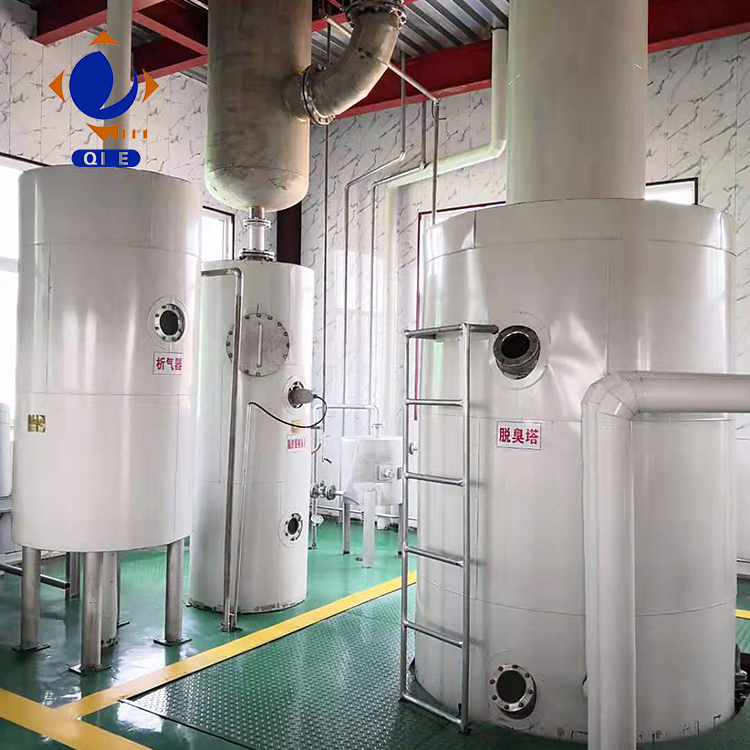
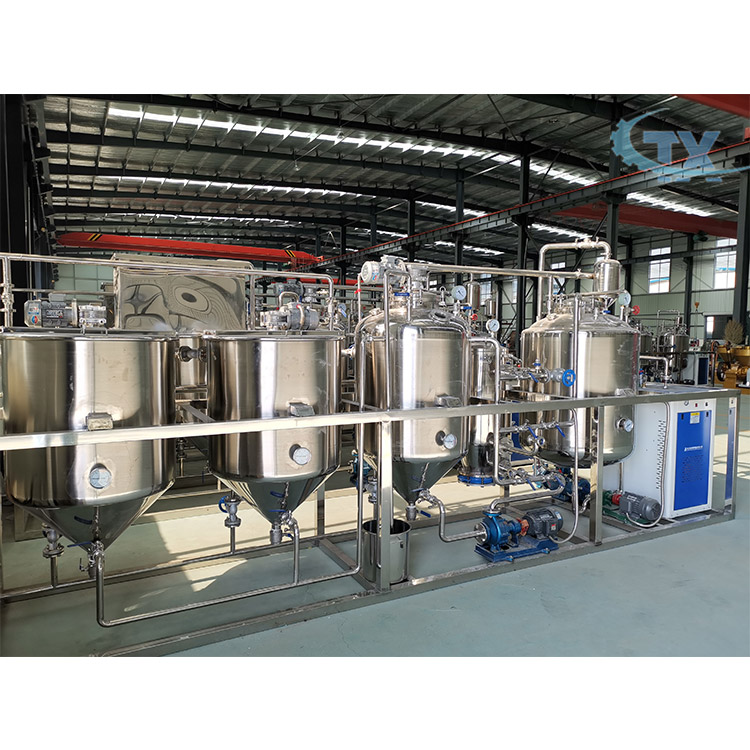
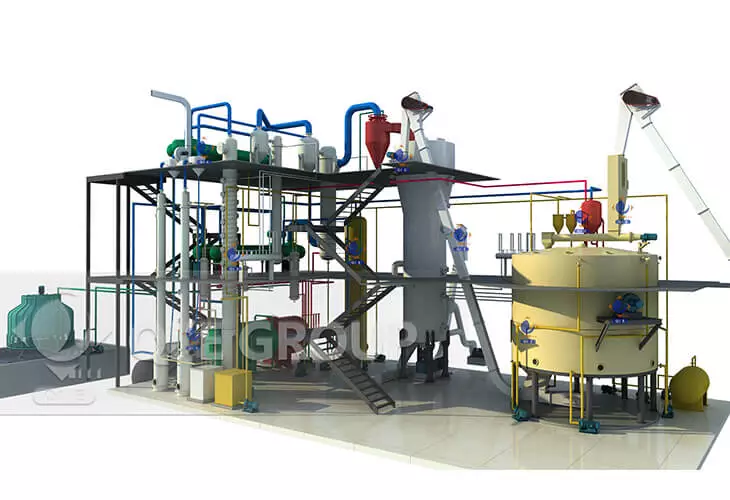
The core of solvent extraction technology includes the extractor vessel, solvent recovery units, distillation columns, and safety controls. Efficient solvent recovery minimizes losses and environmental impact, recovering up to 98% of solvent used, which greatly reduces operating costs and strengthens sustainability compliance.
Penguin Group recently implemented solvent extraction technology in its mid-sized facility, increasing oil yield by 15% over prior mechanical pressing methods. Energy consumption dropped by 10% per ton of crude oil produced, and residual oil in soybean meal was reduced to under 1.2%, enhancing feed meal marketability. The investment payback occurred within 3 years, validating the technology’s economic efficiency.
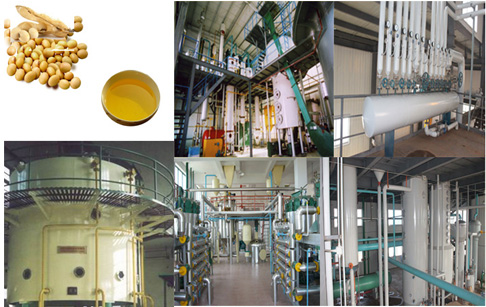
Looking forward, solvent extraction remains the dominant trend for scaling production with improved economic and environmental footprints. Innovations such as enzymatic pretreatment and membrane technologies are under development to further enhance extraction efficiency and reduce solvent dependency. For soybean oil mill operators committed to optimizing process economics and product quality, understanding and adopting solvent extraction technology is increasingly indispensable.

 61
|
61
|
 soybean oil refining machine
refining system selection
continuous oil refining
oil refining equipment maintenance
soybean oil processing guide
162
|
soybean oil refining
temperature control technology
chemical usage in oil refining
refining system comparison
oil quality improvement
soybean oil refining machine
refining system selection
continuous oil refining
oil refining equipment maintenance
soybean oil processing guide
162
|
soybean oil refining
temperature control technology
chemical usage in oil refining
refining system comparison
oil quality improvement
 151
|
soybean oil desolventizing equipment
vacuum desolventizer selection
desolventizing equipment maintenance
soybean processing equipment configuration
solvent residue control
59
|
Soybean oil refining machine
Refining machine selection
Soybean oil processing guide
Refining equipment maintenance
Oil processing equipment
151
|
soybean oil desolventizing equipment
vacuum desolventizer selection
desolventizing equipment maintenance
soybean processing equipment configuration
solvent residue control
59
|
Soybean oil refining machine
Refining machine selection
Soybean oil processing guide
Refining equipment maintenance
Oil processing equipment
 129
|
soybean solvent extraction process
key control points
solvent recovery system
oil extraction efficiency
QIE Group
129
|
soybean solvent extraction process
key control points
solvent recovery system
oil extraction efficiency
QIE Group