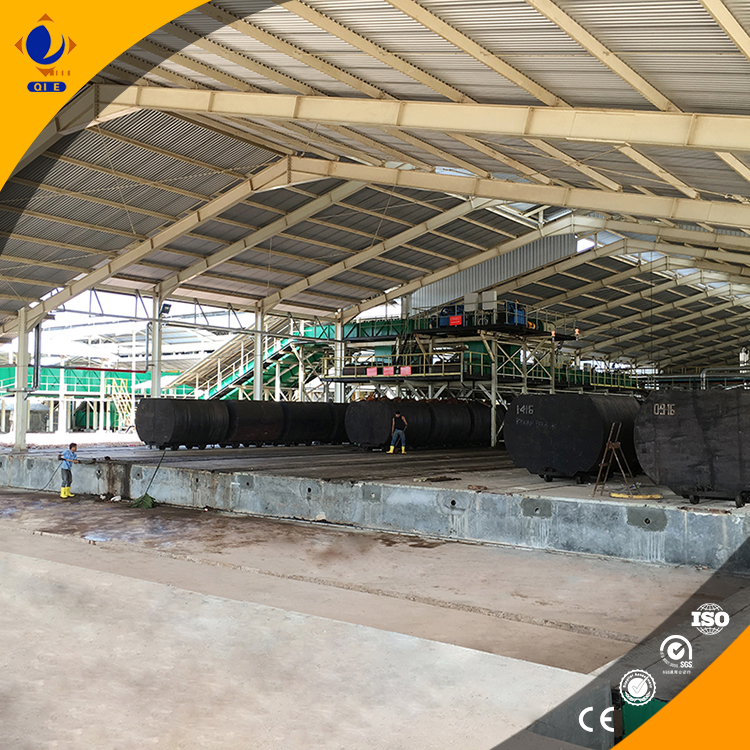
As a production manager in the soybean oil processing industry, you understand that every step in your production line impacts the final quality and profitability of your products. Among these critical stages, the desolventization process stands out as a make-or-break环节 that directly affects both the quality of your soybean meal and the safety of your operation. Choosing the right desolventizing equipment isn't just a purchasing decision—it's a strategic investment in your plant's efficiency, compliance, and bottom line.
Desolventization is the unsung hero of soybean oil processing, responsible for removing residual solvents—typically hexane—from the soybean meal after oil extraction. This process isn't merely about meeting quality standards; it's about protecting your brand reputation and ensuring regulatory compliance. The U.S. Food and Drug Administration (FDA) and European Food Safety Authority (EFSA) strictly regulate solvent residues in food products, with limits as low as 0.01% for hexane in edible products. Beyond compliance, effective desolventization directly impacts:
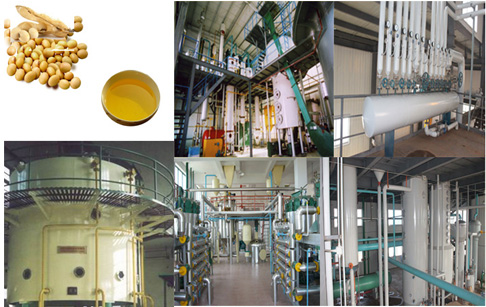
The first principle of effective desolventizing equipment selection is matching your equipment to your production scale. A one-size-fits-all approach simply doesn't work in this industry. Let's examine the distinct requirements of different operational scales:
For facilities processing 50 to 300 metric tons per day (TPD), operational flexibility and capital efficiency are typically prioritized. These operations often benefit from compact, modular desolventizing systems that can be scaled as production grows. Vacuum desolventizers are particularly well-suited for this scale, offering:
Facilities processing 300+ TPD require equipment that balances high throughput with exceptional efficiency and strict solvent control. For these operations, rotary evaporators or combination systems often prove most effective, delivering:
Understanding the fundamental differences between vacuum desolventizers and rotary evaporators is crucial for making an informed decision. Each technology employs distinct principles that offer specific advantages depending on your operational priorities.
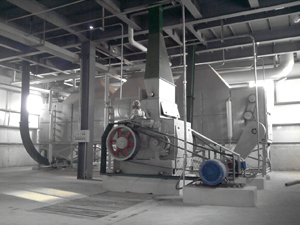
Vacuum desolventizers operate on a straightforward principle: by reducing pressure inside the processing chamber, they lower the boiling point of the solvent, allowing it to vaporize at lower temperatures. This approach offers several key benefits:
"Our vacuum desolventizer system reduced our energy consumption by 18% while improving solvent removal efficiency. The lower operating temperatures have also helped preserve the protein quality of our soybean meal, allowing us to command premium prices in the market." — Production Manager, Midwestern U.S. Soybean Processor
Rotary evaporators utilize a rotating flask or drum that continuously spreads the solvent-laden material into a thin film, maximizing surface area for efficient solvent removal. This technology excels in large-scale operations where consistent performance and high throughput are critical:
Key advantages include exceptional heat transfer efficiency, continuous operation capability, and superior solvent recovery rates (typically 98.5%+ solvent recovery). However, these systems require higher initial investment and more complex maintenance compared to vacuum desolventizers.
Selecting desolventizing equipment based solely on capacity is a common mistake that can lead to operational inefficiencies and unexpected costs. Savvy production managers focus on these critical parameters:
Look for systems that maintain temperature stability within ±1°C. Precise temperature control is essential for balancing solvent removal efficiency with product quality. Excessive heat can denature proteins in the meal, reducing its nutritional value and marketability.
Effective sealing directly impacts both solvent recovery rates and workplace safety. High-quality systems feature double mechanical seals with purge gas capability, reducing solvent leakage to less than 5 ppm—far below OSHA's permissible exposure limit of 500 ppm for hexane.
Modern desolventizing equipment should include multiple safety interlocks, including pressure relief valves, flame arrestors, and solvent vapor monitoring systems. These features aren't just regulatory requirements—they protect your workforce and prevent costly production disruptions.
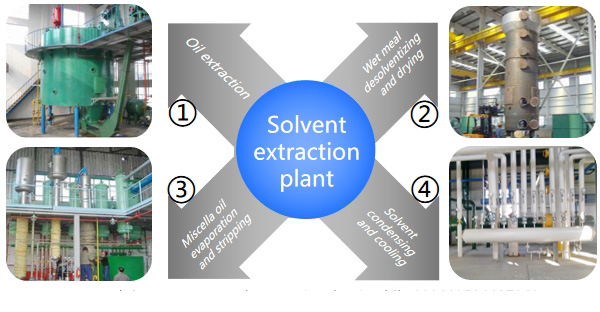
Even the most advanced desolventizing equipment will underperform without a structured maintenance program. Establishing these practices can extend equipment lifespan by 30% or more while maintaining optimal efficiency:
Implement a standardized checklist that includes verifying temperature and pressure readings, checking for solvent leaks, inspecting drive components for unusual vibration, and confirming proper functioning of safety systems. These 15-minute daily checks can prevent major breakdowns and performance degradation.
Develop a comprehensive preventive maintenance plan with these critical intervals:
Even with proper maintenance, issues can arise. Being able to quickly diagnose and resolve common problems saves valuable production time:
Excessive solvent residue (above 0.02%) typically indicates either insufficient temperature, inadequate residence time, or poor distribution of the meal within the desolventizer. Start troubleshooting by verifying temperature sensor accuracy and checking for uneven material flow.
High energy consumption often stems from heat exchanger fouling or inefficient solvent condensation. Regular cleaning of heat transfer surfaces can reduce energy usage by 10-15%.
Download our exclusive "Desolventizing Equipment Assessment Checklist" to evaluate your current system and identify optimization opportunities.
Get Your Free Checklist NowOur checklist includes solvent residue testing protocols, energy efficiency benchmarks, and maintenance scheduling templates specifically designed for soybean oil processors.
The soybean processing industry is evolving rapidly, with increasing focus on sustainability and environmental stewardship. Forward-thinking operations are already implementing these innovative approaches:
Modern desolventizing systems can recover and reuse up to 70% of the heat energy previously lost to the environment. This not only reduces fuel consumption but also lowers greenhouse gas emissions. A typical 500 TPD facility implementing heat recovery can save $150,000-250,000 annually in energy costs.
Volatile Organic Compound (VOC) regulations are becoming increasingly stringent worldwide. Advanced solvent recovery systems can reduce VOC emissions to less than 50 ppm, ensuring compliance with even the strictest environmental standards while recovering valuable solvents for reuse.
As you evaluate your desolventizing equipment needs, remember that this decision impacts nearly every aspect of your operation—from product quality and regulatory compliance to energy costs and environmental performance. By carefully considering your specific production requirements, implementing proactive maintenance practices, and planning for future sustainability needs, you'll position your facility for long-term success in an increasingly competitive marketplace.

 136
|
136
|
 soybean oil extraction machines
small-scale oil production equipment
industrial oil press solutions
soybean oil extraction machines
small-scale oil production equipment
industrial oil press solutions
 261
|
Soybean Oil Expeller Machine
Efficient Soybean Oil Press Machine
Soybean Oil Extraction Equipment
High Yield Soybean Oil Press
Industrial Soybean Oil Expeller
Cold Pressed Soybean Oil Machine
Hot Pressing Soybean Oil Expeller
Hydraulic Soybean Oil Extractor
Soybean Cake Production Machine
Versatile Soybean Oil Extraction
261
|
Soybean Oil Expeller Machine
Efficient Soybean Oil Press Machine
Soybean Oil Extraction Equipment
High Yield Soybean Oil Press
Industrial Soybean Oil Expeller
Cold Pressed Soybean Oil Machine
Hot Pressing Soybean Oil Expeller
Hydraulic Soybean Oil Extractor
Soybean Cake Production Machine
Versatile Soybean Oil Extraction
 312
|
soybean oil quality control
food safety compliance
export-ready soybean oil
modern oil extraction technology
sustainable vegetable oil production
312
|
soybean oil quality control
food safety compliance
export-ready soybean oil
modern oil extraction technology
sustainable vegetable oil production
 397
|
sustainable development
soybean oil market
eco-friendly
397
|
sustainable development
soybean oil market
eco-friendly
 425
|
Soybean Oil Press
African Market
Small and Medium Enterprises
425
|
Soybean Oil Press
African Market
Small and Medium Enterprises