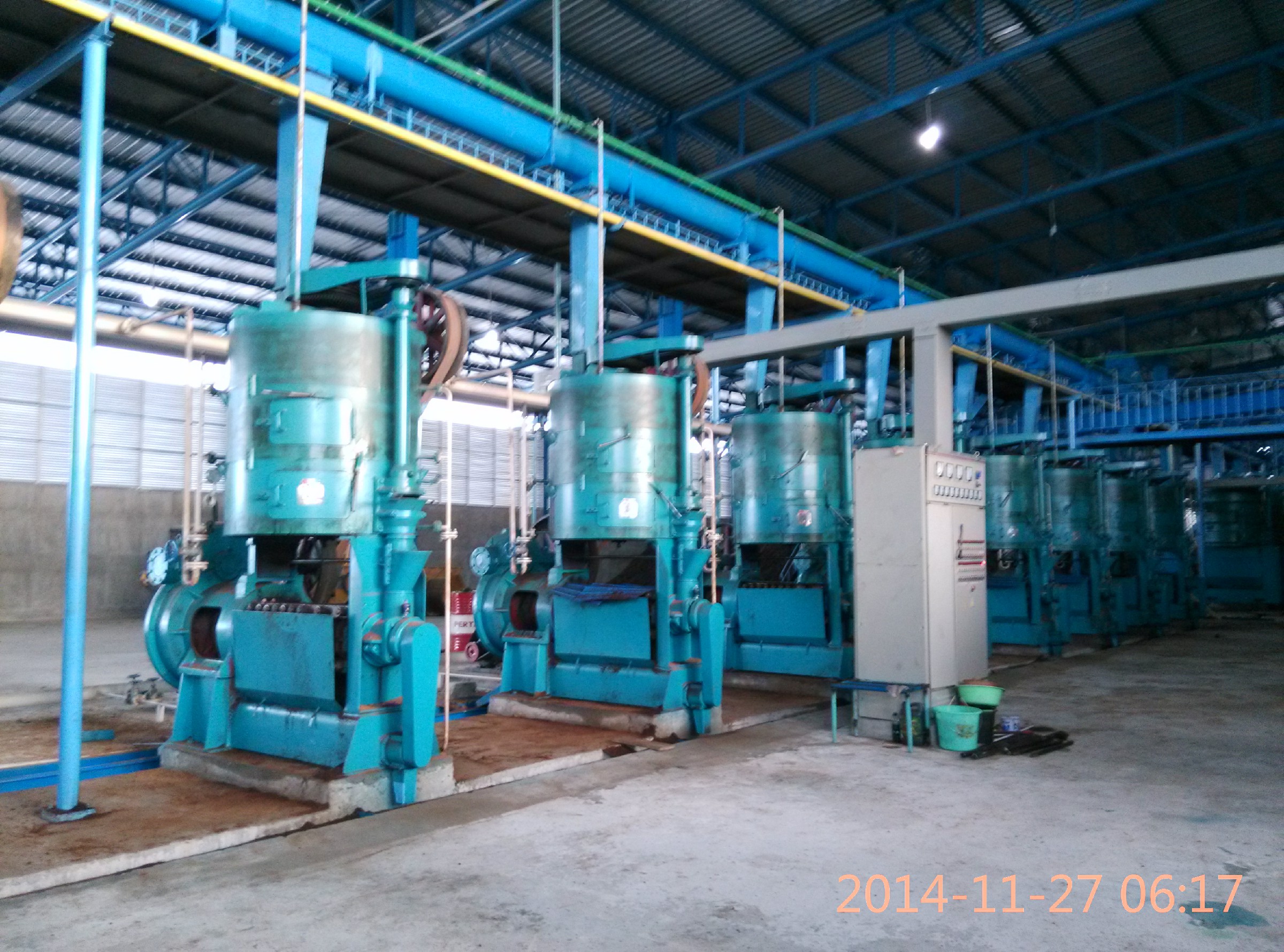
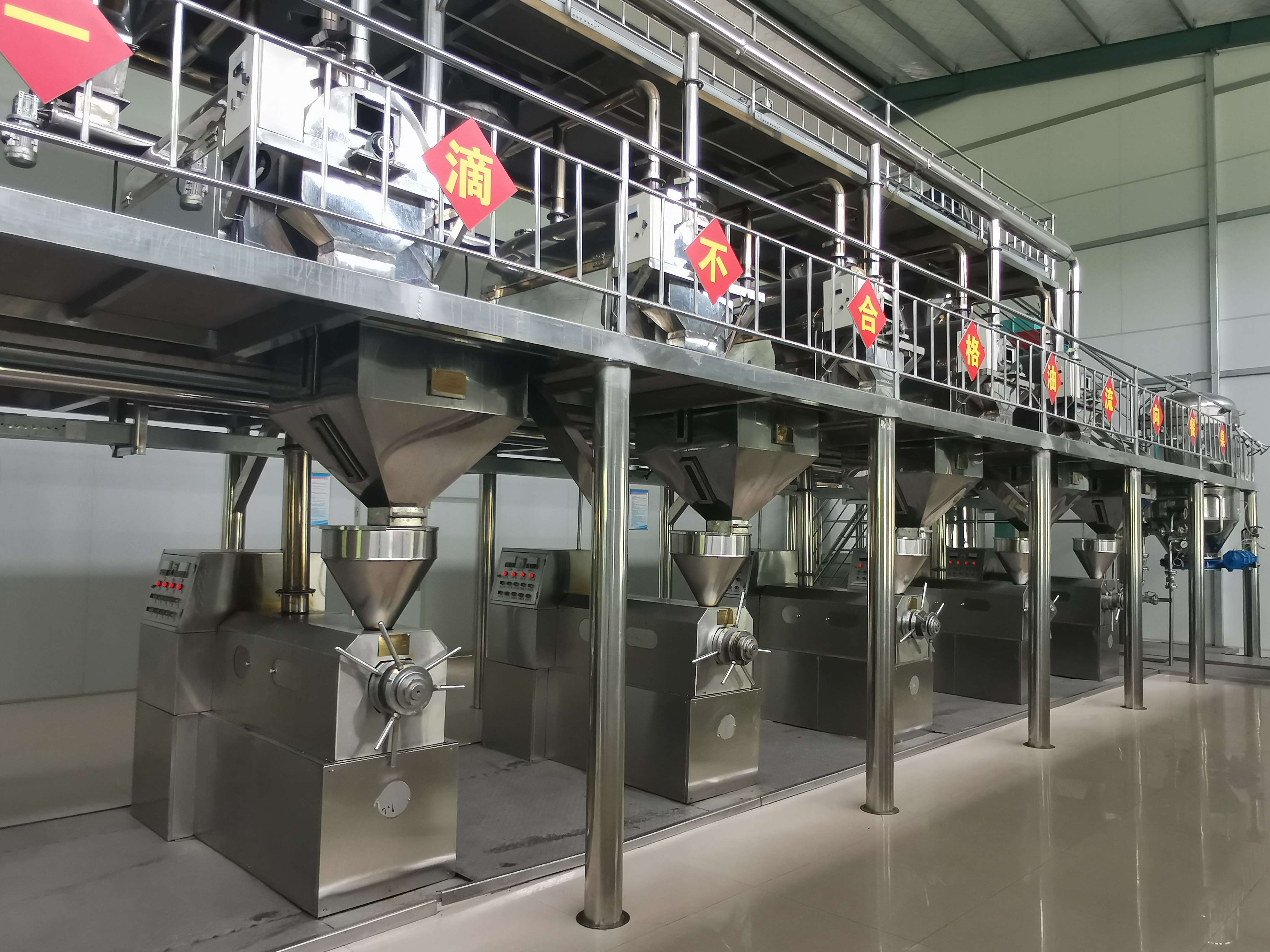
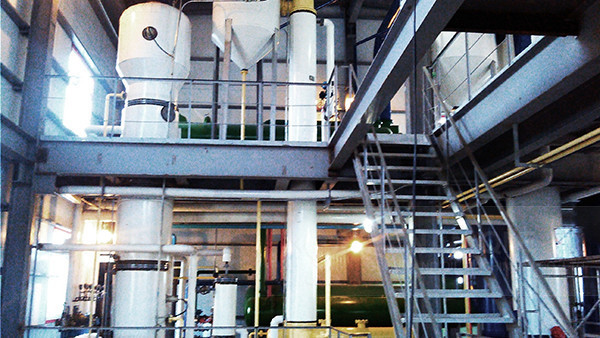
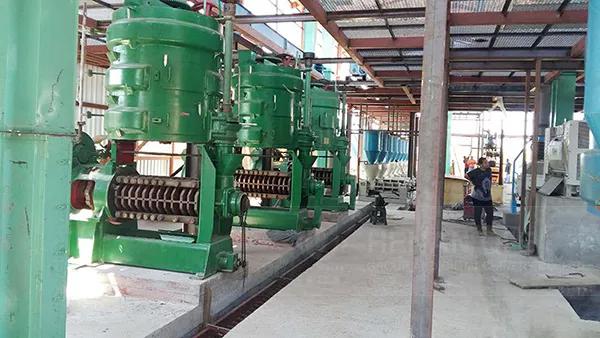
In the competitive landscape of soybean oil processing, improving extraction efficiency while ensuring product purity remains a top priority. The integration of advanced desolventizing equipment plays a pivotal role in striking the optimal balance between oil recovery rates and soybean meal quality. By fine-tuning critical parameters such as temperature, residence time, and material conditioning, soybean oil plants can achieve extraordinary gains in yield and product standards.
Desolventizing serves as the cornerstone in solvent extraction lines, responsible for removing residual hexane from oil-bearing meals post solvent extraction. Efficient desolventizing not only reduces solvent residue in soybean meal—improving its nutritional value and safety—but also minimizes residual oil trapped within the meal, thus boosting overall oil recovery.
Unlike mechanical pressing, which physically expels oil but often leaves higher residual oil rates (commonly 6–8%), solvent extraction coupled with desolventizing can reduce residual oil content below 1.5%. This synergy leverages the thoroughness of chemical solvent extraction and the precision of thermal desolventizing, delivering cleaner products and maximizing profitability.
Optimizing the desolventizing step demands careful adjustment of multiple variables:
Real-world data from mid-sized factories indicate that by implementing these controls, residual oil rates in meal have been consistently reduced from around 4% down to an impressive average of 1.5%, increasing extracted oil volumes by up to 3% per batch.
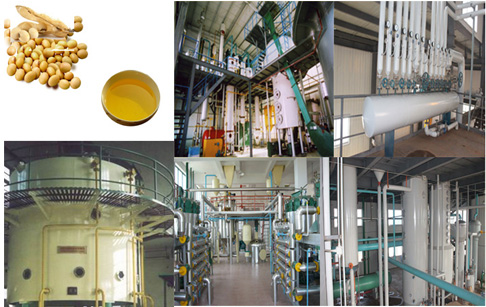
Mechanical pressing and solvent extraction are often viewed as mutually exclusive, but their combined use can unlock enhanced oil recovery:
The desolventizing unit directly impacts the solvent-extracted meal quality by ensuring residual hexane falls below safety thresholds (<50 ppm), while its thermal treatment further reduces residual oil content. Such process interplay significantly lifts both the economic value of the meal and the yield of refined soybean oil.
For sustained performance, the following operational practices are critical:
Training frontline operators on these best practices fosters quicker issue identification and remediation, optimizing desolventizing cycles and overall plant throughput.
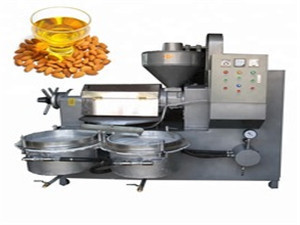
Implementing real-time process monitoring of desolventizing parameters enables data-backed adjustments. Key performance indicators include:
Plants utilizing automated control systems observed a 20% reduction in solvent emissions and a 15% improvement in product consistency across production batches.
 300
|
300
|
 Soybean Oil Process Machine
Soybean Oil Press Machine
Soybean Oil Extraction Equipment
Soybean Oil Refining Machines
Soybean Oil Production Technology
Soybean Oil Processing Equipment
Soybean Oil Machine Solutions
Industrial Soybean Oil Press
Soybean Oil Processing Systems
Advanced Soybean Oil Technology
Soybean Oil Process Machine
Soybean Oil Press Machine
Soybean Oil Extraction Equipment
Soybean Oil Refining Machines
Soybean Oil Production Technology
Soybean Oil Processing Equipment
Soybean Oil Machine Solutions
Industrial Soybean Oil Press
Soybean Oil Processing Systems
Advanced Soybean Oil Technology
 305
|
soybean oil factory
multistep production
step optimization
economic benefits
soybean oil production process
305
|
soybean oil factory
multistep production
step optimization
economic benefits
soybean oil production process
 212
|
Soybean Oil Mill
Soybean Oil Press Machine
High Oil Yield Soybean Oil Mill
Cost-Effective Soybean Oil Mill
Versatile Soybean Oil Mill
Automated Soybean Oil Mill
Soybean Oil Mill for Small Businesses
Eco-Friendly Soybean Oil Mill
Soybean Oil Mill Applications
Industrial Soybean Oil Mill
212
|
Soybean Oil Mill
Soybean Oil Press Machine
High Oil Yield Soybean Oil Mill
Cost-Effective Soybean Oil Mill
Versatile Soybean Oil Mill
Automated Soybean Oil Mill
Soybean Oil Mill for Small Businesses
Eco-Friendly Soybean Oil Mill
Soybean Oil Mill Applications
Industrial Soybean Oil Mill
 149
|
Soybean Oil Process Machine
Soybean Oil Press Machine
Oil Extraction from Soybeans
Soybean Oil Refining Equipment
Mechanical Soybean Oil Press
Solvent Extraction for Soybean Oil
Cost-Effective Soybean Oil Production
High Efficiency Soybean Oil Process
Versatile Oil Processing Machines
Soybean Oil Production Technology
149
|
Soybean Oil Process Machine
Soybean Oil Press Machine
Oil Extraction from Soybeans
Soybean Oil Refining Equipment
Mechanical Soybean Oil Press
Solvent Extraction for Soybean Oil
Cost-Effective Soybean Oil Production
High Efficiency Soybean Oil Process
Versatile Oil Processing Machines
Soybean Oil Production Technology
 124
|
soybean oil press machine
advantages over competitors
oil extraction technology
124
|
soybean oil press machine
advantages over competitors
oil extraction technology