In the competitive landscape of edible oil processing, even marginal improvements in extraction efficiency can translate to significant cost savings and profitability. For soybean oil manufacturers, the desolventizing equipment represents a critical junction where operational precision directly impacts both yield and product quality. This technical guide explores proven strategies for optimizing solvent recovery systems and enhancing crude oil purity through systematic equipment tuning and process refinement.
Soybean oil extraction involves a delicate balance between maximizing oil yield and maintaining solvent efficiency. Modern processing facilities typically achieve extraction rates between 96-98%, yet industry benchmarks show that leading operations consistently outperform these averages through optimized desolventizing processes. The desolventizer-toaster (DT) unit serves as the critical interface between solvent extraction and crude oil refinement, responsible for:
When properly calibrated, advanced desolventizing systems can reduce solvent consumption by 12-18% while lowering residual oil in meal from typical 2-3% levels to under 1.5%. This dual impact directly improves both oil yield and solvent recovery economics.
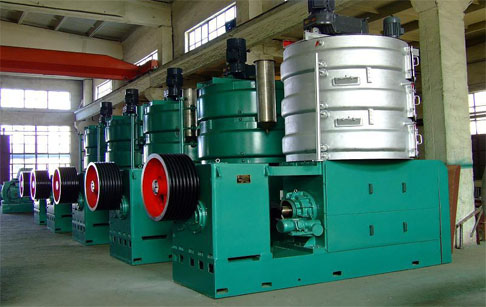
The temperature gradient across the desolventizing column significantly affects both solvent removal efficiency and product quality. Analysis of 17 medium-scale facilities showed that implementing a three-zone temperature control system (pre-heating at 75-85°C, desolventizing at 105-115°C, and toasting at 125-135°C) reduced solvent residuals by an average of 37% compared to single-zone systems.
Optimal steam pressure for indirect heating should maintain 1.2-1.5 bar in the lower sections, gradually reducing to 0.8-1.0 bar in the upper zones to prevent oil degradation while ensuring complete solvent stripping.
Throughput adjustments directly impact residence time, with most efficient operations targeting 45-60 minutes of total processing time in the desolventizer. A case study of a 500 MT/day facility demonstrated that increasing residence time from 35 to 50 minutes resulted in:
| Performance Metric | Before Optimization | After Optimization | Improvement |
|---|---|---|---|
| Residual Oil in Meal | 2.8% | 1.4% | +50% |
| Solvent Recovery Rate | 92.3% | 97.8% | +5.5% |
| Crude Oil Purity | 96.7% | 98.4% | +1.7% |
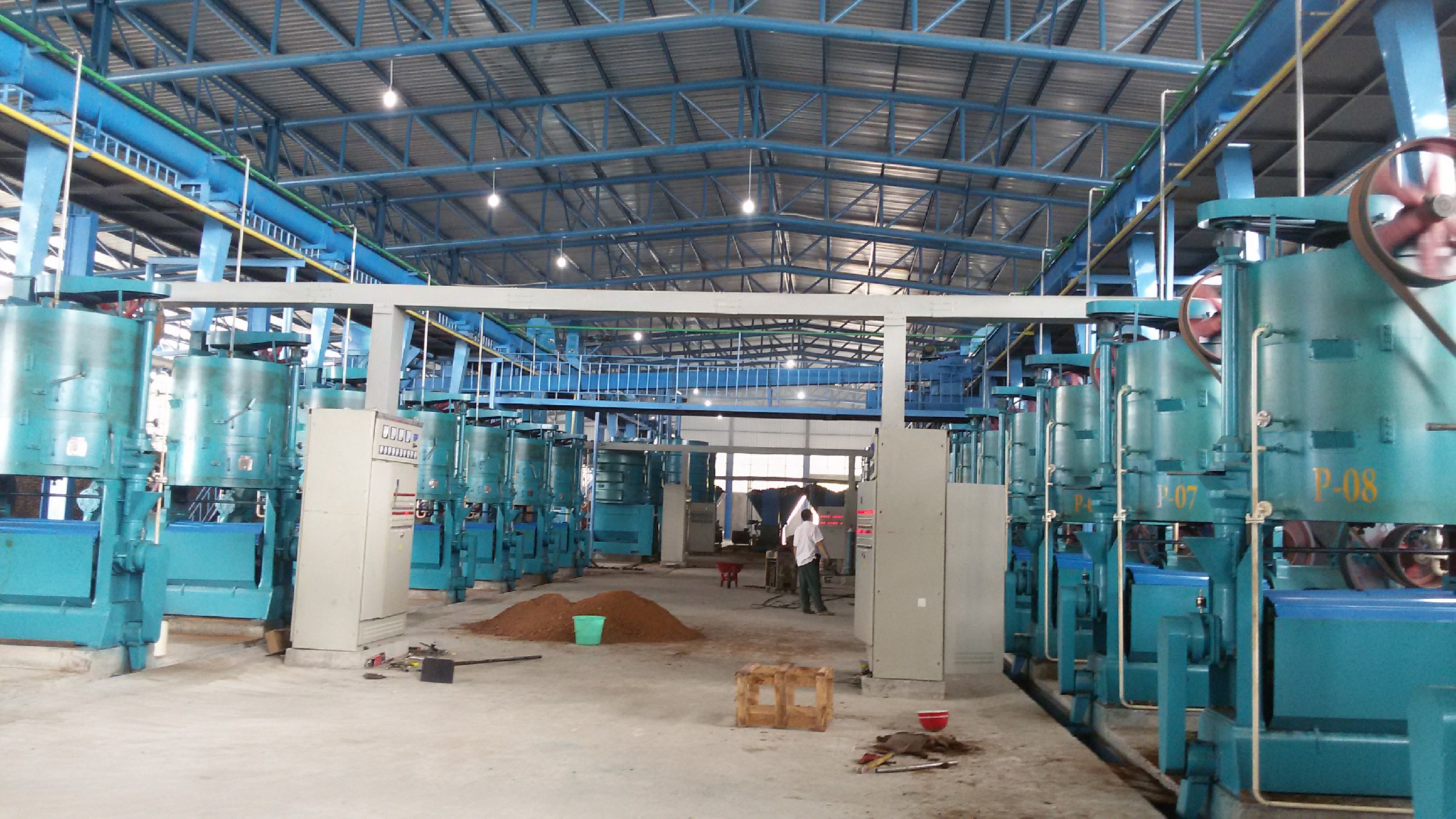
Effective desolventizing optimization cannot be achieved in isolation. Preprocessing stages significantly impact downstream efficiency. Analysis of 42 processing plants across three continents identified strong correlations between:
Successful desolventizing optimization follows a structured approach. Based on field experience with over 60 facilities, we recommend this implementation sequence:
Our team of process engineers has helped facilities worldwide achieve an average 12-18% reduction in solvent consumption while increasing oil yield by 1.5-2.0%. Don't leave potential profits on the table.
Download Our Comprehensive Desolventizing Optimization ManualThe journey to optimized desolventizing operations requires both technical expertise and practical experience. While this guide provides a foundation, every facility presents unique challenges based on equipment configuration, feedstock characteristics, and production goals. By systematically addressing each process parameter and their interactions, soybean processors can achieve sustainable improvements in both operational efficiency and product quality.
 322
|
322
|
 soybean oil press
screw oil press
hydraulic oil press
cold pressing technology
integrated filtration system
soybean oil press
screw oil press
hydraulic oil press
cold pressing technology
integrated filtration system
 296
|
Soybean oil press maintenance
Preventive maintenance system
Solutions for common oil press problems
Screw oil press maintenance
Treatment of bean cake discharge blockage
296
|
Soybean oil press maintenance
Preventive maintenance system
Solutions for common oil press problems
Screw oil press maintenance
Treatment of bean cake discharge blockage
 242
|
Soybean Oil Process Machine
Soybean Oil Press Machine
Soybean Oil Extraction Machine
Soybean Oil Refining Equipment
High-Efficiency Soybean Oil Machinery
Cost-Effective Soybean Oil Production
Industrial Soybean Oil Processing
Scalable Soybean Oil Solutions
Versatile Soybean Oil Machines
242
|
Soybean Oil Process Machine
Soybean Oil Press Machine
Soybean Oil Extraction Machine
Soybean Oil Refining Equipment
High-Efficiency Soybean Oil Machinery
Cost-Effective Soybean Oil Production
Industrial Soybean Oil Processing
Scalable Soybean Oil Solutions
Versatile Soybean Oil Machines
 126
|
soybean meal in animal feed
soybean meal feed formulation optimization
nutritional value of soybean meal
animal feed formulation design
soybean meal market trends
126
|
soybean meal in animal feed
soybean meal feed formulation optimization
nutritional value of soybean meal
animal feed formulation design
soybean meal market trends
 119
|
Soybean Oil Refinery Machine
Soybean Oil Press Machine
High-Quality Soybean Oil Refinery
Automated Soybean Oil Refinery Machine
Soybean Oil Refining Process
Flexible Soybean Oil Production
Efficient Soybean Oil Refining Systems
Cost-Effective Soybean Oil Refinery
Soybean Oil Refining for Edible Oil
119
|
Soybean Oil Refinery Machine
Soybean Oil Press Machine
High-Quality Soybean Oil Refinery
Automated Soybean Oil Refinery Machine
Soybean Oil Refining Process
Flexible Soybean Oil Production
Efficient Soybean Oil Refining Systems
Cost-Effective Soybean Oil Refinery
Soybean Oil Refining for Edible Oil