In the competitive landscape of edible oil production, soybean processors face a critical decision that directly impacts profitability, efficiency, and product quality: selecting the right extraction technology. While mechanical pressing has been a traditional method for decades, solvent extraction has emerged as the industry standard for large-scale operations. This comprehensive analysis explores the technical nuances, performance metrics, and practical applications of both processes to help your facility make an informed decision.
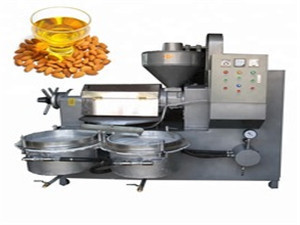
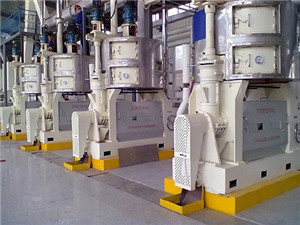
Mechanical pressing relies on physical pressure to extract oil from soybean flakes, typically achieving extraction rates of 85-90%. This method requires minimal initial investment and is often favored by small-scale operations. In contrast, solvent extraction—utilizing food-grade hexane as the primary solvent—can achieve extraction rates exceeding 99%, making it significantly more efficient for high-volume production.
| Performance Indicator | Mechanical Pressing | Solvent Extraction |
|---|---|---|
| Oil Extraction Efficiency | 85-90% | 97-99.5% |
| Residual Oil in Meal | 5-8% | 0.5-1.5% |
| Energy Consumption (per ton) | 120-150 kWh | 80-100 kWh |
| Protein Quality in Meal | Moderate denaturation | Minimal denaturation |
For facilities processing less than 50 tons of soybeans daily, mechanical pressing may appear economically viable due to lower upfront costs. However, the cumulative loss from unextracted oil quickly offsets these initial savings. A typical 100-ton-per-day facility using mechanical pressing loses approximately 6-8 tons of oil annually compared to solvent extraction—representing a potential revenue loss of $300,000-$400,000 based on current market prices.
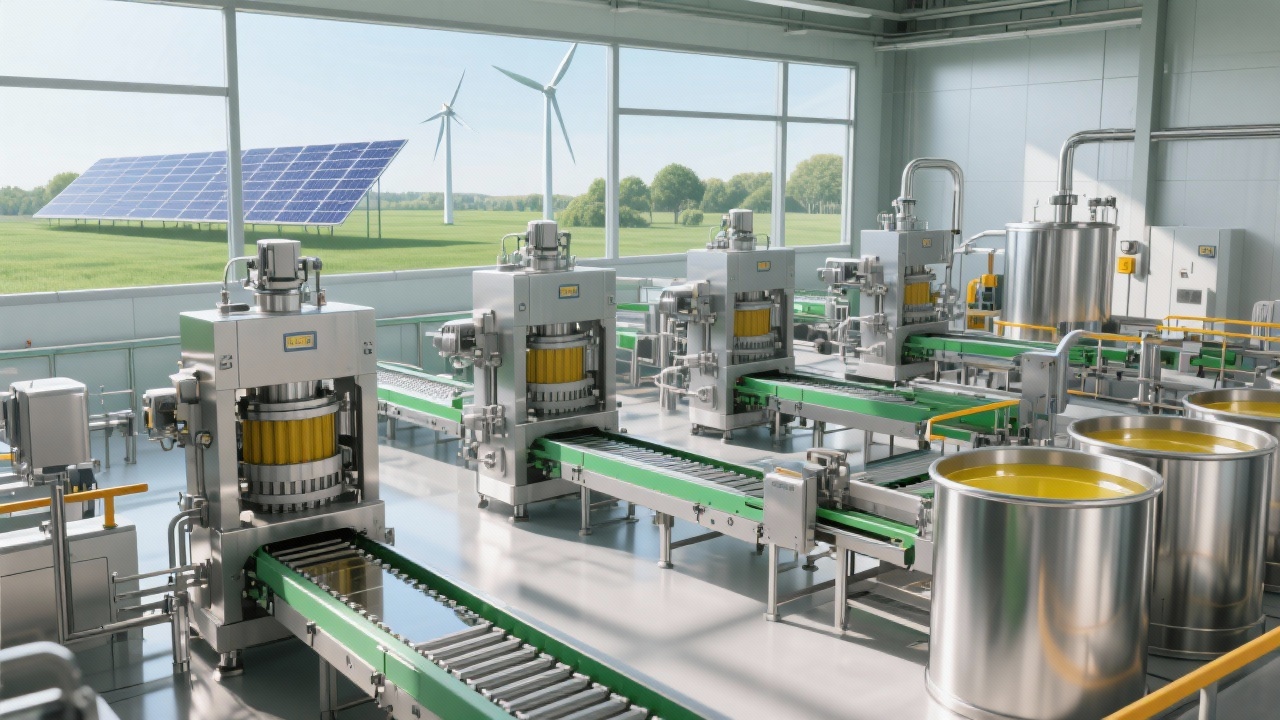
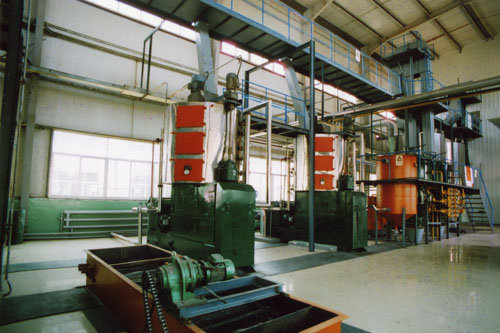
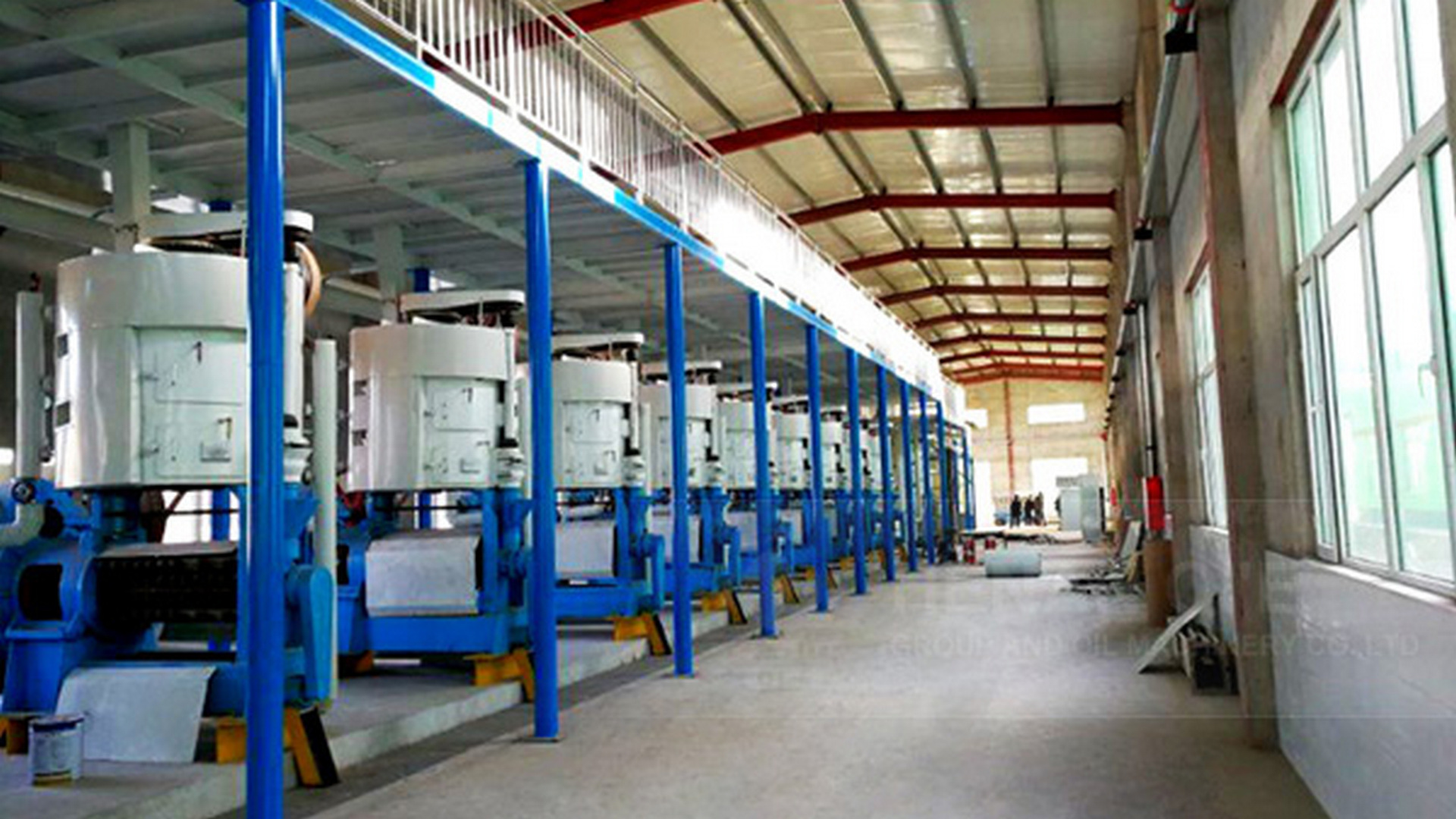
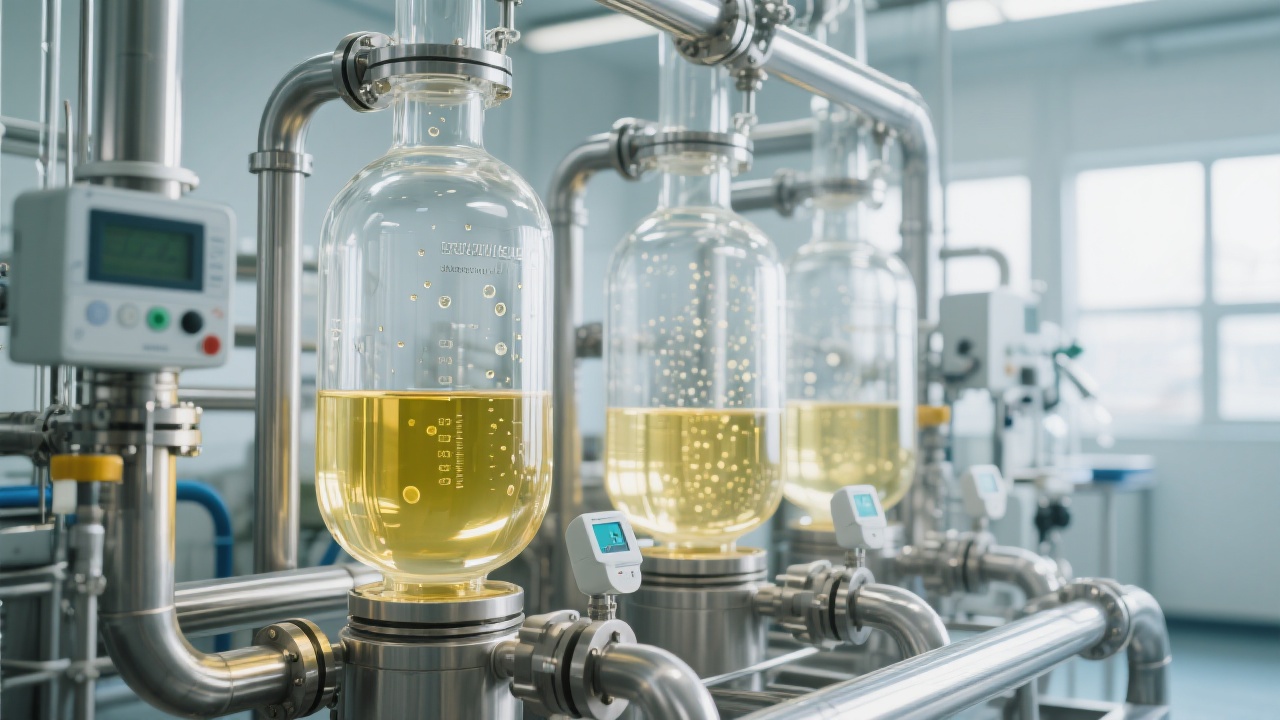
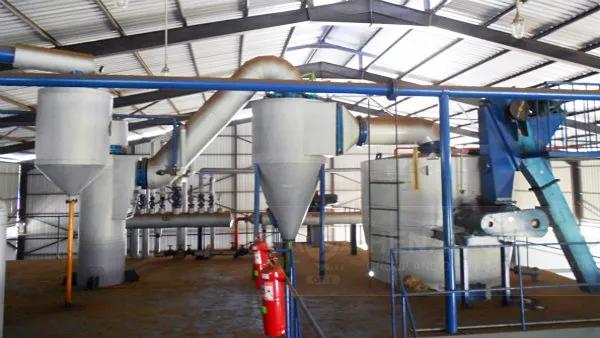
Modern solvent extraction plants, like those designed by 企鹅集团 (Penguin Group), incorporate advanced solvent recovery systems that capture over 99.9% of the hexane used, minimizing both environmental impact and operational costs. This closed-loop approach ensures solvent costs represent less than 1% of total production expenses.
A 200-ton-per-day soybean processing facility in Iowa converted from mechanical pressing to solvent extraction in 2021. The results after 12 months included:
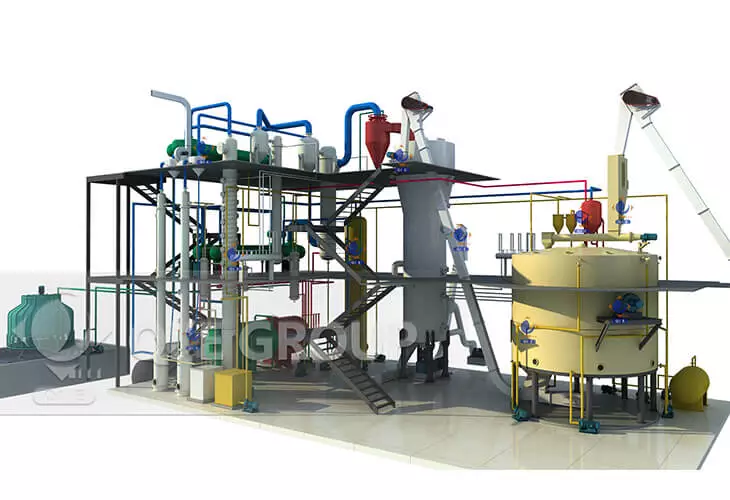
Modern solvent extraction systems address historical environmental concerns through sophisticated recovery technology and strict process controls. The latest designs achieve solvent emissions below 50 ppm, well within the most stringent international standards. Additionally, the higher energy efficiency of solvent extraction reduces the overall carbon footprint compared to mechanical pressing, particularly in large-scale operations.
Regulatory compliance is streamlined with systems that include continuous monitoring, automatic shutdown protocols, and advanced ventilation. These features not only ensure compliance with OSHA, EPA, and international standards but also enhance workplace safety for operations personnel.
The decision between solvent extraction and mechanical pressing should consider multiple factors beyond initial capital expenditure: projected production volume, feedstock quality, end-product specifications, and long-term operational costs. While mechanical pressing may suit small-scale, specialty operations, solvent extraction delivers superior returns for facilities processing 50+ tons daily.
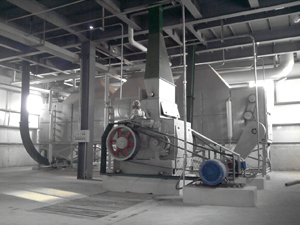
When evaluating solvent extraction systems, look for modular designs that allow for future expansion, energy-efficient heat recovery systems, and comprehensive automation for consistent performance. These features ensure your investment remains viable as market conditions and production demands evolve.
Download our comprehensive technical whitepaper: "Solvent Extraction System Design: A Complete Guide for Modern Soybean Processors"
Get Your Free Whitepaper NowAs the global demand for vegetable oils continues to rise, the efficiency advantages of solvent extraction become increasingly critical for competitive operations. By carefully evaluating your specific needs and leveraging modern extraction technology, you can maximize both yields and profitability while maintaining the highest standards of product quality and environmental responsibility.

 251
|
251
|
 soybean oil refining
free fatty acid reduction
edible oil quality improvement
alkali refining optimization
oil processing technology
soybean oil refining
free fatty acid reduction
edible oil quality improvement
alkali refining optimization
oil processing technology
 366
|
seed preprocessing equipment for oil extraction
comprehensive solutions for edible oil production
customer-centric service in oil processing
366
|
seed preprocessing equipment for oil extraction
comprehensive solutions for edible oil production
customer-centric service in oil processing
 284
|
soybean oil press maintenance
oil press operation tips
screw shaft lubrication
filtration system cleaning
oil press troubleshooting
284
|
soybean oil press maintenance
oil press operation tips
screw shaft lubrication
filtration system cleaning
oil press troubleshooting
 436
|
palm crude oil refining equipment
palm oil processing machinery
palm oil refining technology
energy-efficient refining equipment
PLC controlled refining systems
436
|
palm crude oil refining equipment
palm oil processing machinery
palm oil refining technology
energy-efficient refining equipment
PLC controlled refining systems
 64
|
soybean oil press machine types and advantages
suitable soybean oil press machine for business
soybean oil extraction process
64
|
soybean oil press machine types and advantages
suitable soybean oil press machine for business
soybean oil extraction process