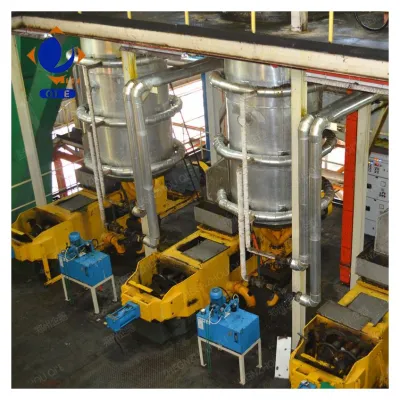
Free fatty acid (FFA) content is a critical quality parameter profoundly influencing the taste, shelf life, and oxidative stability of refined soybean oil. To ensure that every batch meets food-grade standards, refining plants must implement optimized processes that systematically minimize residual FFAs. This article delves into the technical strategies underpinning such improvements, highlighting process adjustments across alkali refining, washing, bleaching, and drying stages. Drawing upon real-world factory performance data, it compares batch, semi-continuous, and continuous refining systems, providing actionable insights for industry professionals aiming to reduce FFA from common levels around 1.5% down to as low as 0.3%, thereby helping reduce losses and maximize profit margins.
FFAs result from triglyceride hydrolysis and represent a significant cause of oil degradation. Elevated FFA levels not only impart off-flavors and unpleasant odors but also accelerate lipid oxidation, curtailing the oil’s shelf life significantly. Products with high FFA content risk regulatory disqualification within food safety frameworks and lose appeal in consumer markets demanding clean and stable oils.
Lowering FFA enhances oil color clarity, reduces chlorophyll and pigment degradation during bleaching, and improves overall oxidative stability. For processors, limiting residual FFA to below 0.5% is a widely accepted benchmark to secure premium-grade soybean oil.
| System Type | FFA Control Advantage | Typical FFA Range (%) | Best Use Case |
|---|---|---|---|
| Batch Refining | Highly adaptable alkali control and washing cycles | 0.4 - 0.7 | Small to medium capacity plants requiring flexibility |
| Semi-Continuous | Balanced automation with consistent alkali dosing | 0.3 - 0.5 | Mid-scale operations focused on efficiency |
| Continuous Refining | Precision alkali control and process stability | 0.2 - 0.4 | High-capacity plants emphasizing product consistency |
One notable soybean oil mill demonstrated a reduction in FFA from 1.5% to 0.3% by meticulously tuning critical variables:
Combining these criteria with robust washing techniques to remove soapstock residuals further drove down FFA levels, substantially improving clarity and taste while reducing waste.
Incorporating automation platforms integrated with online FFA sensors allows precise adjustments to alkali dosing and temperature parameters in real time. This precision control system optimizes the refining window, minimizing over-processing risks and energy consumption.
The adoption of inline spectroscopic devices for continuous FFA tracking eliminates batch variability and provides early detection of process deviations, empowering operators to intervene proactively.
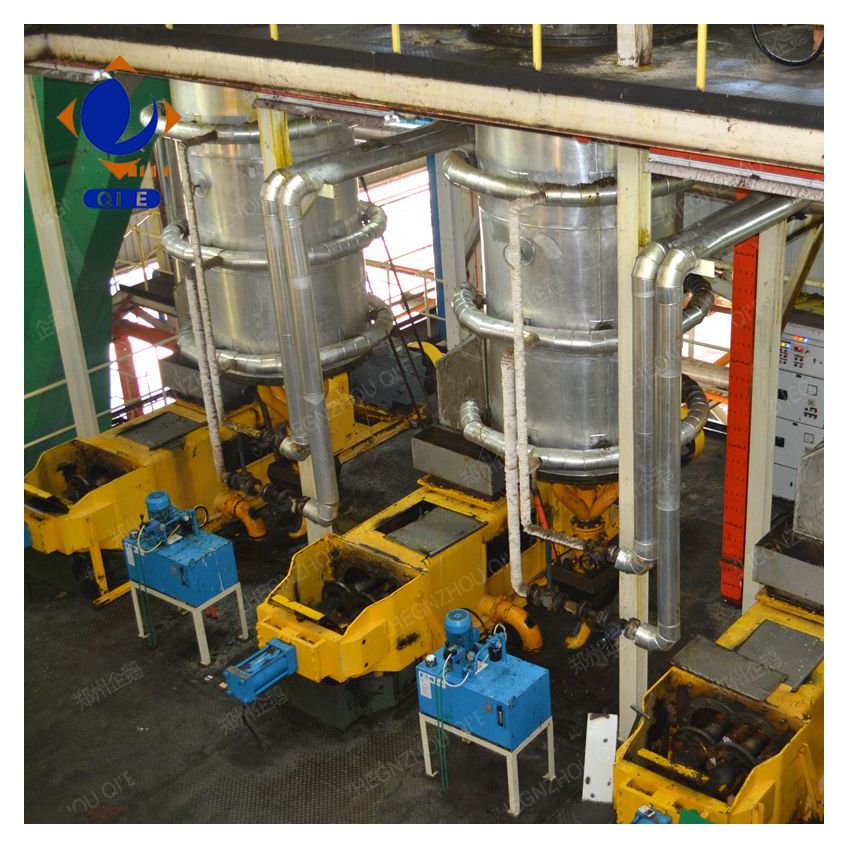
| Problem | Root Cause | Recommended Countermeasure |
|---|---|---|
| High residual FFA post refining | Insufficient alkali concentration or short reaction time | Increase NaOH concentration moderately and extend alkali contact time by 15-20% |
| Soapstock presence in final oil | Improper washing or temperature deviations | Optimize washing cycles and maintain stable temperature between 70-75°C |
| Variability between batches | Manual alkali dosing and lack of real-time analysis | Install automated dosing with inline FFA analyzers for continuous feedback |
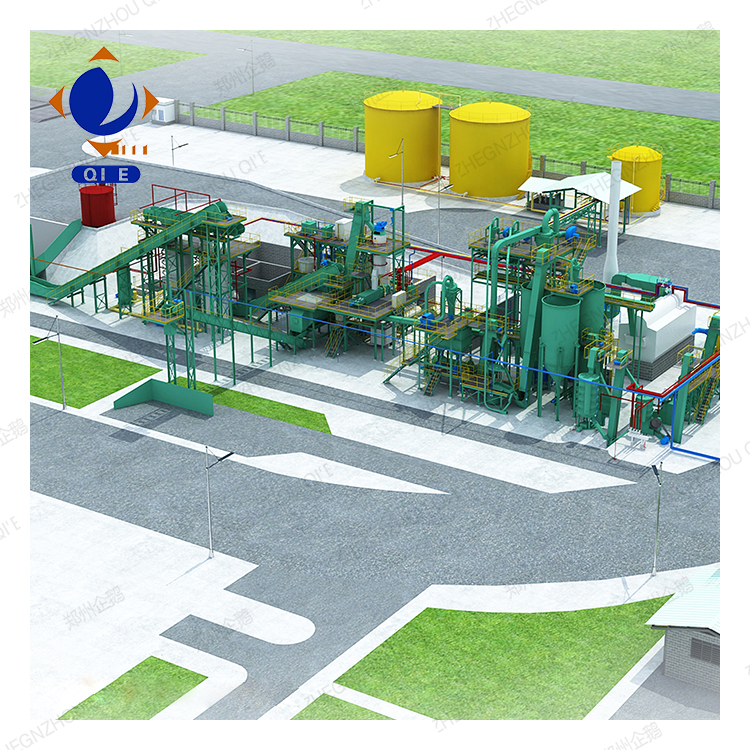
When every drop counts, refining precision makes all the difference. Whether operating a batch or continuous system, our proven process optimizations ensure you keep FFA levels at bay, delivering oil clarity, stability, and compliance every time. Let us help you minimize losses and maximize profit margins by refining with cutting-edge technology and data-driven strategies.
 375
|
375
|
 Soybean Oil Processing Plant
Soybean Oil Press Machine
Soybean Oil Extraction
Refined Soybean Oil Production
Soybean Meal Benefits
Biodiesel from Soybean Oil
Industrial Applications of Soybean Oil
Energy-Efficient Oil Processing
Applications of Soybean Oil in Food Industry
Soybean Oil Processing Plant
Soybean Oil Press Machine
Soybean Oil Extraction
Refined Soybean Oil Production
Soybean Meal Benefits
Biodiesel from Soybean Oil
Industrial Applications of Soybean Oil
Energy-Efficient Oil Processing
Applications of Soybean Oil in Food Industry
 174
|
oilseed pretreatment processing equipment
efficient vegetable oil production solutions
customized oilseed processing machinery
174
|
oilseed pretreatment processing equipment
efficient vegetable oil production solutions
customized oilseed processing machinery
 199
|
soybean oil bleaching process
temperature control in oil refining
oil refining optimization
soybean oil production efficiency
industrial oil processing techniques
199
|
soybean oil bleaching process
temperature control in oil refining
oil refining optimization
soybean oil production efficiency
industrial oil processing techniques
 209
|
seed pretreatment and pressing equipment
efficient vegetable oil production solutions
customized seed processing technology
209
|
seed pretreatment and pressing equipment
efficient vegetable oil production solutions
customized seed processing technology
 214
|
custom oilseed processing solutions
advanced oilseed equipment
high investment returns in oil processing
214
|
custom oilseed processing solutions
advanced oilseed equipment
high investment returns in oil processing





.jpg)