Soybean Oil Mechanical Extraction Technology: Process Optimization and Equipment Tuning to Improve Oil Yield
2026-03-21
QI ' E Group
Technical knowledge
This article provides a technical, practical overview of soybean oil mechanical extraction, explaining the working principles of mechanical pressing, core equipment configuration, and a step-by-step operating workflow from raw material preparation to temperature and pressure control. It highlights the key variables that most strongly affect oil yield and crude oil quality, and outlines actionable tuning methods—such as conditioning parameters, press settings, and throughput balancing—to improve production stability and energy efficiency. A concise comparison between mechanical extraction and solvent extraction clarifies advantages, limitations, and best-fit use cases for different plant sizes. The article also includes an operator-oriented checklist for daily adjustments, plus maintenance and troubleshooting guidance to reduce downtime and extend machine life. For further implementation support, readers are invited to download the “Mechanical Pressing Process Optimization Handbook” (PDF) and join the oil pressing industry community group to access hands-on operating videos and peer discussions.
Soybean Oil Mechanical Extraction: Practical Process Tuning to Raise Yield & Stabilize Quality
Mechanical pressing remains the most widely adopted route for producers who prioritize straightforward operations, lower chemical compliance burden, and quick throughput. This guide explains how soybean oil expellers work, what parameters matter most, and how small, repeatable adjustments can improve performance in real production settings—especially for oil mills and small-to-mid factories aiming for stable output.
1) How Mechanical Extraction Works (in plain engineering terms)
A soybean oil extraction machine (screw press/expeller) converts motor torque into progressive compression. As material advances along the screw, the free volume shrinks, pressure rises, and oil is forced through cage slots while solids exit as cake. Output is controlled by a pressure gradient across zones—primarily created by screw geometry, speed, and restriction at the discharge.
The critical concept is that pressing is not “one setting fits all.” Soybean variability (moisture, hull rate, protein denaturation) changes how the bed compacts and drains. For consistent yield, mills must treat the press as a tunable system: feed preparation → conditioning → press parameters → filtration & cooling.
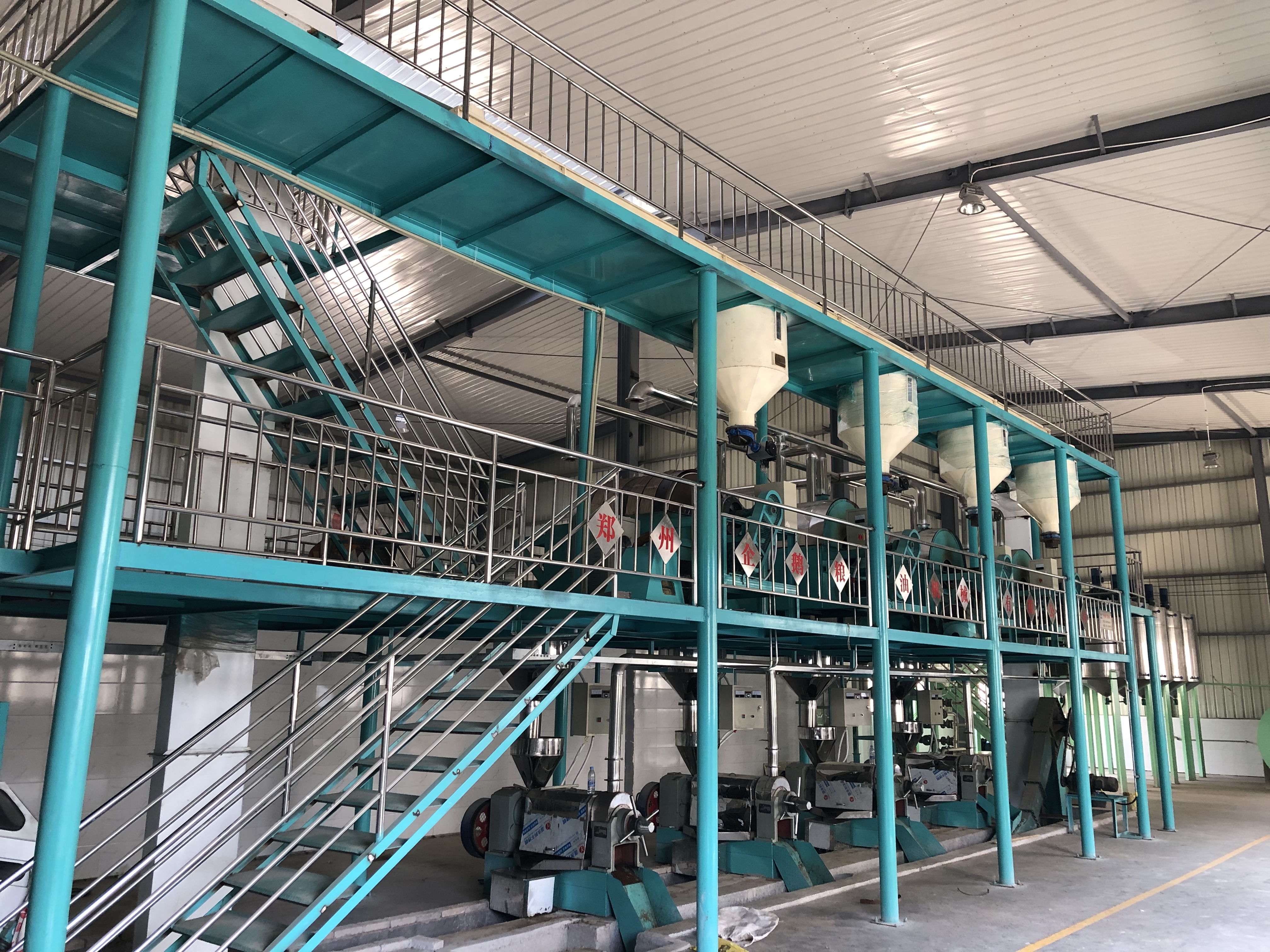
2) Core Equipment Blocks in a Typical Pressing Line
Pre-treatment & Conditioning
Cleaning, cracking, dehulling (optional), flaking, and heat/moisture conditioning. Good flake quality improves drainage and reduces residual oil in cake.
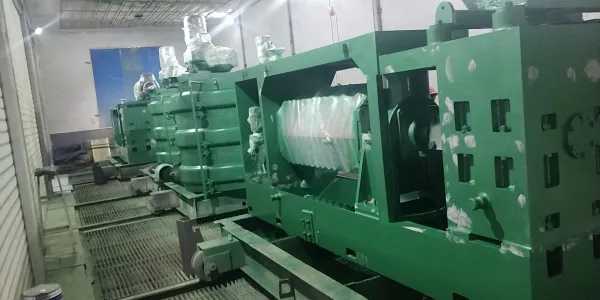
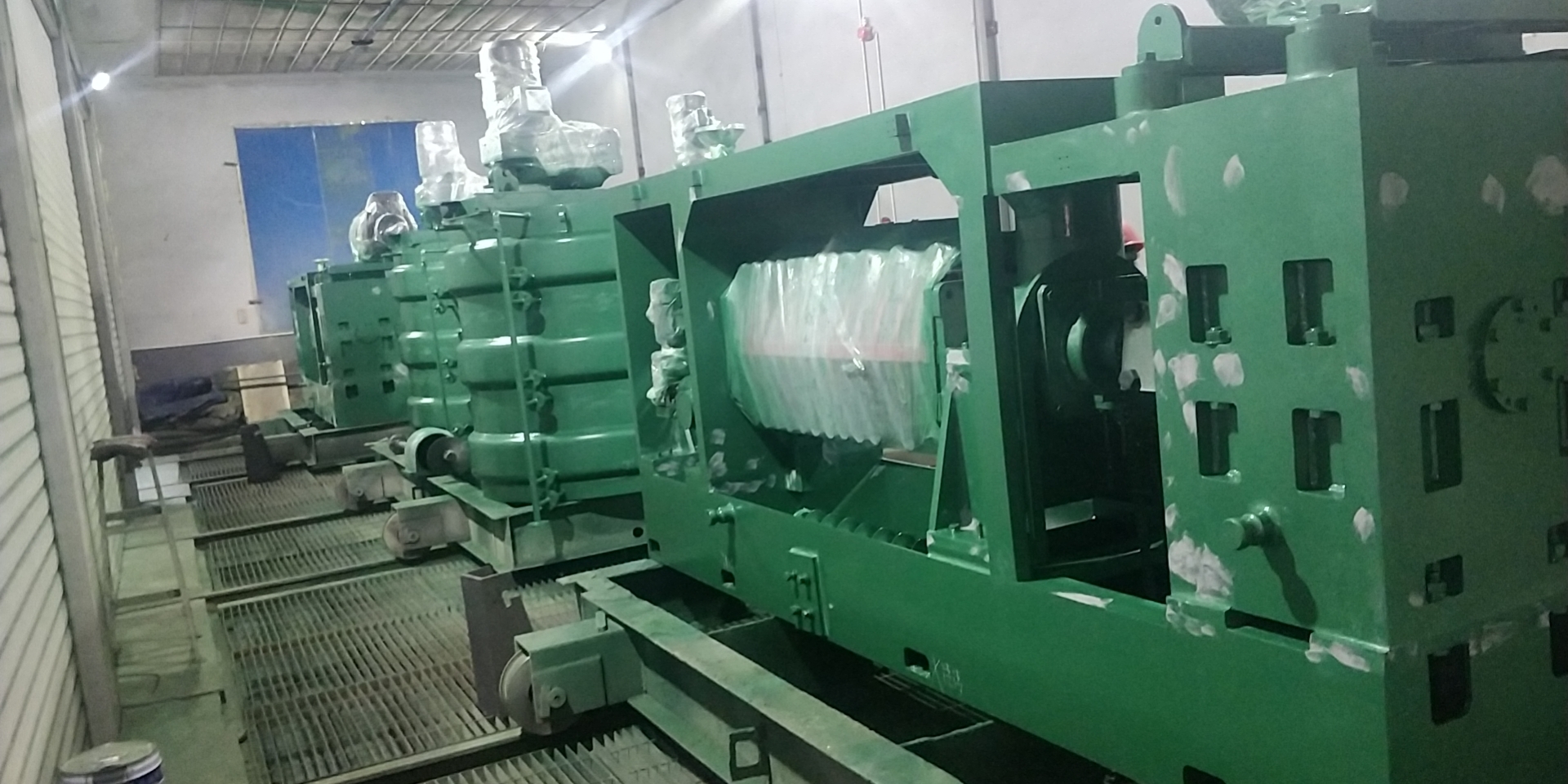
Mechanical Oil Press (Expeller)
Screw shaft, pressing cage, wear rings, choke/discharge restriction, drive system, and temperature monitoring points. Stability depends on wear condition and correct restriction.
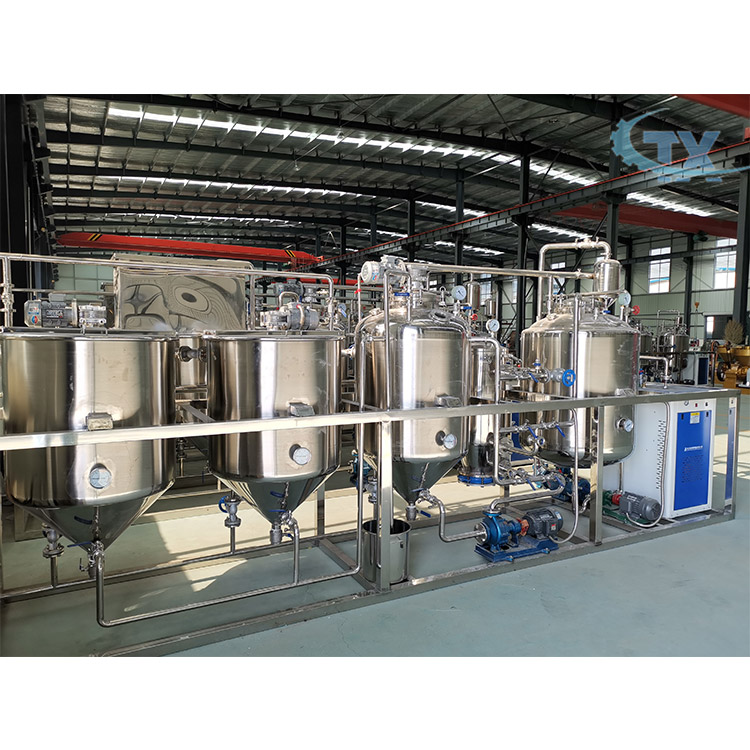
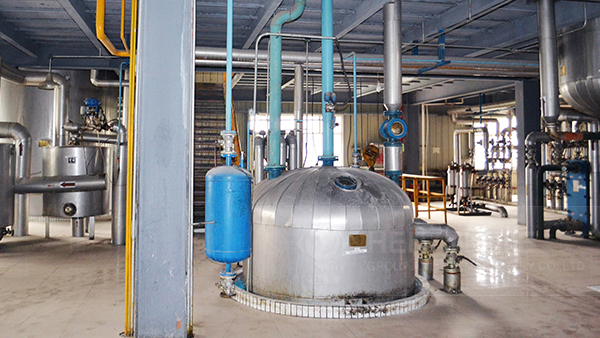
Oil Handling: Screening, Filtration, Cooling
Settling tank or vibrating screen, filter press/leaf filter, and oil cooling. Cleaner oil reduces downstream losses and customer complaints in bulk deliveries.
3) Step-by-Step Process with “What to Measure” Targets
To optimize a soybean oil press machine, avoid guessing. Use a simple measurement routine per shift: cake residual oil (rapid solvent wash test or near-infrared if available), press motor load, press barrel temperature, and oil clarity/foots.
Process Stage
Key Variables
Practical Reference Range*
Common Symptoms
Conditioning
Moisture, temperature, residence time
Moisture ~9–11%, mass temp ~60–80°C
Too wet: slippage/low pressure; too dry: high fines, dark oil
Flaking
Flake thickness, uniformity
~0.25–0.40 mm typical
Thick flakes: high residual oil; too thin: fines, filtration burden
Pressing
Screw speed, choke setting, cage wear
Tune to keep stable motor load and consistent cake
Surging load, smoking, wet cake, or excessive foots
Oil handling
Settling time, filtration differential pressure
4–12 h settling when tanks allow
Cloudy oil, high sediment, frequent filter clogging
*Reference ranges vary by bean origin, dehulling rate, and press type. Use them as starting points, then standardize what works in your line.
4) High-Impact Tuning Levers to Improve Oil Yield
Most yield gains come from eliminating avoidable loss mechanisms: incomplete cell rupture, poor drainage path, and unstable compression. Below is a field-ready checklist used in many oil mills.
Operational Tips Checklist (Shift-Level)
Stabilize feed rate: press surging often increases residual oil. Use a feeder with consistent dosing rather than manual dumping.
Condition for plasticity: aim for a press cake that exits warm, cohesive, and not “wet-looking.” Over-moist material can slip and fail to build pressure.
Adjust choke gradually: small changes can swing motor load quickly. After each adjustment, hold for 10–15 minutes to see true steady-state behavior.
Watch motor load trend: rising load with falling oil flow may indicate cage blockage or wear-induced friction rather than improved pressing.
Manage fines: too many fines increase oil foots and filtration losses. Check cracking/flaking settings and screen integrity.
Temperature discipline: excessive barrel temperature can darken oil and accelerate oxidation; too low can reduce flow and raise residual oil.
Standardize cake testing: test cake residual oil at least once per shift; treat it as the “true KPI” for mechanical extraction.
Small Case Snapshot (Parameter Tuning in a Mid-Sized Mill)
A mid-sized soybean pressing line processing ~40 tons/day observed unstable press load and cake oil drifting from ~9.5% to ~7.8% after routine maintenance—but the oil became cloudier and filtration downtime increased. Root cause analysis showed flake thickness variance (roller gap drift) and excess fines from worn screens. After restoring flake control to ~0.30–0.35 mm and tightening fines management, cake oil stabilized around ~8.0–8.3% with lower foots and fewer filter interruptions. The lesson: the “best” cake oil number is the one that balances yield with oil handling and quality stability.
5) Mechanical Pressing vs. Solvent Extraction (When Each Wins)
Mechanical Extraction
Operational simplicity and faster startup/shutdown cycles.
Lower compliance burden than solvent systems in many regions.
Often preferred for small-to-mid capacity plants and decentralized production.
Typical residual oil in cake: ~6–10% (process-dependent).
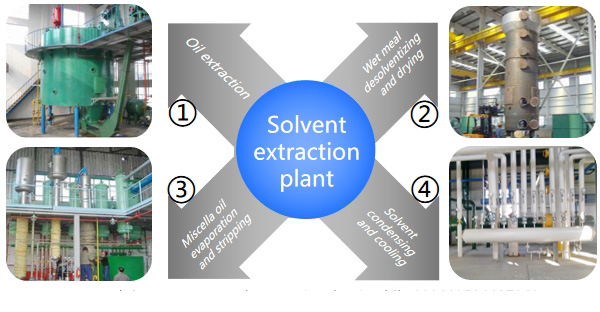
Solvent Extraction
Higher oil recovery (often >95% of total oil with optimized systems).
Better suited for large-scale plants where capex and compliance can be justified.
Requires solvent handling, safety systems, and more complex operator training.
Typically delivers lower residual oil in meal, improving total economics at scale.
In practice, many producers choose a hybrid strategy: pressing for robust front-end extraction and operational flexibility, then optional downstream extraction depending on scale, regulation, and meal value.
6) Maintenance & Troubleshooting That Protects Yield
Mechanical extraction performance declines quietly as wear accumulates. For many mills, the hidden cost is not a dramatic breakdown—it’s a slow increase in residual oil, higher power per ton, and more filtration loss.
Fast Diagnostic Table (What You See → What It Often Means)
Symptom
Likely Causes
First Actions
Cake looks wet / oil flow weak
Feed too wet, low conditioning temp, choke too open
Verify moisture & conditioning, tighten choke in small steps
Motor overload / frequent trips
Choke too tight, cage blockage, foreign material, misalignment
Back off choke, inspect screens/cage, check cleaning magnets
Oil too dark / burnt odor
Excess temperature, long residence, friction from wear
Reduce fines at flaking, extend settling, optimize filter media
For long-term consistency, many operators adopt a simple rule: measure cake residual oil + motor load daily, and schedule inspection of cage bars, screw flights, and choke elements when either KPI drifts beyond the line’s normal band.
Cake residual oil (%), press kWh/ton, and oil foots (%). Put them as a dashboard-style graphic for operators.
Troubleshooting Flow
Symptom → likely cause → immediate action → confirmation metric (e.g., motor load stabilized, cake oil reduced).
Interactive Topic for Practitioners
In your line, which variable is the hardest to keep stable: flake thickness, conditioning moisture, or press choke setting? If you share your daily capacity and whether you dehull, it becomes easier to pinpoint the most likely yield bottleneck.
Get the Operator-Ready Optimization Pack (PDF + Practical Videos)
Penguin Group compiled a practical toolkit for teams running soybean oil extraction machines: parameter check sheets, cake-oil testing notes, and a maintenance rhythm that protects yield without overcomplicating operations.