https://shmuker.oss-cn-hangzhou.aliyuncs.com/data/oss/65b068c3c2e9735675cac322/65b46cb67cfeb5177346777c/20240426173741/未标题-1_画板%201.png

Soybean Oil Plant Solvent Removal Equipment Selection: Vacuum Desolventizer vs Rotary Evaporator Comparison Guide
2026-03-04
QI ' E Group
Technical knowledge
In soybean oil processing plants, solvent removal equipment is critical for ensuring the safety and efficiency of soybean meal production. This article provides an in-depth comparison between vacuum desolventizers and rotary evaporators, focusing on processing capacity, energy efficiency, operational stability, and environmental compliance. Through real factory case studies and common troubleshooting insights, you will gain practical maintenance guidance to reduce operational costs, improve product quality, and support sustainable green production.
https://shmuker.oss-accelerate.aliyuncs.com/data/oss/65b068c3c2e9735675cac322/668263a4df9f6e7a1281439c/20240903153921/Cottonseed-oil-solvent-extraction-machine.jpg

Comprehensive Guide to Selecting Desolventizing Equipment for Soybean Oil Processing Plants

In the soybean oil processing industry, the desolventizing phase directly impacts the quality and safety of soybean meal. Choosing the right equipment not only optimizes production efficiency but also ensures compliance with environmental and safety regulations. This guide contrasts two mainstream desolventizing technologies—vacuum desolventizers and rotary evaporators—equipping you with essential knowledge to make informed decisions tailored to your plant’s scale and operational needs.

Understanding the Importance of Desolventizing in Soybean Meal Quality

Desolventizing is a critical step where residual solvents—typically hexane—are removed from soybean meal after oil extraction. Effective solvent removal guarantees safety compliance and product integrity by reducing solvent residues to industry standards, typically below 1–2% residual oil content. Failure in this phase can lead to off-odor, safety hazards, and non-compliance with VOC (volatile organic compounds) emissions limits.

Technical Overview: Vacuum Desolventizer vs. Rotary Evaporator

Vacuum Desolventizers operate under reduced pressure, which lowers the boiling point of hexane, enabling solvent evaporation at milder temperatures. This results in energy-efficient solvent recovery and preserves the nutritional quality of soybean meal. Typically, vacuum desolventizers fit large-scale industrial operations with continuous throughput exceeding 10 tons per hour.

In contrast, Rotary Evaporators are often implemented for smaller scale or batch processing scenarios. Their rotating flask system provides uniform solvent evaporation through constant agitation and direct steam heating. Though simpler and suitable for pilot-scale testing, they generally require more energy per unit volume and have lower throughput capacity, topping around 1–2 tons per hour.
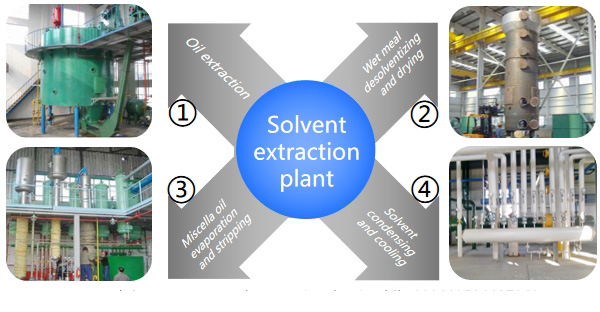
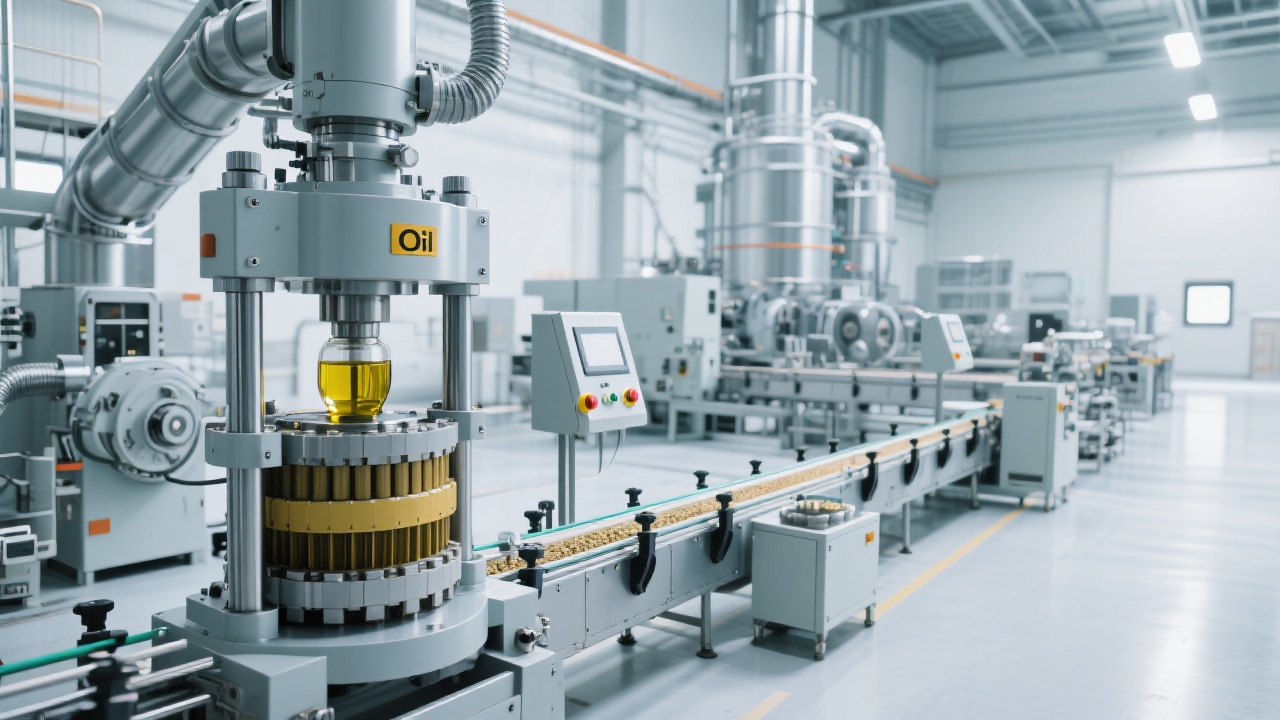
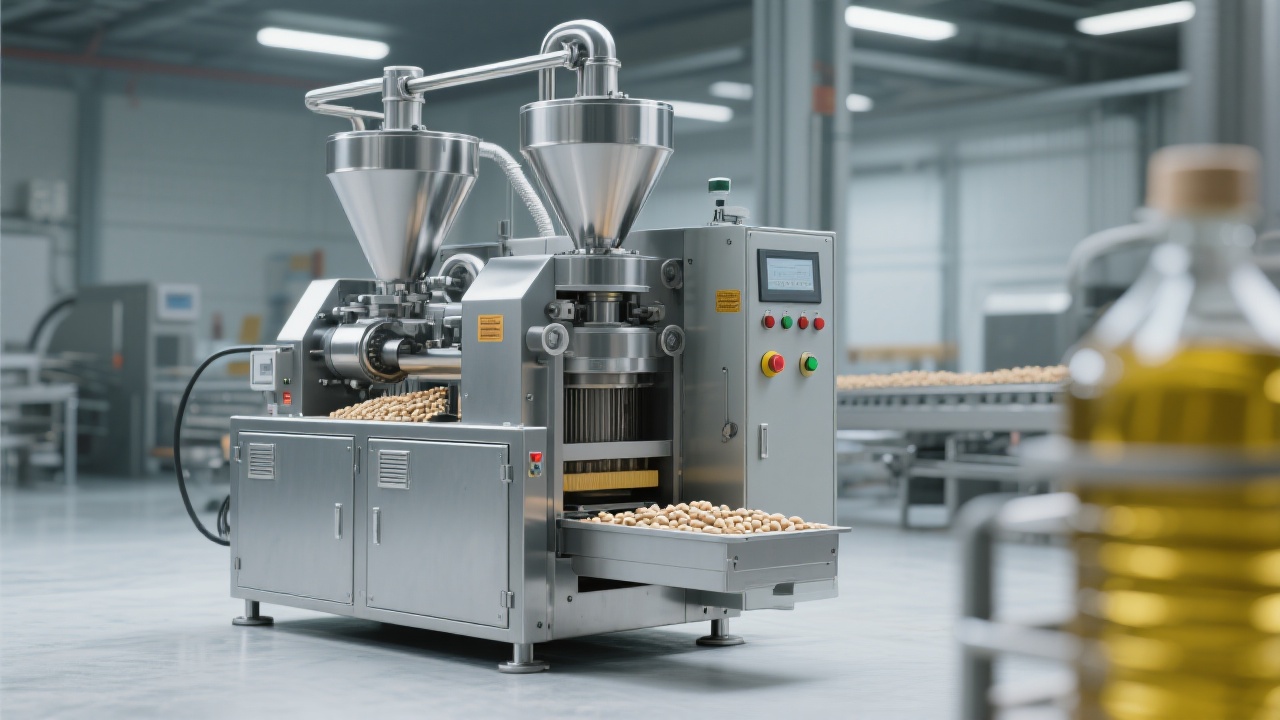
Comparative structural schematic of vacuum desolventizer and rotary evaporator for soybean oil processing

Key Performance Parameters Impacting Product Consistency

Several critical parameters define the efficiency and quality output of your desolventizing system:

  • Temperature Control Precision: Maintaining stable temperatures within ±1°C ensures consistent solvent evaporation without damaging meal proteins.
  • Vacuum/Sealing Integrity: High-quality seals reduce solvent leakage, improving environmental safety and reducing solvent losses estimated at up to 3% without proper sealing.
  • Steam Pressure Stability: Systems maintaining steam pressure within ±0.05 MPa guarantee consistent heat transfer efficiency, vital for solvent vaporization.

Effective Daily Inspection and Maintenance Practices

To sustain optimal operation and extend equipment lifespan, you should implement standardized maintenance routines such as:
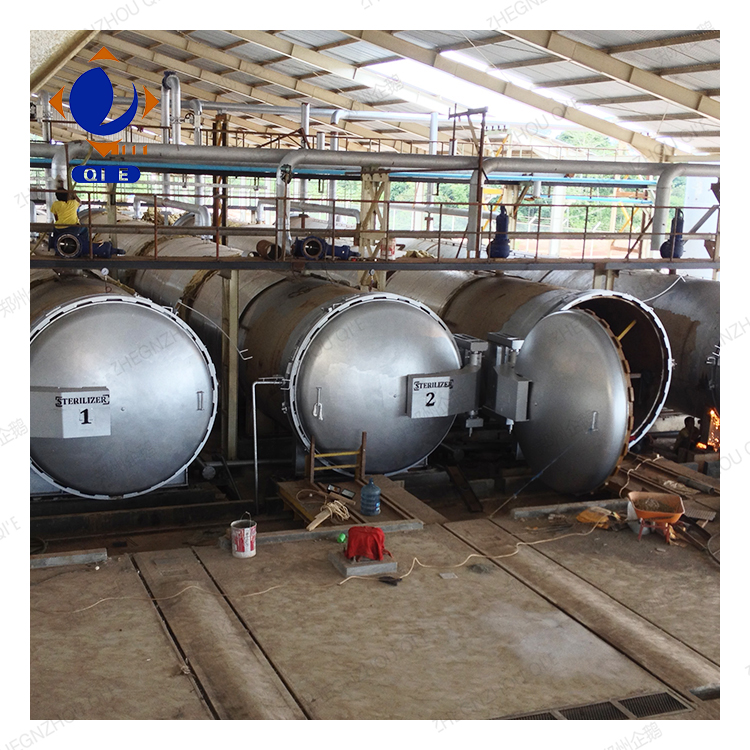
  • Daily inspection of filter mesh for clogging to avoid pressure drops and uneven solvent removal.
  • Timely replacement of worn or damaged seals and gaskets to preserve vacuum integrity.
  • Routine checking and calibration of temperature sensors and steam valves.
  • Implementation of heat recovery mechanisms to recycle latent heat, potentially reducing steam consumption by up to 15%.

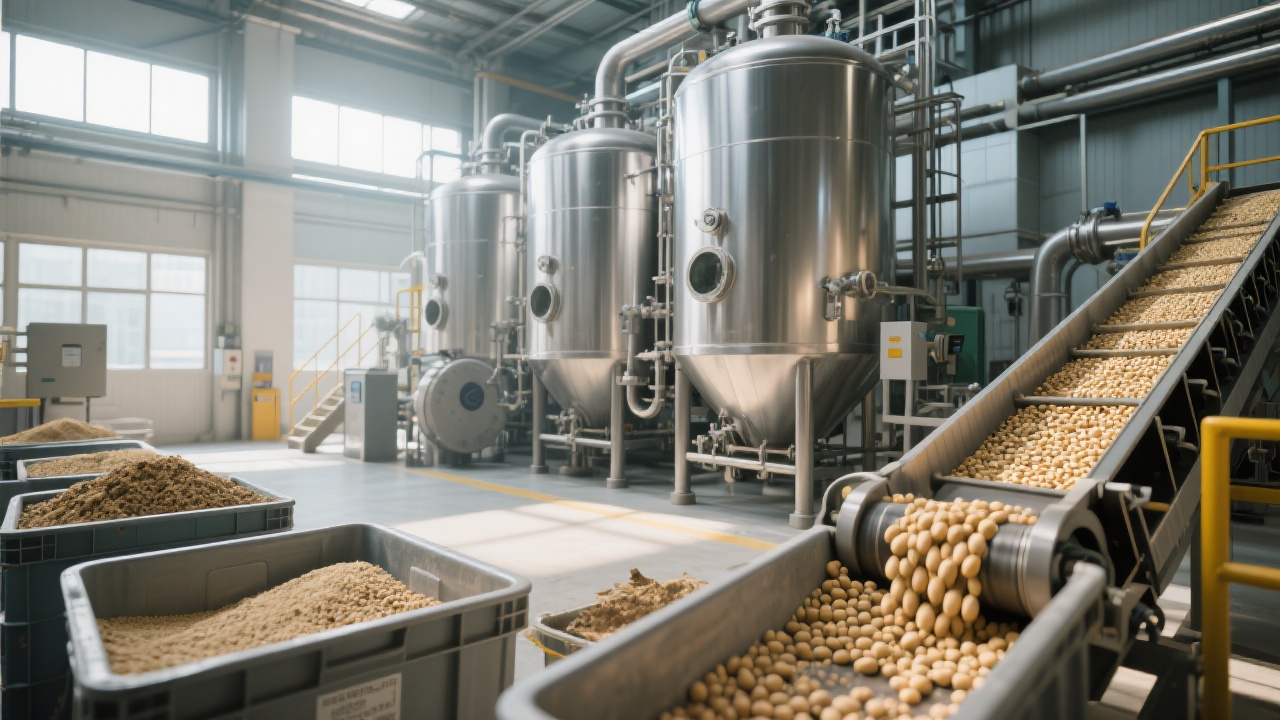
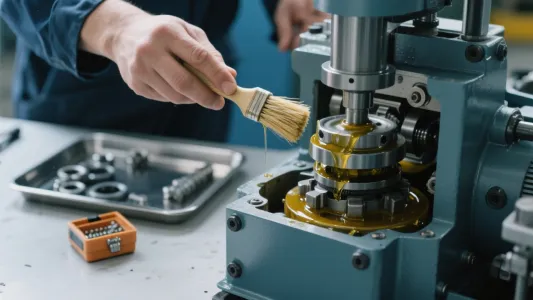
Diagram illustrating key maintenance check points for desolventizing equipment in soybean oil plants

Troubleshooting High-Frequency Operational Issues

Challenges like unusual odors, material blockages, and solvent residue exceeding safe limits often indicate faults requiring immediate attention:

  • Abnormal Odor: Might signify incomplete solvent removal or microbial contamination, usually traceable to low drying temperatures or equipment leaks.
  • Discharge Blockage: Often caused by filter mesh damage or feed inconsistency; regular cleaning schedules mitigate this risk.
  • Residual Solvent Exceeding 2%: Usually due to vacuum loss or inadequate steam heating; immediate seal inspection and steam pressure adjustment are recommended.

Meeting Environmental Regulations via VOC Emission Control

With increasing regulatory constraints on VOC emissions, your desolventizing technology choice directly impacts compliance. Vacuum desolventizers benefit from closed-loop solvent recovery systems, cutting emissions by more than 90%. Additionally, implementing condensers and activated carbon absorption units further curtails solvent vapor release, aligning with global environmental standards.
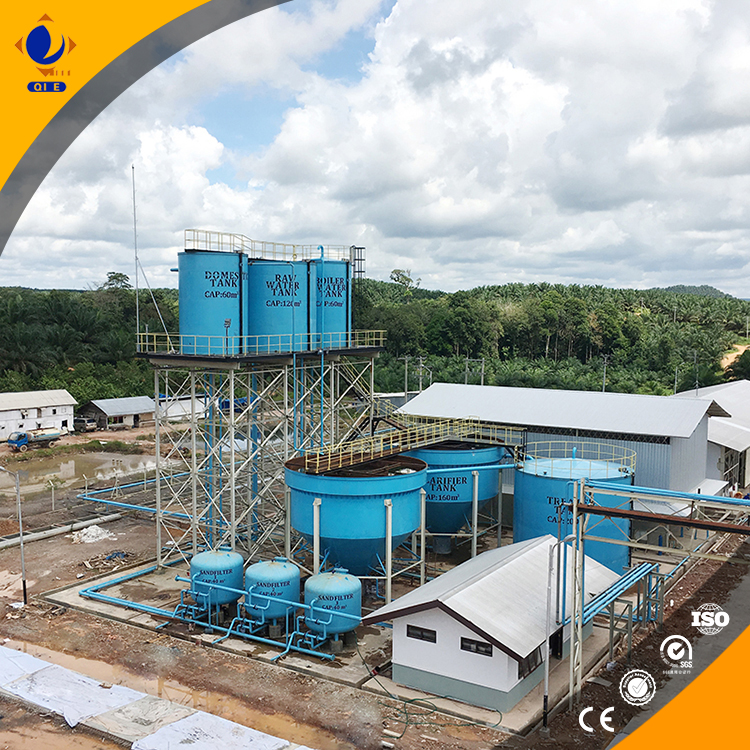
VOC reduction system integrated with desolventizing equipment for soybean oil plants

Recommended Products
Related Reading
https://shmuker.oss-accelerate.aliyuncs.com/data/oss/20250704/600417079b13a4f41e4bb679dfd3c61d/53734dfd-c2e9-495a-bef9-46c59753b0d7.jpeg
2025-11-03 | https://shmuker.oss-accelerate.aliyuncs.com/tmp/temporary/60ec5bd7f8d5a86c84ef79f2/60ec5bdcf8d5a86c84ef7a9a/20240305161110/eye.png 484 | https://shmuker.oss-accelerate.aliyuncs.com/tmp/temporary/60ec5bd7f8d5a86c84ef79f2/60ec5bdcf8d5a86c84ef7a9a/20240305160636/lable.png Soybean oil press oil yield improvement Oil press operation skills Soybean pressing process details Cold and hot pressing comparison Soybean cake protein retention

https://shmuker.oss-accelerate.aliyuncs.com/data/oss/20250704/5ad34b6495b6743e48afa68f6bc111a6/447a6597-f106-4d3c-bbef-ea7474e3d6c4.jpeg
2025-08-23 | https://shmuker.oss-accelerate.aliyuncs.com/tmp/temporary/60ec5bd7f8d5a86c84ef79f2/60ec5bdcf8d5a86c84ef7a9a/20240305161110/eye.png 208 | https://shmuker.oss-accelerate.aliyuncs.com/tmp/temporary/60ec5bd7f8d5a86c84ef79f2/60ec5bdcf8d5a86c84ef7a9a/20240305160636/lable.png vacuum deodorization system for soybean oil energy-efficient oil refining technology soybean oil quality improvement green lipid processing industrial deodorizer optimization
https://shmuker.oss-accelerate.aliyuncs.com/data/oss/common/20240703143830/20240703/dc90313aa46f70df2e5440783fa52dab.jpg
2025-04-28 | https://shmuker.oss-accelerate.aliyuncs.com/tmp/temporary/60ec5bd7f8d5a86c84ef79f2/60ec5bdcf8d5a86c84ef7a9a/20240305161110/eye.png 71 | https://shmuker.oss-accelerate.aliyuncs.com/tmp/temporary/60ec5bd7f8d5a86c84ef79f2/60ec5bdcf8d5a86c84ef7a9a/20240305160636/lable.png oilseed preprocessing equipment high-efficiency plant oil production solutions customized oilseed processing technology
https://shmuker.oss-accelerate.aliyuncs.com/data/oss/common/20241125095652/20241125/a99419da7d4217a77a0f5275dac86a29/H935f0e6c5d1f4e2480d7908ebea06df0U.jpg
2025-04-08 | https://shmuker.oss-accelerate.aliyuncs.com/tmp/temporary/60ec5bd7f8d5a86c84ef79f2/60ec5bdcf8d5a86c84ef7a9a/20240305161110/eye.png 476 | https://shmuker.oss-accelerate.aliyuncs.com/tmp/temporary/60ec5bd7f8d5a86c84ef79f2/60ec5bdcf8d5a86c84ef7a9a/20240305160636/lable.png multifunctional peanut oil refining equipment oil mill revenue growth industrial refining solutions
https://shmuker.oss-accelerate.aliyuncs.com/data/oss/20250704/d63b778307faec089a54414434e886be/62c4e5e6-2bef-4466-adbd-13879296ffa4.jpeg
2025-08-28 | https://shmuker.oss-accelerate.aliyuncs.com/tmp/temporary/60ec5bd7f8d5a86c84ef79f2/60ec5bdcf8d5a86c84ef7a9a/20240305161110/eye.png 245 | https://shmuker.oss-accelerate.aliyuncs.com/tmp/temporary/60ec5bd7f8d5a86c84ef79f2/60ec5bdcf8d5a86c84ef7a9a/20240305160636/lable.png Soybean meal deep processing Functional feed ingredients Soybean meal market trends By - products of soybean oil mills Feed protein substitution
Hot Products
Popular articles
Recommended Reading
Contact us
Contact us
https://shmuker.oss-cn-hangzhou.aliyuncs.com/tmp/temporary/60ec5bd7f8d5a86c84ef79f2/60ec5bdcf8d5a86c84ef7a9a/thumb-prev.png