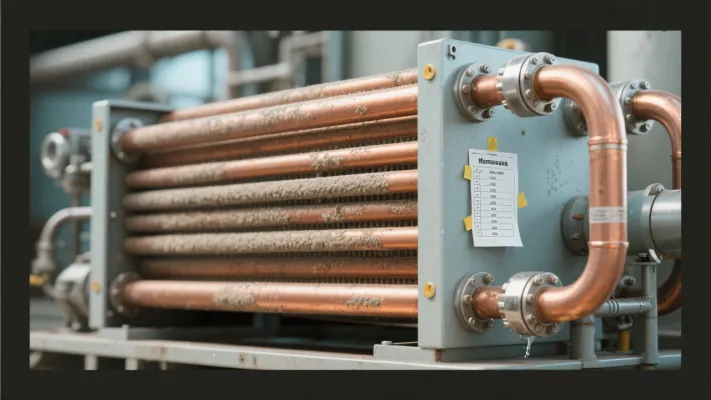
If you're producing soybean oil at scale, one of the most overlooked yet critical steps in maintaining consistent quality is daily filter system maintenance. A dirty or clogged filter doesn’t just slow down your production—it directly impacts oil clarity, shelf life, and customer satisfaction.
According to industry data from the International Oilseed Processing Association (IOPA), up to 70% of unexpected oil quality issues stem from poor filtration practices—not equipment failure or raw material inconsistency. When filters aren’t cleaned regularly, fine particulates like phospholipids, free fatty acids, and residual fibers accumulate, leading to:
Here’s what top-performing users do every morning before starting their shift:
| Step | Action | Time Required |
|---|---|---|
| 1 | Remove filter cartridge using anti-static gloves | 5 mins |
| 2 | Rinse with warm water + mild detergent (no bleach) | 8 mins |
| 3 | Inspect mesh integrity under UV light (check for micro-tears) | 5 mins |
| 4 | Reinstall only after drying completely (air-dry > 4 hrs) | Depends on humidity |
“We used to skip cleaning if the machine ran smoothly. Then our export customers started rejecting batches due to dark sediment. Now we treat it like a checklist—like brushing your teeth.” — Ahmed, Sudan-based oil mill owner
Most failures happen not from lack of tools but from inconsistent routines. For example:
In global B2B markets—from Europe to Southeast Asia—buyers now expect documentation around process hygiene. Keeping a digital log of filter changes helps build trust with food safety auditors and repeat clients. It also gives you early warning signs of wear patterns that could lead to costly breakdowns.
Ready to boost your oil purity and reduce downtime?
Get Our Free Daily Filter Checklist + Smart Oil Press Upgrade Guide




