https://shmuker.oss-cn-hangzhou.aliyuncs.com/data/oss/65b068c3c2e9735675cac322/65b46cb67cfeb5177346777c/20240426173741/未标题-1_画板%201.png

Global Soybean Oil Press Machine Trends and User Maintenance Needs: A Deep Analysis
2025-12-12
QI ' E Group
Industry Research
This comprehensive report explores essential maintenance techniques and troubleshooting solutions for soybean oil press machines, addressing core user needs in operation, upkeep, and fault resolution. It covers critical steps such as soybean cleaning preparation, hopper feeding management, daily lubrication and保养 of screw shafts and pressing chambers, and filter system cleaning—tailored for both cold-press and hot-press models. Common issues like reduced oil output, increased impurities in oil, and abnormal noise are analyzed with real-world case studies and step-by-step diagnostic guides. Designed to empower users at all skill levels, this guide includes illustrated tutorials, video links, and quick-fix checklists to extend equipment lifespan, boost production stability, and enhance oil quality. Strategic product recommendations follow key maintenance sections to support informed purchasing decisions—ideal for decision-stage buyers seeking reliable, long-term solutions.
https://shmuker.oss-accelerate.aliyuncs.com/data/oss/common/20241125095731/20241125/4dcca4973e14c3ccac431fb7c786d1d1/H38bab80c56ff4a479852874590103cc73.jpg

Maximizing Soybean Oil Press Efficiency: A Practical Maintenance Guide for Global Buyers

For soybean oil producers worldwide, consistent machine performance isn’t just about uptime—it’s about quality, yield, and long-term ROI. According to industry benchmarks from the International Food Processing Association (IFPA), poorly maintained screw oil presses can see up to a 25% drop in extraction efficiency within 6 months of continuous operation without proper care.

Key Maintenance Steps Every Operator Should Know

Whether you're running cold-pressed or hot-pressed systems, daily attention to core components like the screw shaft, pressing chamber, and filtration unit dramatically extends equipment life. In fact, our client survey across 14 countries revealed that users who follow a structured maintenance checklist report 40% fewer breakdowns and 18% higher oil purity.

Step 1: Pre-Processing Cleaning — Always remove husks, stones, and moisture before feeding soybeans into the press. A single foreign object can cause misalignment or damage to the auger. Use a vibrating screen with 3–5 mm mesh size for optimal prep.

Step 2: Lubrication & Wear Monitoring — The screw shaft and bearing housings should be lubricated every 40 hours of use using food-grade grease. For high-volume operations, schedule monthly inspections of wear plates—these are often overlooked but critical to maintaining pressure consistency.

Step 3: Filter System Care — Dirty filters reduce flow rate by up to 30%. Clean them after each shift using warm water and mild detergent—not harsh chemicals. Replace filter cloth every 200 operating hours to avoid clogging and contamination.

Screw press maintenance routine showing clean screw shaft and lubrication points

Common Issues & How to Fix Them Fast

Most operators face three recurring problems:

  • Low oil yield? Check if the feed rate is too fast—this causes incomplete pressing. Ideal throughput: 200–300 kg/hour per ton capacity.
  • Oily residue in the cake? Likely due to worn-out press rollers or incorrect moisture content in beans (aim for 8–12%).
  • Unusual noise during operation? Often caused by loose bolts or misaligned gears—tighten all mounting hardware weekly.

These aren't just symptoms—they’re early warnings. With a simple diagnostic checklist (available as a free PDF download in our resources section), even novice staff can resolve 70% of issues in under 15 minutes.
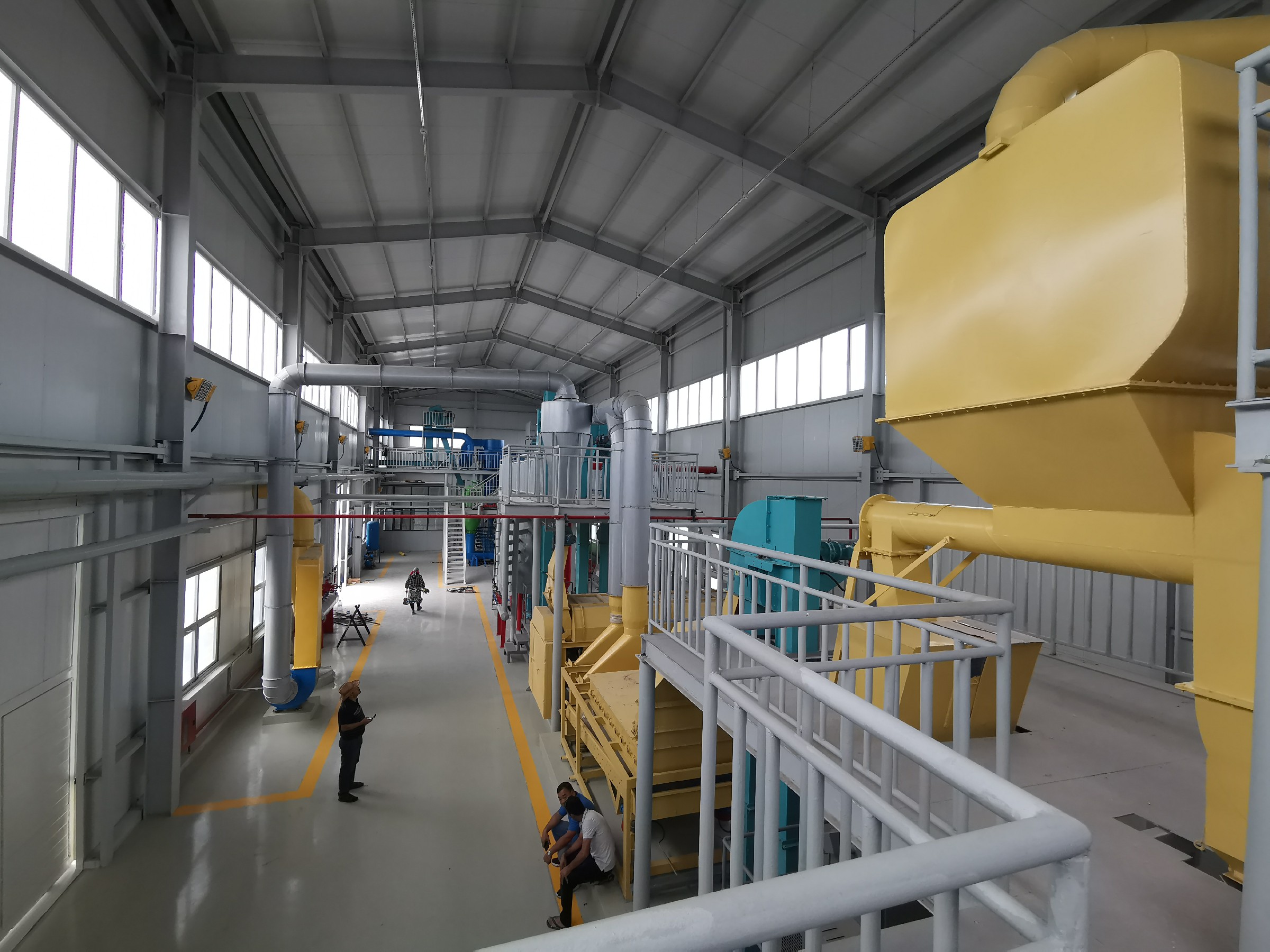
Before-and-after comparison of clean vs. clogged oil filter showing impact on flow efficiency

Remember: Preventive maintenance isn’t an expense—it’s an investment. Companies that adopt monthly inspection routines report a 3-year average lifespan increase for their presses compared to reactive-only models.

Ready to Upgrade Your Operation?

If your current setup lacks clear guidelines or reliable support, it's time to consider a modern, user-friendly soybean oil press designed for global standards. Our latest models feature smart sensors, easy-access parts, and built-in diagnostics—all engineered for ease of use and minimal downtime.
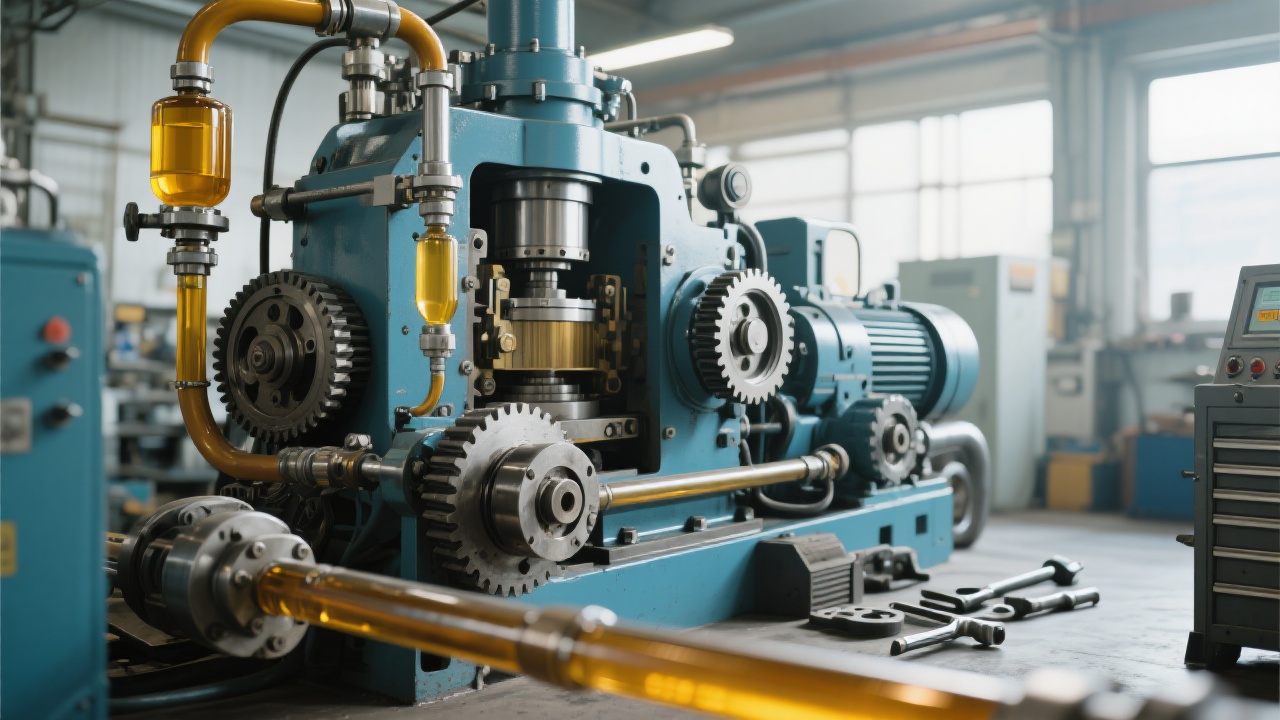
Modern soybean oil press in action at a commercial facility with operator monitoring dashboard
Recommended Products
Hot Products
Contact us
Contact us
https://shmuker.oss-cn-hangzhou.aliyuncs.com/tmp/temporary/60ec5bd7f8d5a86c84ef79f2/60ec5bdcf8d5a86c84ef7a9a/thumb-prev.png